
The vast, earthen mounds of Cahokia, once the heart of a sprawling pre-Columbian metropolis, now stand as silent sentinels to a lost civilization. For centuries, the city of Cahokia, located near modern-day St. Louis, Missouri, flourished as the most sophisticated urban center north of Mexico. Its influence stretched across a vast territory, its people masters of engineering, agriculture, and social organization. Yet, by the 14th century, Cahokia was a ghost town, its grand structures abandoned, its vibrant culture extinguished. The decline of Cahokia is a profound historical enigma, a complex tapestry woven from environmental pressures, social upheaval, and perhaps, the very seeds of its own success.
At its peak, around 1050 to 1350 CE, Cahokia was a city of immense scale and influence. Far from a primitive village, it was a complex urban center, a hub of trade, ritual, and political power. The sheer ingenuity and labor required to construct its monumental earthworks are testaments to the organizational prowess of its inhabitants.
Monumental Architecture: Mounds of Power and Purpose
The most striking feature of Cahokia is its immense collection of earthen mounds, over 120 of them, spread across six square miles. These were not random accumulations of soil; they were meticulously designed and constructed, serving a variety of purposes.
Monk’s Mound: The Colossus of Cahokia
Dominating the landscape is Monk’s Mound, a colossal structure that stands over 100 feet tall and covers an area of 14 acres. This massive platform mound, built in stages over centuries, likely served as the ceremonial and administrative heart of the city. Its summit, accessible by a grand staircase, would have commanded views of the entire city and the surrounding plains, a powerful symbol of leadership and divine connection. The effort to build Monk’s Mound alone is staggering, requiring the movement of millions of cubic feet of earth, a feat accomplished without the use of wheeled vehicles or draft animals.
Other Mound Types: Cemeteries, Homes, and Observatories
Beyond Monk’s Mound, Cahokia featured a diversity of other mound types. There were conical mounds, possibly used for burials or as markers, and ridge-top mounds that may have served as defensive structures or provided elevated platforms for important buildings. The presence of hundreds of smaller household mounds, indicating residential areas, paints a picture of a densely populated urban environment. Furthermore, the famous Woodhenge, a series of large timber circles found at Cahokia, strongly suggests astronomical observation and the tracking of celestial events, likely crucial for agricultural planning and religious ceremonies.
A Sophisticated Society: Social Hierarchy and Economic Networks
Cahokia was not merely a collection of impressive buildings; it was home to a complex and stratified society. Evidence suggests a distinct social hierarchy, with elites occupying prominent positions and directing large-scale labor projects.
Elite Residences and Burials: Markers of Status
The presence of larger, more elaborately constructed dwellings, often located on elevated platforms or near major ceremonial sites, points to an elite class. The famous burials found at Mound 72 offer a stark illustration of this social stratification. These burials included numerous individuals, some interred with elaborate grave goods, including finely crafted copper ornaments, shell beads, and exotic materials, while others appeared to be sacrificial victims, suggesting a powerful ruling class that wielded considerable authority and employed ritualistic practices to solidify their power.
Trade and Exchange: Connecting a Vast Network
Cahokia was a nexus of extensive trade networks that spanned much of eastern North America. Raw materials and finished goods flowed into the city from as far away as the Great Lakes (copper), the Gulf Coast (shell), and the Appalachian Mountains (mica). This intricate economic system not only provided Cahokia with valuable resources but also amplified its cultural and political influence, making it a focal point for exchange and interaction among diverse peoples.
The decline of the Cahokia civilization, once a thriving urban center near present-day St. Louis, has intrigued historians and archaeologists for decades. Factors such as environmental changes, resource depletion, and social upheaval contributed to its downfall. For a deeper understanding of how civilizations can maximize their resources and adapt to changing circumstances, you might find the article on ISRU technology insightful. It explores innovative strategies that can be applied to resource management, which can draw parallels to the lessons learned from the rise and fall of ancient societies like Cahokia. You can read more about it here: Maximizing Resources with ISRU Technology.
Seeds of Decline: Internal Stresses and Environmental Pressures
While Cahokia reached remarkable heights, several factors likely contributed to its eventual downfall. These were not sudden catastrophic events, but rather a gradual erosion of the systems that sustained its grandeur.
Environmental Degradation: A Land Under Strain
The sheer scale of Cahokian society placed immense pressure on its surrounding environment. Extensive deforestation, coupled with intensive agricultural practices, likely led to significant ecological changes.
Deforestation: Fueling the Fires of Growth
The construction of its monumental earthworks, the palisades, and the daily needs of a large population required vast quantities of wood. Archaeological evidence suggests widespread deforestation in the immediate vicinity of Cahokia. This loss of forest cover would have had cascading effects, including increased soil erosion, changes in local rainfall patterns, and a reduction in available resources for hunting and gathering.
Intensive Agriculture and Soil Depletion
The Cahokians were skilled farmers, cultivating maize, beans, and squash. However, the sustained cultivation of crops over large areas, without advanced techniques for soil replenishment, could have led to nutrient depletion and declining agricultural yields. This would have placed a strain on food supplies and potentially contributed to social unrest as resources became scarcer.
Population Growth and Resource Scarcity: A Growing Challenge
The success of Cahokia attracted a significant population, leading to increasing demands on its resources. As the population grew, the challenges of feeding, housing, and sustaining such a large urban center likely became more acute.
Urbanization and its Burdens
A densely populated urban environment, while a sign of prosperity, also presents challenges. Sanitation, disease, and the management of waste become significant issues. Furthermore, a large population concentrates resource demand in a specific area, making it more vulnerable to localized environmental or social disruptions.
Potential for Conflict: Competition for Diminishing Resources
As resources became strained, the potential for internal conflict or external aggression may have increased. Competition for arable land, clean water, or other vital resources could have led to tensions within the Cahokian polity or between Cahokia and its neighbors.
The Great Abandonment: A Gradual Exodus
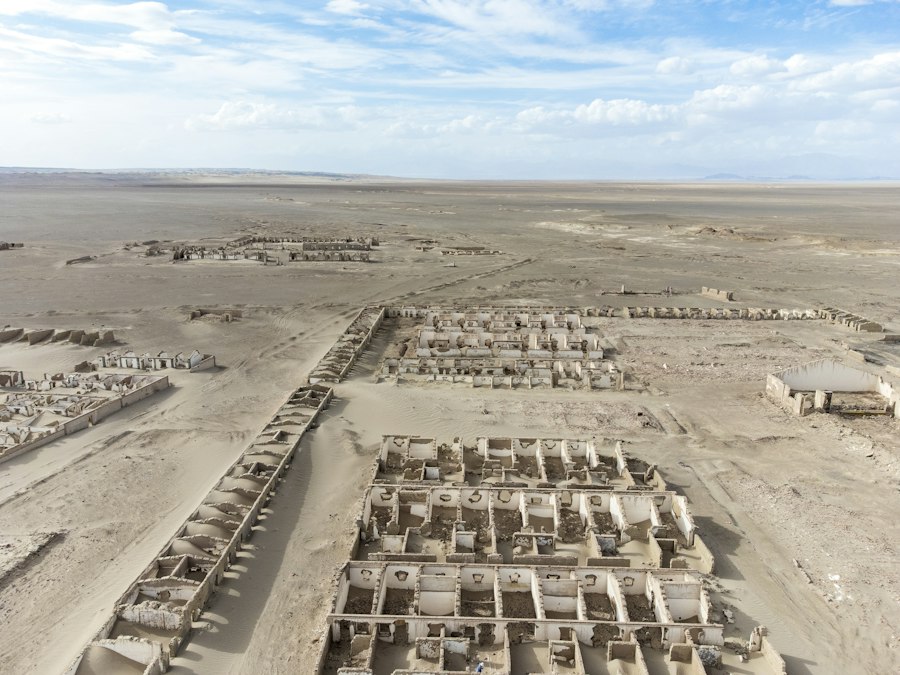
The decline of Cahokia was not an instantaneous collapse, but rather a protracted process of depopulation and abandonment. While the exact timeline and contributing factors remain debated, a general consensus points to a gradual exodus of people from the urban core.
The decline of the Cahokia civilization remains a fascinating topic for historians and archaeologists, as it highlights the complexities of societal collapse. Recent studies suggest that environmental factors, resource depletion, and social strife played significant roles in their downfall. For those interested in understanding how civilizations can face similar challenges today, an insightful article discusses the implications of economic instability and resource management in modern society. You can read more about this in the article on preparing for potential economic shifts here.
Shifting Political and Economic Power: The Rise of New Centers
As Cahokia’s influence waned, other centers of power likely emerged, drawing people and resources away from the declining metropolis. The complex network of trade and communication that once converged on Cahokia may have begun to reorient itself.
Decentralization of Authority: A Weakening Central Government
The decline of Cahokia’s monumental building projects and the evidence of widespread depopulation suggest a weakening of the central authority that once governed the city. This decentralization of power could have led to a fragmentation of its political influence and a loss of its ability to command labor and resources.
New Trade Routes and Alliances: A Changing Landscape
As Cahokia’s star faded, other settlements may have risen in prominence, forging new alliances and establishing new trade routes. This shift in the geopolitical landscape would have further marginalized Cahokia and contributed to its isolation.
Social and Ideological Shifts: A Loss of Faith?
The reasons for abandonment are rarely purely economic or environmental. Often, shifts in ideology, religion, or social cohesion play a significant role in the decline of civilizations.
Changes in Religious Practices: The End of an Era
The cessation of major mound construction and the abandonment of the urban core suggest a potential shift in religious beliefs or practices. If the authority of the ruling elite was intertwined with their religious roles, a crisis of faith or a loss of legitimacy could have had profound consequences.
The “Cosmological Crisis” Theory: A Philosophical Shift
Some scholars propose a “cosmological crisis” as a contributing factor. This theory suggests that a profound disruption in their understanding of the universe or their place within it could have led to a loss of faith in the existing social and political order, prompting people to leave.
Legacies and Lessons: What Cahokia Teaches Us
The story of Cahokia’s decline offers invaluable insights into the fragility of complex societies and the interconnectedness of environmental, social, and political factors. It serves as a stark reminder that even the most advanced civilizations are not immune to collapse.
Environmental Stewardship: The Responsibility of Success
Cahokia’s experience highlights the critical importance of sustainable environmental practices. The unchecked exploitation of natural resources, even in pursuit of progress, can ultimately undermine the very foundations of a civilization. The lessons learned from Cahokia underscore the need for careful resource management and ecological awareness in the modern world.
Social Resilience and Adaptation: The Capacity for Change
While Cahokia ultimately declined, the resilience and adaptability of its people are also evident. The migrations and the establishment of new communities in the surrounding regions demonstrate a capacity for survival and reinvention. Understanding these adaptive strategies can offer hope and guidance for contemporary societies facing similar challenges.
The Enduring Mystery: Unraveling the Past
Despite decades of archaeological research, many questions about Cahokia’s decline remain unanswered. The exact sequence of events, the specific tipping points, and the precise reasons for the abandonment continue to be subjects of intense study and debate. The enduring mystery of Cahokia serves as a powerful testament to the complexity of human history and the ongoing quest to understand our past.
The silent mounds of Cahokia stand as a poignant monument to a civilization that once commanded the attention of a continent. Their story is not just about a lost city, but about the universal challenges that societies face – the delicate balance between growth and sustainability, the ever-present forces of environmental change, and the intricate web of social and political dynamics that can lead to both extraordinary achievements and profound decline. The lessons of Cahokia, etched in earth and time, continue to resonate, urging us to consider the long-term consequences of our actions and the enduring wisdom found in the ruins of the past.

A City Bigger Than London Once Stood in America. Then It Vanished.
FAQs
What was the Cahokia civilization?
The Cahokia civilization was a pre-Columbian Native American civilization located in the region of present-day southern Illinois, USA. It was the largest and most influential urban settlement of the Mississippian culture, with a peak population of around 20,000 people.
What factors contributed to the decline of the Cahokia civilization?
The decline of the Cahokia civilization is believed to have been caused by a combination of environmental factors, such as deforestation, soil depletion, and climate change, as well as social and political factors, including internal conflict and the breakdown of the social and political systems.
When did the decline of the Cahokia civilization occur?
The decline of the Cahokia civilization is thought to have begun around the 13th century, with the abandonment of the major ceremonial and residential centers. By the 14th century, the population had significantly decreased, and the once-thriving urban center had been largely abandoned.
What evidence supports the theories about the decline of the Cahokia civilization?
Archaeological evidence, including studies of soil composition, pollen analysis, and the examination of artifacts and structures, supports the theories about the environmental and social factors that contributed to the decline of the Cahokia civilization.
What is the legacy of the Cahokia civilization?
Despite its decline, the Cahokia civilization left a lasting legacy in the form of its monumental earthen mounds, sophisticated urban planning, and complex social and religious systems. The site of Cahokia Mounds is now a UNESCO World Heritage site and continues to be a source of study and fascination for archaeologists and historians.