The Mediterranean Sea, a cradle of civilization and a vibrant artery of global trade, is facing a profound and disturbing decline. For millennia, its waters have sustained diverse ecosystems, facilitated cultural exchange, and supported the livelihoods of millions. Yet, the shimmering expanse that once symbolized abundance is now showing alarming signs of stress. Overfishing, pollution, habitat destruction, and the relentless pressures of climate change have converged, pushing this iconic marine environment to a precipice. Understanding what went wrong is not merely an academic exercise; it is a critical imperative for safeguarding a vital natural and cultural heritage for future generations.
For generations, the Mediterranean has been a larder, a source of sustenance and economic prosperity for coastal communities. However, the relentless pursuit of seafood, often without adequate regulation or foresight, has depleted fish stocks to unsustainable levels. This overexploitation has a cascade of devastating consequences, impacting not just the targeted species but the entire intricate web of marine life.
Industrial Fishing: A Technological Tide of Depletion
The advent of industrial fishing techniques has dramatically amplified the capacity to extract marine resources. Large, powerful vessels equipped with advanced sonar and sophisticated trawl nets can now access even the deepest and most remote parts of the sea. This technological prowess, while impressive from an engineering perspective, has created a mismatch between the ocean’s regenerative capacity and the intensity of human exploitation.
The Scourge of Bottom Trawling
Among the most destructive fishing methods employed is bottom trawling. Vessels drag heavy nets across the seabed, indiscriminately scooping up everything in their path. This practice obliterates delicate seafloor habitats like seagrass meadows and coralline reefs, which are crucial nurseries and feeding grounds for countless species. The physical churning of the seabed also releases stored carbon, contributing to ocean acidification. The slow recovery rate of these ancient ecosystems means that the damage inflicted by a single trawling operation can persist for decades, if not centuries. Reports from various research institutions consistently highlight the devastating impact of trawling on benthic biodiversity and the long-term health of the seafloor.
Ghost Fishing: A Silent Killer
Disentangled fishing gear, often referred to as “ghost gear,” continues to pose a significant threat to marine life long after it has been abandoned or lost. Nets, lines, and traps can drift for years, continuing to entangle and kill fish, marine mammals, sea turtles, and seabirds. This silent and indiscriminate killer is a poignant reminder of the persistent legacy of unsustainable fishing practices. The sheer volume of discarded fishing gear found on beaches and in the water underscores the scale of this problem.
Unsustainable Quotas and Ineffective Enforcement
Even when quotas are in place, they are often based on flawed or outdated scientific assessments, failing to account for the true reproductive capacity of fish populations. Furthermore, enforcement of existing regulations remains a significant challenge across many Mediterranean nations. Illegal, unreported, and unregulated (IUU) fishing continues to thrive, undermining conservation efforts and perpetuating the cycle of overexploitation. The vastness of the Mediterranean Sea, coupled with limited surveillance resources, creates fertile ground for such illicit activities.
The Allure of High-Value Species
The focus on high-value species, such as tuna, swordfish, and certain species of grouper, has intensified the pressure on these stocks. Their demand in domestic and international markets often drives fishing efforts beyond sustainable limits. The depletion of predator species can also lead to imbalances in the food web, with cascading effects on lower trophic levels. For example, the decline of predatory fish can result in an overabundance of their prey, which may in turn lead to increased grazing on essential habitats like seagrass.
The Mediterranean Sea has undergone significant changes over the centuries, influenced by both natural phenomena and human activities. For a deeper understanding of historical maritime navigation and its implications, you might find the article on the Piri Reis map analysis particularly insightful. This piece explores the connections between ancient maps and modern geographical knowledge, shedding light on how historical perspectives have shaped our understanding of bodies of water like the Mediterranean. You can read more about it in the article here: Piri Reis Map Analysis.
The Choking Grip of Pollution: A Toxic Brew in the Blue
The Mediterranean Sea acts as a vast receiver for pollutants discharged from a multitude of land-based and maritime sources. From industrial waste and agricultural runoff to plastic debris and untreated sewage, this immense body of water has become a repository for human-generated toxins. This relentless influx of contaminants degrades water quality, harms marine life, and poses risks to human health through the consumption of contaminated seafood.
Plastic Pollution: The Ubiquitous Scourge
Perhaps the most visible and persistent pollutant is plastic. Millions of tons of plastic waste enter the Mediterranean each year, fragmenting into microplastics that permeate every level of the food web. Marine animals ingest these plastic particles, mistaking them for food, leading to internal injuries, starvation, and even death. The Great Pacific Garbage Patch may be the most famous, but the Mediterranean also harbors its own significant accumulations of plastic debris, particularly in its eastern basins.
Microplastics: The Invisible Threat
The breakdown of larger plastic items creates microplastics, particles less than 5 millimeters in size. These tiny fragments are easily ingested by plankton and filter feeders, entering the food chain at its base. As these organisms are consumed by larger predators, microplastics biomagnify, accumulating in the tissues of fish and other marine life. The long-term health effects of microplastic ingestion on both marine organisms and humans are a growing area of concern for the scientific community. Studies have begun to reveal the presence of microplastics in commercially important fish species, raising questions about food safety.
Macroplastics: Tangible Dangers
Larger plastic items, such as fishing nets, bags, and bottles, pose direct physical threats. Marine animals can become entangled in discarded nets, leading to drowning or injury. Ingestion of larger plastic debris can cause blockages in the digestive system, leading to malnutrition and death. Beach cleanups across the Mediterranean consistently reveal a startling abundance of these macroplastic items, a stark visual indictment of our disposable culture.
Chemical Contamination: A Silent Poison
A cocktail of chemical pollutants, including heavy metals, pesticides, and industrial chemicals, enters the Mediterranean through riverine discharge, atmospheric deposition, and direct dumping. These substances can accumulate in the tissues of marine organisms, causing reproductive problems, developmental abnormalities, and weakened immune systems. The long-term bioaccumulation of these toxins poses a significant risk to apex predators and ultimately to humans who consume seafood.
Agricultural Runoff: Nutrient Overload
Fertilizers and pesticides used in agriculture are washed into rivers and, subsequently, the sea. This influx of nutrients, particularly nitrogen and phosphorus, can lead to eutrophication – an overgrowth of algae that depletes oxygen levels in the water, creating “dead zones” where most marine life cannot survive. Coastal areas, particularly near densely populated agricultural regions, are often the most severely affected by eutrophication.
Wastewater Discharge: Untreated and Unchecked
In many parts of the Mediterranean, wastewater treatment infrastructure is inadequate, leading to the discharge of partially treated or untreated sewage directly into the sea. This introduces pathogens, organic matter, and nutrients that further degrade water quality and pose risks to public health. The impact on bathing waters and shellfish populations is particularly concerning.
Habitat Destruction: Erasing the Foundations of Life
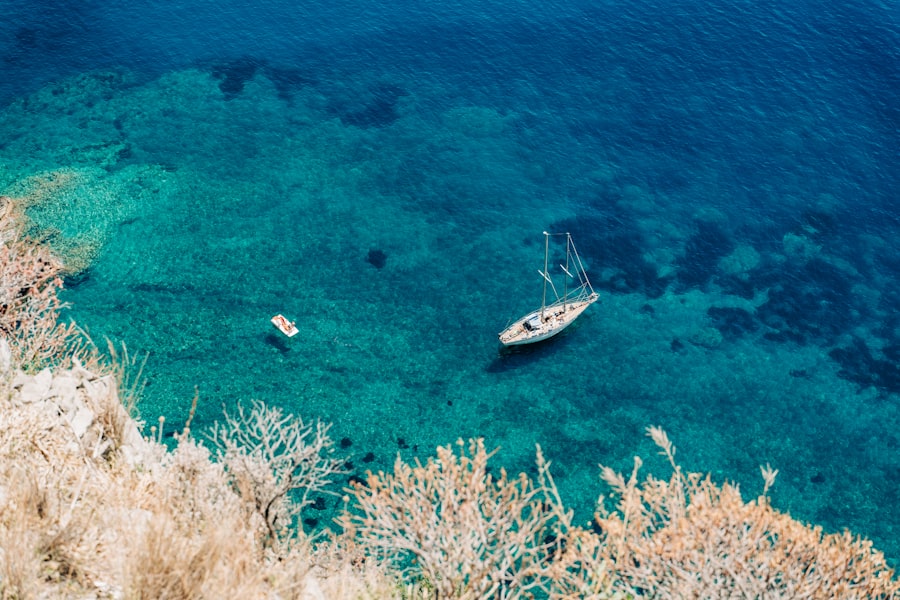
The Mediterranean’s rich tapestry of marine habitats is being systematically degraded and destroyed. These critical ecosystems, from coastal wetlands and seagrass meadows to underwater caves and rocky reefs, provide essential services, acting as nurseries, feeding grounds, and shelter for a vast array of species. Their loss signifies a fundamental unraveling of the marine food web.
Coastal Development: Paving Over Paradise
Rapid and often unchecked coastal development, driven by tourism and urbanization, has led to the widespread destruction of vital coastal habitats. This includes the reclamation of wetlands, the construction of artificial harbors and marinas, and the paving of shorelines, all of which disrupt natural processes and eliminate critical breeding and feeding areas. The visual transformation of many Mediterranean coastlines from natural to highly urbanized fronts is a testament to this relentless pressure.
The Loss of Seagrass Meadows
Seagrass meadows, often referred to as the “lungs of the Mediterranean,” are vital ecosystems that stabilize the seabed, filter water, and provide crucial habitat for fish and invertebrates. They are particularly vulnerable to physical disturbance from anchoring, dredging, and bottom trawling. The decline in seagrass coverage in many areas has been dramatic and is a major concern for marine biodiversity. These underwater meadows are essential nurseries for many commercially important fish species, and their loss directly impacts fisheries.
The Impact of Marine Infrastructure
The construction of ports, marinas, and offshore infrastructure can lead to habitat loss through direct physical alteration of the seabed and surrounding areas. Dredging, used to deepen channels and create larger berths, can smother benthic habitats and release suspended sediments that reduce light penetration. Breakwaters and jetties, while serving navigational purposes, can also alter natural sediment transport and wave dynamics, impacting adjacent coastal ecosystems.
Destructive Practices in Marine Protected Areas (MPAs)
Ironically, even within designated Marine Protected Areas, loopholes and inadequate enforcement can allow for damaging activities to persist. The effectiveness of MPAs in safeguarding biodiversity is undermined when fishing practices, offshore development, or pollution sources are not adequately controlled within their boundaries. The very designation of an MPA loses its meaning if it is not accompanied by robust management and enforcement.
Climate Change: A Slow and Insidious Transformation

The Mediterranean Sea is warming at a rate faster than the global average, and the consequences are far-reaching and profound. Rising sea temperatures, ocean acidification, and changes in ocean circulation patterns are creating a hostile environment for many native species, while also facilitating the invasion of non-native species.
Ocean Warming: A Fevered Sea
The increased water temperatures stress marine organisms, leading to coral bleaching, reduced reproductive success in fish, and shifts in species distribution. Species adapted to cooler waters are being forced to migrate or face extinction, while warmer-water species, often from the Red Sea via the Suez Canal, are finding the Mediterranean increasingly hospitable. This “tropicalization” of the Mediterranean is fundamentally altering its biodiversity.
Heatwaves and Mass Mortality Events
Marine heatwaves, prolonged periods of unusually high sea temperatures, are becoming more frequent and intense. These events can trigger mass mortality events, particularly affecting sessile organisms like gorgonians, sponges, and mollusks. These large-scale die-offs can devastate entire reef systems and have long-lasting impacts on the ecosystem’s structure and function. Scientific monitoring has documented numerous such events in recent years, underscoring the growing threat.
Ocean Acidification: The Dissolving Seas
As the ocean absorbs excess carbon dioxide from the atmosphere, its pH decreases, a process known as ocean acidification. This makes it harder for shell-forming organisms, such as corals, mollusks, and plankton, to build and maintain their skeletons. The weakening of these foundational species has ripple effects throughout the food web. The increasing acidity of the Mediterranean’s waters poses a fundamental threat to organisms with calcium carbonate shells and skeletons.
Impact on Calcifying Organisms
The ability of corals, pteropods, and other calcifying organisms to build their shells and skeletons is directly compromised by increased acidity. These organisms are vital components of marine ecosystems, and their decline can have significant consequences for the entire food web. The future of many iconic Mediterranean shellfish industries is also at risk due to the combined effects of warming and acidification.
Altered Ocean Currents and Salinity
Climate change is also influencing ocean currents and salinity levels in the Mediterranean. These changes can affect nutrient distribution, larval dispersal, and the migration patterns of marine species, further disrupting the delicate balance of the ecosystem. For instance, changes in the Strait of Gibraltar’s currents can affect the exchange of water masses between the Atlantic and the Mediterranean, with broad ecological implications.
The Mediterranean Sea has undergone significant changes in recent years, raising concerns about its ecological health and geopolitical implications. In exploring these developments, one can gain further insights by examining the challenges and opportunities presented in the region, as discussed in a related article on navigating Middle East geopolitics. This article highlights the intricate balance between environmental issues and political dynamics, making it a valuable resource for understanding the broader context of the Mediterranean’s current state. For more information, you can read the article here.
Invasive Species: The Uninvited Guests
“`html
| Event | Impact |
|---|---|
| Rising sea levels | Threat to coastal cities and ecosystems |
| Pollution | Deterioration of water quality and marine life |
| Overfishing | Depletion of fish stocks and disruption of marine food chains |
| Climate change | Altered ocean currents and increased water temperatures |
“`
The Mediterranean Sea, historically a hub of exchange, has become a conduit for an ever-increasing number of invasive species. These non-native organisms, often introduced through shipping or the Suez Canal, can outcompete native species for resources, disrupt food webs, and alter habitat structure, leading to significant ecological and economic damage.
The Suez Canal: A Gateway for Exotic Invaders
The construction of the Suez Canal in the 19th century created a direct link between the Red Sea and the Mediterranean. This has facilitated the migration of over a thousand species from the Indo-Pacific region into the Mediterranean, a phenomenon known as “Lessepsian migration.” Many of these species have successfully established themselves, altering the native fauna and flora. The influx of Red Sea species has been particularly pronounced in the eastern Mediterranean.
Dominance of Alien Species
Some invasive species, such as the pufferfish and the rabbitfish, have become so abundant that they now dominate certain areas, impacting local fisheries and ecosystems. The ecological and economic consequences of these established invaders are a significant concern for regional conservation efforts. The disruption of traditional fishing practices and the introduction of new predators are just two examples of the tangible impacts.
Ballast Water: A Stealthy Vector
Ships transport vast quantities of ballast water around the world. This water, taken on in one port and discharged in another, can contain a multitude of marine organisms, including larvae, eggs, and plankton. If these organisms are non-native to the receiving environment, they can establish themselves and become invasive species. International regulations are in place to mitigate this threat, but compliance and effectiveness vary.
The Ecological and Economic Costs
The establishment of invasive species can lead to significant ecological disruptions, including the displacement of native species, alterations in food webs, and changes in habitat structure. Economically, invasive species can impact fisheries by preying on commercially important species, damaging fishing gear, or reducing the quality of catch. The cost of managing and mitigating the impacts of invasive species is substantial.
The decline of the Mediterranean Sea is not a single failing but a multifaceted crisis born from human activity. The interconnectedness of these issues means that solutions must also be holistic and collaborative. Addressing overfishing requires rigorous quotas and enforcement, tackling pollution demands comprehensive waste management and pollution control, protecting habitats necessitates sustainable coastal planning and effective MPAs, and mitigating climate change requires global action. The Mediterranean is a shared treasure, and its future depends on a collective commitment to reversing these alarming trends. The signs of distress are undeniable; the time for decisive action is now.

When the Mediterranean Became a Desert | The Messinian Salinity Crisis Explained
FAQs
What is the Mediterranean Sea?
The Mediterranean Sea is a large body of water located between Southern Europe, Northern Africa, and Western Asia. It is connected to the Atlantic Ocean by the Strait of Gibraltar and is almost completely enclosed by land.
What happened to the Mediterranean Sea?
The Mediterranean Sea is facing several environmental challenges, including pollution, overfishing, and climate change. These factors have led to a decline in biodiversity, loss of marine habitats, and the degradation of water quality in the region.
How has human activity impacted the Mediterranean Sea?
Human activity has had a significant impact on the Mediterranean Sea. Pollution from industrial and agricultural sources, as well as urban runoff, has led to the degradation of water quality. Overfishing has also depleted fish stocks, leading to imbalances in the marine ecosystem.
What are the consequences of the environmental challenges facing the Mediterranean Sea?
The environmental challenges facing the Mediterranean Sea have led to a decline in biodiversity, loss of marine habitats, and the degradation of water quality. This has had negative impacts on the region’s marine life, as well as on the livelihoods of those who depend on the sea for their sustenance.
What is being done to address the issues facing the Mediterranean Sea?
Efforts are being made to address the environmental challenges facing the Mediterranean Sea. These include the establishment of marine protected areas, the implementation of sustainable fishing practices, and the development of policies to reduce pollution and mitigate the impacts of climate change. International cooperation and collaboration are also key components of efforts to protect and restore the Mediterranean Sea.