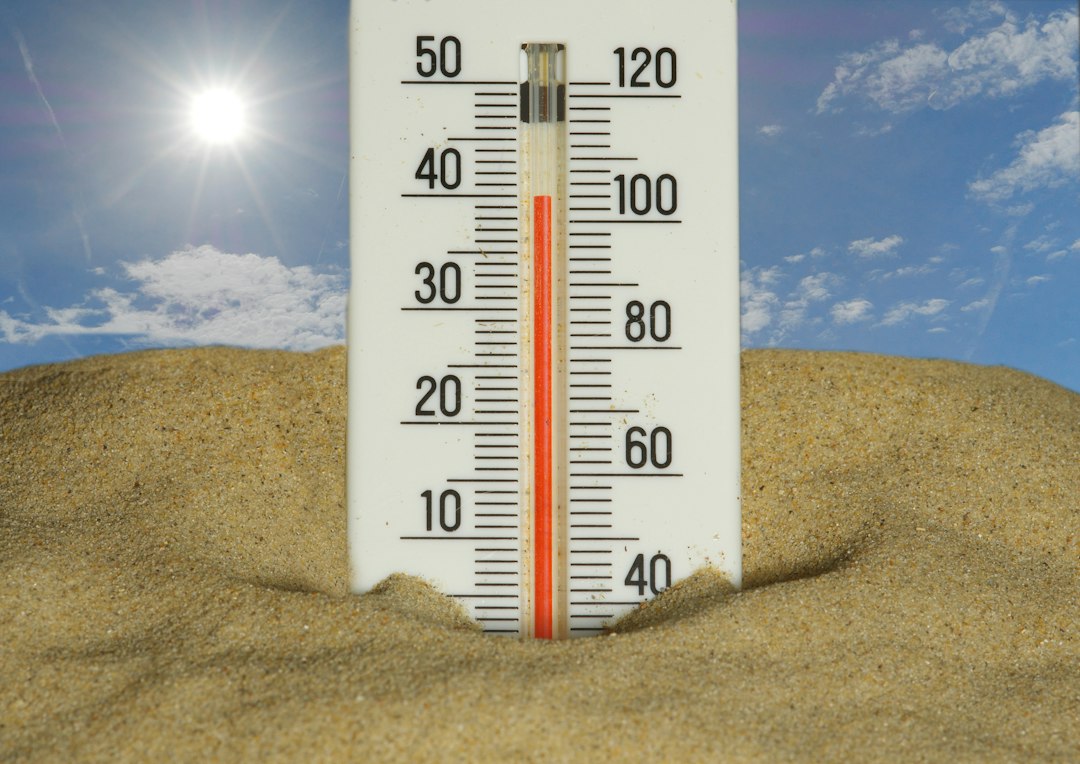
The Kola Superdeep Borehole, a testament to human curiosity and scientific ambition, stands as a monumental achievement in geological exploration. Located on the Kola Peninsula in Russia, this ambitious project delved deeper into the Earth’s crust than any other artificial excavation, pushing the boundaries of what was known about our planet’s interior. While the primary goal was to understand the composition and structure of the continental crust, the borehole unexpectedly yielded a startling discovery: an extreme temperature that tested the very limits of the drilling equipment and the scientific understanding of the Earth’s inner workings. The Kola Borehole, therefore, not only holds the record for the deepest man-made hole but also for the record temperature encountered, reaching a scorching 180°C.
The story of the Kola Superdeep Borehole is rooted in the geopolitical climate of the Cold War and the fervent pursuit of scientific knowledge that characterized the era. Driven by a desire to understand the Earth’s internal structure, particularly the transition zone between the crust and the mantle, Soviet scientists embarked on what would become a decades-long undertaking. The decision to drill on the Kola Peninsula was strategic, chosen for its geological stability and its representative composition of the Baltic Shield, an ancient and well-exposed part of the Earth’s crust. The initial impetus for such an endeavor was multifaceted, encompassing not only fundamental geological inquiry but also the potential for uncovering new resources and understanding seismic activity.
A Cold War Endeavor, Fueled by Scientific Ambition
The race for scientific supremacy between the United States and the Soviet Union extended beyond space exploration to the very heart of the Earth. The Kola Borehole was conceived as a monumental scientific project, a deliberate and sustained effort to peer beneath the surface and gather unprecedented data. The ambition was to understand the composition, density, and physical properties of the Earth’s crust, information that had previously been inferred only through indirect methods like seismic wave analysis. The project was initiated in 1970, a period when deep drilling technology was still in its nascent stages, making the undertaking even more audacious.
Strategic Location: The Baltic Shield’s Secrets
The Kola Peninsula was not chosen at random. It offered a rare opportunity to study a vast and ancient geological formation, the Baltic Shield. This shield is composed of Precambrian rocks, some of the oldest on Earth, providing a window into the early history of our planet. Its relative geological stability meant that the borehole would penetrate through layers formed over billions of years, offering a unique cross-section of the continental crust. The consistent geological composition of the shield also made it an ideal location for obtaining reliable and representative data, minimizing the influence of localized geological anomalies.
The Technological Challenge: Pushing the Limits of Engineering
Drilling to such extreme depths presented immense technological hurdles. The immense pressure exerted by the overlying rock, the abrasive nature of the geological strata, and the sheer difficulty of extracting samples from such depths required constant innovation in drilling equipment and techniques. The Soviet Union invested heavily in developing specialized drill bits, drilling fluids, and logging tools capable of withstanding the harsh subterranean environment. The project demanded a level of engineering prowess and perseverance that was truly extraordinary for its time, pushing the boundaries of what was considered technically feasible.
The Kola Borehole, the deepest man-made hole on Earth, has revealed fascinating insights into the temperature and geological conditions at extreme depths. As researchers have drilled deeper, they have encountered temperatures exceeding 180 degrees Celsius, which raises questions about the microbial life that might exist in such harsh environments. This topic is further explored in a related article that discusses ancient microbial blooms and their implications for understanding life in extreme conditions. For more information, you can read the article here: The Silent Plague: Ancient Microbial Bloom.
The Deepest Descent: A Record-Breaking Borehole
The Kola Superdeep Borehole ultimately achieved an astonishing depth, far surpassing any previous drilling effort. The project’s continuous pursuit of depth, inch by painstaking inch, is a testament to the unwavering dedication of the scientists and engineers involved. The sheer scale of the excavation is almost incomprehensible, representing a significant intrusion into the Earth’s lithosphere. The various stages of drilling and the challenges encountered at each significant depth mark the progress of this extraordinary scientific quest.
Reaching Unprecedented Depths: The Quest for the Moho
The primary objective of the Kola Borehole was to reach the Mohorovičić discontinuity (Moho), the boundary between the Earth’s crust and the upper mantle. This boundary, inferred from seismic data, represented a frontier of geological understanding. The project’s ambition was to physically sample this boundary, to directly observe and analyze the transition from continental crust to mantle material. While the ultimate goal of reaching the Moho was not fully achieved due to insurmountable technical challenges, the borehole still penetrated to depths that provided invaluable insights. The main borehole reached a depth of 12,262 meters (approximately 7.6 miles) in 1989, making it the deepest artificial hole on Earth.
Multiple Boreholes and Stages of Progress
The Kola Superdeep Borehole was not a single, monolithic drill. It involved a series of progressively deeper boreholes, starting with shallower ones to refine techniques and gather initial data. As the project advanced, new boreholes were drilled, often branching off from previous ones to explore different geological formations or to overcome obstacles encountered in earlier attempts. This multi-stage approach allowed for the gradual accumulation of knowledge and the adaptation of drilling technologies as the project progressed. The culmination of these efforts was the main scientific borehole, the one that achieved record-breaking depth and temperature.
The Challenges of Deep Drilling: Pressure, Heat, and Stability
The deeper the drill went, the more formidable the challenges became. The lithostatic pressure, the pressure exerted by the weight of the overlying rock, increased significantly, threatening to crush the borehole casing. The temperature also rose steadily, creating a hostile environment for drilling equipment and personnel. Maintaining the stability of the borehole walls in fractured and highly stressed rock was another constant concern. Overcoming these obstacles required ingenious solutions and a relentless spirit of problem-solving.
The Unexpected Inferno: Record Temperature of 180°C
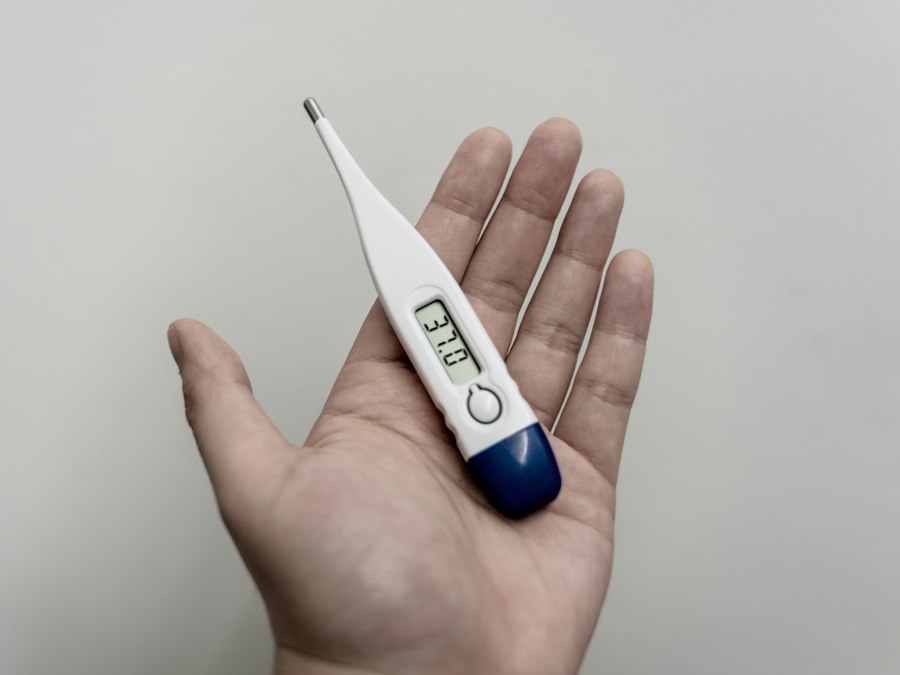
As the drill bit descended deeper into the Earth’s crust, the temperature readings began to climb at an alarming rate. What was initially expected to be a gradual increase in temperature, consistent with geothermal gradients, soon became a dramatic escalation. The discovery of an unprecedented temperature of 180°C (356°F) at the bottom of the Kola Borehole was a scientific revelation, challenging existing models of the Earth’s internal heat distribution. This unexpected inferno presented significant operational difficulties and sparked new scientific questions.
Geothermal Gradients: The Expected Rise in Temperature
Geologists had long understood that temperature increases with depth within the Earth’s crust. This phenomenon, known as the geothermal gradient, is primarily caused by the heat radiating from the Earth’s core and radioactive decay within the crustal rocks. However, the rate of this temperature increase varies considerably depending on the geological setting. On the Kola Peninsula, scientists anticipated a relatively predictable geothermal gradient based on the geological formations present.
The Anomaly: Exceeding All Expectations
The temperature readings at the Kola Borehole began to diverge significantly from the predicted geothermal gradient at certain depths. The increase was far steeper than anticipated, suggesting an unknown heat source or a different thermal regime than previously understood for the region. By the time the main borehole reached its maximum depth, the thermometer registered a staggering 180°C, a temperature far exceeding the typical geothermal gradient for such depths in continental crust. This discovery was a significant anomaly that required extensive scientific investigation.
Implication for Drilling: A Race Against Heat
The extreme temperature presented a formidable challenge to the ongoing drilling operations. Standard drilling fluids, designed to cool the drill bit and lubricate the process, struggled to cope with such intense heat. The drill bits themselves, made of specialized alloys, were subjected to immense thermal stress, leading to premature wear and frequent breakages. The integrity of the borehole casing was also a concern, as the extreme heat could potentially compromise its structural stability. The drilling had to be meticulously managed to mitigate the effects of this unexpected inferno.
Scientific Revelations: What the Heat Told Us
The record-breaking temperature at the Kola Borehole was not merely an operational headache; it was a profound scientific revelation. This unexpected heat prompted a re-evaluation of existing geological models and offered new insights into the composition and thermal processes of the Earth’s crust. The data gathered from this extreme environment provided a unique opportunity to test hypotheses and challenge long-held assumptions.
Questioning Geothermal Models: A New Understanding of Heat Flow
The unusually high temperatures at Kola challenged prevailing models of terrestrial heat flow. Scientists had to consider explanations for this anomaly, including the possibility of unusually high concentrations of radioactive elements in the subsurface rocks or the presence of deeper heat sources influencing the shallower crust. The data from Kola suggested that our understanding of how heat is distributed and transferred within the Earth’s crust was incomplete. It implied that geothermal gradients could be far more variable and complex than previously assumed.
The Role of Water and Metamorphism: Unexpected Discoveries
One of the most surprising discoveries at depth was the presence of water trapped within the rock strata. At these extreme temperatures and pressures, water behaves differently, acting as a solvent and influencing rock chemistry and physical properties. The high-temperature, high-pressure water played a crucial role in the metamorphic processes occurring in the deep crust. Scientists observed evidence of extensive metamorphism – the transformation of existing rock types into new mineral assemblages due to heat and pressure. This revealed that geological processes at such depths were far more dynamic than anticipated.
Evidence of Ancient Life: Microfossils in Extreme Conditions
Perhaps one of the most astonishing findings from the Kola Borehole, linked to the extreme temperature and pressure, was the discovery of fossilized microorganisms at depths previously thought to be devoid of life. These ancient microfossils, found in fluid-filled cavities within the rocks, suggested that life could exist and persist in environments that humans would consider utterly inhospitable. This discovery expanded the known boundaries of habitability on Earth and had implications for the search for extraterrestrial life. The extreme conditions of temperature and pressure, combined with the presence of trapped water, created a unique niche for these resilient organisms.
The Kola Borehole, known for being the deepest artificial point on Earth, has revealed fascinating insights into the temperature variations found at extreme depths. As researchers delve deeper into the Earth’s crust, they encounter temperatures that can reach up to 180 degrees Celsius, raising questions about the geological processes at play. This exploration of extreme environments is reminiscent of the challenges faced by ancient mariners, who navigated uncharted waters using rudimentary maps. For a deeper understanding of how ancient navigators approached the unknown, you can read more in this related article on ancient mariners’ maps.
The Legacy of Kola: A Monument to Scientific Endeavor
| Depth (meters) | Temperature (°C) | Notes |
|---|---|---|
| 0 | 5 | Surface temperature |
| 1000 | 25 | Temperature increases with depth |
| 5000 | 70 | Measured temperature at mid-depth |
| 10000 | 180 | High geothermal gradient observed |
| 12000 | 250 | Near bottom temperature |
| 12262 | 180 | Reported bottom temperature (some sources) |
Although the Kola Superdeep Borehole project was eventually terminated in the early 1990s due to a combination of funding issues and the immense technical challenges, its legacy is undeniable. The data collected and the lessons learned from this audacious undertaking continue to inform geological research and inspire future generations of scientists. The borehole stands as a powerful symbol of human curiosity and the relentless pursuit of knowledge, even in the face of extreme adversity.
Operational Challenges and Eventual Termination
The extreme temperatures, combined with the vast expenses and the political and economic shifts occurring in Russia at the time, ultimately led to the cessation of drilling operations. The project, which had consumed significant resources for over two decades, became a casualty of changing priorities. Despite the successful drilling to a remarkable depth, the ultimate goal of reaching the Moho remained unfulfilled. The site was eventually sealed off, leaving behind a silent monument to a monumental scientific endeavor.
Lasting Contributions to Earth Science
The scientific data gathered from the Kola Borehole has had a lasting impact on our understanding of the Earth’s crust. The borehole provided the first direct samples of deep continental crust, offering invaluable information on its composition, structure, and history. The unexpected temperature readings forced a re-evaluation of geothermal models and the thermal processes within the Earth. The discovery of fluid-filled cavities and trapped water at great depths also opened new avenues of research into hydrogeology and deep subsurface environments.
Inspiring Future Exploration: Pushing the Boundaries
The Kola Superdeep Borehole serves as a powerful inspiration for future geological exploration. It demonstrated the immense value of deep drilling as a scientific tool and highlighted the potential for unexpected discoveries when pushing the boundaries of human knowledge. The project’s success, despite its ultimate termination, proved that ambitious scientific goals, even those that seem insurmountable, can be achieved through sustained effort and innovation. The record temperature of 180°C at Kola is a stark reminder of the dynamic and often surprising nature of our planet’s interior, a constant invitation to explore further.

They Drilled 12 KM Into Earth — Then Everything Changed
FAQs
What is the temperature at the bottom of the Kola Borehole?
The temperature at the bottom of the Kola Borehole reaches approximately 180 degrees Celsius (356 degrees Fahrenheit).
Why is the temperature so high at the bottom of the Kola Borehole?
The high temperature at the bottom of the Kola Borehole is due to the geothermal gradient, which is the rate at which the Earth’s temperature increases with depth. In this region, the geothermal gradient is higher than average, leading to the extreme temperatures.
How deep is the Kola Borehole?
The Kola Borehole is approximately 12 kilometers (7.5 miles) deep, making it one of the deepest boreholes ever drilled.
What was the purpose of drilling the Kola Borehole?
The Kola Borehole was drilled as a scientific research project to study the Earth’s crust and mantle, as well as to explore the possibility of drilling to even greater depths.
What did scientists discover from studying the temperature at the bottom of the Kola Borehole?
Studying the temperature at the bottom of the Kola Borehole provided valuable insights into the Earth’s geothermal activity and helped scientists better understand the Earth’s internal structure and processes.