
The Aral Sea, once the world’s fourth-largest lake, stands as a stark testament to the devastating consequences of ambitious, yet ultimately ill-conceived, Soviet agricultural policies. What began as a grand vision to transform arid lands into productive cotton fields ultimately led to an ecological catastrophe of immense proportions, leaving a lasting scar on the landscape and the lives of those who depended on its bounty. The story of the Aral Sea is a cautionary tale, a somber reminder of humanity’s capacity for environmental destruction when ambition overrides ecological wisdom.
A Thriving Ecosystem and a Jewel of Central Asia
Before the Soviet era, the Aral Sea was a vibrant and ecologically rich body of water. Fed by two mighty rivers, the Amu Darya and the Syr Darya, it teemed with diverse fish populations, supporting a thriving fishing industry that provided sustenance and livelihood for the surrounding communities. Its waters were a source of life in a region that was otherwise characterized by harsh desert conditions. The Aral Sea was not merely a geographical feature; it was the heart of an ecosystem, a source of cultural identity, and a vital economic engine for the people of Uzbekistan and Kazakhstan. The unique saline environment supported specialized flora and fauna, and its presence moderated the regional climate, bringing cooler summers and milder winters. The shores of the Aral Sea were dotted with bustling port towns, lively markets, and a sense of prosperity deeply intertwined with the health of the lake.
The Soviet Imperative: Cotton as the White Gold
In the mid-20th century, the Soviet Union, under Nikita Khrushchev and later Leonid Brezhnev, embarked on an ambitious plan to expand agricultural production, particularly cotton cultivation. Cotton, dubbed “white gold,” was deemed crucial for the Soviet economy, providing a valuable export commodity and raw material for the burgeoning textile industry. The vast, arid plains of Central Asia, with their abundant sunshine, were identified as ideal locations for this expansion. However, the success of this endeavor hinged on a reliable and plentiful supply of water, a resource that was scarce in this desert region. This fundamental need set the stage for the large-scale diversion of the Amu Darya and Syr Darya rivers, the lifeblood of the Aral Sea. The ideological drive for self-sufficiency and agricultural dominance within the Soviet bloc fueled this ambitious, and ultimately unsustainable, project.
The Grand Design: A Network of Canals and Irrigation Systems
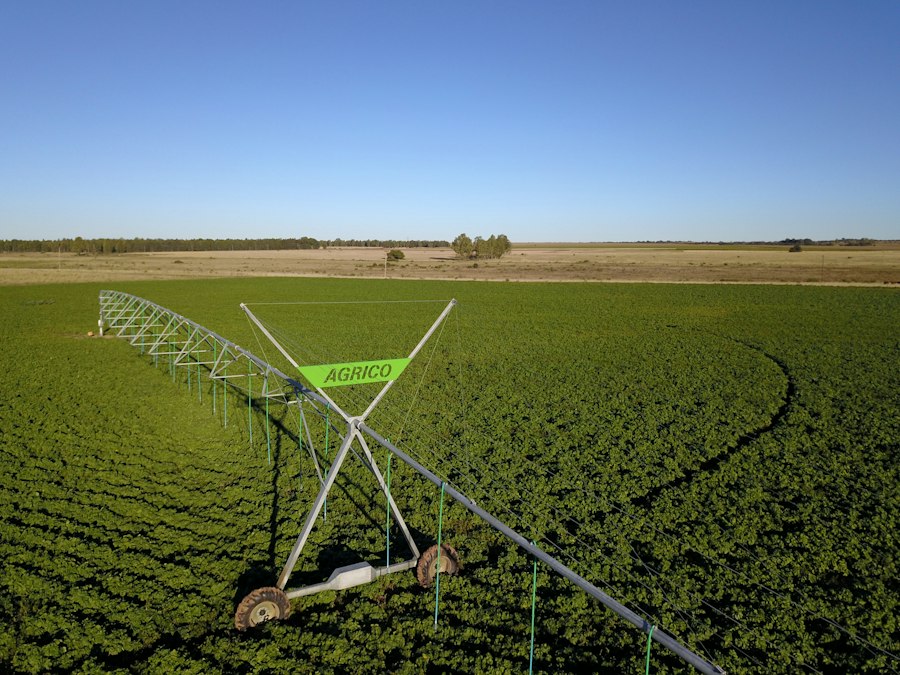
To achieve its cotton-growing ambitions, the Soviet government initiated an unprecedented program of water engineering. Thousands of kilometers of canals, dams, and pumping stations were constructed across the region. The most significant of these was the Karakum Canal, the largest irrigation canal in the world at the time, designed to carry water from the Amu Darya across Turkmenistan. The intent was to irrigate vast tracts of land, transforming barren deserts into fertile cotton fields. These projects were hailed as triumphs of Soviet engineering and socialist planning, demonstrating the ability of the state to conquer nature for the benefit of its people. The sheer scale of these undertakings was staggering, involving immense labor and resources, all geared towards the singular goal of maximizing cotton output.
The environmental disaster of the Aral Sea, largely attributed to the Soviet Union’s extensive irrigation projects, serves as a stark reminder of the consequences of mismanaged natural resources. A related article that delves into the lessons we can learn from this historical event in the context of climate change is available at Learning from History: Climate Change Lessons. This piece explores how the Aral Sea’s decline highlights the importance of sustainable practices in agriculture and water management to prevent similar ecological catastrophes in the future.
The Unforeseen Consequences: A Shrinking Sea
The Great Diversion: Stealing the Rivers’ Flow
The construction and operation of the extensive irrigation network had a profound and devastating impact on the water levels of the Aral Sea. The Amu Darya and Syr Darya rivers, which once flowed robustly into the lake, were systematically diverted to irrigate the cotton fields. The Karakum Canal alone siphoned off an enormous volume of water from the Amu Darya. This diversion was not a gradual process; it was a large-scale, systematic redirection of water that drastically reduced the inflow to the Aral Sea. The justification was clear: water for crops was prioritized over the health of the lake. Soviet planners, focused on immediate economic gains, failed to adequately consider the long-term ecological implications of such massive water abstraction.
The Aral Sea’s Retreat: A Visual and Ecological Catastrophe
The consequences of this water diversion were swift and visible. The Aral Sea began to shrink at an alarming rate. Within decades, its surface area was reduced by more than 70%, and its volume plummeted by over 80%. What was once a vast inland sea became a collection of increasingly saline puddles and vast expanses of dry, cracked earth. The receding shoreline left behind ghost towns, abandoned fishing fleets, and a stark, desolate landscape. The shrinkage was not uniform, creating distinct eastern and western basins that became increasingly isolated and hypersaline. The dramatic decline in water levels was a direct and undeniable consequence of the Soviet irrigation policies.
The Rise of Salinity: A Poisoned Chalice
As the water receded, the salt concentration in the remaining Aral Sea increased dramatically. The inflowing rivers brought dissolved salts, and as the water evaporated, these salts became concentrated. The salinity of the Aral Sea eventually exceeded that of ocean water, making it inhospitable to most aquatic life. Fish populations, once abundant, were decimated. Species that had thrived for centuries were pushed to the brink of extinction or disappeared altogether. The hypersaline conditions turned the once-productive waters into a toxic environment, a poisoned chalice for the ecosystem.
The Ecological Fallout: A Desert Reclaims its Own
The Salt and Dust Storms: A Toxic Legacy
The dry, exposed seabed of the Aral Sea became a source of powerful dust and salt storms. Winds picked up toxic dust laden with agricultural chemicals, pesticides, and salts from the former lakebed and carried them for hundreds, even thousands, of kilometers. These storms had devastating consequences for human health, causing respiratory illnesses, cardiovascular problems, and various cancers in the affected populations. The land surrounding the Aral Sea became increasingly arid and infertile, further exacerbating the region’s environmental challenges. The former seabed transformed into a vast, toxic desert, a constant reminder of the ecological damage wrought.
The Collapse of Fisheries and Regional Economy
The demise of the Aral Sea led to the collapse of its once-thriving fishing industry. Ports that were once bustling with activity became derelict, their docks leading to dry land. Thousands of fishermen lost their livelihoods, and the entire regional economy, which had been heavily dependent on the lake, suffered a catastrophic blow. The ripple effects were felt far beyond the immediate fishing communities, impacting related industries and the overall economic stability of the region. The loss of the Aral Sea was not just an ecological tragedy; it was an economic and social disaster.
The Impact on Biodiversity: Extinction and Despair
The Aral Sea was home to a unique and diverse array of flora and fauna. The rapid increase in salinity and the loss of habitat led to the extinction of many endemic species. The ecological balance was irrevocably disrupted, and the once-rich biodiversity was replaced by a barren, lifeless landscape. The loss of these species represented not only a diminishment of the planet’s natural heritage but also a profound ecological loss for the region. The dream of abundant life had been replaced by a stark reality of extinction.
The Human Cost: Health, Livelihoods, and Displacement

Public Health Crisis: Respiratory and Other Illnesses
The toxic dust and salt storms emanating from the Aral Sea’s dried seabed created a severe public health crisis. Respiratory illnesses, including asthma and bronchitis, became rampant. The presence of agricultural chemicals and heavy metals in the dust also contributed to increased rates of cancer, birth defects, and other serious health conditions. The once-vibrant communities surrounding the sea were forced to grapple with a pervasive sense of ill health and a shortened life expectancy. The human toll of the ecological devastation was profound and long-lasting.
Loss of Livelihoods and Economic Hardship
The collapse of the fishing industry and the increasing desertification of the surrounding land led to widespread unemployment and economic hardship. Many people were forced to abandon their homes and seek opportunities elsewhere, leading to significant migration and social disruption. The traditional way of life, deeply intertwined with the Aral Sea, was irrevocably altered, leaving many communities struggling to adapt to their new, impoverished reality. The economic engine of the Aral Sea had been shut down, leaving a vacuum filled with despair.
Climate Change and Environmental Displacement
The Aral Sea played a significant role in moderating the regional climate. Its disappearance has led to more extreme temperature fluctuations, hotter summers, and colder winters. The encroaching desertification also contributes to climate change on a broader scale. Furthermore, the degraded environment has rendered many areas uninhabitable, forcing further displacement of populations and creating an ever-growing environmental refugee crisis within Central Asia. The ecological imbalance has had far-reaching consequences for the climate and the human populations dependent on it.
The environmental catastrophe of the Aral Sea, largely attributed to the Soviet Union’s extensive irrigation projects, serves as a stark reminder of the consequences of human intervention in nature. As rivers were diverted for agricultural purposes, the once-thriving body of water began to shrink dramatically, leading to devastating ecological and economic impacts on the surrounding regions. For a deeper understanding of how historical maps can influence our perception of geography and resource management, you might find the discussion in this article on the Piri Reis map particularly enlightening. By examining the interplay between historical navigation and modern environmental challenges, we can gain valuable insights into the importance of sustainable practices. You can read more about it here.
Towards Recovery? A Glimmer of Hope and Lingering Challenges
| Metric | Value | Details |
|---|---|---|
| Original Surface Area (1960) | 68,000 km² | One of the world’s largest inland seas before Soviet irrigation projects |
| Surface Area (2000) | 10,000 km² | Reduced to less than 15% of original size due to water diversion |
| Water Diversion for Irrigation | Up to 90% | Percentage of inflow from Amu Darya and Syr Darya rivers diverted for cotton and agriculture |
| Decrease in Water Volume | ~80% | Volume of water in the Aral Sea dropped drastically from 1960 to 2000 |
| Increase in Salinity | From 10 g/L to 45 g/L | Salinity increased more than fourfold, killing most aquatic life |
| Loss of Fish Species | ~24 species | Most native fish species disappeared due to habitat loss and salinity |
| Area of Exposed Seabed | ~30,000 km² | Former seabed turned into desert, causing dust storms and health issues |
| Population Affected | ~1.5 million | People dependent on the Aral Sea fisheries and agriculture impacted |
Partial Restoration Efforts: A Small Step Forward
In recent decades, there have been concerted efforts to address the Aral Sea crisis. The most significant success has been the partial restoration of the northern Aral Sea in Kazakhstan, thanks to the construction of the Kok-Aral Dam. This dam has helped to retain more water in the northern basin, leading to a slight increase in water levels and a decrease in salinity. This success, while limited, offers a glimmer of hope and demonstrates that some degree of ecological recovery is possible with dedicated effort and investment.
The Scale of the Challenge: The Aral Sea’s Enduring Scar
Despite these partial successes, the challenges facing the Aral Sea remain immense. The southern Aral Sea, largely in Uzbekistan, continues to shrink and faces a far more dire situation. The vast distances and the sheer scale of the environmental damage make a complete restoration unlikely. The ecological, economic, and human costs of the Soviet irrigation policies will continue to be felt for generations. The Aral Sea’s scar on the landscape and its impact on the lives of millions serve as a potent and enduring lesson.
International Cooperation and Future Sustainability
Addressing the ongoing Aral Sea crisis requires sustained international cooperation and a fundamental shift towards sustainable water management practices. The countries of Central Asia must work together to manage their shared water resources more equitably and efficiently. Investing in water-saving technologies, promoting drought-resistant crops, and adopting a more holistic approach to environmental stewardship are crucial for the long-term health of the region. The Aral Sea’s story is not just a history lesson; it is a call to action for a more responsible and sustainable future.
A Dam Brought the Aral Sea Back—But Only Part of It
FAQs
What caused the destruction of the Aral Sea?
The destruction of the Aral Sea was primarily caused by the Soviet Union’s extensive irrigation projects in the region, which diverted water from the two main rivers that fed the sea.
How did Soviet irrigation projects contribute to the destruction of the Aral Sea?
Soviet irrigation projects diverted water from the Amu Darya and Syr Darya rivers to support cotton and rice cultivation in the arid region, leading to a significant decrease in the water flow into the Aral Sea.
What were the environmental consequences of the shrinking of the Aral Sea?
The shrinking of the Aral Sea led to a range of environmental consequences, including the exposure of toxic chemicals and pesticides in the exposed seabed, the loss of biodiversity, and the creation of a harsh desert landscape.
How did the shrinking of the Aral Sea impact the local communities?
The shrinking of the Aral Sea had devastating effects on the local communities, including the loss of livelihoods for fishermen and farmers, increased health problems due to the exposure to toxic chemicals, and the displacement of populations.
What efforts have been made to address the destruction of the Aral Sea?
Efforts to address the destruction of the Aral Sea have included the construction of dams and reservoirs to restore water flow, the promotion of sustainable agriculture practices, and international cooperation to mitigate the environmental and social impacts of the disaster.