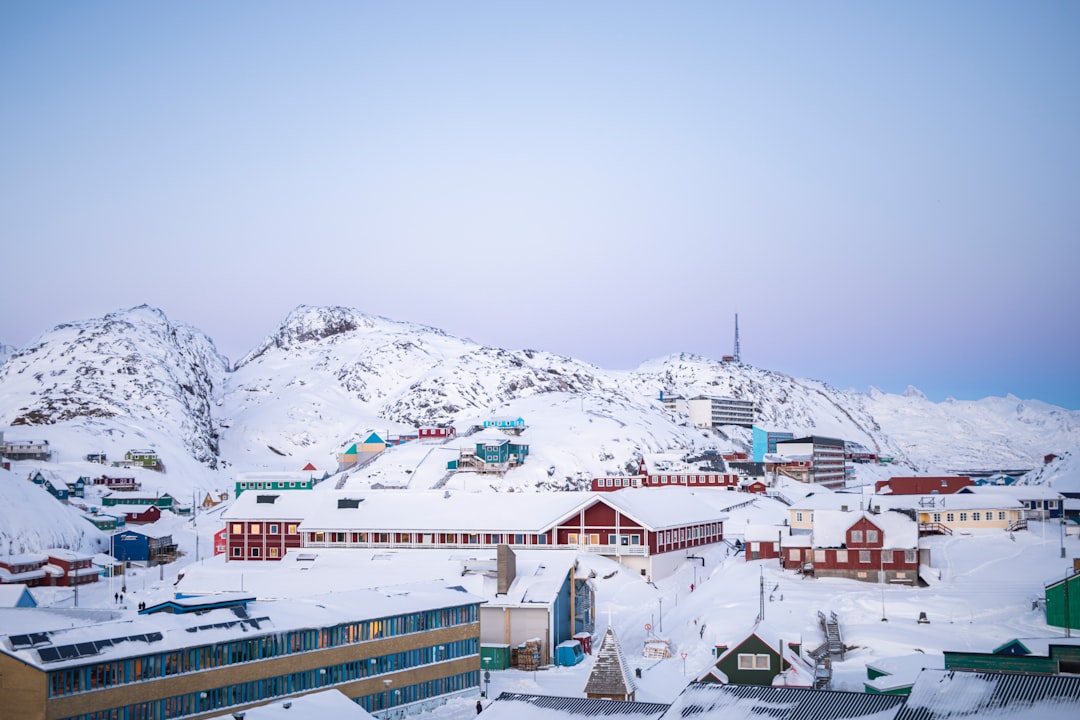
Greenland’s resource development is a complex tapestry woven with threads of immense potential and significant challenges. For decades, this Arctic nation, largely covered by an ice sheet, has been a subject of fascination, not only for its unique environment but also for the mineral and hydrocarbon riches believed to lie beneath its frozen surface. As the ice recedes, exposing more of its geological bounty, Greenland finds itself at a pivotal moment, its economic future poised to be reshaped by the extraction of these resources. The global demand for rare earth elements, minerals crucial for modern technologies like electric vehicles and high-tech devices, coupled with the potential for oil and gas exploration, has cast a spotlight on Greenland’s vast, largely untapped reserves. This article will delve into the multifaceted economic impact of Greenland’s resource development, examining its promising contributions to the national economy, the infrastructure required, the environmental considerations, and the social implications for its people.
Greenland holds an estimated treasure trove of natural resources, a veritable dragon’s hoard waiting to be unlocked. The most frequently cited resources include rare earth elements (REEs), iron ore, zinc, copper, gold, and diamonds. The island’s geological makeup, a consequence of its position on the North American tectonic plate and millennia of geological processes, has resulted in deposits of minerals that are increasingly sought after in the global market.
Rare Earth Element Deposits: The Foundation of Future Technology
The presence of significant rare earth element deposits is perhaps the most compelling driver for resource development in Greenland. REEs are not necessarily “rare” in the sense of scarcity, but rather in the difficulty and cost of their extraction and processing for commercial use. Greenland’s Kvanefjeld project, for instance, is considered one of the world’s largest undeveloped sources of REEs, including critical elements like neodymium, praseodymium, and dysprosium, which are vital components in magnets used in wind turbines, electric vehicle motors, and consumer electronics. The successful development of these deposits could position Greenland as a key player in the global supply chain for these essential materials, an archipelago nation becoming the linchpin of a green technological future.
Hydrocarbon Reserves: A Contested Frontier
Beyond minerals, Greenland’s offshore waters are also believed to hold substantial hydrocarbon reserves, particularly oil and natural gas. Seismic surveys have indicated the potential for significant finds, mirroring the discoveries made in neighboring Arctic regions. The prospect of hydrocarbon extraction injects a different economic dynamic, one that carries both immense financial promise and considerable environmental risk. While oil and gas revenues could provide a substantial boost to the Greenlandic economy, they also raise questions about the island’s commitment to its pristine environment and its role in the global transition to renewable energy. This duality presents a complex economic equation, with the lure of immediate financial gain facing off against long-term ecological and sustainable development strategies.
Other Mineral Wealth: Diversifying Economic Prospects
While REEs and hydrocarbons often dominate discussions, Greenland’s mineral wealth extends further. Deposits of high-grade iron ore, such as those explored at the Isukasi project, offer a more traditional avenue for resource extraction. Zinc, copper, and gold deposits also present opportunities for diversification, potentially reducing the economic reliance on a single commodity. The successful development of a diversified mining sector could act as a crucial ballast, stabilizing the economy against fluctuations in the market for any one specific resource. Each mineral, in its own way, can contribute to building a more robust and varied economic landscape for Greenland.
Greenland’s economy is undergoing significant changes due to various factors, including climate change and the potential for resource extraction. A related article that delves deeper into the economic impact of these developments can be found at this link: Greenland’s Economic Transformation. This article explores how the melting ice caps are opening up new opportunities for mining and fishing, while also discussing the challenges faced by local communities as they navigate these changes.
Infrastructure Development: The Backbone of Resource Extraction
The ambitious pursuit of Greenland’s natural resources is inextricably linked to the development of its often-rudimentary infrastructure. Extracting resources from remote, often ice-covered regions requires substantial investment in transportation networks, energy supply, and processing facilities. This need for infrastructure is not merely about facilitating mining operations; it represents a foundational element that can unlock broader economic opportunities for the entire nation.
Transportation Networks: Connecting the Interior to the World
The vastness of Greenland and its challenging terrain present significant logistical hurdles. The development of deep-water ports, capable of handling large cargo vessels, is paramount for the export of mined materials and the import of necessary equipment and supplies. Expanding and improving road networks, where feasible, would connect inland mining sites to coastal ports, streamlining the flow of goods and personnel. Investments in air transport infrastructure, including upgraded airports and more frequent routes, are also crucial for connecting remote communities and facilitating the movement of skilled labor. Without robust transportation, the mineral wealth remains like a king’s ransom buried deep within a fortress, difficult to access and even harder to move.
Energy Supply: Powering the Extraction and Beyond
Resource extraction, particularly mining and potential hydrocarbon processing, is an energy-intensive endeavor. Developing reliable and sustainable energy sources to power these operations is a critical challenge. This could involve a mix of renewable energy sources, such as wind and hydropower, alongside other energy solutions. The development of the energy infrastructure to support resource extraction also has the potential to benefit local communities, providing access to electricity and reducing reliance on expensive imported fuels. This dual-purpose infrastructure development is a key aspect of maximizing the economic benefits of resource projects.
Port and Processing Facilities: Enabling Global Market Access
To effectively participate in the global commodity market, Greenland needs world-class port facilities capable of loading and unloading massive ships. Beyond basic shipping, the development of processing facilities within Greenland could add significant value to extracted resources, transforming raw ore into intermediate or finished products. This would not only create local jobs but also allow Greenland to capture a larger share of the value chain, moving beyond simply being a supplier of raw materials to becoming a more integrated player in global industries. The establishment of such facilities is akin to building a sophisticated workshop in a remote land, enabling the transformation of raw potential into tangible economic output.
Economic Impact on Greenland’s GDP and Employment

The economic impact of successful resource development on Greenland’s Gross Domestic Product (GDP) and employment figures could be transformative, offering a pathway to greater economic self-sufficiency. Currently, Greenland is heavily reliant on block grants from Denmark and fisheries exports. Resource revenues have the potential to significantly diversify and bolster the national economy.
Diversification of the National Economy: Reducing Reliance on External Aid
The historical economic landscape of Greenland has been characterized by a narrow base of industries and a significant dependence on foreign assistance. The development of a robust mining and potentially hydrocarbon sector could dramatically alter this picture. Successful resource extraction would inject substantial revenue into the national coffers, reducing the reliance on Denmark’s block grant, which currently forms a substantial portion of the government’s budget. This shift could empower Greenland to pursue its own development agenda with greater autonomy.
Job Creation: Direct and Indirect Employment Opportunities
Resource development projects are typically labor-intensive, leading to the creation of numerous direct jobs in mining, exploration, construction, and processing. Furthermore, the increased economic activity generates indirect employment opportunities in supporting industries, such as logistics, catering, accommodation, and retail. This potential for job creation is particularly significant for Greenland, where unemployment rates can be a concern in some remote communities. The promise of a stable, well-paying job can be a powerful catalyst for social and economic upliftment.
Revenue Generation for Public Services: Investing in the Future
The increased tax revenues and royalties generated from resource extraction can be channeled back into public services, such as education, healthcare, and infrastructure development. This allows Greenland to invest in its own future, improving the quality of life for its citizens and building a more sustainable long-term economy. The economic benefits are not simply about the extraction itself, but about how those revenues are strategically reinvested to create a more prosperous society.
Environmental and Social Considerations: Navigating the Arctic Landscape

The economic allure of Greenland’s resources is tempered by significant environmental and social considerations. The Arctic is a fragile ecosystem, and resource development projects carry inherent risks that must be meticulously managed. Furthermore, the impact on Greenland’s indigenous population and their traditional livelihoods requires careful attention and meaningful engagement.
Environmental Risks and Mitigation Strategies: Protecting a Pristine Environment
The extraction of any natural resource carries potential environmental risks, and this is particularly true in the sensitive Arctic environment. Potential concerns include habitat disruption, water contamination, increased shipping traffic, and the risk of oil spills. Effective environmental impact assessments, rigorous regulatory frameworks, and the implementation of best practices in environmental management are crucial for mitigating these risks. The melting ice, while exposing resources, also exposes the environment to new vulnerabilities, making responsible stewardship paramount.
Impact on Marine Ecosystems
Offshore drilling operations and increased shipping associated with resource extraction can impact marine ecosystems. This includes potential threats to biodiversity, particularly for species like whales, seals, and seabirds that are vital to the Arctic food web and cultural heritage. Strict regulations on waste disposal, spill prevention, and monitoring of marine life are essential components of responsible development.
Land Use and Habitat Fragmentation
Onshore mining operations can lead to significant land disturbance, habitat fragmentation, and potential impacts on wildlife migration routes. Careful site selection, progressive rehabilitation of mined areas, and the establishment of ecological corridors are important strategies for minimizing these impacts. The landscape, once pristine, must be carefully managed to avoid permanent scars.
Social Impact and Indigenous Rights: Balancing Progress with Tradition
Greenland’s population consists primarily of Inuit people, whose culture and traditions are deeply intertwined with the Arctic environment. Resource development projects must be undertaken with respect for indigenous rights, involving meaningful consultation and ensuring that local communities benefit from the development. This includes considering the impact on traditional hunting and fishing grounds, cultural heritage sites, and the overall social fabric of communities. Genuine partnership and the empowerment of local communities are not just ethical imperatives but also crucial for the long-term sustainability and acceptance of resource projects.
Consultation and Benefit Sharing
Ensuring that indigenous communities are consulted throughout the planning and operational phases of resource projects is vital. Clear mechanisms for benefit sharing, such as employment preferences, training programs, and direct financial contributions to community development, can help ensure that resource wealth translates into tangible improvements for local populations.
Cultural Heritage Preservation
Resource development must be conducted in a manner that respects and preserves Greenland’s rich cultural heritage. This includes identifying and protecting archaeological sites, sacred natural areas, and other elements of cultural significance. The economic benefits should not come at the cost of erasing the cultural identity of the island’s inhabitants.
Greenland’s economic impact is a topic of growing interest, particularly as the region grapples with the effects of climate change and the potential for resource extraction. For a deeper understanding of how these factors intertwine, you can explore a related article that discusses the implications of these developments on local communities and global markets. This insightful piece can be found at Real Lore and Order, where you will discover more about the challenges and opportunities facing Greenland today.
Challenges and Opportunities in a Globalized World
| Metric | Value | Year | Notes |
|---|---|---|---|
| GDP | 2.7 billion | 2023 | Estimated Gross Domestic Product |
| GDP Growth Rate | 1.5% | 2023 | Annual economic growth |
| Unemployment Rate | 6.2% | 2023 | Percentage of labor force unemployed |
| Fishing Industry Contribution | 30% | 2023 | Percentage of GDP from fishing and seafood |
| Mining Sector Contribution | 15% | 2023 | Percentage of GDP from mining activities |
| Tourism Revenue | 150 million | 2023 | Income from tourism sector |
| Government Subsidies | 500 million | 2023 | Annual financial support from Denmark |
| Export Value | 1.2 billion | 2023 | Value of goods exported |
| Import Value | 1.5 billion | 2023 | Value of goods imported |
Greenland’s resource development journey is not occurring in isolation; it is deeply embedded within a complex globalized economic and political landscape. Navigating this environment presents both significant challenges and unique opportunities.
Global Market Volatility and Commodity Prices
The success of Greenland’s resource ventures is intrinsically linked to global commodity prices, which can be notoriously volatile. Fluctuations in the demand and price of minerals and hydrocarbons can significantly impact the profitability of extraction projects and, consequently, the revenue streams for the Greenlandic government. Building a resilient economy requires strategies that can weather these market storms.
Geopolitical Considerations and International Investment
Greenland’s emerging role as a resource supplier places it on the global geopolitical stage. Attracting foreign direct investment is crucial for funding large-scale resource projects, but this also involves navigating international relations and ensuring that investment agreements are fair and beneficial to Greenland. The potential for attracting investment from a diverse range of countries can reduce reliance on any single economic partner.
The Green Transition and Sustainable Resource Management
The global drive towards a green economy presents a paradox for hydrocarbon exploration but an opportunity for critical minerals. Greenland’s rare earth elements are essential for the technologies powering this transition. However, the extraction itself must be conducted with the highest environmental standards. The challenge lies in harnessing the economic potential of green technologies while minimizing the environmental footprint of their extraction. This is like trying to build a solar panel factory powered by clean energy – the end product is sustainable, but the production process must also be.
Developing Local Expertise and Capacity Building
To truly leverage the economic benefits of resource development, Greenland needs to build its own capacity in technical, managerial, and regulatory fields. Investing in education and training programs that equip Greenlandic citizens with the skills needed to participate in and manage resource projects is crucial for long-term economic empowerment and the creation of a sustainable local workforce. This ensures that Greenland is not just extracting resources but also building the intellectual capital to manage its own future.
In conclusion, the economic impact of Greenland’s resource development is a narrative in progress, a story still being written by the interplay of geological endowment, global demand, technological advancement, and the careful balancing of economic aspirations with environmental stewardship and social responsibility. While immense economic potential undoubtedly exists, it is an opportunity that demands a deep commitment to responsible practices, sustainable development, and the empowerment of Greenland and its people. The path forward will require astute navigation, a keen understanding of global markets, and an unwavering dedication to preserving the unique Arctic environment for future generations.
FAQs
What are the main industries driving Greenland’s economy?
Greenland’s economy is primarily driven by fishing, mining, and tourism. Fishing, especially shrimp and halibut, is the largest sector, while mining activities focus on minerals like zinc, lead, and rare earth elements. Tourism is growing due to Greenland’s unique Arctic environment.
How does climate change affect Greenland’s economic prospects?
Climate change impacts Greenland’s economy by altering natural resources and opening new opportunities. Melting ice increases access to mineral deposits and potential shipping routes, but it also threatens traditional fishing and hunting practices and poses environmental risks.
What role does the Greenland government play in the economy?
The Greenland government plays a significant role by managing natural resources, regulating industries, and providing public services. It also receives substantial financial support from Denmark, which helps sustain the economy and fund infrastructure and social programs.
How important is foreign investment to Greenland’s economic development?
Foreign investment is crucial for Greenland’s economic development, particularly in mining and infrastructure projects. International companies bring capital, technology, and expertise needed to exploit natural resources and develop new industries.
What challenges does Greenland face in diversifying its economy?
Greenland faces challenges such as geographic isolation, a small population, limited infrastructure, and dependence on a few key sectors. These factors make economic diversification difficult, requiring strategic planning and investment to develop new industries and reduce reliance on fishing and subsidies.