
The African Humid Period, a bygone era of lush savannas and abundant rainfall, stands as a testament to Earth’s dynamic climatic past. Its gradual demise, a complex interplay of orbital cycles and geological shifts, profoundly reshaped the continent, influencing landscapes, ecosystems, and ultimately, the trajectory of human evolution. Understanding this significant climate shift provides crucial insights into Earth’s climate system and the deep history of our species.
The African Humid Period, also known as the Green Sahara, was not a singular event but rather a series of recurring periods of increased humidity and rainfall across much of northern and eastern Africa, particularly during interglacial periods of the Pleistocene epoch. These periods were characterized by a significant expansion of vegetation, transforming arid and semi-arid regions into savannas, grasslands, and even woodlands. The Sahara Desert, now a vast expanse of sand, once harbored lakes, rivers, and thriving life.
The Driving Forces: Milankovitch Cycles and Their Influence
At the heart of these climatic oscillations lay the Milankovitch cycles. These are long-term, predictable variations in Earth’s orbit around the Sun and the tilt and wobble of its axis. Scientists have identified three primary cycles:
Eccentricity: The Elliptical Dance of Earth’s Orbit
The eccentricity of Earth’s orbit describes the degree to which it deviates from a perfect circle. Over cycles of roughly 100,000 and 400,000 years, Earth’s orbit elongates and then becomes more circular. When the orbit is more elliptical, the difference in solar radiation received during summer and winter can be more pronounced, leading to more extreme seasons. This variation, while subtle, plays a crucial role in initiating and sustaining glacial and interglacial periods.
Obliquity: The Tilt That Shapes the Seasons
Earth’s axial tilt, or obliquity, currently stands at approximately 23.5 degrees. This tilt is responsible for the seasons we experience. The angle of tilt fluctuates between 22.1 and 24.5 degrees over a cycle of about 41,000 years. Greater tilt results in more extreme seasonal differences – hotter summers and colder winters – while a lesser tilt leads to milder seasons. During periods of higher obliquity, the strong summer insolation in the Northern Hemisphere was particularly important in driving the African Humid Period.
Precession: The Wobble and the Timing of Solar Radiation
The Earth’s axis also undergoes a slow wobble, known as precession. This influences the timing of the solstices and equinoxes relative to Earth’s position in its orbit around the Sun. Over cycles of approximately 23,000 years, the Northern Hemisphere’s summer can occur when Earth is closest to the Sun (perihelion) or farthest away (aphelion). When Northern Hemisphere summers coincided with perihelion during periods of higher obliquity, the solar radiation received was maximized, leading to intensified monsoon activity.
The African Monsoon System: The Engine of the Green Sahara
The Milankovitch cycles acted as a trigger, but the African monsoon system was the engine that transformed the continent. The African monsoon is a complex regional climate pattern driven by differential heating between land and ocean, influenced by large-scale atmospheric circulation.
The Role of Tropical Easterly Waves
A key component of this system was the movement of tropical easterly waves, which originate in West Africa and propagate westward. During humid periods, these waves were able to penetrate further north into the Sahara, carrying moisture from the Atlantic Ocean.
Increased Rainfall and Surface Water
The intensified monsoon brought significantly higher rainfall to regions that are now hyperarid. This led to the formation and expansion of large lakes, such as ancient Lake Mega-Chad, and a network of rivers. Groundwater recharge also increased, sustaining these water bodies for extended periods.
Vegetation Response: From Desert to Savanna
The abundant water fueled the growth of a diverse range of vegetation. Vast grasslands and savannas emerged, supporting a rich ecosystem of herbivores and predators. Evidence from fossil pollen and charcoal suggests a dramatic shift in vegetation cover, with arid-adapted plants being replaced by more mesic species.
The end of the African Humid Period, a significant climatic shift that transformed the landscape and ecosystems of North Africa, has been a subject of extensive research. This transition not only affected the region’s environment but also had broader implications for human migration and cultural development. For a deeper understanding of how such climatic changes can influence economic and social structures, you might find it interesting to explore the article on the shift to Southern U.S. manufacturing, which discusses the impacts of environmental factors on economic trends. You can read it here: The Shift to Southern U.S. Manufacturing.
The Decline of the Green Sahara: A Gradual Transformation
The African Humid Period was not a permanent state. The very forces that drove its existence also contributed to its eventual decline. The gradual weakening of the Milankovitch cycles, coupled with subtle shifts in oceanic and atmospheric circulation, initiated a slow but inexorable return to arid conditions.
The Orbital Factor: Weakening Insolation
As Earth’s orbit moved through its cyclical variations, the intensity of solar radiation received in the Northern Hemisphere during summer began to decrease. This weakening insolation meant less energy was available to drive the strong monsoon circulation.
Shifting Perihelion and Aphelion
The precession of the equinoxes meant that Northern Hemisphere summers began to occur when Earth was closer to aphelion (farthest from the Sun), further reducing the amount of incoming solar radiation.
Decreasing Axial Tilt
A gradual decrease in Earth’s axial tilt also contributed to milder summers and winters, reducing the temperature gradients necessary to power the intense monsoon.
Oceanographic and Atmospheric Reorganizations
Beyond orbital influences, changes in ocean temperatures and atmospheric patterns played a significant role in the decline of the humid period.
Sea Surface Temperature Variations
Variations in sea surface temperatures in the Atlantic and Indian Oceans could have influenced atmospheric moisture content and the trajectory of monsoonal flows. Shifts in these temperatures could have weakened the moisture supply to the continent.
Changes in Atmospheric Circulation Patterns
The vast ice sheets that characterized glacial periods also influenced global atmospheric circulation. As these ice sheets retreated during interglacial periods, the pattern of atmospheric pressure and wind systems across Africa may have begun to shift, becoming less conducive to sustained rainfall.
The Role of Feedback Mechanisms
Once the initial decline began, several feedback mechanisms likely amplified the process, accelerating the transition to drier conditions.
Albedo Effect: The Snow-Darkness Paradox
As aridification progressed, large areas of vegetation were replaced by sand and rock. These lighter surfaces reflect more solar radiation (higher albedo) than darker vegetation or soil. This increased reflectivity leads to less absorption of solar energy, further cooling the surface and weakening the thermal contrast that drives monsoon formation. Conversely, the presence of vegetation and moisture leads to lower albedo, enhanced absorption, and stronger monsoon.
Soil Moisture Feedback
Decreased rainfall leads to reduced soil moisture. Dry soils heat up faster and less effectively transfer moisture to the atmosphere, further inhibiting cloud formation and precipitation. This creates a vicious cycle of drying.
Dust Storms and Atmospheric Aerosols
As the land surface became drier and vegetation cover decreased, wind erosion increased, leading to more frequent and intense dust storms. These dust particles in the atmosphere can have complex effects on climate. While some dust can scatter incoming solar radiation, leading to localized cooling, other types of aerosols can absorb radiation, leading to localized warming that can alter atmospheric circulation patterns in ways that further suppress rainfall.
Evidence of the African Humid Period and Its Demise

The scientific understanding of the African Humid Period and its end is built upon a diverse array of evidence gathered from paleoclimate archives. These records provide a tangible glimpse into the planet’s past climatic regimes.
Paleolake Sediments: A Watery History
The study of sediments from ancient lakebeds offers some of the most direct evidence.
Stratigraphy and Sedimentology
Layers of sediment reveal changes in water depth, salinity, and the types of organisms that inhabited the lakes. The presence of fine-grained, organic-rich sediments indicates periods of sustained high water levels and thriving aquatic life, characteristic of the humid period. Conversely, coarser, sandier layers suggest periods of desiccation and windblown deposition.
Fossil Remains: A Snapshot of Biodiversity
Fossilized remains of aquatic organisms like diatoms, ostracods, and fish within the lake sediments provide detailed information about past environmental conditions. The types of species found can indicate salinity levels, water temperature, and the overall availability of water.
Pollen Analysis: Vegetation Through Time
The analysis of fossilized pollen grains trapped in sediments provides a crucial record of past vegetation.
Palynological Studies
Museums and research institutions hold vast collections of pollen. Scientists can extract pollen from sediment cores and identify the types of plants that were dominant in a region at a given time. The presence of pollen from moisture-loving plants like grasses and trees indicates humid conditions, while an increase in pollen from arid-adapted shrubs and chenopods signifies drier periods.
Reconstructing Vegetation Zones
By analyzing pollen assemblages from different core depths, researchers can reconstruct the transitions between vegetation zones, mapping the expansion and contraction of forests, savannas, and deserts over millennia.
Speleothems: Stalagmites as Climate Recorders
Stalagmites and stalactites found in caves (speleothems) act as natural climate archives.
Isotopic Analysis
The oxygen and carbon isotopes within speleothems are sensitive to changes in temperature and rainfall. By analyzing the ratios of different isotopes, scientists can infer past precipitation amounts and temperatures. Higher precipitation and warmer temperatures are often associated with the humid periods.
Trace Element Analysis
Trace elements incorporated into the speleothem structure can also provide clues about past environmental conditions, such as changes in soil composition and vegetation cover.
Archaeological Evidence: Human Adaptability in a Changing World
The archaeological record provides a human dimension to these climatic shifts, showcasing how early hominins and later human societies adapted to changing environments.
Habitation Sites and Tools
The location and nature of archaeological sites can reveal patterns of human settlement and migration. During the African Humid Period, human populations likely expanded into previously arid regions, utilizing the abundant resources. As the climate dried, humans would have been forced to concentrate around permanent water sources or migrate to more favorable areas.
Evidence of Resource Utilization
Tools and artifacts found at ancient sites can indicate the resources available to past populations. The presence of fishing tools, for example, would point to the existence of lakes and rivers.
The Lasting Legacies of a Changing Climate
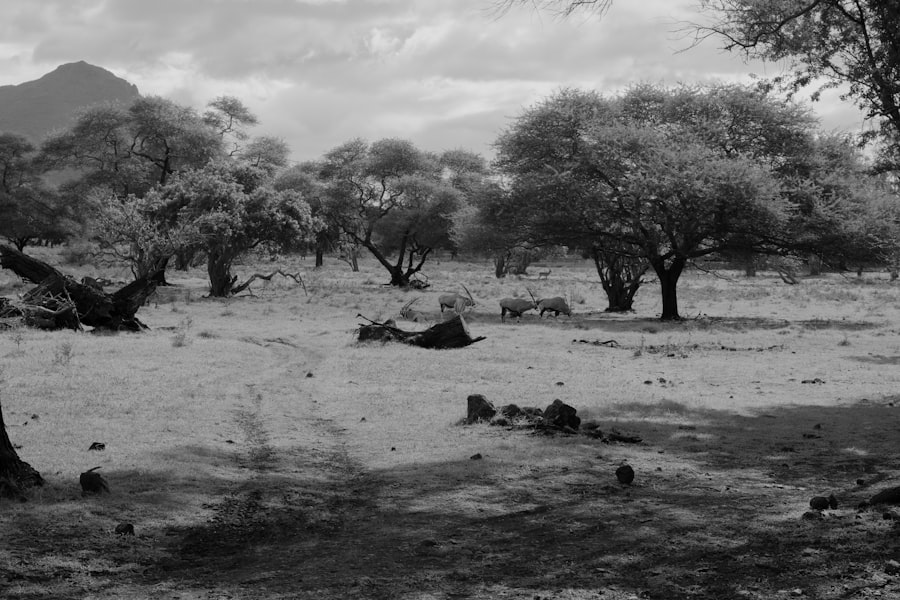
The end of the African Humid Period was not a singular, abrupt event but a protracted process that fundamentally reshaped the continent and had profound implications for the future of life, including our own species.
Reshaping the African Landscape
The most visible legacy of the decline of the Green Sahara is the desertification of vast swathes of northern and eastern Africa.
The Sahara Desert: A Modern Arid Icon
The Sahara, once a mosaic of grasslands and lakes, became the world’s largest hot desert. This transformation altered drainage patterns, removed large bodies of surface water, and led to the erosion of once-fertile soils.
Impact on Biodiversity
The changing climate led to the extinction of many species that were adapted to more humid conditions. Other species evolved to cope with drier environments, or migrated to more hospitable regions. This led to a significant restructuring of African biodiversity.
Implications for Human Evolution and Migration
The African Humid Period and its demise are intimately linked to the story of human evolution and migration out of Africa.
Dispersal Routes and Opportunities
The greening of the Sahara likely provided temporary corridors for early hominins and later Homo sapiens to disperse across the continent and potentially out of Africa during the humid phases. These lush periods could have facilitated population expansion and gene flow.
Pressures for Migration and Adaptation
Conversely, the subsequent drying periods would have exerted significant pressure on human populations, forcing them to adapt to scarcer resources, develop new hunting and gathering strategies, or migrate to areas where water and food were more readily available. This environmental pressure may have been a key driver for innovation and adaptation in early human societies.
The Story of the “Out of Africa” Hypothesis
The waxing and waning of habitable landscapes, driven by these climatic cycles, is a crucial factor in understanding the timing and routes of human migrations out of Africa. Periods of aridity may have acted as barriers, while humid phases could have opened up new avenues for dispersal.
Modern Climate Change Analogues and Future Projections
Studying past climate shifts like the end of the African Humid Period provides critical insights for understanding and predicting future climate change.
Understanding Climate System Dynamics
The complex interplay of orbital forcing, atmospheric circulation, and feedback mechanisms observed during the transition from the African Humid Period offers a valuable model for understanding how Earth’s climate system responds to various drivers.
Informing Future Climate Models
Paleoclimate data from this period helps to calibrate and validate climate models, improving their ability to simulate past climate and project future scenarios. Understanding how the continent’s climate responded to previous natural forcing can inform predictions about how it might respond to anthropogenic climate change.
Potential for Desertification to Recur
While modern climate change is driven by human greenhouse gas emissions, the historical patterns of desertification in Africa serve as a stark reminder of the potential for significant environmental transformations. Understanding the past processes can help us anticipate and mitigate future desertification risks in vulnerable regions.
The end of the African Humid Period marked a significant shift in the region’s climate, leading to profound changes in ecosystems and human societies. This transition is intricately linked to various factors, including shifts in monsoon patterns and changes in vegetation cover. For a deeper understanding of the implications of this climatic shift, you can explore a related article that discusses the broader impacts on ancient civilizations and their adaptations. To read more about this fascinating topic, visit this article.
The Enduring Mystery and Ongoing Research
| Event | Cause | Impact |
|---|---|---|
| Weakening of the African monsoon | Changes in Earth’s orbit and tilt, and reduced solar radiation | Decreased rainfall, desertification, and migration of human populations |
| Expansion of the Sahara desert | Shift in atmospheric circulation patterns | Loss of vegetation, soil degradation, and loss of biodiversity |
| Decline in lake levels | Reduced precipitation and increased evaporation | Loss of freshwater resources, impact on agriculture and ecosystems |
The African Humid Period and its decline represent a significant chapter in Earth’s climatic history, but research into this fascinating phenomenon continues. Scientists are constantly refining their understanding of the precise timing, regional variations, and the intricate mechanisms that governed these dramatic transformations.
Refining Chronologies and Understanding Regional Variability
Ongoing research aims to establish more precise timelines for the onset and end of various humid phases across different parts of Africa. Understanding the regional variability – why some areas experienced more pronounced humid periods than others – is a key focus.
Multi-Proxy Reconstructions
Researchers are employing increasingly sophisticated techniques to combine data from multiple paleoclimate archives (paleolakes, speleothems, marine sediments, ice cores) to create more robust and detailed reconstructions of past climates.
High-Resolution Paleoclimate Records
Advancements in coring techniques and analytical methods are allowing for the extraction of higher-resolution paleoclimate records, revealing finer details of short-term climatic events and abrupt shifts within the broader humid period and its decline.
Delving Deeper into Feedback Mechanisms
A deeper understanding of the complex feedback mechanisms that amplified or dampened climatic changes is crucial.
The Role of Vegetation-Atmosphere Interactions
More research is needed to fully quantify the impact of vegetation cover and its feedback on atmospheric circulation and rainfall patterns.
The Influence of Aerosols and Dust
The precise role of dust and other aerosols in driving or mitigating climate change during these transitions is an active area of investigation.
The Interdisciplinary Nature of Paleoclimate Research
Studying the African Humid Period requires a truly interdisciplinary approach, drawing expertise from geology, climatology, archaeology, paleoecology, and atmospheric science.
Collaboration Across Disciplines
The most exciting breakthroughs often come from collaborations between scientists from different fields, each bringing unique perspectives and tools to bear on the complex questions surrounding past climates.
Integrating with Modern Climate Science
The ongoing research into the African Humid Period is not merely an academic exercise in understanding the distant past; it is intrinsically linked to our efforts to comprehend and address the challenges of modern climate change. The lessons learned from this ancient period of dramatic climatic transformation offer invaluable insights into the resilience and vulnerability of Earth’s climate system and the potential futures that await our planet.

The Ancient World Buried Beneath the Sahara
FAQs
What was the African Humid Period?
The African Humid Period was a period of increased rainfall and greener conditions in the Sahara and Sahel regions of Africa, lasting from approximately 14,800 to 5,500 years ago.
How did the African Humid Period end?
The African Humid Period ended due to a combination of factors, including changes in the Earth’s orbit and axial tilt, which led to a decrease in solar radiation and a shift in the monsoon system, resulting in decreased rainfall and desertification.
What evidence supports the end of the African Humid Period?
Evidence for the end of the African Humid Period includes geological records, such as sediment cores and lake deposits, as well as archaeological evidence of human migration and adaptation to drier conditions.
What impact did the end of the African Humid Period have on human populations?
The end of the African Humid Period led to significant changes in the environment, forcing human populations to adapt to drier and more challenging conditions. This period of environmental change likely influenced human migration and cultural developments in the region.
How does the end of the African Humid Period relate to climate change today?
The end of the African Humid Period provides valuable insights into the complex interactions between natural climate variability and human adaptation. Understanding these past climate changes can help inform our understanding of current and future climate change and its potential impacts on human societies.