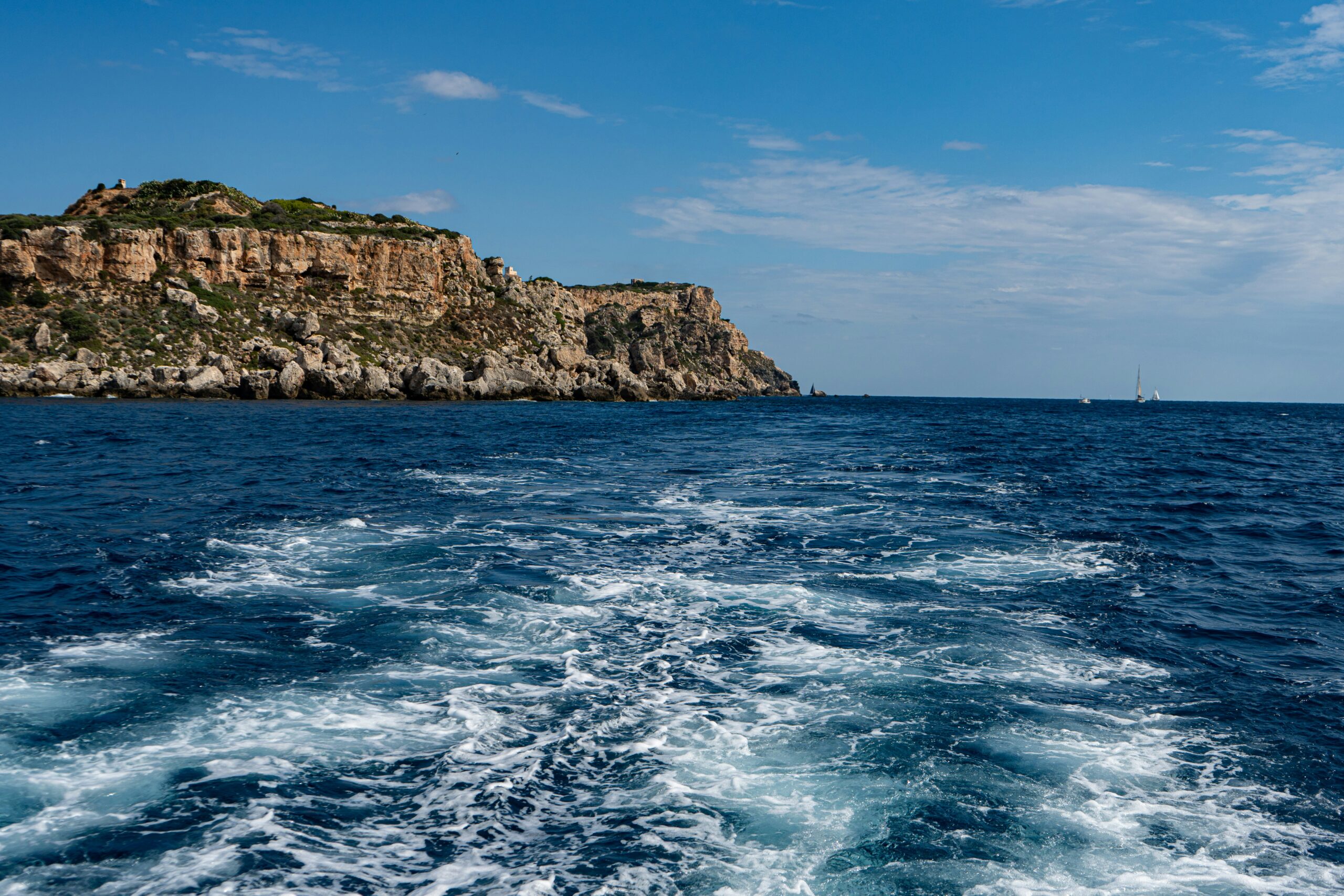
The Mediterranean Sea, a cradle of civilizations, a vital artery of trade, and a canvas of captivating beauty, has for millennia held a profound fascination for humanity. It is a body of water that hums with history, whispers with the echoes of empires, and offers a seemingly inexhaustible wellspring of mystery. From its sun-drenched shores to its mysterious depths, the Mediterranean remains an enigma, a perpetual source of inquiry and wonder, drawing scholars, adventurers, and dreamers alike into its embrace.
The very existence of the Mediterranean, a vast inland sea connecting three continents, has shaped human history in ways that are difficult to overstate. Its strategic location facilitated the exchange of goods, ideas, and cultures, fostering the rise of some of the world’s most influential societies. These ancient peoples, navigating its waters with rudimentary vessels, left an indelible mark on its shores and in its collective memory.
The Dawn of Exploration and Trade
Long before recorded history, early humans ventured onto the Mediterranean’s waters. Evidence suggests that as far back as the Mesolithic period, people were utilizing rafts and small boats to cross shorter distances, perhaps for fishing or to explore neighboring coastlines. The Neolithic Revolution, with its settled agricultural communities, further spurred maritime activity. The need to transport surplus goods, acquire new resources, and connect with other settlements made seafaring an essential skill.
Early trade routes likely developed along the coasts, allowing for the exchange of pottery, obsidian, grains, and other vital commodities. While much of this early activity is lost to us, the traces of submerged settlements and amphorae scattered on the seabed offer tantalizing glimpses into these nascent maritime connections. The Mediterranean became an open highway, not just for commerce, but for the dissemination of innovation and the spread of human influence.
Legends Born of the Waves
The awe-inspiring power and unpredictable nature of the sea inevitably gave rise to myths and legends. For the ancient Greeks, the Mediterranean was a realm populated by gods and mythical creatures. Poseidon, the god of the sea, was both revered and feared, his wrath capable of conjuring destructive storms. The epic journeys of Odysseus, battling sea monsters and navigating treacherous currents, are testaments to the profound impact these waters had on the human imagination.
The Sirens, whose enchanting songs lured sailors to their doom, and the Hydra, a monstrous serpent of the Lernean swamps, are but a few of the mythical beings said to inhabit its waters or its surrounding territories, blurring the lines between the real and the imagined. These stories, passed down through generations, not only entertained but also served as cautionary tales, reinforcing the respect and fear that seafarers held for the sea. They highlight a deep-seated understanding of the Mediterranean’s power and the respect it demanded.
The Phoenicians, renowned mariners and traders, are credited with establishing some of the earliest extensive trade networks across the Mediterranean. Their ships, more advanced than those of their predecessors, allowed them to venture further afield, establishing colonies and trading posts from the Levant to the Strait of Gibraltar. Their voyages were not merely commercial; they were also acts of discovery, charting unknown coastlines and expanding the known world for many.
The Romans and the ‘Mare Nostrum’
For the burgeoning Roman Empire, the Mediterranean transformed from a contested frontier into “Mare Nostrum” – Our Sea. This declaration was more than just a statement of ownership; it represented a fundamental shift in the region’s geopolitical landscape. The Roman navy maintained a formidable presence, ensuring the safety of trade routes and projecting Roman power across its vast expanse. The Mediterranean became the central nervous system of one of history’s greatest empires, facilitating the movement of legions, governors, and the flow of tribute.
The Pax Romana, the period of relative peace and stability imposed by Rome, allowed for an unprecedented level of maritime activity. Grain from Egypt and North Africa, wine from Italy, olive oil from Greece, and countless other commodities moved freely across the sea, fueling the empire’s economic engine and sustaining its burgeoning population. The scale of this maritime commerce was immense, making the Mediterranean the busiest and most important waterway in the ancient world.
The Mediterranean Sea has long been a subject of intrigue, with its depths holding countless mysteries waiting to be uncovered. For those interested in exploring similar enigmatic topics, a fascinating article titled “Uncovering the Unknown Past: Antarctica” delves into the hidden histories and secrets of one of the most remote regions on Earth. This piece provides insights into how ancient civilizations and natural phenomena have shaped our understanding of both the Mediterranean and Antarctic landscapes. To read more about these captivating mysteries, visit the article here: Uncovering the Unknown Past: Antarctica.
The Deep Secrets of the Abyss
Beneath the sun-drenched surface of the Mediterranean lies a realm of profound darkness and unexplored territory, a frontier that continues to intrigue and challenge scientific endeavor. The sheer depth of its basins, coupled with its complex geological history, has created an environment that holds secrets about the planet’s past and potentially its future.
Geological Formations and Tectonic Activity
The Mediterranean Sea is a geologically dynamic region, a complex mosaic of tectonic plates interacting and shaping its seabed. The collision of the African and Eurasian plates has resulted in dramatic geological formations, including deep oceanic trenches, volcanic island arcs, and extensive fault lines. The Hellenic Arc, for instance, is a particularly active zone of subduction, responsible for the region’s significant seismic activity.
The Mediterranean Sea has long been a source of intrigue, with its rich history and numerous mysteries captivating researchers and explorers alike. Recently, a fascinating article explored the potential economic shifts in global power dynamics, suggesting that countries bordering the Mediterranean might play a crucial role in this transformation. For those interested in how these geopolitical changes could impact the region, you can read more about it in this insightful piece on whether Mexico is the new economic superpower. This connection highlights the interplay between maritime history and contemporary economic trends.
The Tyrrhenian Sea’s Volcanic Heart
The Tyrrhenian Sea, nestled within the embrace of Italy and its islands, is a prime example of this volcanic dynamism. Home to active volcanoes like Stromboli and Vesuvius, its depths are sculpted by ancient eruptions and ongoing geothermal activity. Scientists study these underwater volcanic systems to understand the Earth’s internal processes and to monitor potential hazards. The volcanic landscape also creates unique habitats for marine life adapted to the extreme conditions.
The Mediterranean Ridge: A Submerged Mountain Range
Stretching across the eastern Mediterranean is the Mediterranean Ridge, a colossal underwater mountain range formed by the collision of tectonic plates. This immense geological feature, longer than the Andes, is a testament to the powerful forces at play deep beneath the waves. Its rugged terrain and varied habitats harbor a surprising diversity of marine life, much of which remains undescribed.
The Influence of Ice Ages and Sea Level Fluctuations
The Mediterranean’s history is also intrinsically linked to global climate changes, particularly the cycles of ice ages and subsequent sea-level fluctuations. During glacial periods, when vast amounts of water were locked up in ice sheets, sea levels dropped dramatically. At its lowest point, the Mediterranean may have been reduced to a series of brine lakes, with its lowest point being the site of what is now the Strait of Gibraltar.
Conversely, during interglacial periods, rising sea levels would have flooded ancient river valleys and reshaped coastlines. The Messinian Salinity Crisis, a period around 5.96 to 5.33 million years ago when the Mediterranean Sea was almost entirely enclosed and then evaporated, leaving behind vast salt deposits, is a stark reminder of the dramatic environmental shifts this region has undergone. This event significantly altered the marine ecosystem and left a lasting geological imprint.
Biodiversity Under Threat: A Fragile Ecosystem

Despite its storied past and geological grandeur, the Mediterranean’s rich biodiversity is facing unprecedented challenges. Centuries of human activity, coupled with the impacts of climate change, have placed a significant strain on its delicate ecosystem, pushing

When the Mediterranean Became a Desert | The Messinian Salinity Crisis Explained
FAQs
What is the Mediterranean Sea mystery?
The Mediterranean Sea mystery refers to the unexplained disappearance of ships and planes in the Mediterranean Sea over the years. Many of these incidents have never been solved, leading to speculation and theories about the causes.
How many ships and planes have disappeared in the Mediterranean Sea?
There have been numerous reported cases of ships and planes disappearing in the Mediterranean Sea, with estimates ranging from dozens to over a hundred incidents. Some of the most well-known cases include the disappearance of Flight 19 in 1945 and the vanishing of the SS Marine Sulphur Queen in 1963.
What are some theories about the disappearances in the Mediterranean Sea?
There are various theories about the disappearances in the Mediterranean Sea, including natural causes such as extreme weather, navigational errors, and mechanical failures. Other theories involve human factors such as piracy, sabotage, and military involvement.
What efforts have been made to investigate the Mediterranean Sea mystery?
Several investigations have been conducted over the years to try to solve the mystery of the disappearances in the Mediterranean Sea. These efforts have involved search and rescue operations, underwater exploration, and collaboration between international agencies.
Are there any ongoing concerns about safety in the Mediterranean Sea?
While the exact causes of the disappearances remain unknown, safety concerns persist in the Mediterranean Sea. Efforts continue to improve navigation systems, enhance emergency response capabilities, and raise awareness about potential risks for ships and planes traveling in the region.