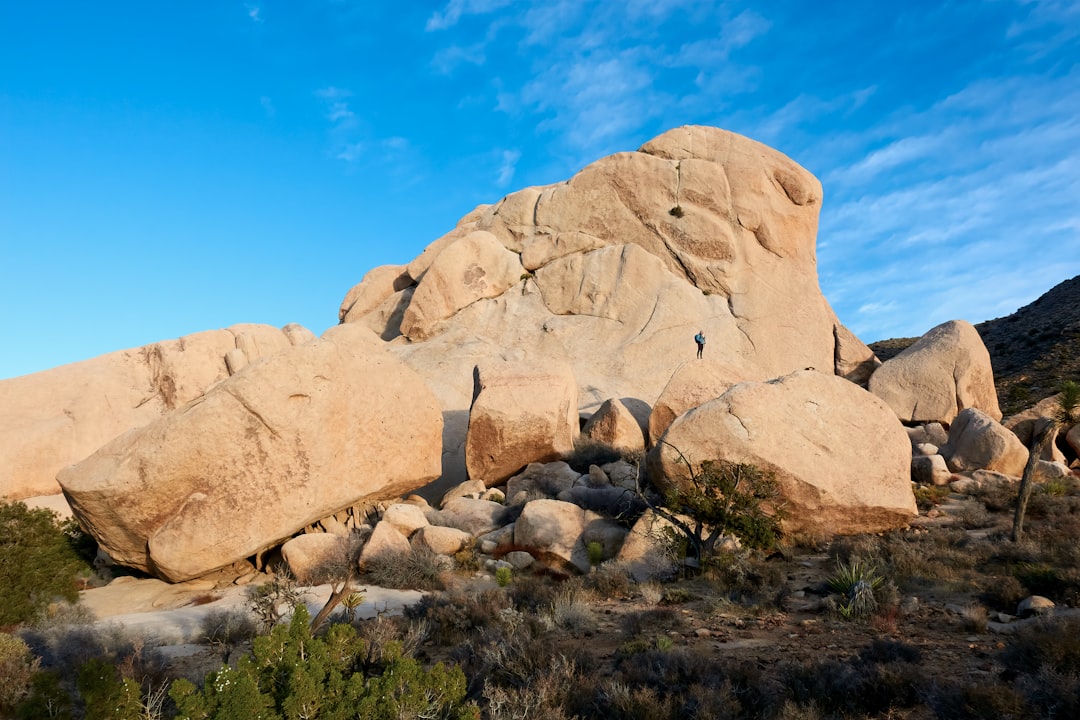
The immense Madison Boulder, a glacial wonder, stands as a silent testament to the colossal forces that shaped the North American continent. It is a monolithic sculpture, deposited by the relentless advance and retreat of ice sheets, now resting serenely in the heart of the Madison Valley. Its sheer size and its improbable journey from a distant geological past have long captivated the imagination of those who encounter it, sparking curiosity about its origins and the ancient world it represents. This article will delve into the story of the Madison Boulder, exploring its geological context, the scientific understanding of its formation, its historical significance, and the enduring awe it inspires.
The Madison Boulder is not merely a large rock; it is a geological enigma, a fragment of a much larger geological landscape that was, through the agency of ice, transported and deposited far from its original home. Its very presence in the Madison Valley is a story of immense power and unimaginable timelines.
A Journey of Ice: The Glacial Epoch and its Legacy
The story of the Madison Boulder is intrinsically linked to the Pleistocene Epoch, often referred to as the “Ice Age.” During this prolonged period, vast ice sheets, some kilometers thick, covered significant portions of the Northern Hemisphere. These massive glaciers, driven by gravity and their own immense weight, advanced and retreated across the landscape over tens of thousands of years. As they moved, they scraped, plucked, and shoveled bedrock, transporting enormous quantities of rock and sediment.
The specific ice sheet responsible for the Madison Boulder’s placement is believed to be the Laurentide Ice Sheet, a colossal glacial mass that once covered most of Canada and the northern United States. This ice sheet was a truly formidable force, capable of reshaping entire mountain ranges and carving out the Great Lakes. Its influence on the topography of North America is nothing short of profound.
From Distant Mountains: Identifying the Boulder’s Source
One of the most fascinating aspects of the Madison Boulder is its identification as a glacial erratic. A glacial erratic is a rock or boulder that has been transported by a glacier from its original location and deposited in an area with markedly different underlying bedrock. Scientists have been able to trace the probable origin of the Madison Boulder to the Adirondack Mountains of New York, a substantial distance away from its current resting place.
The Science of Tracing: Petrography and Geological Mapping
The process of identifying the source of a glacial erratic is a meticulous undertaking that relies heavily on detailed geological mapping and petrographic analysis. Petrography is the scientific study of rocks, their composition, texture, and structure. Geologists carefully examine the mineralogical makeup and the specific characteristics of the Madison Boulder. They look for unique mineral assemblages, crystalline structures, and any other distinctive features that are characteristic of the bedrock found in specific regions.
Then, this detailed analysis is compared with extensive geological maps of the surrounding areas. These maps provide information about the types of rocks that make up the underlying bedrock. By matching the petrographic characteristics of the boulder to the bedrock formations in a particular region, scientists can infer its original location. In the case of the Madison Boulder, its composition aligns closely with the geology of the Adirondacks, a vast mountain range known for its Precambrian igneous and metamorphic rocks.
The Power of Plucking: How Glaciers Move Massive Rocks
The transportation of such a massive object as the Madison Boulder is a testament to the immense erosional power of glaciers. Glaciers do not simply slide over the land; they actively engage with the bedrock beneath them. One of the primary mechanisms by which glaciers transport large rocks is known as “plucking.”
As a glacier moves, meltwater can seep into cracks and fissures in the bedrock. When this water freezes, it expands, exerting pressure and widening the cracks. The moving ice then acts like a giant chisel, prying loose blocks of rock. These “plucked” blocks can then be incorporated into the glacier’s basal ice and carried along as it advances. Larger blocks, like the Madison Boulder, would have been gradually incorporated and moved over long distances as the ice sheet flowed.
The Terminal Moraine: A Monument to the Glacier’s Edge
The location where the Madison Boulder now rests is also significant. It is often found within or near terminal moraines. A terminal moraine is a ridge of till (unsorted glacial debris) that forms at the furthest extent where a glacier or ice sheet advanced before it began to retreat.
Till and Deposition: The Glacier’s Debris Dump
As a glacier melts and retreats, it drops the vast amounts of sediment and rock it has carried. This material, called glacial till, is a chaotic mixture of sand, silt, clay, pebbles, and boulders. The end of a glacier’s advance is marked by the accumulation of this till, forming a distinct ridge. The Madison Boulder, being a particularly large piece of this transported debris, would have been deposited as the ice front receded, becoming an indelible part of the moraine.
The Pace of Change: Understanding Glacial Retreat
The deposition of the Madison Boulder, and indeed the formation of the moraine it may be part of, represents a significant event in geological history. It signifies a period of glacial advance followed by a period of retreat. The rate of glacial advance and retreat varied depending on climate conditions, but the movement of ice sheets could be surprisingly rapid on geological timescales, measured in meters or even kilometers per year. The ultimate resting place of the Madison Boulder tells a story of a slowly thawing or rapidly retreating ice front.
The Madison Boulder, a prominent glacial erratic located in Madison, New Hampshire, serves as a fascinating example of the geological processes that shape our planet. This massive boulder, transported by glacial activity thousands of years ago, highlights the impact of climate and geological forces on the landscape. For those interested in exploring how natural resources are extracted and utilized in different environments, a related article discussing China’s lunar resource extraction strategy can provide intriguing insights. You can read more about it here: China’s Lunar Resource Extraction Strategy.
A Majestic Mass: The Physical Characteristics of the Madison Boulder
The sheer scale of the Madison Boulder is its most immediately striking feature. It commands attention and inspires a sense of geological awe. Its physical attributes offer a tangible connection to the immense forces that shaped our planet.
Dimensions and Weight: Quantifying the Gigantic
Estimates of the Madison Boulder’s dimensions typically place it at an impressive size. While exact measurements can vary slightly depending on the source and how “diameter” or “height” is defined for such an irregular shape, it is generally understood to be a substantial mass of rock. Commonly cited figures suggest it is roughly 20 feet (6 meters) in diameter and stands about 15 feet (4.5 meters) tall.
Its weight is equally staggering. Based on its estimated volume and the typical density of granite (a common rock type for glacial erratics), the Madison Boulder likely weighs somewhere in the range of several hundred tons. This immense weight underscores the sheer power of the glacier needed to transport and deposit such a massive object. It is a weight that only the relentless movement of a vast ice sheet could overcome.
Rock Type and Composition: A Glimpse into Earth’s Crust
As mentioned previously, scientific analysis has determined that the Madison Boulder is primarily composed of granite. Granite is a common, coarse-grained igneous rock composed mainly of quartz, feldspar, and mica. Its formation involves the slow cooling of magma deep beneath the Earth’s surface.
The Resilience of Granite: Enduring Geological Processes
The prevalence of granite among glacial erratics is no coincidence. Granite is a remarkably durable and resistant rock. Its hard mineral composition and coarse grain structure make it less susceptible to weathering and erosion compared to many other rock types. This resilience is what allowed the Madison Boulder to survive its long and arduous journey within the ice, and it is also what allows it to persist as a prominent landmark today, resisting the forces of wind, rain, and ice that continually reshape the landscape.
Intrinsic Beauty: The Aesthetic Appeal of the Boulder
Beyond its geological significance, the Madison Boulder possesses an intrinsic aesthetic appeal. The interlocking crystals of quartz, feldspar, and mica in its granite composition create subtle variations in color and texture. Some may observe pinkish hues from feldspar, glassy gray from quartz, and flecks of black or white from mica. These natural variations, combined with the boulder’s monumental form, create a visually striking and enduring natural sculpture. The way sunlight plays on its surface, highlighting its weathered textures, adds to its captivating presence.
Surface Characteristics: Signs of an Ancient Journey
The surface of the Madison Boulder bears the marks of its extraordinary journey. Weathering has subtly reshaped its form, but many features offer clues to its past.
Glacial Polish and Striations: The Ice’s Touch
One of the most compelling indicators of its glacial origin is the presence of glacial polish and striations. Glacial polish occurs when a rock is dragged across other rocks or the bedrock beneath the ice, resulting in a smooth, almost glassy surface. Striations, on the other hand, are linear grooves or scratches etched into the rock face by harder particles embedded in the bottom of the glacier. These faint but discernible markings are direct evidence of the friction and abrasion that occurred as the ice moved, creating a tangible record of its passage.
Weathering and Erosion: The Slow Transformation
While granite is durable, it is not impervious to the passage of time and the elements. Over millennia, the Madison Boulder has been subjected to weathering and erosion. Freeze-thaw cycles, where water seeps into cracks, freezes, expands, and widens them, cause the rock to fragment on a smaller scale. Rainwater, even with its mild acidity, can slowly dissolve mineral components. Wind-blown sand and dust also contribute to abrasion. These processes have subtly sculpted the boulder’s surface, rounding some edges and creating a textured, weathered patina that speaks of its long exposure to the elements.
Historical Encounters: From Indigenous Peoples to Modern Observers

The Madison Boulder has been a silent witness to the ebb and flow of human history in the region. Its presence has undoubtedly been noted by various groups throughout the ages, each encountering it with their own perspectives and understanding of the world.
Indigenous Lore: Stories of Giant Stones
Long before European settlers arrived, Indigenous peoples inhabited the lands surrounding the Madison Valley. For these communities, large and unusual natural formations often held cultural and spiritual significance. While specific oral traditions directly referencing the Madison Boulder might be scarce in readily available historical records due to the transient nature of oral histories and potential loss over time, it is highly probable that such a prominent landmark featured in their lore.
Large stones, particularly those of unusual size and placement, were often interpreted through creation myths, stories of ancient giants, or as the creations of powerful natural spirits. The boulder would have been a place of reverence, a marker in the landscape, or perhaps a point of reference in journeys. Its unusual nature would have invited storytelling and infused it with meaning within their worldview.
Early European Explorers and Settlers: Marvels of the New World
As European explorers and settlers moved westward into the North American continent, they encountered numerous geological wonders, including glacial erratics. The sheer scale of the Madison Boulder would have undoubtedly been a source of astonishment for these individuals.
Documenting the Unfamiliar: Early Accounts and Descriptions
Early written accounts of the region, if they exist and have been preserved, would likely describe the Madison Boulder as a geological curiosity. These descriptions, though perhaps lacking the scientific terminology we use today, would have conveyed the wonder and immensity of the object. Such accounts might have used terms like “great stone,” “massive rock,” or “wonder of nature,” reflecting the awe inspired by its presence. These early descriptions are invaluable for understanding how the boulder was perceived by those who first encountered it in a post-indigenous context.
Naming the Landmark: Establishing a Local Identity
The naming of such a prominent landmark often reflects the early settlers’ perceptions and their desire to establish a local identity. Over time, as the area became more settled, specific names would have been applied, solidifying its place on maps and in local discourse. The current name, “Madison Boulder,” likely derives from its geographical location within the Madison Valley, a common practice for naming prominent natural features.
Scientific Curiosity: Unraveling the Glacial Mystery
With the rise of geology as a scientific discipline, the Madison Boulder became not just a curiosity but an object of scientific inquiry. The development of theories of glaciation in the 19th and 20th centuries provided the framework for understanding its origins.
The Rise of Glacial Theory: Explaining the Unexplainable
The notion that massive ice sheets had once covered much of the Northern Hemisphere was a revolutionary concept. Early geologists like Louis Agassiz were instrumental in developing and popularizing the theory of past glaciation. As this theory gained acceptance, geologists began to see formations like the Madison Boulder not as random acts of nature but as direct evidence of these ancient ice sheets. The boulder’s existence became a key piece of evidence supporting glacial theory, helping to explain the distribution of erratics across landscapes.
Geological Surveys and Mapping: Integrating the Boulder into Scientific Understanding
Subsequent geological surveys and mapping projects played a crucial role in integrating the Madison Boulder into a broader scientific understanding of the region’s glacial history. By mapping the distribution of glacial erratics, moraines, and other glacial landforms, geologists could reconstruct the paths and extent of past ice sheets. The Madison Boulder, as a particularly significant and well-documented erratic, became a focal point in these studies, helping to calibrate models of glacial movement and deposition.
The Boulder’s Enduring Significance: More Than Just a Rock

The Madison Boulder’s significance extends far beyond its geological origins. It serves as a powerful symbol, a beacon for scientific understanding, and a source of inspiration for generations.
A Window to the Past: Connecting with Deep Time
In a world increasingly focused on the immediate, the Madison Boulder offers a tangible connection to deep time. It is a physical artifact from an epoch that shaped the very ground we walk on, an epoch that existed long before human memory. Standing before it, one can contemplate the immense duration of geological processes, the slow, relentless march of glaciers, and the gradual transformation of landscapes over millions of years. It provides a humbling perspective on humanity’s place in the grand narrative of Earth’s history.
A Classroom of the Earth Sciences: Teaching Through Observation
The Madison Boulder is an invaluable educational tool. For budding geologists, earth science students, and even curious schoolchildren, it offers a hands-on, real-world illustration of fundamental geological principles. Its presence provides a focal point for lessons on:
- Glacial geology: Demonstrating concepts like glacial erratics, moraines, till, and the erosional power of ice.
- Rock types and petrography: Allowing for hands-on observation of granite and discussion of its formation.
- Weathering and erosion: Illustrating how natural forces gradually alter even the most massive objects.
- Geological time: Providing a tangible link to the Earth’s ancient past.
A visit to the Madison Boulder can transform abstract scientific concepts into concrete, memorable experiences, fostering a deeper appreciation for the natural world.
A Source of Awe and Wonder: Inspiring Human Imagination
Ultimately, the Madison Boulder is a source of awe and wonder. Its sheer size and its improbable journey awaken a sense of the sublime, of forces far greater than ourselves. It prompts contemplation of the natural world’s power and beauty, its ability to create such monumental and enduring features.
The Majesty of Nature: A Reminder of Earth’s Power
In a landscape often shaped by human intervention, the Madison Boulder stands as a stark reminder of nature’s raw, untamed power. It showcases the immense forces that have shaped and continue to shape our planet, forces that command respect and inspire humility. It is a monument to the Earth’s capacity for both creation and transformation on a scale that dwarfs human endeavors.
Inspiring Art, Literature, and Exploration: A Muse for Creativity
Landmarks of such distinctive character often find their way into human creativity. The Madison Boulder, with its imposing presence, has likely inspired artists, writers, and photographers. It can serve as a muse for stories, paintings, or poems that explore themes of time, resilience, and the grandeur of the natural world. Its very existence encourages exploration and a desire to understand the stories embedded within the landscape.
The Madison Boulder glacial erratic is a fascinating geological feature that highlights the effects of glacial activity in shaping our landscapes. Similar to how the forces of nature have sculpted the Maldives, a nation facing significant environmental challenges, the Madison Boulder serves as a reminder of the power of natural phenomena. For more insights into the impacts of climate change on vulnerable regions, you can read about the Maldives in this informative article here.
Preservation and Future Prospects: Protecting a Geological Heritage
| Attribute | Value |
|---|---|
| Name | Madison Boulder glacial erratic |
| Location | Madison, New Hampshire, USA |
| Size | 83 feet long, 23 feet high, and 37 feet wide |
| Weight | Approximately 5,000 tons |
| Age | Estimated to be over 10,000 years old |
As a significant geological feature, the preservation of the Madison Boulder is of paramount importance. Ensuring its continued existence for future generations requires careful consideration and proactive measures.
Protecting a Natural Monument: Challenges and Strategies
The primary challenge in preserving the Madison Boulder lies in protecting it from the detrimental effects of human activity. While it is a rock, excessive vandalism, graffiti, or attempts to climb or chip away at its surface can lead to damage.
- Designated Protection: In many regions, significant natural landmarks are designated as protected areas or historical sites. This designation often comes with regulations and enforcement to deter vandalism and ensure the site’s integrity.
- Educational Signage: Informative signage around the boulder can educate visitors about its geological significance, its history, and the importance of respectful interaction. This can foster stewardship and discourage damaging behaviors.
- Community Involvement: Engaging local communities in the preservation efforts can create a sense of ownership and responsibility for the landmark. This can involve volunteer clean-up days, educational programs, and awareness campaigns.
The Role of Tourism: Balancing Access and Preservation
The Madison Boulder, as a point of interest, likely attracts tourists. Balancing the benefits of tourism with the need for preservation is a key consideration.
Sustainable Tourism Practices: Minimizing Impact
Promoting responsible tourism practices is crucial. This includes:
- Established Trails: Ensuring that visitors stay on designated paths to avoid disturbing the surrounding environment and the boulder itself.
- Carrying Capacity: Managing visitor numbers, especially during peak seasons, to prevent overcrowding and undue stress on the site.
- Waste Management: Implementing effective waste disposal systems to keep the area clean and prevent littering, which can detract from the natural beauty and pose environmental risks.
Educational Tourism: Enhancing Appreciation
Tourism can be a powerful tool for education. By providing context and interpretation, visitors can leave with a deeper appreciation for the Madison Boulder and its geological significance.
- Guided Tours: Offering guided tours led by knowledgeable individuals can enrich the visitor experience and convey important information about the boulder’s formation and history.
- Interpretive Centers: If resources allow, an interpretive center near the site can provide a more in-depth educational experience, featuring exhibits, maps, and multimedia presentations about glacial geology and the local environment.
The Endless Story: A Legacy in Stone
The Madison Boulder is more than just a relic of a bygone era; it is a living testament to the dynamic nature of our planet. Its story is still being written, as it continues to weather and erode, and as new generations encounter it. Its enduring presence serves as a constant reminder of the immense geological forces that have shaped our world and continue to do so, offering both a lesson from the past and an inspiration for the future. The colossal Madison Boulder, a glacial wonder, stands silent and majestic, inviting us to contemplate the vastness of time and the enduring power of nature.

The Boulder That Shouldn’t Exist
FAQs
What is the Madison Boulder glacial erratic?
The Madison Boulder is a massive glacial erratic located in Madison, New Hampshire. It is one of the largest known glacial erratics in North America.
How was the Madison Boulder formed?
The Madison Boulder was formed during the last ice age, when a glacier transported the massive rock from its original location and deposited it in its current location when the glacier melted.
How big is the Madison Boulder?
The Madison Boulder measures about 83 feet in length, 23 feet in height, and 37 feet in width. It weighs an estimated 5,000 tons.
What makes the Madison Boulder a significant geological feature?
The Madison Boulder is significant because of its massive size and the distance it was transported by the glacier. It is also a popular tourist attraction and a unique example of the power of glacial movement.
Can visitors see the Madison Boulder?
Yes, the Madison Boulder is located in a state park and is accessible to visitors. There is a short trail leading to the boulder, and interpretive signs provide information about its formation and significance.