
The Invisible Tide: Microfiber Pollution from Our Laundry
The water that flows from our washing machines, a seemingly innocuous stream of suds and fabric softener, carries a secret passenger. These are microfibers, tiny fragments of synthetic textiles, shed with every wash cycle. They are the microscopic debris of our modern sartorial lives, a growing environmental concern that infiltrates our oceans, rivers, and even our bodies. Unlike larger pieces of plastic that are readily visible and often elicit an immediate, if sometimes delayed, response, microfibers are insidious. They are the silent saboteurs of aquatic ecosystems, a pervasive threat that demands our attention and, ultimately, our action.
Synthetic fabrics are woven into the very fabric of our daily existence. From the stretchy comfort of activewear to the wrinkle-resistant politeness of dress shirts, materials like polyester, nylon, and acrylic dominate our wardrobes. These polymers, engineered for durability and performance, possess a Janus-faced nature. While they offer us desirable qualities, their very construction makes them susceptible to shedding synthetic threads during the mechanical agitation of washing.
The Mechanics of Microfiber Release
Imagine your washing machine as a miniature, high-intensity tumbling arena. As clothes slosh and rub against each other, and against the drum itself, friction is generated. This friction acts like a gentle, yet persistent, sandpaper. Each rub, each twist, each swirl, has the potential to break off minuscule fibers from the yarn. The intensity of the wash cycle, the type of fabric, and even the age of the garment all play a role in the quantity of microfibers released.
Fabric Composition: The Primary Culprit
Not all fabrics are created equal when it comes to microfiber shedding. Research consistently points to synthetic textiles as the major contributors. These materials are essentially long chains of plastic molecules. When these chains fray, they produce microfibers. Natural fibers like cotton and wool do shed some fibers, but these are generally biodegradable and pose a less significant long-term threat to the environment. However, even these natural fibers can be treated with synthetic finishes, introducing a hidden source of microplastic pollution.
Washing Machine Design and Use: Accelerating the Release
The design of washing machines themselves can influence microfiber shedding. Machines with more vigorous agitation cycles, higher spin speeds, and longer wash times tend to release more fibers. The presence of lint traps, while designed to capture larger debris, are often ineffective at catching the smallest microfibers, allowing them to pass through the drainage system. Furthermore, the habit of overloading washing machines can increase friction between garments, leading to greater fiber loss.
Microfibers released during laundry have become a significant environmental concern, as they contribute to ocean pollution and harm marine life. For a deeper understanding of the implications of human activities on ecosystems, you can explore a related article that discusses the broader consequences of environmental negligence. This article can be found at Defending the Lunar Base: Consequences of an Attack, which highlights the importance of protecting our environments, whether on Earth or beyond.
The Journey of Microfibers: From Drainpipe to Global Waters
Once released from our washing machines, these microscopic travelers embark on a vast and complex journey. They are whisked away through our plumbing systems, merging with wastewater from homes and industries, and eventually finding their way into the broader aquatic environment. This journey is not a direct path, but rather a convoluted network of pipes, treatment plants, rivers, and ultimately, the oceans.
Wastewater Treatment: A Filtered, But Not Purged, System
Wastewater treatment plants are designed to remove a significant portion of pollutants from our sewage. However, their primary focus is on removing solid waste and biological contaminants that pose immediate health risks. Microfibers, due to their small size and often smooth, non-polar nature, can be difficult to capture with conventional filtration methods. While some treatment processes effectively remove a large percentage of microfibers, a substantial amount still bypasses these systems and enters the environment. Think of a sieve with holes just a bit too large – it catches the pebbles but lets the sand through.
Rivers and Estuaries: The Initial Collection Points
From wastewater treatment plants, treated effluent is discharged into rivers and estuaries. These waterways act as initial collection points for microfibers. Here, they can accumulate in sediments, become suspended in the water column, or be carried further downstream. The flow of rivers effectively acts as a conveyor belt, transporting these persistent pollutants towards the sea.
The Ocean’s Embrace: A Vast Repository of Microfibers
The world’s oceans, vast and seemingly endless, have become the ultimate sink for microfibers. Estimates suggest that trillions of microfibers enter the marine environment annually. These fibers can be found in all oceanic zones, from the surface waters to the deepest trenches. They become part of the ocean’s intricate food web, a pervasive and persistent contaminant that is proving incredibly difficult to remove.
The Ecological Toll: A Silent Crisis in Aquatic Life

The presence of microfibers in aquatic ecosystems is not merely an aesthetic nuisance; it represents a genuine ecological crisis. These synthetic particles, once ingested by marine organisms, can have a range of detrimental effects, impacting individuals and potentially entire populations. The consequences ripple through the food web, a stark reminder that our actions on land have profound implications for life beneath the waves.
Ingestion by Marine Organisms: A Case of Mistaken Identity
Many aquatic creatures, from tiny zooplankton to large filter-feeding whales, mistake microfibers for food. Their feeding mechanisms are often designed to capture small particles suspended in the water, and tiny strands of plastic are no different. Zooplankton, the microscopic foundation of many marine food webs, are particularly vulnerable. When they ingest microfibers, these particles can move up the food chain, accumulating in larger organisms.
Physical Harm and Internal Damage
Once ingested, microfibers can cause physical harm within the digestive systems of marine animals. They can lead to blockages, reduced nutrient absorption, and a false sense of satiation, leading to starvation. Microfibers can also cause internal abrasions and inflammation. For fragile organisms like fish larvae, the impact can be particularly severe, affecting their development and survival rates.
Chemical Contamination: A Double Whammy
Beyond their physical presence, microfibers can also act as carriers for other pollutants. Synthetic textiles often contain chemical additives, such as dyes, flame retardants, and plasticizers, which can leach into the surrounding water. Furthermore, microfibers have a propensity to absorb persistent organic pollutants (POPs) from the surrounding environment. When marine organisms ingest these contaminated microfibers, they are exposed to a double dose of toxins, further compromising their health.
Impacts on Ecosystem Function
The widespread presence and ingestion of microfibers can disrupt the functioning of entire ecosystems. For example, if zooplankton populations decline due to microfiber pollution, this can have cascading effects on the fish and larger animals that rely on them for sustenance. The accumulation of microfibers in sediments can also alter the physical and chemical properties of these important habitats.
The Human Connection: Microfibers in Our Food and Water
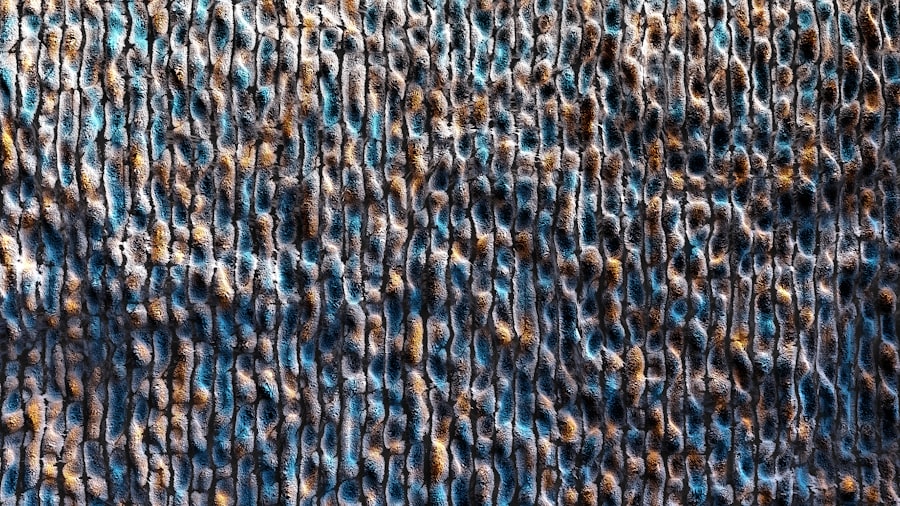
The contamination of aquatic environments by microfibers inevitably leads to a human connection. As microfibers enter the food web, they can end up on our dinner plates. Furthermore, our drinking water sources can also be contaminated, raising concerns about human exposure and potential health implications.
Seafood Consumption: A Pathway to Our Plates
Many of the seafood we consume, from shellfish to finfish, are filter feeders or predators that can ingest microfiber-contaminated prey. Studies have found microfibers in a significant percentage of commercially available seafood. While the immediate health risks of ingesting small amounts of microfibers are still under investigation, the principle of bioaccumulation – the increasing concentration of substances in organisms at successively higher levels in a food chain – is a cause for concern.
Our Drinking Water: A Hidden Contaminant
The journey of microfibers doesn’t stop at the oceans. They can also find their way into our freshwater sources, impacting the water we drink. While municipal water treatment processes are becoming more sophisticated, the complete removal of all microfibers remains a challenge. This means that even the water we consume directly may contain these persistent plastic particles.
Potential Health Implications: An Emerging Area of Research
The long-term health effects of human exposure to microfibers are an emerging area of scientific research. Studies are ongoing to understand how microfibers might interact with human tissues, whether they can cross biological barriers, and what potential toxicological effects they might have. While definitive conclusions are yet to be reached, the ubiquitous presence of microfibers in our environment warrants careful consideration and further investigation.
The environmental impact of microfibers released during laundry has become a significant concern, as these tiny plastic fibers can contribute to ocean pollution and harm marine life. For a deeper understanding of how our everyday activities can inadvertently affect the planet, you might find it interesting to explore the article on ancient technologies and their relevance today. This piece highlights the importance of sustainable practices and the lessons we can learn from the past. You can read more about it here.
Towards a Solution: Mitigating Microfiber Pollution
| Metric | Value | Unit | Source/Notes |
|---|---|---|---|
| Microfibers released per laundry load | 700,000 | fibers | Average estimate for synthetic garments |
| Microfiber mass released per laundry load | 0.5 – 1.5 | grams | Depends on fabric type and washing conditions |
| Percentage of microfibers retained by wastewater treatment plants | 80 – 90 | % | Varies by treatment technology |
| Estimated microfibers entering oceans annually | 500,000 | tons | Global estimate from synthetic textile washing |
| Microfiber pollution contribution from laundry | 35 – 60 | % | Proportion of total microplastic pollution |
| Reduction in microfiber release using filters or bags | 30 – 90 | % | Effectiveness depends on device type |
| Average lifespan of synthetic garments | 2 – 5 | years | Influences total microfiber shedding |
Addressing the pervasive issue of microfiber pollution requires a multifaceted approach, involving individuals, manufacturers, and policymakers. While the task may seem daunting, akin to trying to bail out a sinking ship with a teacup, collective action and innovation can make a significant difference.
Individual Actions: Simple Steps, Significant Impact
Our daily laundry habits play a direct role in microfiber shedding. By adopting a few simple strategies, we can significantly reduce the number of microfibers entering our waterways.
Washing Practices:
- Wash less frequently: This is the most straightforward step. If an item is not visibly dirty or odorous, consider wearing it again.
- Wash full loads: This minimizes the friction between garments.
- Use cooler water temperatures: Hotter water can sometimes exacerbate fiber shedding.
- Choose a gentle wash cycle: Less agitation means less fiber release.
- Avoid fabric softeners: Some fabric softeners can weaken fibers, making them more prone to shedding.
Filtration and Capture:
- Install a washing machine filter: These external filters attach to your washing machine’s drain hose and can capture a considerable amount of microfibers.
- Use a microfiber catching laundry bag: These bags are designed to trap microfibers during the wash cycle, and the collected fibers can then be disposed of properly.
- Clean your dryer’s lint trap diligently: While microfibers primarily come from washing, some can end up in the dryer. Ensure the lint trap is emptied after every use.
Manufacturing Innovations: Redesigning from the Fiber Up
The textile industry has a critical role to play in reducing microfiber shedding at its source. This involves innovation in fabric design and manufacturing processes.
Fabric Development:
- Develop tightly woven fabrics: Fabrics with a denser weave are less likely to shed individual fibers.
- Explore advanced yarn construction: Techniques that create stronger, more cohesive yarns can reduce shedding.
- Invest in biodegradable synthetics: While still in development, the creation of synthetic fibers that break down harmlessly in the environment would be a significant breakthrough.
Manufacturing Processes:
- Optimize cutting and finishing techniques: These stages in textile production can influence the integrity of the fabric and its susceptibility to shedding.
- Develop and implement internal filtration systems in washing machines: Manufacturers can integrate more effective microfiber capture technologies directly into their machines.
Policy and Regulation: Driving Systemic Change
Governmental policies and regulations can provide the necessary framework and incentives to address microfiber pollution on a larger scale.
Research and Awareness:
- Fund research into microfiber impacts and mitigation strategies: Continued scientific investigation is crucial to understanding the problem and developing effective solutions.
- Implement public awareness campaigns: Educating consumers about the issue and empowering them with knowledge about how to reduce their own microfiber footprint is essential.
Industry Standards and Regulation:
- Establish microfiber shedding standards for textiles: Similar to energy efficiency ratings, setting benchmarks for how much microfiber a fabric can shed could incentivize better design.
- Mandate or incentivize the use of microfiber filters in washing machines: Regulations could encourage or require manufacturers to incorporate effective filtration systems.
- Support research and development of innovative solutions: Governments can provide grants and incentives for companies developing new technologies to combat microfiber pollution.
The invisible tide of microfibers is a stark reminder that our daily choices, no matter how small they may seem, have profound and far-reaching consequences for the health of our planet. By understanding the source, the journey, and the impact of these tiny plastic fragments, we can begin to turn this tide, acting as stewards of both our wardrobes and the world’s precious aquatic ecosystems. The future of our oceans, and indeed our own well-being, may well depend on our ability to confront this subtle yet significant environmental challenge.

WATCH NOW ▶️ WARNING: Why Europe Banned Your Wardrobe
FAQs
What are microfibers in laundry?
Microfibers are tiny synthetic fibers shed from clothing and textiles during washing. They are typically less than 5 millimeters in length and come from materials like polyester, nylon, and acrylic.
How do microfibers from laundry impact the environment?
Microfibers released during laundry enter wastewater systems and often pass through treatment plants, eventually reaching rivers, lakes, and oceans. They contribute to microplastic pollution, harming aquatic life and entering the food chain.
Can washing machines reduce microfiber pollution?
Some washing machines have built-in filters designed to capture microfibers before they enter wastewater. Additionally, using front-loading machines and washing clothes in colder water can reduce fiber shedding.
Are there ways to minimize microfiber release during laundry?
Yes, using laundry bags designed to catch microfibers, washing clothes less frequently, choosing natural fiber clothing, and avoiding high spin speeds can help reduce microfiber pollution.
What is being done to address microfiber pollution from laundry?
Researchers and manufacturers are developing microfiber filters for washing machines, promoting sustainable textile production, and raising consumer awareness. Regulations and industry standards are also being considered to limit microfiber emissions.