
The systematic destruction of ancient history represents a profound loss for humanity, severing vital ties to our collective past and obscuring fundamental truths about the development of civilizations. This erasure, often deliberate and executed with chilling precision, encompasses a spectrum of actions ranging from politically motivated demolition to neglect driven by ignorance or indifference. The consequences are far-reaching, impacting not only historical scholarship but also cultural identity, archaeological methodologies, and the very understanding of human progress.
The destruction of ancient historical records and artifacts is rarely a singular event; rather, it often involves a combination of factors, each contributing to an irreversible loss. Understanding these mechanisms is crucial to appreciating the scale of the challenge.
Conflict and Conquest: The Scars of War
Throughout history, warfare has been a primary catalyst for the destruction of cultural heritage. Conquering forces often target symbols of the vanquished civilization, aiming to break their spirit and assert dominance.
Deliberate Vandalism and Iconoclasm
In many instances, military campaigns have involved the systematic demolition of temples, statues, libraries, and other significant cultural sites. The motivation behind such acts is often to erase the identity and achievements of the defeated people. The Sasanian destruction of the Parthian capital of Ctesiphon, though not leading to its complete obliteration, exemplifies this, with subsequent rebuildings often incorporating or obscuring earlier layers. The Roman sack of Carthage in 146 BCE, culminating in its near-total razing, stands as a stark example of deliberate urban annihilation. Similarly, the Mongol invasions of the 13th century, particularly the sack of Baghdad in 1258, resulted in the destruction of countless manuscripts and libraries, including the renowned House of Wisdom, fundamentally altering the intellectual landscape of the Islamic world.
Collateral Damage and Neglect During Conflict
Even without direct targeting, ancient sites can suffer immense damage during armed conflicts due to bombardment, troop movements, and the general breakdown of law and order. The Iraqi National Museum in Baghdad, looted extensively during the 2003 invasion, illustrates how conflict creates opportunities for cultural pillage. Similarly, the ongoing Syrian civil war has seen ancient sites like Palmyra endure significant damage and looting, reflecting the indiscriminate nature of modern warfare on heritage. The preservation of cultural heritage during conflict remains a complex and often insurmountable challenge for international bodies.
Environmental Degradation and Natural Catastrophes: Time’s Unrelenting Hand
Beyond human agency, natural forces have played a significant role in the disappearance of ancient civilizations. Erosion, earthquakes, floods, and volcanic eruptions have buried, submerged, or simply worn away the physical remnants of the past.
Earthquakes and Volcanic Eruptions
Seismic activity and volcanic events have periodically reshaped landscapes and buried cities, sometimes preserving them uniquely, but more often obliterating them. The famous eruption of Mount Vesuvius in 79 CE, while famously preserving Pompeii and Herculaneum under ash, also caused widespread destruction in the broader Campanian region. Earthquakes, frequent in many ancient world regions, have toppled monumental structures, fragmenting historical narratives and creating archaeological puzzles. Coastal cities, particularly vulnerable to tsunamis following seismic events, have been entirely swept away, their histories lost to the sea.
Climate Change and Geological Processes
Longer-term environmental shifts, including desertification, sea-level rise, and river course changes, have gradually consumed or rendered inaccessible numerous ancient sites. The shifting sands of the Sahara have buried countless settlements, while rising sea levels have submerged coastal cities and harbors, erasing their histories from easy access. The gradual process of erosion, often exacerbated by human activities such as deforestation, has slowly but surely dismantled ancient structures, turning once vibrant cities into faint outlines on the landscape. These processes operate on scales far exceeding human lifespans, transforming vibrant centers into dusty memories.
Throughout history, the systematic erasure of ancient cultures and their contributions has often gone unnoticed, leading to a distorted understanding of our past. A related article that delves into this topic is available at Real Lore and Order, which explores how various civilizations have been marginalized or forgotten due to political agendas, colonialism, and the prioritization of certain narratives over others. This examination sheds light on the importance of preserving historical records and recognizing the diverse tapestry of human experience.
The Ideological Purge: Rewriting the Narrative
Beyond physical destruction, deliberate efforts to erase or distort historical narratives represent a more insidious form of annihilation. This “memory wipe” seeks to control the present by manipulating perceptions of the past.
Political and Religious Zealotry: Erasing Unwanted Pasts
Throughout history, regimes and religious movements have sought to dismantle symbols of previous eras, particularly when those symbols represent competing ideologies or power structures.
Iconoclasm and Damnatio Memoriae
Iconoclasm, the deliberate destruction of images and monuments, is often driven by religious fervor or political reform movements seeking to purge society of perceived idolatry or symbols of a discredited past. The Byzantine Iconoclasm of the 8th and 9th centuries, during which religious images were systematically destroyed, exemplifies this phenomenon. Similarly, the damnatio memoriae practiced in ancient Rome sought to officially erase an individual’s existence from public record following condemnation, destroying statues, defacing inscriptions, and dismantling their public works. This systemic obliteration aimed to prevent future generations from remembering the condemned, effectively wiping them from history.
The Silencing of Dissident Voices and Alternative Histories
When dominant powers control historical narratives, the histories of marginalized groups, conquered peoples, or dissenting voices are often suppressed or completely omitted. This intellectual erasure can be as devastating as physical destruction, leading to a monolithic and incomplete understanding of the past. Historical accounts written by victors often demonize the defeated, presenting a biased and incomplete perspective, effectively muting counter-narratives that might offer a more nuanced understanding. The suppression of indigenous histories during colonial periods, for example, represents a vast and ongoing project of intentional historical erasure.
The Looting Epidemic: Cultural Bleeding
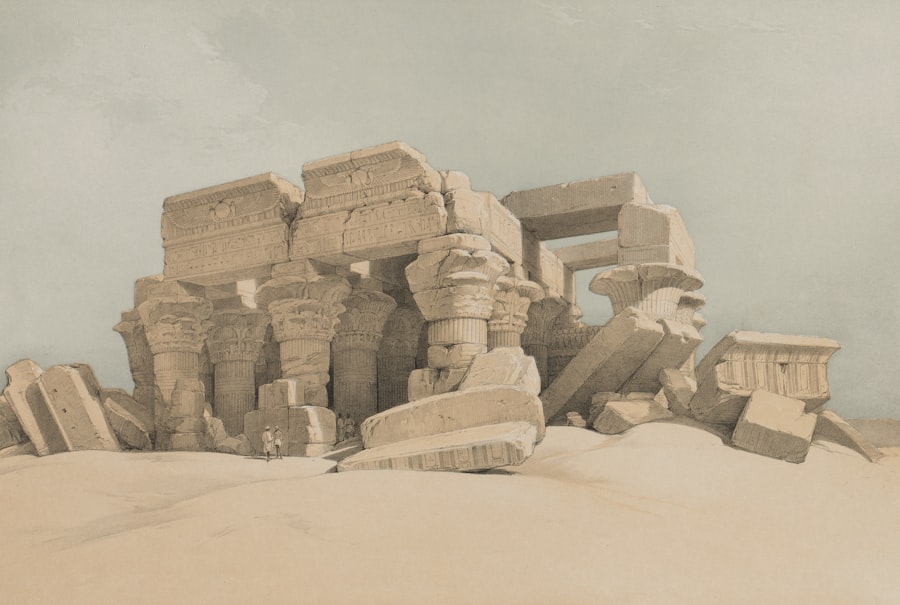
The illicit trade in antiquities represents a significant and ongoing threat to ancient history, ripping artifacts from their archaeological contexts and effectively murdering their historical significance.
The Illicit Antiquities Market: Robbing Context and Meaning
The demand for ancient artifacts, fueled by collectors, museums, and illicit dealers, incentivizes the plunder of archaeological sites, often in conflict zones or economically vulnerable regions.
Archaeological Sites as Open Wounds
When artifacts are looted, they are stripped of their context – the layers of soil, associated objects, and their precise location – which are crucial for archaeologists to reconstruct past societies. A pottery shard found in situ tells a story about daily life, trade, and technology; ripped from the ground and sold on the black market, it becomes merely an aesthetically pleasing object, its narrative amputated. The destruction caused by looters, often using heavy machinery or explosive devices, leaves archaeological sites devastated, rendering meaningful scientific investigation impossible. The extensive looting of Mesopotamian sites following the 2003 Iraq war offers a harrowing illustration of this systematic cultural bleeding.
The Role of Conflict in Facilitating Plunder
Armed conflicts create fertile ground for looting, as central authorities weaken and heritage protection measures crumble. Militant groups sometimes engage in looting to fund their operations, while economic desperation drives local populations to participate. The destruction and looting of cultural heritage in Syria and Iraq by groups like ISIS underscore the symbiotic relationship between conflict and cultural annihilation. These acts are often accompanied by propaganda, justifying the destruction as ideologically motivated while simultaneously engaging in profitable illicit trafficking.
Neglect and Ignorance: The Slow Fade

Not all historical erasure is deliberate. A significant portion of archaeological loss stems from a lack of awareness, insufficient resources, or the pressures of modern development.
Urban Expansion and Infrastructure Development: Burying the Past
As civilizations grow and modernize, ancient sites often lie beneath proposed development projects, leading to their unwitting destruction or permanent inaccessibility.
The Unseen Burials and Unrecorded Histories
Every construction project, from high-rise buildings to highways, has the potential to disturb or destroy archaeological remains. In many cases, these remains are simply paved over or dug up without proper archaeological survey, their stories forever silenced. The rapid urbanization of many developing nations, often without robust heritage protection laws or enforcement, means countless ancient settlements and burial grounds are being obliterated without record. This represents an insidious form of erasure, as history is literally buried under the weight of progress.
Lack of Funding and Resources for Preservation
Many countries with rich archaeological heritage lack the financial resources and trained personnel to adequately survey, excavate, and protect their sites. Consequently, sites fall into disrepair, succumb to environmental degradation, or are easy targets for looters. The scale of ancient heritage globally is immense, far exceeding the capacity of current preservation efforts. This widespread underfunding creates a vulnerability, leaving critical pieces of our shared human story exposed to slow disintegration.
Throughout history, there have been numerous instances where ancient civilizations and their contributions have been systematically erased or overlooked, leading to a distorted understanding of our past. A compelling exploration of this phenomenon can be found in an article that delves into the various methods employed to suppress historical narratives and the implications of these actions on contemporary society. For those interested in this topic, the article offers valuable insights and can be accessed here. Understanding how history has been manipulated is crucial for recognizing the importance of preserving our cultural heritage.
The Consequences of Forgetting: A Fragmented Mirror
| Method of Erasure | Description | Historical Examples | Impact on Historical Record |
|---|---|---|---|
| Destruction of Texts | Burning or deliberate destruction of manuscripts and inscriptions | Library of Alexandria fire, Qin Dynasty book burnings | Loss of primary sources, gaps in knowledge about ancient civilizations |
| Iconoclasm | Deliberate destruction of statues, monuments, and religious icons | Byzantine Iconoclasm, Taliban destruction of Bamiyan Buddhas | Erasure of cultural symbols and historical art, loss of archaeological evidence |
| Rewriting History | Altering or fabricating historical records to favor ruling powers | Egyptian Pharaohs erasing predecessors, Soviet historical revisions | Distorted historical narratives, biased understanding of events |
| Suppression of Languages | Banning or discouraging use of ancient or indigenous languages | Suppression of Mayan script post-Spanish conquest, colonial language policies | Loss of linguistic heritage, difficulty in interpreting ancient texts |
| Archaeological Neglect or Looting | Ignoring, damaging, or illegally removing artifacts from sites | Looting of Mesopotamian sites, neglect of indigenous sites in colonized regions | Irreversible loss of material culture, incomplete archaeological record |
The erasure of ancient history is not merely the loss of physical objects; it constitutes a profound intellectual and cultural impoverishment, leaving humanity with a distorted and incomplete understanding of its own journey.
A Severed Tapestry: Losing Context and Connection
When historical continuity is broken, the ability to understand present phenomena in light of past experiences is severely hampered. History serves as a mirror, reflecting our origins and informing our future.
The Impoverishment of Collective Memory
A loss of ancient history directly translates to an impoverishment of collective memory. Without the tangible and textual evidence of the past, societies lose the ability to fully comprehend their cultural roots, to draw inspiration from past achievements, and to learn from historical mistakes. This loss creates generations that are increasingly disconnected from their heritage, making them more susceptible to manipulation and less equipped to navigate complex global challenges. The threads connecting us to the foundational experiences of humanity become frayed and broken.
Inhibiting Future Scholarship and Innovation
Each lost artifact, each unread manuscript, represents a lost opportunity for future generations of scholars and innovators. Ancient technologies, philosophical insights, and societal structures could hold keys to solving contemporary problems or inspiring new avenues of thought. The erasure acts as a permanent epistemic barrier, preventing us from accessing insights that might lie buried or have been entirely obliterated. This intellectual void restricts our potential for understanding and advancement, as if a vital chapter has been ripped from a crucial textbook.
The Erosion of Identity: A Displaced Self
For communities and nations, ancient history is often intrinsically linked to identity, providing a sense of belonging, purpose, and continuity. Its erasure can be profoundly destabilizing.
Cultural Dislocation and Loss of Heritage
The systematic destruction of historical sites and artifacts can dislocate entire communities from their heritage, severing their connection to ancestral lands and traditions. This loss of tangible heritage often coincides with the suppression of oral histories and cultural practices, exacerbating the sense of displacement. When the physical markers of a culture are razed, it leaves a void, a feeling of being adrift without anchors in time. This is particularly acute for indigenous populations whose historical narrative is intricately woven into their landscape.
The Weaponization of History for Political Agendas
In the absence of a comprehensive and fact-based understanding of the past, history becomes vulnerable to manipulation. Regimes can exploit historical gaps or fabricated narratives to justify present actions, propagate nationalistic sentiments, or suppress dissent. When the authentic record is destroyed, it becomes easier to replace it with convenient fictions, turning history into a tool for propaganda rather than a source of truth. The erasure thus facilitates the rewriting of history to serve contemporary political objectives, further obscuring the intricate tapestry of human experience.
The systematic destruction and ongoing erasure of ancient history represent a profound wound on the collective human consciousness. It is a slow, often deliberate, process of forgetting, costing us not just objects and texts, but context, identity, and the wisdom embedded within the foundational experiences of our species. The challenges are immense, demanding a global commitment to preservation, education, and ethical archaeological practice to ensure that the mirror of the past remains as intact as possible for future generations to reflect upon.

SHOCKING: Why They Erased 33 Impossible Inventions From Your Textbooks
FAQs
What does it mean that ancient history was systematically erased?
Systematic erasure of ancient history refers to deliberate actions taken by individuals, groups, or governments to destroy, alter, or suppress historical records, artifacts, and cultural heritage to rewrite or obscure the past.
Why was ancient history intentionally erased in some cases?
Ancient history was often erased to consolidate power, eliminate rival narratives, suppress cultural identities, or control the collective memory of societies. This could involve destroying monuments, rewriting texts, or banning certain historical accounts.
What are some examples of systematic erasure of ancient history?
Examples include the destruction of the Library of Alexandria, the defacement of monuments during regime changes in ancient Egypt, the burning of Mayan codices by Spanish conquistadors, and the deliberate alteration of historical records by various empires to legitimize their rule.
How do historians and archaeologists recover erased ancient history?
They use methods such as excavations, studying surviving artifacts, analyzing ancient texts, employing advanced technologies like ground-penetrating radar and digital reconstruction, and cross-referencing multiple sources to piece together lost or altered histories.
What impact does the erasure of ancient history have on modern society?
Erasing ancient history can lead to loss of cultural identity, misunderstanding of historical events, and diminished appreciation for human heritage. It can also affect national narratives, influence political ideologies, and hinder efforts to learn from the past.