
The dust motes danced in the shafts of sunlight that pierced the gloom of the ancient workshop. Here, beside rough-hewn benches laden with tools worn smooth by generations of hands, the very essence of human endeavor found its form. This was a sanctuary of skill, a testament to the enduring power of craftsmanship. It is a lineage that stretches back to the dawn of humanity, a rich tapestry woven with threads of innovation, adaptation, and an unwavering dedication to making. The evolution of craftsmanship is not merely a historical recounting; it is an exploration of how human beings have consistently sought to imbue their creations with purpose, beauty, and the tangible imprint of their own ingenuity. It is a story of tools becoming extensions of the self, of materials yielding to patient mastery, and of the profound satisfaction derived from transforming raw potential into something of lasting value.
The very notion of craftsmanship is inextricably linked to the genesis of humanity itself. Long before the advent of agriculture or settled civilizations, our earliest ancestors were engaged in the fundamental act of shaping their environment to their needs. This initial phase of “craftsmanship” was driven by survival, by the primal imperative to procure food, fashion shelter, and defend against the elements. The earliest evidence of this nascent skill lies in the chipped stones that bear witness to the dawn of toolmaking.
The First Adept Hands: Stone Tools and the Birth of Purpose
The discovery of Acheulean handaxes, meticulously flaked with remarkable symmetry and balance, is a profound insight into the minds of Homo erectus. These were not haphazard collisions of rock; they were deliberate acts of creation, requiring forethought, an understanding of material properties, and the development of a rudimentary motor control that could be passed down through observation and imitation. The ability to fashion a tool that could skin an animal efficiently, dig for roots, or serve as a weapon was a monumental leap in human capability. This wasn’t just about using a sharp rock; it was about understanding its potential and painstakingly bringing that potential to fruition. The repetitive nature of the flaking process, the gentle percussion that systematically removed material, speaks to an early form of discipline and the developing capacity for sustained focus. Each flake removed was a decision, a step closer to a desired outcome.
The Art of the Improvised: Adapting to the Environment
Beyond the more formally recognized tools, many early crafts were born out of necessity and improvisation. The use of animal bones for needles, providing the means to stitch together animal hides for warmth and protection, exemplifies this. Similarly, the hollowed-out gourds or shells used as primitive containers demonstrate an intuitive understanding of natural forms and their potential applications. These inventions, though seemingly simple, represented significant advancements in comfort, hygiene, and the ability to store and transport resources. The knowledge of where to find suitable materials – tough sinew for binding, sturdy branches for grasping and leverage – was also a vital component of this early craft.
The Social Fabric: Transmission of Knowledge and Early Apprenticeship
While direct evidence of teaching methods from this era is scarce, it is logical to infer that the skills of toolmaking and resource utilization were passed down through generations via observation and direct instruction. The sophisticated, yet often subtle, differences in tool styles found in different geographical regions suggest learning communities and the development of localized traditions. A young hominid would have watched, mimicked, and been guided by elders, absorbing the nuances of striking, retouching, and selecting the right stone. This informal apprenticeship, rooted in necessity and shared experience, laid the foundation for more structured forms of knowledge transfer in later periods. The very act of witnessing an expert at work, of seeing the precise angle of a strike, the rhythm of the blows, and the careful selection of raw materials, was an education in itself.
The history of craftsmanship is a fascinating journey that showcases the evolution of skills and techniques passed down through generations. For those interested in exploring how craftsmanship intersects with contemporary challenges, a related article discusses the implications of rising sea levels on coastal communities and their traditional crafts. You can read more about this pressing issue in the article found here: The Threat of Rising Sea Levels.
The Flourishing of Form: Specialization and the Rise of the Artisan
As human societies began to stabilize and develop beyond purely nomadic subsistence, the conditions arose for greater specialization and the emergence of dedicated artisans. The surplus of resources and the formation of settled communities allowed individuals to dedicate their time and energy to honing specific skills, leading to greater refinement and complexity in their creations. This period saw craftsmanship move beyond mere utility to embrace aesthetics and the development of distinct artistic styles.
The Potter’s Wheel and the Magic of the Kiln: Ceramics and Beyond
The invention of the potter’s wheel, particularly prevalent in Mesopotamia and the Indus Valley, marked a significant turning point. It allowed for the creation of perfectly symmetrical vessels with unprecedented speed and uniformity. The arduous task of hand-coiling and shaping clay was revolutionized, freeing artisans to explore more intricate designs and forms. The subsequent development of kilns to fire pottery at high temperatures transformed its properties, making it durable, waterproof, and suitable for a wider range of uses, from storing grain to serving food. The mastery of firing temperatures, understanding how different clay compositions reacted to heat, and the decorative techniques employed – incising, stamping, and later, painting – all point to a growing depth of specialized knowledge. The rhythmic turning of the wheel, a mesmerizing dance between hand and earth, became a symbol of this new era of artistic control.
The Metalworker’s Forge: The Alchemy of Transformation
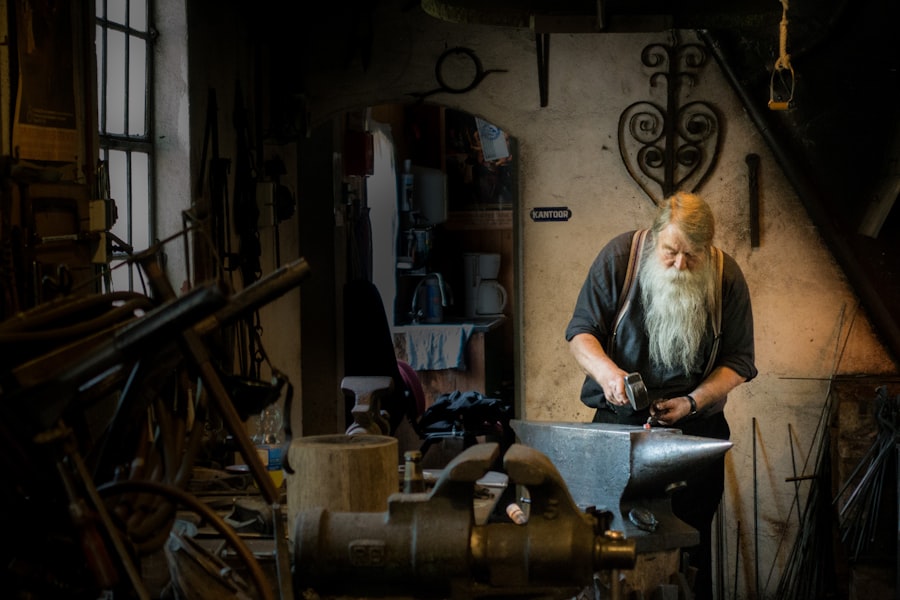
The Bronze Age and the subsequent Iron Age witnessed the transformative power of metallurgy. The ability to extract metals from ore, purify them, and shape them through heating and hammering opened up a vast new world of possibilities for craftsmanship. Metal tools were sharper, more durable, and more versatile than their stone predecessors, leading to advancements in agriculture, construction, and warfare. The blacksmith, in particular, became a pivotal figure in these societies, his forge a place of intense heat, deafening noise, and the meticulous manipulation of molten metal. From the delicate filigree of jewelry to the robust blades of swords, metalworking demanded a deep understanding of oxidation, tempering, and the physical properties of different alloys. The skill involved in drawing out metal, in shaping it with precise blows of the hammer, and in achieving specific temper for strength and flexibility was a testament to immense dedication and learned experience.
The Weaver’s Loom: Threads of Ingenuity and Pattern
Textile creation, while existing in rudimentary forms earlier, reached new heights of sophistication with the development of more advanced looms. The intricate patterns and vibrant dyes created by weavers adorned clothing, decorated homes, and served as markers of social status and cultural identity. The ability to interlace threads with precision, to create complex weaves like twill and satin, and to master the art of dyeing with natural pigments required a deep understanding of fiber properties, color theory, and repetitive, yet precise, manual dexterity. The visual language of textiles, with its geometric designs, symbolic motifs, and color palettes, spoke volumes about the societies that produced them. Each thread carefully placed, each knot tied with intent, contributed to a larger, often symbolic, narrative.
The Medieval Masterpiece: Guilds, Apprenticeship, and the Pursuit of Excellence
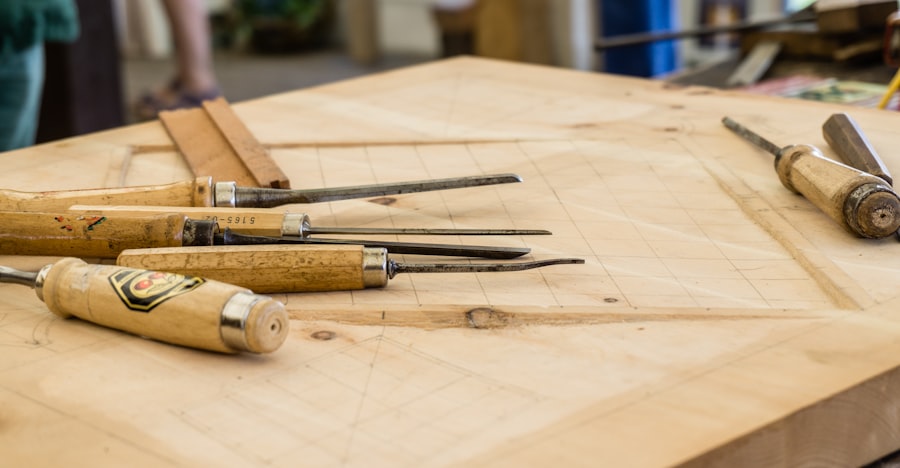
The Middle Ages represent a period where craftsmanship achieved a remarkable level of organization and public recognition. The rise of guilds played a crucial role in standardizing quality, regulating trade, and fostering a system of structured learning that produced artisans of exceptional skill. This era saw the creation of some of the most enduring and breathtaking examples of human artistry, from soaring cathedrals to intricate illuminated manuscripts.
The Iron Grip of the Guilds: Structure and Standardization
Guilds, associations of craftsmen within a particular trade, emerged as powerful entities in medieval towns and cities. They established rigorous standards for apprenticeships, governed the quality of goods produced, and protected the interests of their members. To become a master craftsman, an individual typically had to complete years of apprenticeship, followed by a period as a journeyman, and finally, the creation of a “masterpiece” – a demonstration of their skill and mastery of the craft to the satisfaction of the guild. This system ensured a consistent level of quality and fostered a sense of pride and camaraderie among artisans. The guild hall, a gathering place for debate, education, and social networking, was a vital hub for the dissemination and preservation of craft knowledge.
The Journey of the Journeyman: Broadening Horizons through Travel
Following their apprenticeship, journeymen would travel from town to town, seeking employment and honing their skills by working with different masters and encountering diverse styles and techniques. This period of mobility was crucial for the cross-pollination of ideas and the dissemination of best practices across regions. A journeyman carpenter might learn new framing techniques in one city, while a stonemason might master a particular carving style in another. This itinerant phase was an integral part of their education, exposing them to a wider spectrum of challenges and solutions within their chosen field. Their journeys were living libraries of craftsmanship, each encounter a chapter in their ongoing learning.
The Masterpiece: A Declaration of Dedication
The creation of the masterpiece was the ultimate test and the ultimate reward. It was a single, perfect example of the artisan’s skill, intended to showcase their technical proficiency, artistic vision, and understanding of the materials and tools of their trade. Whether it was a beautifully crafted piece of furniture, an exquisitely carved sculpture, or a flawlessly executed piece of metalwork, the masterpiece served as a tangible declaration of their journey from novice to master. The painstaking detail, the flawless execution, and the inherent beauty of these masterpieces continue to inspire awe and admiration centuries later.
The Industrial Revolution and the Shifting Landscape of Making
The Industrial Revolution, a period of profound technological innovation and societal transformation, brought about a seismic shift in the world of craftsmanship. While it led to unprecedented levels of production and affordability, it also challenged the traditional roles of artisans and redefined the very meaning of making.
The Rise of the Machine: Efficiency and Mass Production
The invention of new machinery, such as the power loom and the steam engine, revolutionized manufacturing. This led to the mass production of goods at a speed and scale previously unimaginable. Factories replaced workshops, and the assembly line became the new paradigm of production. While this made a wider array of goods accessible to more people, it often led to a de-skilling of labor, as workers performed repetitive, specialized tasks rather than engaging in the holistic creation of a product. The emphasis shifted from individual artistry to efficiency and output.
The Diminishing Hand: The Challenge to the Artisan’s Role
The proliferation of factory-made goods directly challenged the dominance of traditional crafts. Handmade items, once the norm, became increasingly expensive and exclusive. Many artisans found it difficult to compete with the lower prices and faster production times of manufactured goods. This led to a decline in certain traditional crafts and a restructuring of the artisan’s role, often pushing them towards niche markets, repair work, or artistic expression rather than everyday production. This was a period of existential crisis for many skilled trades.
The Seeds of Revival: A Growing Appreciation for the Handmade
Despite the dominance of mass production, the Industrial Revolution also sowed the seeds for a later revival of interest in craftsmanship. A growing dissatisfaction with the perceived soullessness of machine-made goods, coupled with an appreciation for the individuality, quality, and story behind handmade objects, began to emerge. This nascent movement, often fueled by artists and designers, recognized the unique value of human touch and skill in an increasingly automated world.
The history of craftsmanship is a fascinating journey that reflects the evolution of human creativity and skill over the centuries. From ancient tools to modern innovations, craftsmanship has played a crucial role in shaping societies and cultures. For those interested in exploring how contemporary advancements intersect with historical practices, a related article discusses the significance of Blue Origin’s role in lunar defense, highlighting the craftsmanship involved in aerospace engineering. You can read more about it in this insightful piece on lunar defense.
The Contemporary Renaissance: Reclaiming and Redefining Craft
| Time Period | Key Events |
|---|---|
| Ancient Times | Development of pottery, weaving, and metalworking |
| Middle Ages | Rise of guilds and apprenticeship system |
| Renaissance | Revival of classical techniques and emphasis on artistic skill |
| Industrial Revolution | Shift towards mass production and decline of traditional craftsmanship |
| Modern Era | Renewed interest in handmade goods and artisanal craftsmanship |
In the late 20th and 21st centuries, craftsmanship has experienced a remarkable resurgence. This contemporary renaissance is characterized by a renewed appreciation for artisanal skills, a blending of traditional techniques with modern technologies, and a growing understanding of the ethical and environmental implications of how things are made.
The Maker Movement: Empowering the Individual Creator
The “Maker Movement” has become a powerful force, fueled by accessible technology and a desire for self-sufficiency and creative expression. Individuals are reclaiming traditional skills and applying them to new contexts, often using digital tools like 3D printers and laser cutters alongside traditional hand tools. Online platforms and maker spaces have facilitated the sharing of knowledge, ideas, and collaborations, fostering a vibrant community of creators. This movement democratizes the act of making, empowering individuals to design, prototype, and produce their own goods.
Sustainable Craft: Ethical and Environmental Consciousness
There is a growing awareness of the environmental and ethical considerations associated with production. Contemporary craftspeople are increasingly prioritizing sustainable materials, ethical sourcing, and mindful production processes. This includes using recycled or upcycled materials, supporting local economies, and minimizing waste. The concept of “slow craft” emphasizes thoughtful creation over rapid consumption, promoting longevity and quality in the objects we surround ourselves with. This shift reflects a deeper understanding of the interconnectedness between our creations and the planet.
The Digital Artisan: Bridging the Gap Between Tradition and Innovation
Modern artisans are adept at integrating digital technologies into their practice. Computer-aided design (CAD) software allows for intricate design exploration, while digital fabrication tools enable precise execution. However, these technologies are often used to augment, rather than replace, traditional skills. A ceramist might use CAD to design a complex mold but still hand-finish the piece. A woodworker might use a CNC router for initial shaping but then meticulously hand-carve the final details. This symbiotic relationship between the digital and the manual allows for unprecedented levels of creativity and efficiency. The digital artisan is not merely a technician; they are a visionary who understands how to leverage the best of both worlds to bring their ideas to life.
The evolution of craftsmanship is an ongoing narrative, a testament to the unyielding human desire to create, to innovate, and to imbue the world with the tangible evidence of our skill and dedication. From the earliest chipped stones to the digitally augmented creations of today, the journey of craftsmanship reflects the journey of humanity itself – a continuous striving for perfection, a deep connection to materials, and an enduring faith in the power of the human hand. The story continues, as each generation adds its own unique chapter to this rich and ever-evolving tapestry of making.

The Greatest Technology Humanity Ever Lost
FAQs
What is craftsmanship?
Craftsmanship refers to the skill and quality of workmanship in creating handmade or traditionally produced goods. It involves a high level of attention to detail, precision, and expertise in a particular craft or trade.
What is the history of craftsmanship?
Craftsmanship has a long history dating back to ancient civilizations, where skilled artisans and craftsmen created intricate and functional objects using traditional techniques and tools. Craftsmanship has evolved over time, adapting to new technologies and materials while still maintaining a focus on quality and skill.
What are some examples of traditional craftsmanship?
Examples of traditional craftsmanship include woodworking, pottery, metalworking, weaving, glassblowing, and leatherworking. These crafts often have deep cultural and historical significance and are passed down through generations.
How has craftsmanship evolved over time?
Craftsmanship has evolved with the introduction of new technologies and materials, allowing for greater precision and efficiency in production. However, there has also been a resurgence in traditional craftsmanship as people seek out handmade, high-quality goods with a focus on sustainability and authenticity.
What is the significance of craftsmanship in today’s society?
Craftsmanship continues to be valued in today’s society for its emphasis on quality, uniqueness, and the preservation of traditional skills and techniques. It also plays a role in supporting local economies and promoting sustainable practices.