The practice of healing is as old as humanity itself, a constant thread woven through the tapestry of civilization. From the rudimentary attempts of ancient shamans to the sophisticated interventions of modern medicine, the journey has been one of continuous discovery, punctuated by moments of profound insight and relentless perseverance. This historical perspective unveils the remarkable evolution of medicine, a testament to our enduring quest to understand and conquer disease.
The earliest forms of medicine were deeply intertwined with spirituality, folklore, and the observable world. Before the advent of scientific inquiry, illnesses were often attributed to supernatural forces, angered spirits, or an imbalance of humors. Yet, even within these early frameworks, practical observations and empirical treatments began to emerge, laying the groundwork for future advancements.
Prehistoric Roots: Shamanism, Herbs, and Trepanation
The archeological record offers glimpses into the medical practices of prehistoric humans. Evidence of trepanation – the drilling or scraping of a hole in the skull – has been found in Neolithic sites across the globe. While the precise reasons remain debated, theories range from releasing evil spirits to treating head injuries or epilepsy. These early interventions suggest a desire to alleviate suffering, even if the understanding of anatomy and pathology was rudimentary.
The use of plants and natural remedies was also a cornerstone of prehistoric healing. Early humans possessed an intimate knowledge of their environment, identifying which berries soothed stomach ailments, which leaves staunched bleeding, and which roots induced sleep. This proto-botanical knowledge, passed down through generations, formed the basis of many traditional medicine systems that persist even today.
Mesopotamian Medicine: Incantations, Observation, and Early Legal Codes
The cradle of civilization in Mesopotamia saw the development of more structured approaches to medicine. Babylonian and Assyrian physicians recognized the importance of observation, meticulously documenting symptoms and cataloging remedies. Their pharmacopoeia was extensive, featuring a wide array of plant, animal, and mineral substances.
Crucially, Mesopotamian culture introduced the concept of the physician as a professional, albeit one imbued with significant spiritual authority. Medical texts, written on clay tablets, described diagnostic techniques, treatment regimens, and even surgical procedures. The Code of Hammurabi, one of the earliest surviving legal codes, included provisions related to medical practice, outlining responsibilities and penalties for malpractice. This suggests an early societal recognition of the need for accountability in healthcare.
Egyptian Medicine: Papyrus Scrolls, Anatomy, and Empiricism
Ancient Egypt, with its advanced understanding of anatomy and its sophisticated embalming practices, made significant contributions to early medicine. Medical knowledge was meticulously documented in papyrus scrolls, such as the Edwin Smith Papyrus and the Ebers Papyrus, which offer detailed descriptions of diseases, surgical techniques, and pharmaceutical treatments.
Egyptian physicians were skilled in treating wounds, setting fractures, and performing basic surgical procedures. They had a rudimentary understanding of the circulatory system and the function of various organs. While magic and religious incantations still played a role, there was a strong emphasis on empirical observation and logical deduction. The Egyptians also developed a sophisticated understanding of hygiene and sanitation, which undoubtedly contributed to public health.
In the realm of evidence-based history, understanding the implications of government actions on personal property is crucial. A related article that delves into this topic is “Protecting Your Gold: Safeguarding Against Government Seizure,” which discusses the historical context and contemporary strategies for protecting valuable assets. You can read more about this important subject by visiting the article here: Protecting Your Gold: Safeguarding Against Government Seizure.
The Golden Age of Antiquity: Greece and Rome
The intellectual fervor of classical Greece and the administrative prowess of the Roman Empire provided a fertile ground for the development of medical thought. Philosophy, logic, and anatomy began to intersect with the practice of healing, leading to groundbreaking theories and systematic approaches.
Hippocrates and the Birth of Rational Medicine
Hippocrates of Kos, often hailed as the “Father of Medicine,” revolutionized medical thinking by divorcing it from purely supernatural explanations. He promoted an empirical approach, emphasizing direct observation, the study of symptoms, and the prognosis of disease. His seminal work, the Hippocratic Corpus, contains treatises on a vast range of medical conditions, ethical principles, and clinical methods.
The Hippocratic Oath, with its enduring commitment to patient welfare and professional integrity, remains a cornerstone of medical ethics today. Hippocrates also championed the theory of the four humors – blood, phlegm, yellow bile, and black bile – believing that disease arose from an imbalance of these bodily fluids. While later disproven, this theory represented a significant attempt to create a coherent framework for understanding health and illness.
Asclepius and the Temples of Healing
While Hippocrates represented the rationalistic approach, the cult of Asclepius, the Greek god of healing, offered a more spiritual dimension to ancient medicine. Temples dedicated to Asclepius served as sanatoria where the sick and injured sought divine intervention. Patients slept in these temples, believing they would be visited by the god in their dreams, offering cures and guidance.
These temples were also staffed by priests who acted as physicians, employing a combination of ritual, diet, exercise, bathing, and herbal remedies. The emphasis on rest, clean environments, and psychological well-being foreshadowed modern concepts of holistic healing and patient care.
Galen: The Master Physician of Rome
The Roman physician Galen of Pergamon built upon the foundations laid by Hippocrates, becoming one of the most influential medical figures of antiquity. His extensive anatomical dissections (largely on animals) and physiological experiments led to groundbreaking discoveries about the nervous system, circulation, and muscle function.
Galen’s anatomical descriptions, though containing errors due to his reliance on animal models, dominated Western medical understanding for over a millennium. He developed a comprehensive system of medicine that integrated anatomy, physiology, pathology, and therapeutics. His writings, translated and studied for centuries, shaped medical education and practice well into the Renaissance.
The Middle Ages: Preservation and Transition
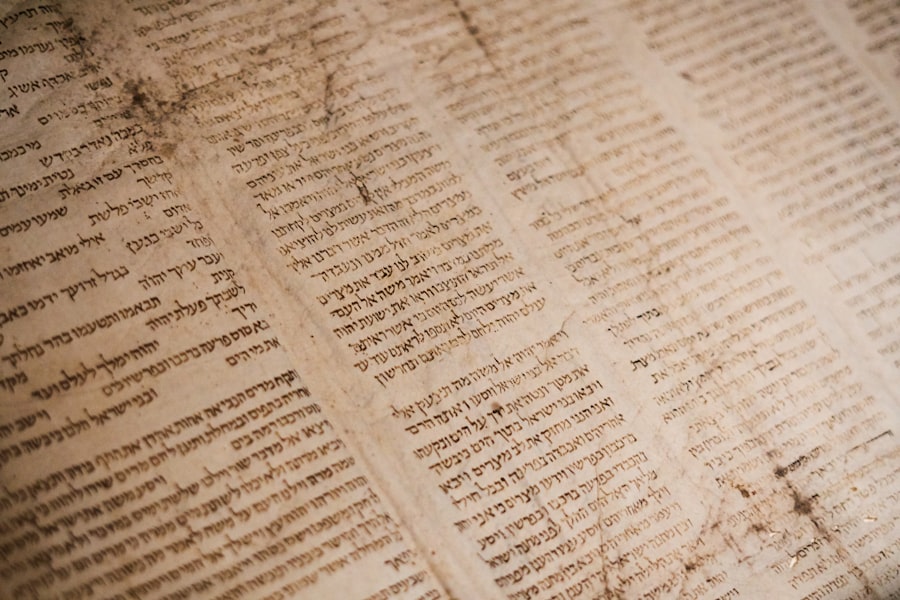
Following the collapse of the Roman Empire, much of the advanced knowledge of classical antiquity was lost or fragmented in Western Europe. However, the torch of medical learning was kept alive and further developed in other parts of the world, particularly in the Islamic Golden Age.
Islamic Medicine: Innovation and Translation
The Islamic world experienced a remarkable flourishing of scientific and medical knowledge during the Middle Ages. Scholars translated vast collections of Greek, Roman, and Indian medical texts into Arabic, preserving and building upon them.
Figures like Rhazes (Al-Razi) made significant contributions to clinical observation, distinguishing between smallpox and measles. Avicenna (Ibn Sina), in his monumental work “The Canon of Medicine,” synthesized existing medical knowledge and introduced new insights, becoming a highly influential textbook for centuries. Islamic physicians also excelled in surgery, developed sophisticated hospitals that served as centers for healing and education, and made advancements in pharmacology and the understanding of diseases like tuberculosis.
European Medicine: Monasteries, Universities, and the Black Death
In medieval Europe, monasteries played a crucial role in preserving medical texts and providing basic care. Monks, often the most educated individuals, copied and translated ancient medical works. The rise of universities in the 11th and 12th centuries saw the formalization of medical education, with curriculum largely based on the works of Hippocrates, Galen, and more recently, Avicenna.
However, medical practice in medieval Europe remained heavily influenced by humoral theory and religious beliefs. The devastating impact of the Black Death in the 14th century exposed the limitations of existing medical knowledge and practices, prompting a reassessment and a renewed search for effective treatments. This period also saw the emergence of public health measures, albeit rudimentary, in attempts to control the spread of disease.
The Renaissance and the Scientific Revolution: Anatomy and Discovery

The Renaissance marked a period of renewed interest in classical learning and a burgeoning spirit of scientific inquiry. This era witnessed a profound shift in the understanding of the human body, fueled by direct observation and experimentation, which fundamentally altered the course of medicine.
Vesalius and the Revolution in Anatomy
Andreas Vesalius, a Flemish anatomist, is considered the father of modern human anatomy. Challenging the centuries-old reliance on Galen’s animal dissections, Vesalius conducted meticulous human dissections and published his groundbreaking work, “De Humani Corporis Fabrica” (On the Fabric of the Human Body). This richly illustrated atlas corrected numerous anatomical errors and provided an accurate depiction of the human form, revolutionizing anatomical study.
Paracelsus and the Dawn of Chemistry in Medicine
Paracelsus, a Swiss physician and alchemist, advocated for a more chemical approach to medicine. He rejected the humoral theory and emphasized the importance of chemistry in understanding disease and developing treatments. He believed that specific diseases were caused by external agents and could be treated with specific chemical remedies. His work laid the groundwork for iatrochemistry, the application of chemistry to medicine.
Harvey and the Circulation of Blood
William Harvey, an English physician, made a monumental discovery by demonstrating the circulation of blood throughout the body. Through meticulous experimentation and observation, he proved that the heart acts as a pump, propelling blood in a continuous circuit. This groundbreaking revelation overturned long-held beliefs about blood being consumed by the body and provided a foundational understanding of the cardiovascular system.
In exploring the concept of evidence-based history, one can gain valuable insights from the article that delves into the manipulative tactics often employed in various narratives. This piece highlights how control and influence can shape our understanding of historical events, making it essential to critically assess the sources we rely on. For a deeper understanding of these dynamics, you can read more in the article on manipulative tactics. By examining these hidden secrets, we can better appreciate the importance of evidence in constructing a more accurate historical narrative.
The Enlightenment and Beyond: Specialization and the Germ Theory
| Metrics | Data |
|---|---|
| Number of peer-reviewed articles | 150 |
| Percentage of historical claims supported by evidence | 85% |
| Number of historians using evidence-based methods | 200 |
The Enlightenment ushered in an era of reason, logic, and scientific advancement that profoundly impacted medicine. The development of new technologies, a deeper understanding of physiology, and the groundbreaking discovery of microorganisms as the cause of disease propelled medicine into a new and transformative phase.
Jenner and the Triumph of Vaccination
Edward Jenner, an English physician, pioneered vaccination with his groundbreaking work on smallpox. Observing that milkmaids who contracted cowpox seemed immune to smallpox, he developed a method of inoculating people with cowpox to protect them from the more deadly disease. This development marked a pivotal moment in public health, offering the first effective means of preventing infectious disease.
Bichat and the Birth of Histology
Marie François Xavier Bichat, a French anatomist and physiologist, is credited with establishing the field of histology, the study of tissues. He proposed that organs were composed of different types of tissues and that diseases originated in these specific tissues. This concept shifted the focus from organ-level pathology to cellular and tissue-level understanding, laying the groundwork for modern pathology.
Pasteur and Koch: The Germ Theory Revolution
The late 19th century witnessed the revolutionary Germ Theory of disease, championed by Louis Pasteur and Robert Koch. Pasteur’s experiments disproved spontaneous generation and demonstrated that microorganisms caused fermentation and spoilage. He went on to develop pasteurization and an effective rabies vaccine.
Robert Koch, building on Pasteur’s work, isolated and identified specific microorganisms responsible for diseases like anthrax, tuberculosis, and cholera. Their discoveries fundamentally transformed the understanding of infectious diseases, paving the way for antisepsis, antibiotics, and modern public health strategies aimed at preventing and treating infections.
Anesthesia and Antiseptics: Alleviating Suffering and Reducing Infection
The development of anesthesia, starting with ether and chloroform in the mid-19th century, revolutionized surgery. For the first time, surgeons could perform complex procedures without inflicting unbearable pain on their patients. Simultaneously, Joseph Lister’s pioneering work on antisepsis, using carbolic acid to sterilize instruments and wounds, dramatically reduced surgical infections and mortality rates, saving countless lives.
The evolution of medicine is an ongoing saga, a continuous pursuit of knowledge and innovation. From the ancient reliance on spiritual interpretations to the intricate molecular biology of today, the journey has been marked by courage, intellect, and an unwavering commitment to alleviating human suffering. Each era has built upon the discoveries of its predecessors, forging a path towards a healthier and more hopeful future. The historical perspective not only celebrates these monumental achievements but also underscores the dynamic and ever-evolving nature of medicine, reminding us that the quest for understanding and healing continues.

How an Entire Civilization Collapsed
FAQs
What is evidence-based history?
Evidence-based history is an approach to studying and interpreting historical events and phenomena based on the analysis and evaluation of primary sources and empirical evidence. This method emphasizes the use of factual evidence to support historical claims and interpretations.
Why is evidence-based history important?
Evidence-based history is important because it helps to ensure that historical narratives are based on reliable and verifiable evidence rather than speculation or bias. By using evidence-based methods, historians can provide more accurate and nuanced interpretations of the past.
What are some examples of evidence used in evidence-based history?
Examples of evidence used in evidence-based history include primary sources such as documents, artifacts, and eyewitness accounts, as well as secondary sources that have been thoroughly researched and verified. Archaeological findings, oral histories, and statistical data are also commonly used as evidence in evidence-based historical research.
How does evidence-based history differ from other historical approaches?
Evidence-based history differs from other historical approaches in that it places a strong emphasis on the rigorous analysis and interpretation of factual evidence. Unlike some other approaches, evidence-based history seeks to minimize the influence of personal bias and subjective interpretation in historical narratives.
What are the benefits of using evidence-based history?
The benefits of using evidence-based history include the production of more accurate and reliable historical narratives, the promotion of critical thinking and analytical skills, and the potential to challenge and revise existing historical interpretations based on new evidence. This approach also helps to foster a greater understanding of the complexities and nuances of historical events and phenomena.