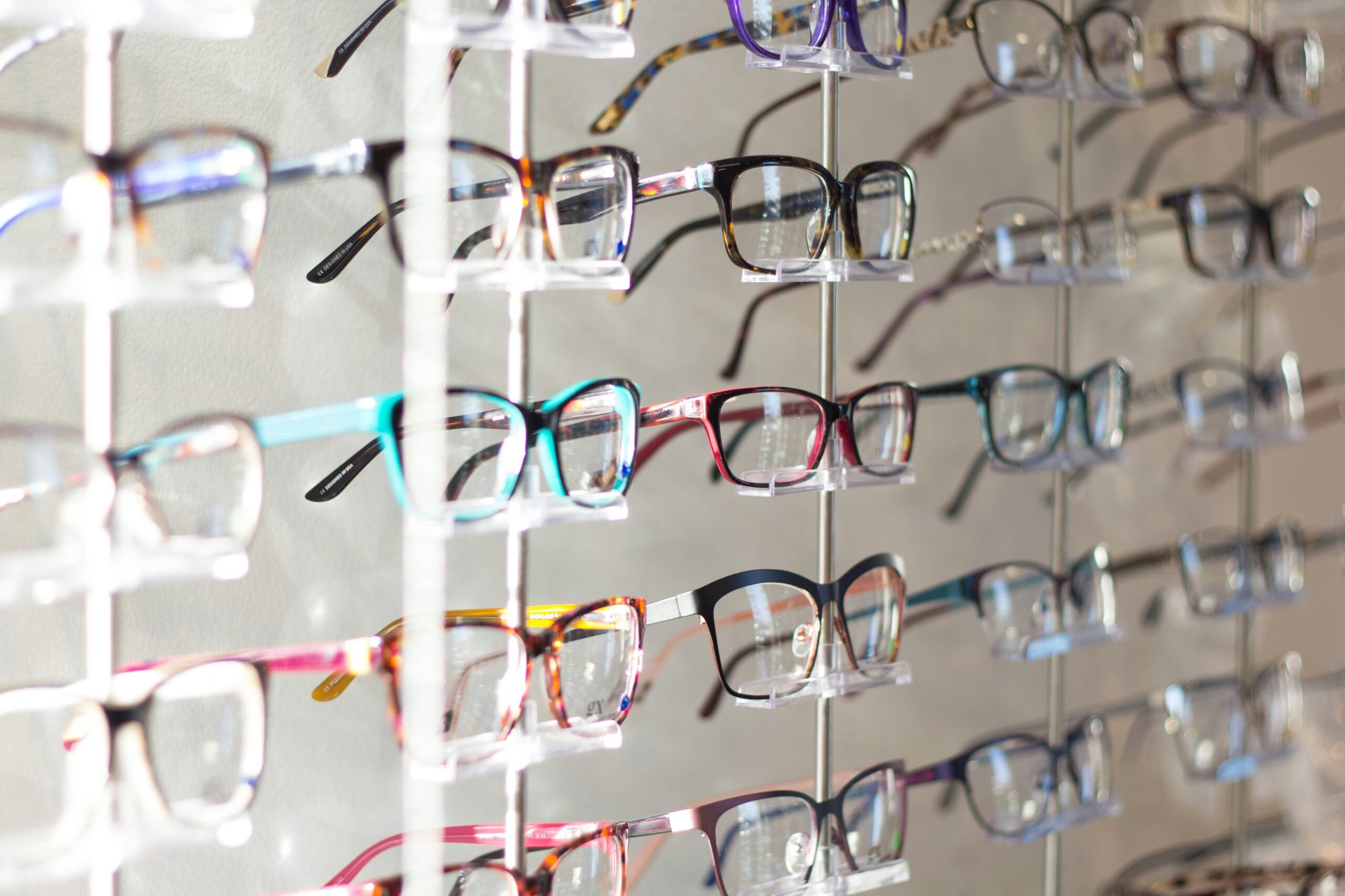
The journey of spectacles, from their rudimentary beginnings to the sophisticated optical instruments of today, is a testament to human ingenuity and the relentless pursuit of clearer vision. What began as a simple, albeit revolutionary, tool for the visually impaired has evolved into a multifaceted accessory, blending functionality with fashion, and playing a significant role in the advancement of science and everyday life. The evolution of spectacles is not merely a story of lenses and frames, but a narrative interwoven with advancements in optics, manufacturing, and societal attitudes towards sight and appearance.
The Nascent Stages: Early Forms of Vision Correction
The concept of magnifying objects is an ancient one, predating the invention of spectacles by millennia. Early civilizations, particularly those with a keen interest in scholarship and detailed observation, likely experimented with various methods to improve their vision. These early attempts, while not spectacles as we know them, laid the groundwork for future innovations. The understanding of how light bends and refracts, a fundamental principle of optics, was crucial in this initial exploration.
Ancient Approaches to Magnification
Before the advent of wearable lenses, individuals with presbyopia, the age-related farsightedness, relied on cruder methods. The use of polished gemstones, particularly quartz, has been documented as early as the Roman era. Emperor Nero, for instance, was said to have watched gladiator games through an emerald, which may have served both as a tinted lens to reduce glare and potentially as a rudimentary magnifier due to its convex shape. Similarly, scholars in ancient Greece and Rome might have used polished glass spheres filled with water to read small script. These objects, while cumbersome and offering limited magnification, demonstrated a nascent understanding that curved transparent materials could alter the path of light and enlarge perceived objects. The concept of a lens, a shaped piece of transparent material, was beginning to take root, even if the practical application was limited by the technology and materials available. The focus was on individual objects rather than a sustained aid for reading or close work.
The Dawn of Lenses: Before Spectacles Were Worn
The critical breakthrough leading to spectacles occurred with the development of lens grinding techniques. While the exact origin is debated, it is widely believed that the development of eyeglasses emerged in Northern Italy, likely in Pisa or Florence, in the late 13th century. This period saw significant advancements in glassmaking and the ability to grind and polish glass with precision. The early lenses were typically convex, designed to help individuals with presbyopia read. These were not spectacles as we recognize them today, but rather individual magnifying lenses that would be held by hand or attached to a stand. They were a profound step forward, allowing individuals who were previously limited by their failing near vision to continue their intellectual pursuits and trades. The ability to read and write, essential for many professions, was thus extended into later life, with significant societal implications.
The history of spectacles is a fascinating journey that highlights the evolution of vision correction over the centuries. For those interested in how historical artifacts can provide insight into past technologies, a related article discusses the Piri Reis map and its accuracy debate, shedding light on the advancements in navigation and cartography during the same era when spectacles were gaining popularity. You can read more about this intriguing topic by visiting this article.
The Medieval Eyeglasses: The First Wearable Aids

The invention of the first wearable eyeglasses in the late 13th century marked a pivotal moment in the history of vision correction. These early devices, though far from the stylish frames of today, were revolutionary in their simplicity and effectiveness. Their appearance transformed the lives of countless individuals, enabling them to continue their work and enjoy reading well into their old age. This innovation was not a sudden flash of genius but rather a gradual evolution built upon the understanding of optics and the advancements in glass manufacturing.
The “Riveting Spectacles” and Their Design
The earliest spectacles were known as “riveting spectacles.” They consisted of two convex lenses, each set in a frame of bone, metal, or leather. These two frames were then joined together by a rivet, allowing them to be clamped onto the nose. This design was functional but far from comfortable, often pinching the nose and requiring constant adjustment. Despite their awkwardness, these spectacles were a godsend for individuals suffering from presbyopia. They were primarily used for reading, and their availability allowed craftsmen, scholars, and merchants to extend their working lives and continue their intellectual endeavors. The lenses themselves were likely made from quartz or early forms of glass, ground to a convex shape to provide magnification. The frames were rudimentary, prioritizing function over form. The rivet allowed for some adjustment, but the overall experience was likely a far cry from the comfortable eyewear we have today.
The Impact on Medieval Society
The introduction of wearable eyeglasses had a profound impact on medieval society. For the first time, individuals could effectively combat the natural decline in near vision that accompanied aging. This had significant implications for the continuation of intellectual pursuits, the transmission of knowledge, and the economic productivity of older individuals. Scholars could continue their research, scribes could maintain their meticulous work, and merchants could manage their ledgers. The ability to read and write for longer periods contributed to the intellectual ferment of the late medieval period and paved the way for the Renaissance. While initially a luxury item, likely accessible only to the wealthy and educated, their gradual diffusion democratized the ability to see clearly. The societal perception of aging also began to shift, as the decline of vision was no longer an insurmountable barrier to continued engagement with the world of ideas and commerce.
The Renaissance and Beyond: Refining the Form and Function

The Renaissance, a period of unprecedented artistic, scientific, and cultural flourishing, also witnessed significant developments in the evolution of spectacles. As understanding of optics deepened and manufacturing techniques improved, eyeglasses became more refined, both in their design and their effectiveness. This era saw the emergence of new styles and a broader adoption of spectacles across different social strata. The focus shifted from merely correcting vision to creating more comfortable and aesthetically pleasing eyewear.
New Lens Technologies and Frame Designs
During the Renaissance, glassmaking continued to advance, leading to clearer and more consistent lenses. The understanding of how to grind lenses to specific curvatures improved, allowing for more precise correction of vision. Concave lenses, used to correct myopia (nearsightedness), began to appear, expanding the range of visual impairments that could be addressed. Frame designs also evolved. Instead of the riveted spectacles, the idea of attaching the frames to the ears began to emerge, although this would take centuries to become commonplace. Early attempts included spectacles that were tied around the head or held in place by weights. The frames themselves were often made of more precious materials like silver and gold, reflecting the growing status associated with wearing eyeglasses. Decorative elements were increasingly incorporated, marking a transition towards spectacles as not just a functional tool but also an object of personal adornment. The development of the “bridge” to connect the two lenses was also a significant ergonomic improvement, allowing for better weight distribution on the nose.
The Spread of Eyeglasses and Optical Knowledge
As lenses became more accessible and effective, spectacles moved beyond the realm of scholars and the wealthy. They became more common among the burgeoning merchant class and even some artisans. The increased use of eyeglasses led to a greater understanding of optics among the general population. The works of scientists and philosophers like Johannes Kepler, who conducted groundbreaking research on vision and the eye, further fueled this optical revolution. Kepler’s work in the early 17th century on how the eye focuses light was fundamental to understanding the principles behind lens correction. The proliferation of printed materials during the Renaissance also played a role; as books became more common, the need for reading aids increased, further driving the demand for eyeglasses. This period laid the foundation for the scientific study of vision and the eventual development of more sophisticated optical instruments.
The Age of Enlightenment and Industrial Revolution: Mass Production and Accessibility
The Enlightenment, with its emphasis on reason and scientific inquiry, and the subsequent Industrial Revolution, with its transformative impact on manufacturing, profoundly altered the landscape of spectacle production. For the first time, eyeglasses began to move towards mass production, making them more affordable and accessible to a wider segment of the population. This era saw a significant shift in both the technology of spectacle making and the societal perception of eyewear.
Innovations in Lens Grinding and Frame Manufacturing
The Industrial Revolution brought about mechanized processes that revolutionized lens grinding. Previously a painstaking manual craft, machines were developed that could produce lenses with greater uniformity and at a much faster rate. This led to a significant reduction in costs. Frame manufacturing also benefited from industrial advancements. Metalworking techniques improved, allowing for stronger and more durable frames to be produced in larger quantities. The development of new materials, such as nickel and eventually aluminum, also contributed to more affordable and diverse frame options. The invention of the temple arm, the piece of the frame that rests over the ear, truly revolutionized the wearability and comfort of eyeglasses, making them far more secure and less prone to slipping. This innovation, which gradually gained popularity throughout the 18th and 19th centuries, was a game-changer for everyday use.
Spectacles as a Commonplace Item
With mass production and improved comfort, spectacles transitioned from a specialized item to a commonplace necessity for many. They became an indispensable tool for workers in various industries, including clerks, printers, and factory workers, who relied on clear vision for their tasks. The standardization of lenses also meant that a wider range of prescriptions could be accurately replicated, catering to a broader spectrum of visual impairments. This democratization of sight correction had a significant impact on educational attainment and occupational opportunities. The image of the bespectacled individual became increasingly familiar in art and literature, reflecting their growing presence in society. The affordability and availability also meant that people were less likely to suffer in silence with poor vision, contributing to a general improvement in quality of life.
The fascinating history of spectacles reveals much about human ingenuity and the quest for improved vision. From their early origins in the 13th century to the modern designs we see today, spectacles have evolved significantly. If you’re interested in exploring how human innovation continues to shape our future, you might find this article on securing long-term human presence on the moon particularly intriguing. It highlights the ongoing advancements in technology and their implications for humanity’s future, much like the evolution of eyewear. You can read more about it here.
The Modern Era: From Fashion Accessory to High-Tech Tool
| Year/Period | Development | Material | Significance |
|---|---|---|---|
| 1286 | First recorded use of spectacles | Glass lenses, wooden or bone frames | Improved vision for presbyopia, earliest known eyeglasses |
| 15th Century | Introduction of concave lenses for myopia | Glass lenses, metal frames | Expanded use of spectacles to nearsightedness |
| 18th Century | Development of bifocals by Benjamin Franklin | Glass lenses, metal frames | Allowed correction for both near and far vision in one lens |
| 19th Century | Mass production of spectacles | Glass lenses, metal and plastic frames | Increased accessibility and affordability |
| 20th Century | Introduction of plastic lenses and lightweight frames | Plastic lenses, plastic and metal frames | Improved comfort and durability |
| 21st Century | Advancements in lens technology (e.g., anti-reflective, photochromic) | High-tech plastic lenses, titanium and composite frames | Enhanced visual clarity and user convenience |
The 20th and 21st centuries have witnessed an extraordinary evolution of spectacles, transforming them from purely functional devices into sophisticated, high-tech instruments and prominent fashion accessories. Innovation has continued at an unprecedented pace, driven by advancements in materials science, optical technology, and design. Eyewear today is a reflection of both personal style and technological prowess.
Advancements in Lens Materials and Designs
The development of new lens materials has been a cornerstone of modern eyewear. Plastics, such as polycarbonate and Trivex, have replaced glass in many applications due to their lighter weight, greater impact resistance, and inherent UV protection. The advent of progressive lenses, which offer a seamless transition between different focal lengths for distance, intermediate, and near vision, has revolutionized the correction of presbyopia, providing a more natural visual experience than bifocals. Anti-reflective coatings, scratch-resistant coatings, and photochromic (transition) lenses further enhance visual clarity, durability, and convenience. Specialized lenses for computer use, reducing digital eye strain, and for specific sports, offering enhanced contrast and protection, demonstrate the ongoing innovation in tailoring eyewear to specific needs. The precise manipulation of lens curvature and thickness has allowed for thinner, lighter, and more aesthetically pleasing lenses, even for high prescriptions.
The Convergence of Fashion and Functionality
In the modern era, spectacles are no longer solely about vision correction; they are a significant element of personal style and fashion. Designers have embraced eyewear as a key accessory, with a vast array of frame shapes, materials, colors, and embellishments available to suit every taste and occasion. From minimalist and understated designs to bold and avant-garde creations, spectacles offer a powerful way for individuals to express their personality. The integration of technology has also opened new frontiers. Smart glasses, incorporating features like heads-up displays, connectivity, and even cameras, are beginning to emerge, blurring the lines between eyewear and wearable technology. The continued research and development in optics, materials, and manufacturing ensure that the evolution of spectacles will continue, promising even more innovative and personalized solutions for vision enhancement and personal expression in the years to come. The journey from ancient polished stones to augmented reality interfaces is a remarkable testament to humanity’s enduring quest to see the world more clearly.

Did This Ancient Crystal Help People See?
FAQs
What is the history of spectacles?
Spectacles were invented in Italy in the late 13th century, with the first recorded mention in a sermon by Dominican friar Giordano da Pisa in 1306.
Who invented spectacles?
The inventor of spectacles is believed to be an unknown Italian artisan, with the first mention of them attributed to Friar Giordano da Pisa.
How did spectacles evolve over time?
Spectacles evolved from simple magnifying glasses to include frames and temples for better fit and comfort. The design and materials used have also changed over the centuries.
When did spectacles become popular?
Spectacles became popular in the 14th century, spreading from Italy to other parts of Europe. By the 17th century, they were widely used by scholars, artists, and the general public.
What impact did spectacles have on society?
The invention of spectacles revolutionized the way people with vision problems could see and read, leading to increased literacy rates and improved quality of life for many individuals.