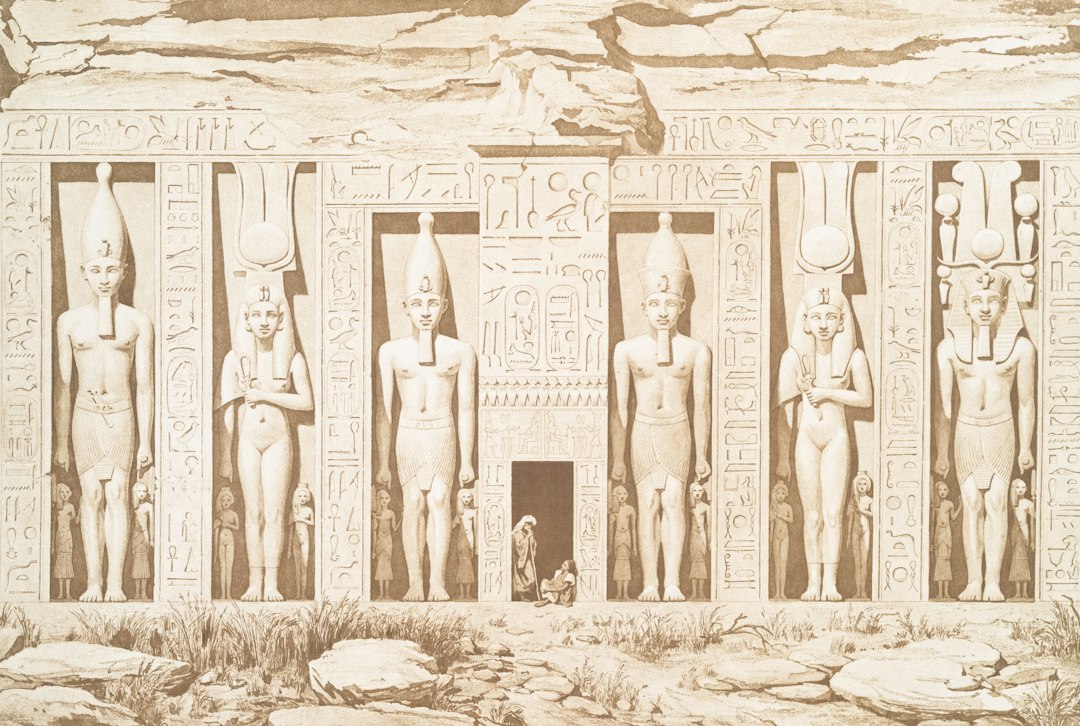
The Bronze Age Collapse, a period of widespread societal upheaval and decline across the Near East and Mediterranean world around the end of the 13th and beginning of the 12th centuries BCE, remains one of history’s enduring mysteries. Among the empires profoundly affected, and ultimately vanishing, was the mighty Hittite Empire. Once a dominant force, its sudden disappearance from the historical stage has captivated scholars for generations, sparking a multitude of theories, from seismic cataclysms to invasion by mysterious sea peoples. This article delves into the intricate tapestry of factors that likely contributed to the demise of this once-great civilization, exploring its strengths, vulnerabilities, and the multifaceted crisis that led to its ultimate fall.
The Zenith of Hittite Power
The Hittites, an Indo-European people who migrated into Anatolia sometime in the third millennium BCE, established their capital at Hattusa, a strategically located city near modern-day Boğazkale in Turkey. By the late Bronze Age, they had forged a formidable empire that stretched across much of Anatolia, parts of Syria, and even influenced regions further afield. Their military prowess, characterized by the effective use of chariots and a well-organized army, was a key factor in their ascendancy. The Hittites were not merely warriors; they were also sophisticated administrators, diplomats, and innovators.
A Strategic and Military Might
The Hittite military was a well-oiled machine. Their chariots, often depicted as powerful war machines capable of carrying three men (a driver, a shield-bearer, and a warrior), were a significant advantage on the battlefield. This advantage was further amplified by their mastery of iron metallurgy, though the widespread adoption of iron weapons by their rivals would eventually diminish this edge. The Hittite army was comprised of a core of professional soldiers supplemented by levies from their vast territories. Their ability to mobilize these forces effectively allowed them to engage in protracted campaigns and defend their extensive borders. The Hittites also developed a sophisticated legal system and a complex administrative structure to manage their vast dominion. Treaties, such as the famous Treaty of Kadesh with the Egyptians, demonstrate their advanced diplomatic skills and their ability to engage with other major powers on equal footing.
The Heart of the Empire: Hattusa
Hattusa was more than just a capital city; it was the pulsating heart of the Hittite Empire. Its monumental architecture, including the impressive city walls, the Great Temple, and the royal palace, spoke volumes about the empire’s wealth and power. The city was strategically situated on a rocky outcrop, providing natural defenses. Its location also made it a central hub for trade and communication, connecting various parts of the empire and facilitating its administration. Archaeological excavations at Hattusa have unearthed vast archives of cuneiform tablets, providing invaluable insights into Hittite religion, law, history, and daily life. These texts reveal a complex society with a pantheon of gods, a hierarchical social structure, and a thriving economy based on agriculture and trade. The Hittites were also known for their syncretic approach to religion, often incorporating deities and religious practices from the peoples they conquered or interacted with.
The Hittites, an ancient civilization known for their advanced culture and military prowess, faced a mysterious decline around the 12th century BCE, which has intrigued historians for decades. Their eventual collapse is often attributed to a combination of factors, including invasions, internal strife, and climate change. For those interested in exploring how ancient civilizations utilized innovative materials and techniques, a related article on revolutionary Roman concrete highlights the self-healing properties that contributed to the longevity of Roman structures. This article can be found at this link.
Seeds of Vulnerability
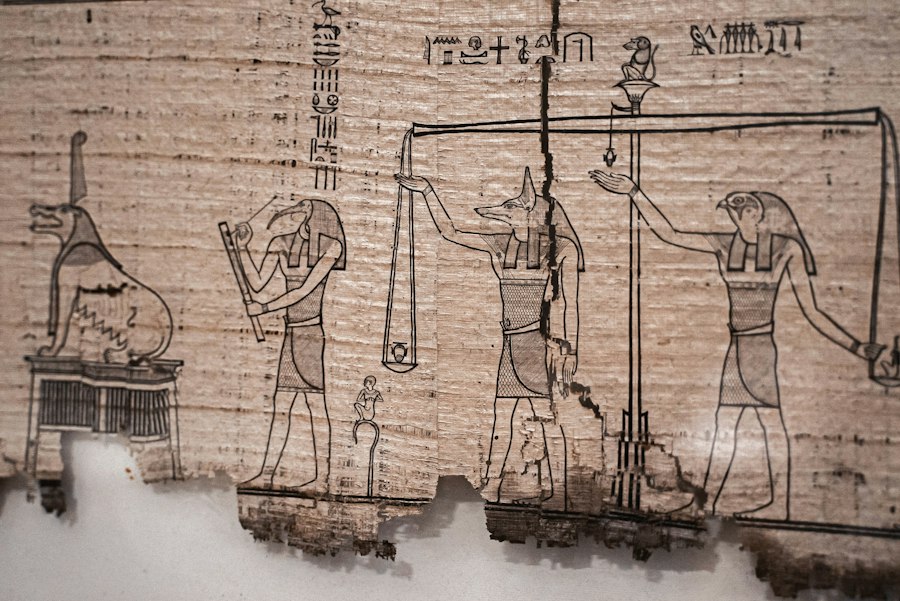
Despite their evident strengths, the Hittite Empire harbored inherent vulnerabilities that, when combined with external pressures, would prove fatal. Their vast territorial expanse, while a symbol of their power, also presented challenges in terms of defense, communication, and maintaining centralized control. Furthermore, the internal political landscape, marked by dynastic struggles and potential rivalries within the nobility, could have weakened the empire from within.
The Strain of Imperial Overstretch
Maintaining an empire of the Hittite scale was an enormous undertaking. The sheer distance between the imperial core and its distant provinces made effective governance and rapid response to threats incredibly difficult. Communication, relying on messengers and couriers, was slow, leaving frontiers vulnerable to surprise attacks. The cost of maintaining a large army to patrol these vast borders and suppress occasional revolts was also a significant drain on the imperial treasury. This “imperial overstretch” meant that the empire was spread thin, its resources stretched to their limit. A coordinated series of attacks on multiple fronts could easily overwhelm its defenses.
Internal Strife and Succession Issues
Like many ancient empires, the Hittites were not immune to internal political machinations. Evidence suggests that succession disputes and rivalries within the royal family and the nobility were not uncommon. A weak or contested succession could plunge the empire into instability, diverting resources and attention away from external threats. The Hittites had a system of hereditary kingship, but it was not always smooth. Powerful noble families might vie for influence or even the throne, creating factions and internal divisions that could be exploited by enemies. The fragility of leadership during critical moments could have been a significant contributing factor to the empire’s eventual collapse.
The Perfect Storm: External Pressures and Cataclysm
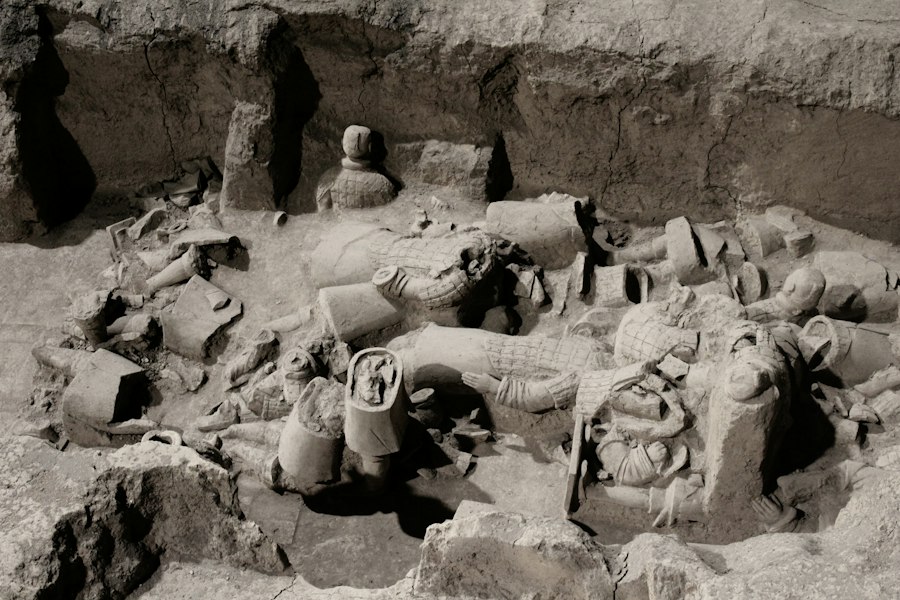
The late Bronze Age witnessed a confluence of factors that destabilized the entire region, creating a “perfect storm” that the Hittite Empire, despite its might, could not withstand. These external pressures included increased raiding and migration by various groups, prolonged periods of drought and famine that crippled economies, and possibly even the devastating impact of widespread seismic activity.
The Hittites, an ancient civilization known for their advanced culture and military prowess, experienced a mysterious decline that has intrigued historians for centuries. Their sudden disappearance from historical records has led to various theories, including climate change and invasions by neighboring tribes. Interestingly, this phenomenon of ancient civilizations facing sudden challenges is not unique to the Hittites. For a deeper understanding of how environmental factors influenced ancient societies, you can explore the article on the Giza Pyramid alignment mystery, which discusses how the alignment of the pyramids may have been affected by climatic conditions. This connection highlights the broader implications of environmental changes on human history. To read more about this intriguing topic, visit this article.
The Enigmatic Sea Peoples
The most dramatic and enigmatic of these external forces were the so-called “Sea Peoples.” Mentioned in Egyptian inscriptions as a confederation of various tribes who launched widespread raids across the Eastern Mediterranean in the late 13th and early 12th centuries BCE, their origins and exact composition remain a subject of intense debate. These raiders are described as having attacked Cyprus, Syria, and Egypt itself, causing immense destruction. It is highly probable that the Hittite territories, lying directly in the path of these movements, bore the brunt of their incursions. The Hittites, already weakened by other factors, would have struggled to repel these determined and widespread attacks. The disruption caused by the Sea Peoples likely crippled trade routes, destroyed infrastructure, and led to a significant loss of life and resources.
Environmental Catastrophe: Drought and Famine
Archaeological and paleoclimatological evidence suggests that the late Bronze Age experienced significant environmental stress, including prolonged periods of drought. Such environmental changes would have had devastating consequences for an agrarian society like the Hittites. Crop failures would lead to widespread famine, weakening the population, reducing agricultural output, and consequently diminishing the empire’s ability to support its army and its people. Famine also breeds social unrest and makes populations more susceptible to disease and invasion. The Hittites, reliant on the bounty of Anatolian agriculture, would have been particularly vulnerable to such climatic shifts. The strain on resources would have further exacerbated existing internal tensions and made it harder to rally the population for defense.
The Unraveling of an Empire
The combination of internal weaknesses and external pressures led to a gradual but ultimately irreversible unraveling of the Hittite Empire. Hattusa itself, once the impregnable heart of the empire, eventually fell and was sacked. The surviving Hittites, fragmented and dispersed, struggled to maintain their cultural identity and political independence.
The Sack of Hattusa and its Aftermath
The final blow to the Hittite Empire appears to have been the destruction and abandonment of its capital, Hattusa. Archaeological evidence points to a violent end, with evidence of burning and destruction. This event, likely orchestrated by the invading forces, including possibly the Sea Peoples, marked the symbolic end of Hittite dominance. Following the sack of Hattusa, the empire effectively ceased to exist as a unified political entity. The surviving Hittite populations likely scattered, some assimilating into other cultures, while others formed smaller, independent kingdoms in southern Anatolia and northern Syria, known as Neo-Hittite states, which persisted for several centuries but never regained the imperial might of their ancestors. These successor states, while preserving aspects of Hittite culture and language, were a pale imitation of the once-mighty empire.
The Legacy of the Lost Empire
Although the Hittite Empire disappeared from the geopolitical map, its legacy endured. Their contributions to metallurgy, law, and diplomacy left an indelible mark on the ancient Near East. The decipherment of the Hittite language and the ongoing archaeological work at sites like Hattusa continue to shed light on this fascinating civilization, piecing together the narrative of its rise and its enigmatic fall. The story of the Hittites serves as a cautionary tale about the fragility of even the most powerful empires, highlighting how a confluence of internal vulnerabilities and external shocks can lead to the most profound of disappearances. The question of “how an ancient empire disappeared” is answered not by a single cataclysm, but by a complex interplay of forces that ultimately proved too much for even the mightiest of Bronze Age powers to overcome. The Hittites, once a formidable presence on the world stage, faded into history, leaving behind a legacy of mystery and a profound lesson for future empires.

Your 401(k) Withdrawal Can Make More of Your Social Security Taxable
FAQs
1. What was the Hittite civilization?
The Hittites were an ancient civilization that flourished in Anatolia (modern-day Turkey) during the Bronze Age, from around 1600 to 1178 BCE. They were known for their advanced military tactics, chariot technology, and diplomatic skills.
2. What led to the decline of the Hittite Empire?
Several factors contributed to the decline of the Hittite Empire, including invasions by the Sea Peoples, internal power struggles, and attacks by neighboring kingdoms such as the Assyrians. The exact cause of their downfall remains a topic of debate among historians.
3. What happened to the Hittites after the fall of their empire?
After the fall of the Hittite Empire around 1178 BCE, the Hittite civilization gradually disappeared from historical records. Some Hittite survivors may have assimilated into other cultures, while others likely migrated to different regions.
4. Are there any modern descendants of the Hittites?
There is no direct evidence linking any modern ethnic group to the ancient Hittites. The Hittite civilization left behind valuable archaeological remains and written records, but their specific descendants remain unknown.
5. What is the legacy of the Hittites in history?
The Hittites made significant contributions to ancient Near Eastern history, including advancements in metallurgy, military technology, and diplomacy. Their treaties and legal codes influenced later civilizations, and their capital city of Hattusa is now a UNESCO World Heritage Site.