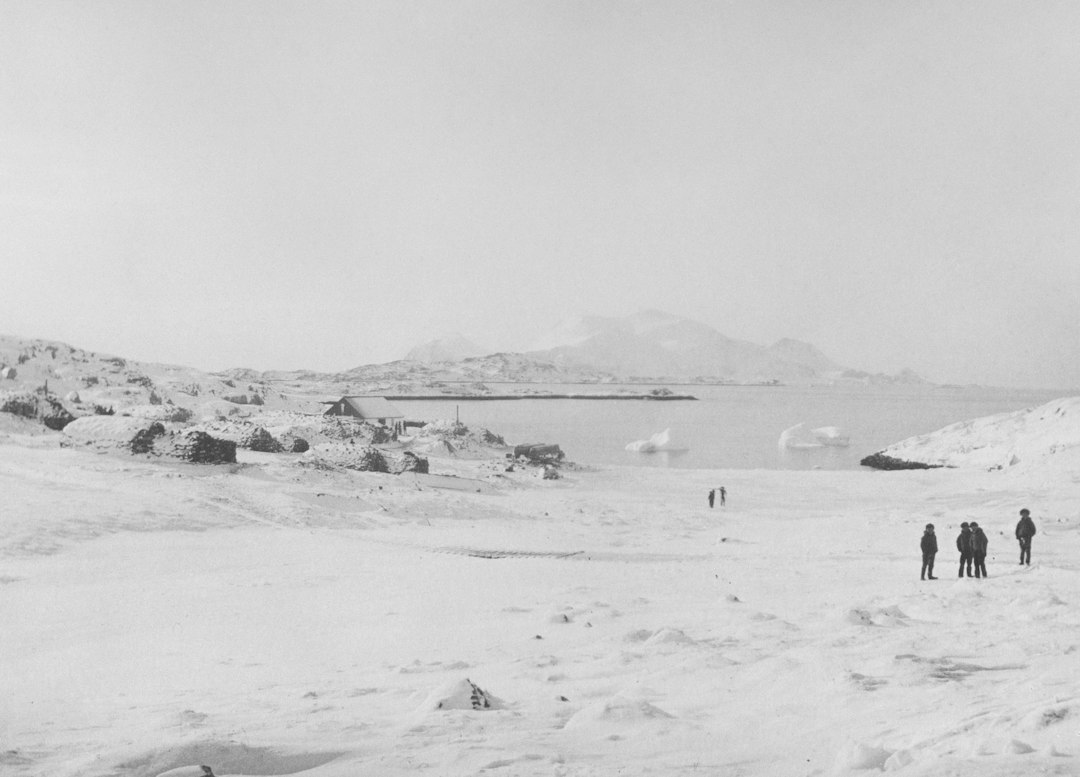
The story of the Norse Greenland settlements is a stark reminder of humanity’s vulnerability to environmental change and the complex interplay of social, economic, and ecological factors that can lead to societal collapse. For nearly five centuries, these hardy Norse communities carved out a life on the southwestern coast of Greenland, establishing farms, churches, and a unique Scandinavian culture in a subarctic environment. Their eventual disappearance, however, remains a subject of intense scholarly debate, with no single cause definitively pinpointed. Instead, a confluence of challenges likely conspired to bring about their decline and ultimate abandonment, leaving behind enigmatic ruins and a lingering sense of mystery.
The Dawn of Norse Greenland: An Ambitious Endeavor
The saga of Greenland’s Norse inhabitants begins with Erik the Red, an Icelandic chieftain exiled for manslaughter. Driven by a desire for new lands, he set sail westward in the late 10th century, discovering a relatively ice-free region along the southwestern coast. He named it “Greenland,” a deliberate and perhaps optimistic appellation intended to attract settlers. This marketing ploy, whether conscious or not, proved somewhat effective. Following Erik’s initial explorations around 985 CE, a significant wave of Norse immigrants, primarily from Iceland and Norway, began to establish themselves. These settlers, accustomed to a pastoral lifestyle, saw in Greenland a promising opportunity for land ownership and self-sufficiency.
Establishing a Foothold in the Subarctic
The Norse established two primary settlements: the Eastern Settlement (Eystribyggð) in the south and the Western Settlement (Vestribyggð) further north. The Eastern Settlement was the larger of the two, boasting approximately 100 farms, a cathedral at Garðar, and numerous churches. The Western Settlement was smaller, with around 20 farms, and was more exposed to the harsh Atlantic conditions and potential Inuit incursions. These settlements were not isolated outposts. They were organized communities with a social hierarchy, a governing structure, and a strong connection to their Norse heritage, evidenced by the continued practice of Norse religion and the eventual adoption of Christianity. The settlers brought with them their farming techniques, their livestock (sheep, cattle, and goats), and their maritime skills, adapting them to the unique challenges of the Greenlandic environment. They relied heavily on animal husbandry, with dairy products forming a significant part of their diet. Hunting, particularly seals and caribou, provided essential meat, blubber, and furs, which were vital for survival and trade.
The Norse Way of Life: Adaptation and Resilience
Life in Norse Greenland was undoubtedly demanding. The climate, though milder than it is today, was still unforgiving. Summers were short, and winters were long and severe. The Norse developed sophisticated methods for managing their land and livestock, including building stone houses with turf roofs to insulate against the cold and practicing transhumance, moving livestock to summer pastures. Their diet was a testament to their ingenuity, relying on a combination of dairy products, meat from their animals, and game. They were also skilled sailors and fishermen, supplementing their diet with resources from the sea. Trade was an important aspect of their economy, with goods like walrus ivory, furs, and live falcons being exchanged with Europe, primarily Norway. This trade brought them essential goods they could not produce themselves, such as iron, timber, and grain.
The fate of the Viking settlements in Greenland has long intrigued historians and archaeologists, as it reflects the challenges of climate change and resource management in a harsh environment. A related article that explores contemporary issues of adaptation and economic shifts is titled “The Rise of Nearshoring: Mexico’s Growing Appeal.” This piece discusses how businesses are adjusting their strategies in response to global changes, much like the Vikings had to adapt to their surroundings. For more insights, you can read the article here: The Rise of Nearshoring: Mexico’s Growing Appeal.
The Seeds of Decline: Environmental Pressures Mount

While the Norse settlers initially thrived, the very environment that sustained them also posed significant challenges. Several interconnected environmental factors likely contributed to the gradual weakening of their settlements. The subtle yet significant shifts in climate, coupled with the ecological impact of their own activities, began to erode the foundations of their society.
The Slow Cooling: The Little Ice Age’s Grip
One of the most significant environmental factors often cited is the onset of the Little Ice Age, a period of cooling that began around the 14th century and intensified in subsequent centuries. While Norse Greenland had already endured centuries of subarctic climate, this cooling trend made conditions even more difficult. It led to the expansion of sea ice, particularly along the western coast, hindering navigation and making the crucial Atlantic voyages for trade and communication more perilous. The growing ice pack also impacted the local marine ecosystem, potentially affecting fish stocks and seal populations, which were vital resources for the Norse. Furthermore, colder temperatures would have shortened the growing season, reducing the yield of crops and making it harder to sustain their livestock through the long winters. The land itself, already marginal for agriculture, became even less productive.
Environmental Degradation: The Cost of Resource Use
The Norse presence in Greenland, while not on the scale of modern industrialization, did have an environmental impact. Extensive farming practices, while necessary for survival, could lead to soil erosion, especially in the absence of advanced soil conservation techniques. Deforestation, though perhaps not as widespread as in Europe, would have been necessary for fuel and building materials, contributing to land degradation. The reliance on grazing animals could have led to overgrazing in certain areas, impacting the vegetation and exacerbating soil erosion. While the exact scale of this environmental degradation is difficult to quantify, it is plausible that it contributed to a gradual decline in the carrying capacity of the land, making it harder for the settlements to support their population.
The Shifting Ice: Blocking Vital Connections
The dynamic nature of Greenland’s ice cover played a crucial role in the fate of the Norse settlements. The sea ice, particularly the icebergs and pack ice that drifted from the Arctic, could effectively isolate the settlements from the outside world. As the Little Ice Age took hold, the extent and duration of this ice cover increased. This would have made the regular voyages to and from Iceland and Norway, essential for trade, communication, and reinforcement, increasingly difficult and dangerous. Ships might be trapped in the ice for extended periods, leading to loss of life and valuable cargo. The gradual reduction in these crucial links to their homeland would have amplified the challenges posed by other factors, fostering a sense of isolation and hindering their ability to adapt to changing circumstances.
The Social and Economic Dominoes: A Society Under Strain
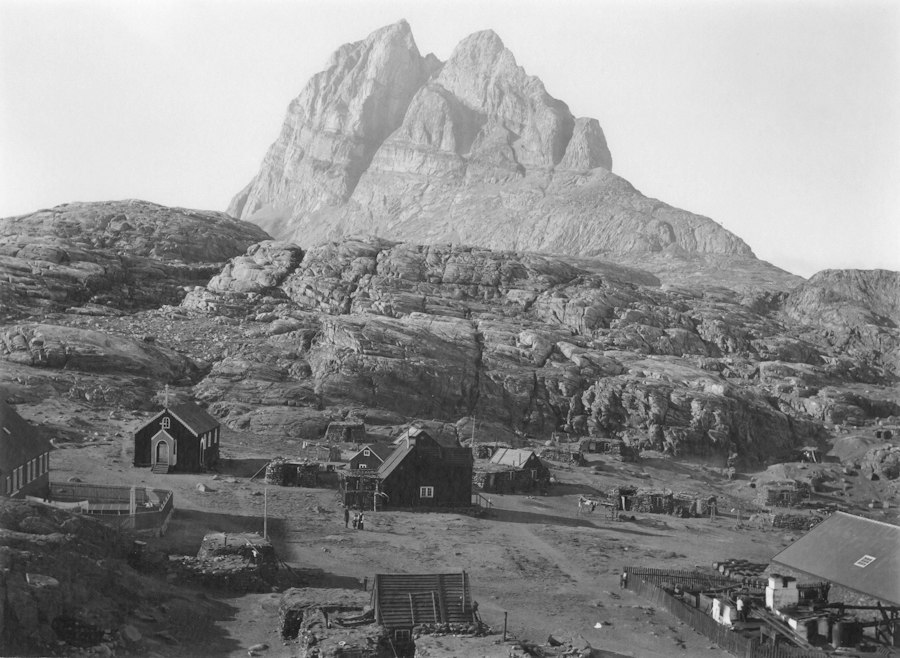
Beyond the environmental pressures, internal social and economic factors likely played a significant role in the Norse settlements’ decline. The interconnectedness of these factors meant that a weakness in one area could have cascading effects, weakening the entire social fabric.
Erosion of Trade and Contact: The Fading European Links
The Norse settlements were never entirely self-sufficient. Their connection to Europe was vital, not only for trade but also for social and religious ties. However, as the climate worsened and sea ice became more prevalent, these connections began to fray. The Black Death, which swept through Europe in the mid-14th century, decimated populations and disrupted trade routes. This would have reduced the demand for Greenlandic exports and the supply of essential imported goods. Furthermore, political instability in Norway, which was under Danish rule for much of this period, may have led to a decline in interest and investment in the Greenlandic colonies. Over time, the voyages to Greenland became less frequent and more perilous, leading to a gradual severing of these vital lifelines.
Internal Strife and Leadership Challenges: A Fragmented Society
While historical records are sparse, it is plausible that internal divisions and leadership challenges contributed to the settlements’ vulnerability. The Norse society was hierarchical, and a breakdown in leadership or a failure to effectively address the growing crises could have led to social unrest or a decline in collective action. Without strong leadership to implement adaptive strategies or maintain essential infrastructure, the settlements would have been less able to cope with the mounting pressures. The absence of regular contact with European authorities also meant that the Greenlandic Norse had to rely on their own resources and decision-making, which may have been insufficient in the face of unprecedented challenges.
The Shifting Cultural Landscape: Assimilation or Disappearance?
As the settlements weakened and contact with Europe diminished, the cultural identity of the Norse in Greenland likely began to shift. The traditional Norse pagan beliefs had already given way to Christianity, but the long-term viability of maintaining a distinct Scandinavian culture in such isolation was questionable. One theory suggests that the Norse population gradually dwindled, with survivors perhaps assimilating into the indigenous Inuit population, who were more adept at surviving in the harsh Arctic environment. Alternatively, a more gradual decline, marked by a loss of population and a breakdown of social structures, could have led to the eventual abandonment of the settlements altogether, leaving behind the archaeological record of their presence.
The Inuit Factor: A Complex Relationship
The relationship between the Norse settlers and the indigenous Inuit people of Greenland is a complex and often debated aspect of the settlements’ fate. While often portrayed as adversaries, the reality was likely more nuanced, with periods of both conflict and coexistence.
Coexistence and Competition: Sharing a Challenging Land
The Norse arrived in Greenland at a time when the Thule Inuit, ancestors of modern Greenlandic Inuit, were migrating into the area. Initially, the two groups occupied different ecological niches, with the Norse focusing on farming and pastoralism in the south and the Inuit on hunting and fishing in the north and along the coast. However, as the Norse settlements began to face environmental challenges, competition for resources may have increased. The Inuit, with their superior hunting skills and intimate knowledge of the Arctic environment, were better equipped to adapt to the changing conditions.
Potential Conflict and the Inuit Advantage
While evidence of widespread warfare between the Norse and the Inuit is limited, it is plausible that localized conflicts did occur, particularly as resources became scarcer. Some theories suggest that the Inuit may have raided Norse settlements, further contributing to their decline. However, it is important to avoid overly simplistic narratives of conquest. The Inuit themselves faced their own challenges in adapting to the changing environment. Rather than a direct conquest, it is more likely that the Norse settlements gradually became unsustainable due to a combination of factors, and the Inuit, being more attuned to the Arctic’s rhythms, were able to persist and thrive in the same landscape. Their superior hunting techniques, their ability to travel vast distances, and their more adaptable lifestyle likely gave them a significant advantage.
The fate of the Viking settlements in Greenland has long intrigued historians and archaeologists, as they grapple with the reasons behind their decline in the 15th century. Factors such as climate change, resource depletion, and isolation from trade routes contributed to their eventual disappearance. For those interested in exploring how economic factors can influence societal stability, a related article discusses the implications of currency crises in modern times, shedding light on how financial systems can impact civilizations. You can read more about this in the article on currency crises.
The Lingering Legacy: Unraveling the Mystery
| Metric | Details |
|---|---|
| Time Period | 985 AD to approximately 1450 AD |
| Location | Southwestern coast of Greenland |
| Population Peak | Estimated 2,000 to 3,000 inhabitants |
| Main Economic Activities | Farming, hunting, and trading |
| Climate Change Impact | Onset of the Little Ice Age led to colder temperatures and shorter growing seasons |
| Environmental Challenges | Soil erosion, deforestation, and declining agricultural productivity |
| Trade Decline | Reduced contact with Europe and loss of trade goods like iron and timber |
| Conflict and Relations | Possible conflicts with Inuit populations and isolation from other Norse communities |
| Abandonment | Settlements were abandoned by mid-15th century, exact reasons remain debated |
| Archaeological Evidence | Ruins of farms, churches, and artifacts found; evidence of gradual decline |
The ultimate fate of the Norse Greenland settlements remains a captivating enigma, a testament to the fragility of human endeavors in the face of powerful natural forces and societal pressures. The archaeological record, comprising the stone ruins of farms, churches, and settlements, offers tangible evidence of their presence, but the precise details of their disappearance remain elusive.
Archaeological Insights: Echoes of a Lost Civilization
Archaeological excavations have provided invaluable insights into Norse life in Greenland. The discovery of churches, including the cathedral at Garðar, attests to their religious devotion. The remains of farmsteads reveal their agricultural practices and domestic life. Analysis of animal bones and artifacts offers clues about their diet, trade, and technological capabilities. However, these discoveries also highlight the limitations of our knowledge. The lack of extensive written records from the later period of the settlements makes it difficult to piece together a definitive chronological narrative of their decline. The archaeological evidence often tells us what they did, but not always why they ultimately vanished.
The Enduring Debate: A Multitude of Causes
The academic debate surrounding the disappearance of the Norse Greenland settlements continues to this day, with scholars proposing various contributing factors. The prevailing view emphasizes a multifactorial explanation, acknowledging that no single cause can fully account for their demise. Environmental shifts, particularly the onset of the Little Ice Age and its impact on sea ice and agricultural productivity, are widely accepted as significant contributors. The erosion of trade and communication links with Europe, exacerbated by events like the Black Death and political instability, undoubtedly played a crucial role in their isolation and economic vulnerability. The potential for internal social and economic stresses, coupled with the challenges of adapting to a changing environment and the presence of the indigenous Inuit, also feature prominently in these discussions.
Lessons for the Present: Resilience in a Changing World
The story of Norse Greenland serves as a potent cautionary tale, offering valuable lessons for contemporary societies grappling with issues of climate change, resource management, and societal resilience. The settlers’ ultimate inability to adapt to the environmental and societal shifts they faced underscores the importance of understanding and respecting ecological limits. It highlights the dangers of over-reliance on external support and the necessity of robust and adaptable social and economic structures. The enduring mystery of their disappearance encourages us to continue seeking knowledge, to learn from the past, and to strive for more sustainable and resilient futures in our own rapidly changing world. The silent stones of Greenland stand as a somber monument to a lost civilization, their story a perpetual reminder of humanity’s intricate dance with the environment.
The Viking “Bison” Myth That Was Just Debunked
FAQs
What is the history of the Greenland Viking settlements?
The Greenland Viking settlements were established by Norse settlers in the late 10th century. These settlements were located on the southwestern coast of Greenland and were known for their farming, hunting, and trade activities.
Why did the Greenland Viking settlements decline?
The decline of the Greenland Viking settlements is believed to be caused by a combination of factors, including climate change, economic instability, and a lack of resources. The settlements struggled to adapt to the changing climate and were eventually abandoned by the Norse settlers.
What evidence has been found of the Greenland Viking settlements?
Archaeological excavations in Greenland have uncovered a wealth of evidence of the Viking settlements, including ruins of buildings, tools, artifacts, and graves. These findings have provided valuable insights into the daily life and culture of the Norse settlers in Greenland.
Were there any interactions between the Greenland Vikings and the native Inuit people?
There is evidence to suggest that the Greenland Vikings had some interactions with the native Inuit people, including trade and possibly conflict. However, the extent and nature of these interactions are still a topic of ongoing research and debate among historians and archaeologists.
What can we learn from the story of the Greenland Viking settlements?
The story of the Greenland Viking settlements serves as a cautionary tale about the challenges of adapting to a changing environment and the importance of sustainable practices. It also highlights the interconnectedness of human societies and the impact of cultural exchange and conflict on historical events.