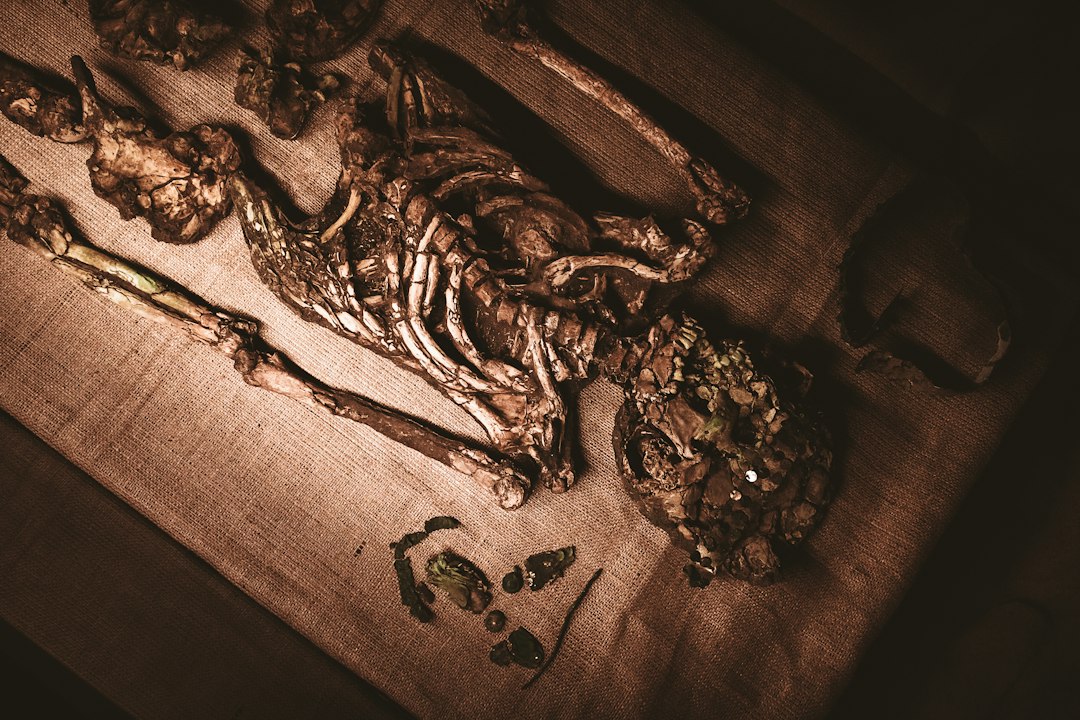
The human quest to understand our beginnings is as ancient as humanity itself. Long before the advent of scientific inquiry, before DNA sequencing and fossil digs, our ancestors grappled with the profound question of where they came from. These early inquiries, filtered through the lens of myth, religion, and cultural understanding, gave rise to the first stories of human origins. These narratives, passed down through generations, served not merely as explanations for existence, but as foundational pillars for societies, shaping their values, their rituals, and their place in the cosmos. They were the first attempts to impose order on the bewildering vastness of existence, to find meaning in the ephemeral and the eternal.
Whispers from the Dawn of Consciousness
The earliest human societies, deeply connected to the natural world, often saw themselves as intimately intertwined with its forces. Their origin stories reflected this worldview, frequently placing humans in a state of direct creation by powerful, often anthropomorphic, deities or spirits. These beings were not distant, abstract forces, but active participants in the formation of the world and its inhabitants. The process of creation was rarely a singular event; it was often a gradual unfolding, a deliberate act of shaping and imbuing life with purpose.
The Primordial Waters and the Earth Mother
Across diverse cultures, a recurring motif in early origin myths is the concept of primordial waters. These vast, undifferentiated expanses represented chaos, the state before order and form. From these waters, or through their influence, emerged the earth itself, often personified as a Great Mother figure. This Earth Mother was the source of all life, nurturing and sustaining, and humanity was born directly from her being, or fashioned by her hands. This imagery speaks to a deep, intuitive understanding of fertility and the earth’s capacity to generate life, mirroring the experience of birth and growth observed in their immediate surroundings. For instance, in many Native American traditions, the world was often seen as emerging from a vast watery abyss, with a divine being or animal diving to retrieve mud from the depths, which then expanded to form the land. This connection to water as a source of creation highlights a profound respect for the life-giving properties of natural elements.
The Divine Artisan and the Sculpted Being
Another prevalent narrative type involves a divine artisan or creator who meticulously crafts humans. This could be a god who molds clay, breathes life into a statue, or even weaves them from cosmic threads. These stories emphasize the deliberate and skilled nature of creation, suggesting a higher intelligence and purpose behind human existence. The idea of being “sculpted” implies a careful design, a deliberate intention to create beings with specific attributes and roles. The story of Adam and Eve in the Judeo-Christian tradition, where God forms Adam from dust and breathes life into him, is a classic example. Similarly, in ancient Greek mythology, Prometheus, a Titan, is often credited with fashioning humans from clay. These narratives often carry moral implications, suggesting that the creator endowed humans with certain qualities, and that their actions have consequences in the eyes of their maker. The narrative of divine craftsmanship underscores a belief in order and intentionality, where the existence of humanity is not an accident but a carefully orchestrated event.
The Emergence from the Underworld or a Sacred Cave
A third significant thread in early origin stories involves emergence. Instead of being created from nothing or from the earth’s surface, humans are depicted as emerging from a subterranean world or a sacred enclosed space, such as a cave or a fissure in the ground. This emergence is often a transformative journey, a transition from a confined, perhaps less developed, state to the wider, more illuminated world. These narratives often imbue the place of emergence with sacred significance, making it a focal point for pilgrimage and ritual. The Ancestral Puebloans of North America, for example, have rich traditions of emergence from a sipapu, a symbolic underworld chamber, which is still recreated in their kivas. This concept of emergence can symbolize a journey of awakening, of moving from ignorance to knowledge, or from a state of potentiality to actuality. It also speaks to the profound mystery of life, suggesting that our origins lie in hidden, perhaps even sacred, depths.
The exploration of human origins has captivated scholars and enthusiasts alike for centuries, leading to numerous theories and narratives about our beginnings. A related article that delves into the complexities of authority and governance during crises, which can parallel the societal structures that emerged in early human communities, can be found at this link: The US Government’s Authority in Declared Disasters. This article provides insight into how modern societies manage disasters, reflecting on the evolution of human organization and leadership from our earliest days.
The Unfolding of Time and the Great Cycles
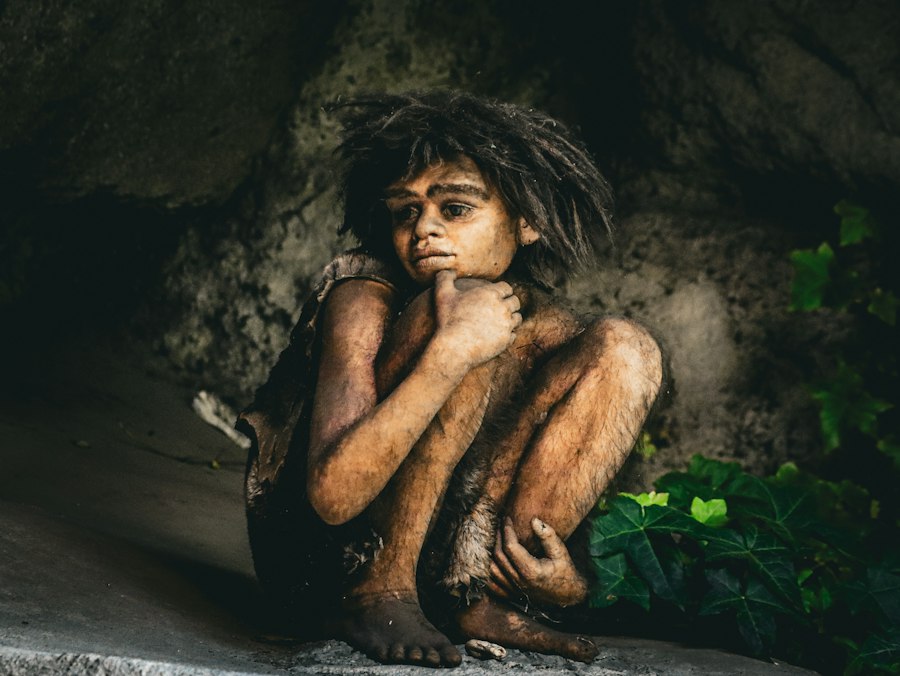
Beyond the initial act of creation, many early human origin stories also sought to explain the subsequent development of humanity and its relationship with the cosmos through the concept of time, often perceived as cyclical rather than linear. These narratives explored the ebb and flow of existence, the recurring patterns of birth, death, and rebirth that governed both the natural world and the human experience.
The Cosmic Egg and the Birth of Worlds
A compelling and widespread motif is that of the cosmic egg. This primordial orb, containing all that would become the universe, hatches to release the nascent cosmos and its inhabitants. This imagery suggests a contained potentiality, a universe held in a state of suspended animation before its grand unveiling. The cosmic egg symbolizes unity, wholeness, and the inherent order within the universe waiting to be revealed. In ancient Chinese mythology, Pangu is born from a cosmic egg, and his body forms the world. Similarly, in some Greek creation myths, the Orphic Egg is a central element. This idea of an egg as the ultimate source of creation suggests a belief in an ordered, self-contained beginning, from which all diversity and complexity gradually emerge. It speaks to a fundamental understanding of life’s capacity for self-propagation and transformation.
The Sun, Moon, and Stars as Ancestors
For many early cultures, the celestial bodies were not merely distant lights; they were considered powerful ancestral beings or deities who played a direct role in the creation of humanity or the ordering of the world. The sun, with its life-giving warmth and predictable cycles, was often seen as a father figure or a supreme deity. The moon, with its ever-changing phases, could represent feminine power, magic, or the passage of time. The stars, forming intricate patterns in the night sky, were often interpreted as the spirits of the deceased or as divine guides. These celestial connections reinforced the idea that humanity was part of a grander, cosmic order, and that their lives were governed by forces far beyond their immediate earthly experience. The worship of sun gods and moon deities in ancient Egypt, Mesopotamia, and many indigenous cultures illustrates this deep-seated reverence for the heavens as both originators and regulators of earthly life.
The Great Flood and the Renewal of Life
Another recurring theme is the cataclysmic event, most famously the Great Flood, that wipes out an existing humanity, paving the way for a new beginning. These stories, found in the Epic of Gilgamesh, the Bible, and numerous indigenous traditions, serve multiple purposes. They often explain the imperfections or moral failings of previous generations, thus justifying divine intervention. More importantly, they highlight the theme of renewal and resilience. Even in the face of utter destruction, life persists, and a new, often more virtuous, humanity emerges, learning from the mistakes of the past. The flood narrative underscores the cyclical nature of existence, where destruction is not an end but a prelude to rebirth, a cleansing that allows for a fresh start and a chance for humanity to find a more harmonious path. These stories often emphasize the importance of obedience and virtue for survival and prosperity, reinforcing moral codes within the societies that tell them.
The Role of Animals and the Spirit World

In many ancient origin narratives, the animal kingdom and the spirit world were not separate from humanity but deeply intertwined, often acting as intermediaries, creators, or even the very substance from which humans were formed. This perspective reflects a holistic understanding of existence, where the boundaries between different forms of life were far more fluid than they are today.
The Transformer Animals and Their Gifts
Many cultures feature “transformer” animals – beings that possess the ability to change their form or to influence the shape of the world and its inhabitants. These animals, often appearing as spirit guides or powerful totemic figures, were instrumental in shaping the early human world. They might teach humans essential skills, bestow upon them specific characteristics, or even bring them into existence through their actions. The coyote in many Native American traditions, a trickster and creator figure, is a prime example. These transformer figures highlight the deep respect and awe early humans felt for the natural world and its inhabitants, recognizing the power and wisdom inherent in the animal kingdom. The stories of animal transformers underscore the belief that humans are not inherently superior to other creatures, but rather part of a complex web of life, where wisdom and power can reside in unexpected forms.
The Spirit Ancestors and the Dreamtime
For many indigenous peoples, particularly in Australia, the concept of the “Dreamtime” or the “Songlines” represents a foundational origin narrative. This is not a linear past but an eternal, ongoing present where ancestral beings, often in animal or human form, shaped the land, established the laws of existence, and created humanity. These spirit ancestors are ever-present, their journeys and actions imprinted on the landscape, and their influence continues to guide and inform human life. The Dreamtime emphasizes the interconnectedness of all things – the land, the people, the spirits, and the past, present, and future. It is a vision of a world perpetually being created and recreated through the actions and stories of the ancestors. This narrative structure challenges the Western concept of a singular, historical beginning, instead presenting a fluid and dynamic understanding of creation that is constantly being re-enacted and experienced.
The Soul’s Journey and the Celestial Realm
Some origin stories delve into the nature of the human soul and its journey from a spiritual realm to its earthly form. These narratives often describe the soul as pre-existing, perhaps dwelling in a celestial or ethereal plane before being incarnated into a physical body. This journey might be a choice, a destiny, or a process of learning and growth. These stories often connect the earthly realm with the spiritual, suggesting that human existence is a temporary phase in a much larger, eternal cycle of the soul. They can also provide explanations for why individuals possess certain traits or talents, attributing them to their experiences or origins in the spirit world. This perspective imbues human life with a sense of cosmic significance, suggesting that each individual has a role to play in a grander, unseen drama.
The Human Condition and the First Laws
The earliest origin stories were not just about beginnings; they were also deeply concerned with the nature of humanity itself. They sought to explain the inherent qualities of human beings – our capacity for both good and evil, our struggles with mortality, and our need for social order.
The Gift and the Curse of Knowledge
A common thread in origin myths is the acquisition of knowledge, often symbolized by forbidden knowledge or a specific act of transgression. This knowledge, while empowering, often comes with a price. The story of Adam and Eve and the Tree of Knowledge is a prime example, where the gaining of understanding leads to expulsion and the introduction of suffering into the world. Similarly, Prometheus’s theft of fire from the gods, while benefiting humanity, brought divine wrath. These narratives explore the complex relationship between knowledge and responsibility, suggesting that with increased understanding comes a greater burden and a potential for both progress and peril. They can be seen as early attempts to grapple with the consequences of human agency and the double-edged sword of our intelligence.
The Inevitability of Death and the Search for Meaning
The finality of death is a universal human experience that has profoundly shaped origin narratives. Many myths grapple with why humans are mortal while gods or other immortal beings are not. Some stories attribute mortality to a divine decree, a consequence of early disobedience, or a necessary condition for the continuity of life on earth. Other narratives focus on the human desire to overcome death, often through the pursuit of immortality or by finding solace in the continuation of their lineage or legacy. The origin stories of death are deeply intertwined with the human search for meaning in a finite existence, offering explanations and coping mechanisms for the ultimate human mystery. They often highlight the preciousness of life precisely because of its impermanence.
The Establishment of Social Order and Divine Laws
Origin stories frequently serve as a justification for the establishment of social structures, moral codes, and legal systems. The actions of primordial deities or cultural heroes in shaping the early human world often dictate the rules by which their descendants should live. These myths might describe the origin of marriage, the division of labor, the concept of property, or the punishment for transgressions. By tracing these customs back to divine or ancestral origins, they lend them an unquestionable authority. These narratives were thus crucial in maintaining social cohesion, transmitting cultural values, and ensuring the continuity of the community. The perceived divine mandate for laws provided a powerful incentive for adherence and a framework for societal harmony.
The exploration of human origins has long fascinated scholars and researchers, leading to numerous discoveries that shed light on our past. One intriguing aspect of this study is how early narratives and stories shaped our understanding of humanity’s beginnings. For those interested in the intersection of ancient history and societal structures, a related article discusses the implications of elite corruption in ancient civilizations, which can provide context to the stories we tell about our origins. You can read more about this topic in the article on elite corruption.
The Enduring Echoes of Our First Stories
| Story | Culture/Origin | Approximate Date | Key Themes | Medium |
|---|---|---|---|---|
| Enuma Elish | Babylonian | c. 18th century BCE | Creation of humans from divine conflict, humans serve gods | Clay tablets |
| Epic of Gilgamesh | Sumerian/Babylonian | c. 2100 BCE (earliest versions) | Human mortality, quest for immortality, origins of mankind | Clay tablets |
| Genesis Creation Narrative | Hebrew/Israelite | c. 10th-6th century BCE | Creation of humans by God, Garden of Eden, original sin | Scrolls (Torah) |
| Popol Vuh | Maya | c. 16th century CE (oral tradition older) | Creation of humans from maize, divine creation, origin of life | Codex manuscript |
| Rigveda Creation Hymns | Vedic (Ancient India) | c. 1500-1200 BCE | Cosmic creation, emergence of humans from cosmic sacrifice | Oral hymns, later written manuscripts |
While science has provided us with increasingly sophisticated understandings of human evolution and our place in the universe, the first stories of human origins continue to resonate deeply within the human psyche. They speak to our innate need for narrative, for meaning, and for connection to something larger than ourselves. These ancient tales, born from the earliest stirrings of human consciousness, are more than just historical artifacts; they are living traditions that continue to shape our understanding of who we are, where we come from, and what it means to be human.
The Human Need for Narrative and Meaning
At their core, all origin stories are attempts to answer fundamental questions that have puzzled humanity since the dawn of self-awareness: Why are we here? What is our purpose? These narratives provide a framework for understanding the world and our place within it, offering comfort, guidance, and a sense of belonging. They are the first expressions of humanity’s deep-seated need to impose order on chaos, to find patterns in the seemingly random, and to create a coherent story for our existence. The power of these myths lies in their ability to transcend mere explanation; they offer emotional and existential sustenance, connecting individuals to a shared past and a collective identity.
The Foundation of Culture and Identity
These foundational narratives are the bedrock upon which cultures and identities are built. They transmit values, shape worldviews, and define the collective memory of a people. By understanding our origins, we understand our present and, to some extent, our future. The stories we tell ourselves about where we came from inform our ethics, our social structures, and our relationships with the natural world and with each other. They are the invisible threads that bind communities together, providing a shared heritage and a common understanding of what it means to belong.
The Ever-Present Dialogue with Science
While scientific explanations for human origins have evolved dramatically, they have not rendered our ancient stories obsolete. Instead, there is a fascinating ongoing dialogue between myth and science. Science provides the empirical evidence, the factual account of our biological journey, while origin stories offer the symbolic, the emotional, and the philosophical dimensions of our existence. They can inspire scientific inquiry, provoke contemplation, and remind us that while we understand the mechanics of our origins, the ultimate meaning and wonder of our existence remain fertile ground for exploration, both through reason and through the enduring power of human storytelling. The enduring legacy of these first stories lies in their ability to remind us of the profound mysteries that still surround our existence, inviting us to continue seeking answers in both the tangible world of discovery and the intangible realm of the human spirit.

The Anunnaki Origin Story Changes When You Read the Tablets
FAQs
What are the first written stories about human origins?
The first written stories about human origins can be found in ancient texts such as the Sumerian “Epic of Gilgamesh” and the Babylonian “Enuma Elish.”
When were the first written stories about human origins created?
The first written stories about human origins were created thousands of years ago, with the Sumerian “Epic of Gilgamesh” dating back to around 2100 BCE and the Babylonian “Enuma Elish” dating back to around 1700 BCE.
What do the first written stories about human origins typically depict?
The first written stories about human origins typically depict creation myths, explaining how humans and the world were created by gods or other supernatural beings.
Are the first written stories about human origins considered religious texts?
Yes, the first written stories about human origins are often considered religious texts as they were used to explain the origins of humanity and the world from a religious or mythological perspective.
How have the first written stories about human origins influenced modern beliefs and cultures?
The first written stories about human origins have had a significant impact on modern beliefs and cultures, influencing religious beliefs, creation myths, and cultural traditions around the world.