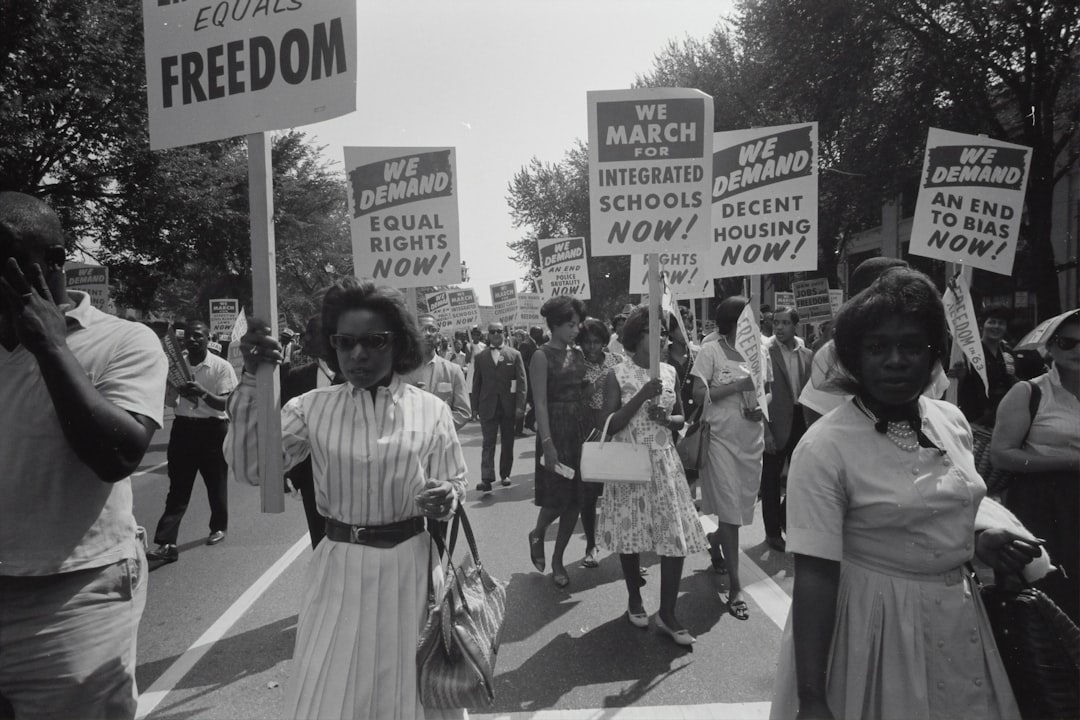
The tapestry of human history is woven with countless threads, each representing an individual, an idea, a struggle, or an achievement. For centuries, however, the dominant narrative has overwhelmingly focused on the lives and contributions of men, leaving a vast and intricate collection of female efforts largely unseen and unacknowledged. This is the story of the forgotten women of history, those whose ingenuity, perseverance, and impact have been systematically overlooked, marginalized, or deliberately erased from the annals of human progress. Their stories are not mere footnotes; they are essential chapters, revealing a more complete, nuanced, and inspiring understanding of our collective past.
Throughout history, women have been instrumental in pioneering advancements in science, technology, engineering, and mathematics (STEM). Yet, their names rarely appear in textbooks, and their groundbreaking work is often attributed to male colleagues or dismissed as mere supportive roles. This erasure has deprived future generations of crucial role models and has perpetuated the myth that women are inherently less capable in these fields.
Pioneering Minds in Early Science and Technology
The Invisible Labor of Domestic Innovations
Domestic life, often relegated to the private sphere and thus deemed less historically significant, was a breeding ground for innovation. Women were not simply passive recipients of domestic tools; they were active creators and refiners of technologies that shaped daily life. From improved agricultural techniques to advancements in textiles and food preservation, their ingenuity directly impacted the survival and well-being of societies. The development of the spinning wheel, for example, was a revolution in textile production, significantly increasing efficiency and allowing for the creation of more complex fabrics. While often attributed to anonymous artisans, it’s highly probable that women, who were the primary spinners and weavers, played a pivotal role in its design and adoption. Similarly, techniques for fermentation, cheese-making, and brewing, which formed the backbone of food preservation and sustenance for millennia, were largely developed and passed down through generations of women, often through tacit knowledge and empirical observation rather than formal scientific inquiry. Their contributions, though seemingly mundane, were essential for the development of settled societies and sustained populations, laying the groundwork for more complex industrial advancements.
Challenging the Gendered Landscape of Modern Science
As formal scientific institutions emerged, women continued to push boundaries, often facing immense social and institutional barriers. Despite being barred from formal education and professional recognition, they found ways to contribute, either through independent research, collaborative efforts with male scientists, or by excelling in fields that were more readily accessible, such as botany and astronomy, where observational skills were paramount. Maria Sibylla Merian, for instance, was a pioneering entomologist and scientific illustrator who conducted groundbreaking research on metamorphosis. Her exquisitely detailed illustrations and observations of insect life cycles, particularly her work in Suriname, were scientifically invaluable, yet her contributions were often downplayed or credited to male collaborators. Similarly, Ada Lovelace, often celebrated as the first computer programmer, worked with Charles Babbage on his Analytical Engine. Her prescient vision of the machine’s potential beyond mere calculation, foreseeing its application to music and art, was revolutionary, but her foundational role in the conceptualization of computing has only recently gained widespread recognition. These women, and many others like them, demonstrated exceptional intellect and dedication in fields where they were actively discouraged from participating.
The Unseen Hands of Industrial Progress
The Industrial Revolution, a period of immense technological and societal upheaval, also benefited from the often-unacknowledged contributions of women. While men dominated the public perception of factory owners and inventors, women constituted a significant portion of the workforce, and their experiences and innovations shaped production methods and the very fabric of industrial society.
The Engine Room of Early Factories
Women were often the backbone of early factories, particularly in the textile industry. Their dexterity, endurance, and willingness to perform repetitive tasks made them indispensable. However, their labor was often poorly compensated and inadequately documented. Beyond their roles as laborers, women also contributed to the refinement of machinery and production processes. They identified inefficiencies, suggested modifications, and developed practical solutions to operational challenges, often through months or years of hands-on experience. While rarely credited with formal invention, their accumulated knowledge and practical insights played a crucial role in increasing output and improving the usability of machinery. The development of certain safety mechanisms, born from witnessing the dangers faced by workers, likely originated from their direct observations and pleas for change.
Domestic Ingenuity Fueling Industrial Needs
The demands of industrialization extended beyond the factory floor. Women’s roles in the home also underwent significant transformations, and their innovations in this sphere were crucial for the functioning of an increasingly urbanized and industrialized society. Innovations in food preservation, such as canning and the development of more efficient cooking stoves, allowed families to cope with changing food supplies and working hours. The sewing machine, while an invention often attributed to men, was rapidly adopted and adapted by women, becoming a vital tool for both home economics and the burgeoning garment industry, creating new economic opportunities and influencing fashion. Their ability to creatively solve domestic challenges and manage household economies directly impacted the productivity and stability of families, allowing more members, including men, to engage in factory work.
In exploring the depths of historical oversight, one might consider how advancements in technology have often overshadowed significant events and innovations from the past. A related article that delves into the implications of modern technology on our understanding of history is available at this link. It discusses the role of artificial intelligence in autonomous space defense, prompting reflections on how our current technological trajectory may influence future historical narratives and what we might be forgetting about the past.
Cultural Architects and Creative Spirits
The realm of arts and culture has also seen women’s creative energies systematically sidelined. From literature and visual arts to music and performance, countless female artists and cultural influencers have seen their work overlooked, appropriated, or denigrated, diminishing the richness and diversity of our cultural heritage.
The Muses and The Makers: Beyond the Supporting Role
Whispers of Literary Genius in Patriarchal Worlds
Throughout literary history, women have penned powerful narratives, poems, and essays, often under male pseudonyms or in genres deemed less significant. They have navigated complex social structures to express their visions and critiques. Jane Austen is a prime example, whose satirical novels of English gentry are now considered masterpieces. However, even in her time, and for centuries after, women writers often struggled for recognition and faced skepticism about their intellectual capabilities. The Brontë sisters, who initially published under male pseudonyms like “Currer Bell,” “Ellis Bell,” and “Acton Bell,” had to conceal their true identities to gain serious consideration for their groundbreaking novels like Jane Eyre and Wuthering Heights. Their raw emotional power and unflinching exploration of societal constraints were revolutionary, but it was the veil of male authorship that allowed them to penetrate the literary establishment. This pattern of hidden identities and delayed recognition extends to countless other female authors whose works have been preserved and appreciated only through persistent scholarship.
Visualizing Worlds: The Overlooked Strokes of the Brush
In the visual arts, women have historically been excluded from formal training institutions and patron networks, limiting their ability to gain mainstream recognition. Despite these obstacles, they produced remarkable works across various mediums. Artemisia Gentileschi, a Baroque painter in the 17th century, was a formidable artist whose powerful and dramatic depictions of biblical and mythological heroines were often more emotionally charged than those of her male contemporaries. Her talent was undeniable, yet her legacy was often overshadowed by rumors and gossip surrounding her personal life, a common tactic used to discredit female artists. Sofonisba Anguissola, a Renaissance painter, achieved considerable fame in her lifetime, even serving as a court painter to Philip II of Spain, but her contributions have been subsequently diminished by art historians who focused on male artists of the period. The stories of these women, and countless others who painted, sculpted, and illuminated, represent a vital part of art history’s narrative, one that continues to be reclaimed and celebrated.
Melodies Silenced: Women in Musical Creation
The world of music, too, has seen its share of forgotten female composers, performers, and theorists. While women have historically been associated with performance, particularly in domestic settings, their contributions to composition and musical innovation have been largely overlooked. Fanny Mendelssohn Hensel, sister of the more famous Felix Mendelssohn, was a gifted composer and pianist whose works were often performed in private salons but rarely published under her own name during her lifetime. Her brother himself acknowledged her talent, yet societal norms prevented her from pursuing a public career. Clara Schumann, a celebrated virtuoso pianist and composer, was a significant figure in 19th-century musical life, yet her compositional output is often overshadowed by her performing career. Her influence on the musical landscape, through her performances, friendships with other composers like Brahms, and her advocacy for her husband’s work, has been immense but not always fully appreciated in terms of her own creative contributions.
Activists and Agents of Change: Shaping Societies
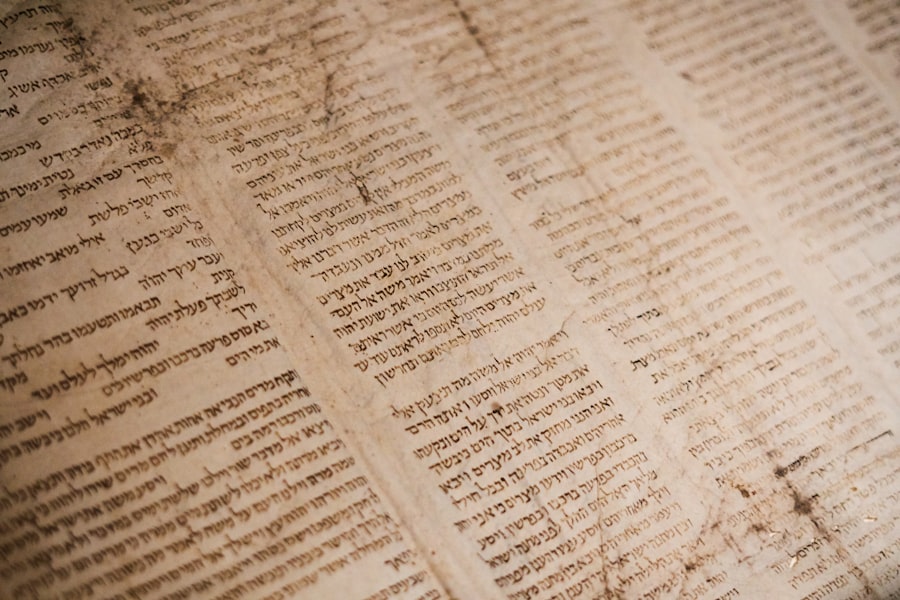
The fight for social justice, equality, and human rights has been a long and arduous journey, and women have been at the forefront of these movements, often in dangerous and challenging circumstances. Their leadership, strategies, and sacrifices have been instrumental in shaping the societies we inhabit today, yet their roles have frequently been minimized or relegated to that of passive supporters.
The Unseen Force Behind Social Revolutions
Voices of Dissent: Early Champions of Equality
Long before the formal women’s suffrage movements, women were actively challenging existing power structures and advocating for their rights. From Enlightenment thinkers who argued for educational reform to women who organized boycotts and protests against oppressive laws, these early activists laid the groundwork for future struggles. Olympe de Gouges, a French playwright and political activist, famously penned the “Declaration of the Rights of Woman and the Female Citizen” in 1791, directly challenging the patriarchal limitations of the French Revolution. Her outspokenness ultimately led to her execution, a stark reminder of the risks involved in challenging the status quo. Similarly, women in abolitionist movements, while often supporting male leaders, were instrumental in organizing meetings, writing pamphlets, and fundraising, their voices crucial in raising awareness and motivating action.
Architects of the Suffrage Struggle
The late 19th and early 20th centuries saw the rise of powerful women’s suffrage movements across the globe. While figures like Susan B. Anthony and Emmeline Pankhurst are widely recognized, the dedication and impact of countless other women, often working behind the scenes, were equally vital. These included strategists who planned protests, educators who taught literacy and political awareness, fundraisers who secured essential resources, and lawyers who navigated complex legal battles. The sheer organizational effort and sheer personal bravery required to challenge deeply entrenched patriarchal power structures were immense. Women faced arrest, imprisonment, and public ridicule, yet their persistent activism ultimately secured the right to vote for women, a fundamental pillar of democratic societies. The stories of these women, their tactics, and their sacrifices are essential for understanding the evolution of democratic rights.
Beyond the Vote: Continual Struggles for Justice
The fight for equality did not end with the ballot box. Women have continued to be at the forefront of movements addressing poverty, racial injustice, labor rights, environmental protection, and gender-based violence. Their grassroots organizing, their advocacy for marginalized communities, and their unwavering commitment to a more just world have been transformative. Despite often receiving less public attention than their male counterparts, these women have been the tireless engine of social progress, building bridges, fostering dialogue, and challenging indifference.
Guardians of Knowledge and Healers of Bodies
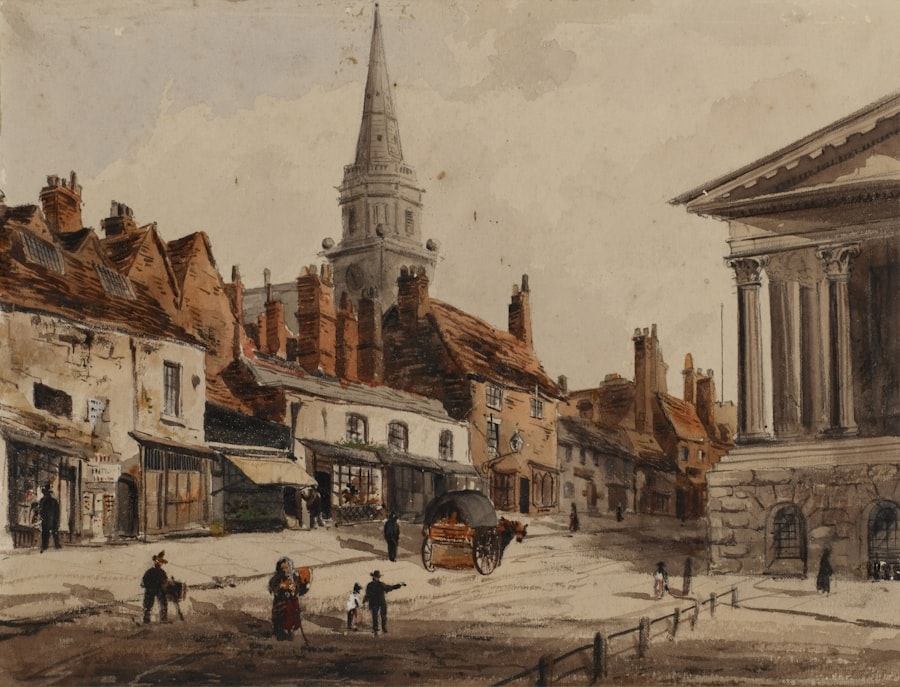
The preservation and dissemination of knowledge, as well as the care of human health, have historically been areas where women have played indispensable roles, often in informal settings or through professions that were undervalued and underpaid.
The keepers of memory: Libraries and learning
The Backbone of Literacy and Learning
Before widespread public education, it was often women, particularly within monasteries, convents, and noble households, who were responsible for educating children and preserving knowledge. They meticulously copied manuscripts, taught reading and writing, and fostered intellectual curiosity. The Beguines in medieval Europe, a community of religious women who dedicated themselves to prayer, charitable work, and scholarship, were significant centers of learning and often housed extensive libraries. Female scholars and tutors played a crucial role in the intellectual development of many prominent figures, their influence often uncredited. The practice of keeping diaries and journals, a rich source of historical information, was also often a female endeavor, offering intimate glimpses into domestic life, social customs, and personal experiences.
The Unsung Virtues of Midwifery and Healing
For centuries, women were the primary caregivers for their families and communities, mastering the skills of healing, midwifery, and herbal medicine. Their intuitive understanding of the human body, honed through generations of practical experience and passed down through oral tradition, was indispensable. Midwives, in particular, were essential pillars of maternal and child health, guiding women through labor and delivery with skill and compassion. Despite their vital role, their practices were often viewed with suspicion by the emerging medical establishment, and their knowledge was frequently dismissed as superstition. The gradual professionalization of medicine, largely dominated by men, often marginalized and even criminalized women healers, leading to the loss of valuable traditional knowledge.
As we delve into the mysteries of our past, it’s fascinating to consider what else we have forgotten about history. One intriguing aspect is the advanced techniques used by ancient civilizations for navigation, which are often overlooked in mainstream discussions. For a deeper understanding of this topic, you can explore an article that discusses the Minoan civilization and their remarkable celestial navigation methods. This piece sheds light on how these ancient navigators utilized the stars to traverse the seas, revealing a sophisticated understanding of astronomy that has largely faded from collective memory. To learn more, check out the article on Minoan celestial navigation.
The Enduring Legacy: Rekindling Forgotten Narratives
| Event | Importance |
|---|---|
| The fall of the Roman Empire | Significantly impacted the course of European history |
| The Spanish Inquisition | Led to the persecution of many individuals and the spread of fear |
| The Opium Wars | Resulted in the forced opening of Chinese ports to foreign trade |
| The Armenian Genocide | One of the first modern genocides, with lasting effects on the Armenian population |
The deliberate or unintentional erasure of women’s contributions from historical accounts is not merely an academic oversight; it has profound implications for our understanding of progress, our appreciation of diversity, and our inspiration for the future. Rekindling these forgotten narratives is an act of historical justice and an essential step towards a more complete and equitable understanding of the human story.
The Impact of Historical Amnesia
The absence of women’s voices and achievements in historical narratives perpetuates a skewed understanding of societal development. It suggests that women were merely passive participants or secondary figures, undermining their agency and impact. This historical amnesia contributes to ongoing gender inequalities by reinforcing the notion that women’s contributions are less significant or less worthy of recognition. For young people, especially girls, learning about historical figures who have been overlooked can be incredibly empowering. It challenges limiting stereotypes and demonstrates that women have always been capable of great things, regardless of societal barriers.
The Power of Reclamation and Re-evaluation
The ongoing work of historians, scholars, feminists, and activists to uncover and celebrate forgotten women is crucial. This often involves painstaking archival research, re-examining existing texts for hidden female voices, and critically analyzing accepted historical accounts. It requires a conscious effort to shift the focus from dominant narratives to the experiences and achievements of those who have been marginalized. This process of reclamation not only enriches our understanding of the past but also serves to correct historical injustices and provides a more accurate and inspiring portrayal of human history. By bringing these stories to light, we acknowledge the full spectrum of human endeavor and create a more inclusive and truthful historical record.
Inspiring Future Generations
The stories of the forgotten women of history offer invaluable lessons for present and future generations. They demonstrate resilience in the face of adversity, creativity in challenging circumstances, and the profound impact of individual and collective action. By celebrating their achievements, we provide role models and demonstrate that women have always been innovators, leaders, activists, and intellectuals. This awareness is vital for fostering a society where women’s contributions are valued equally and where all individuals are empowered to reach their full potential, unburdened by the limitations of a selectively told history. The continued effort to uncover and share these stories is not simply about revising the past; it is about building a more just and inspiring future.

Could Humanity Remember a World That No Longer Exists?
FAQs
1. What is the article “What Else Have We Forgotten About History” about?
The article explores the idea that there may be significant events, people, or cultural aspects of history that have been overlooked or forgotten, and the potential impact of these omissions on our understanding of the past.
2. How does the article address the concept of forgotten history?
The article discusses the potential reasons for certain aspects of history being overlooked or forgotten, such as biases in historical narratives, lack of documentation, or the overshadowing of certain events by more well-known ones.
3. What examples of forgotten history are mentioned in the article?
The article may mention examples of forgotten history, such as lesser-known historical figures, events that have been overshadowed by more famous ones, or cultural practices and traditions that have been overlooked in mainstream historical narratives.
4. What is the significance of remembering forgotten history?
The article may discuss the importance of remembering forgotten history in order to gain a more comprehensive understanding of the past, to give voice to marginalized or underrepresented groups, and to challenge and expand traditional historical narratives.
5. How does the article suggest addressing the issue of forgotten history?
The article may propose various approaches to addressing the issue of forgotten history, such as conducting further research, reevaluating existing historical narratives, and incorporating diverse perspectives into the study and teaching of history.