The Franklin Expedition: A Survival Mystery
The vast, unforgiving expanse of the Arctic has long held a potent allure, a realm of stark beauty and brutal challenges. It was within this formidable landscape that the British Royal Navy embarked on one of its most ambitious and ultimately tragic endeavors: the search for the Northwest Passage. At the heart of this ill-fated quest lies the story of Sir John Franklin and his two ships, HMS Erebus and HMS Terror, a tale that has captivated historians, archaeologists, and the public for generations, evolving into one of history’s most enduring survival mysteries.
The Age of Exploration and the Elusive Passage
The 19th century was a period of intense global exploration, fueled by scientific curiosity, imperial ambitions, and the promise of lucrative trade routes. For centuries, European powers had sought a maritime passage through the Arctic to connect the Atlantic and Pacific oceans, bypassing the lengthy and perilous routes around the southern tips of Africa and South America. This mythical waterway, the Northwest Passage, represented not only a strategic military advantage but also an economic jackpot, potentially revolutionizing global commerce. Britain, a dominant maritime power, was particularly keen to secure this prize, and many expeditions had already attempted, and failed, to chart its course.
Sir John Franklin: A Commander of Experience
Sir John Franklin, a seasoned naval officer with a reputation for resilience and courage, was chosen to lead this monumental undertaking. Franklin had already participated in several Arctic expeditions, including one led by Sir John Ross and another as lieutenant on Sir David Buchan’s voyage. He had also served as governor of Tasmania, demonstrating administrative capabilities. Despite his considerable experience navigating harsh environments and leading men, his previous Arctic ventures had not been marked by outright success in discovering the passage. Nevertheless, his appointment was met with confidence and optimism within the Admiralty. He was seen as a man who could finally conquer the frozen north.
The Ships and Their Preparations
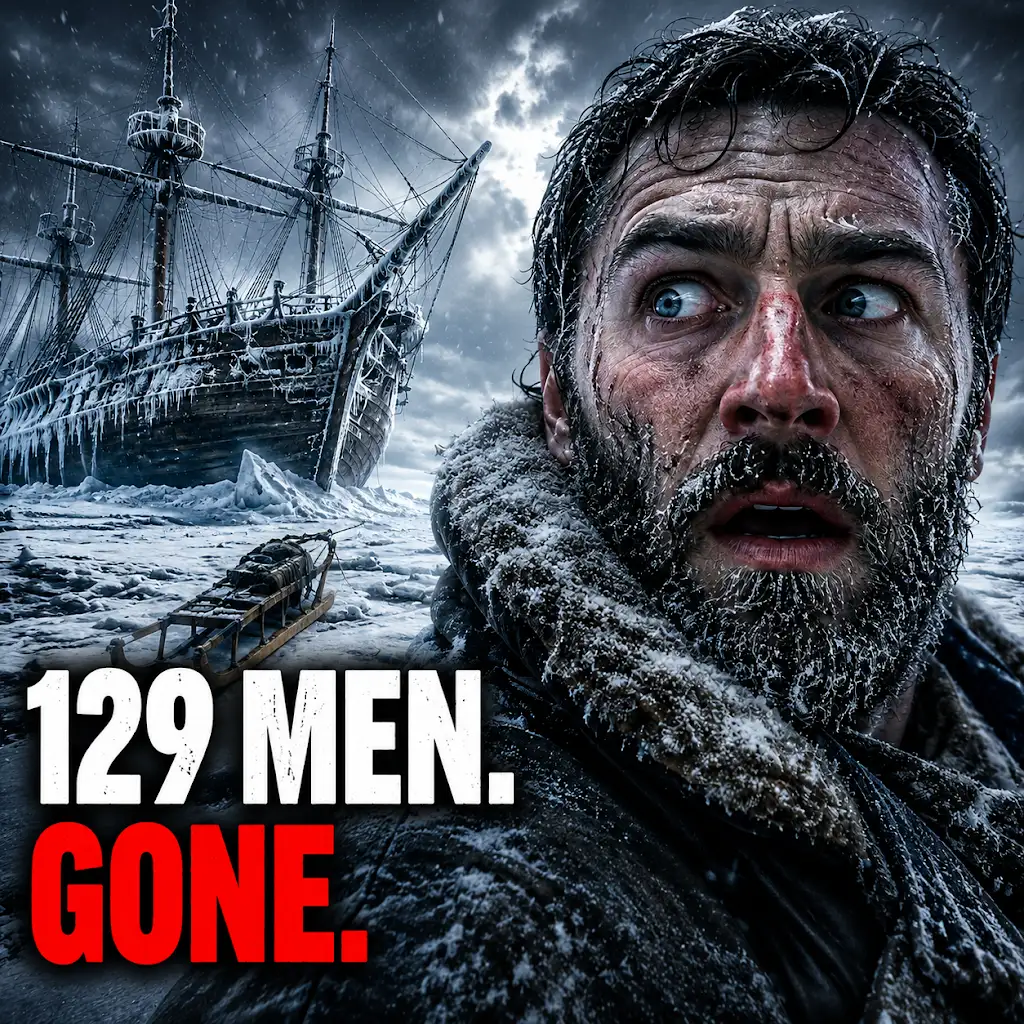
The expedition, launched in 1845, was equipped with the best technology and provisions available at the time. The two ships, HMS Erebus and HMS Terror, were sturdy vessels, originally designed for Antarctic exploration and refitted for Arctic service. They were strengthened with iron plating to withstand the crushing ice, and fitted with steam engines, a relatively new innovation in naval technology, to aid in navigating through ice-choked waters. The ships were provisioned for an unprecedented three years, with an emphasis on canned goods, a relatively new method of food preservation that was believed to be highly reliable. This foresight in equipping the vessels was intended to ensure the expedition’s self-sufficiency and allow for a prolonged period of exploration. The crew comprised 129 officers and men, a mix of experienced Arctic hands and eager newcomers.
The Franklin Expedition, which aimed to traverse the Northwest Passage in the mid-19th century, has long been shrouded in mystery, particularly regarding the survival of its crew after their ships became icebound. Recent explorations and research have shed light on the possible fates of the sailors, but many questions remain unanswered. For those interested in the broader implications of exploration and survival in extreme conditions, a related article titled “Securing the Final Frontier: Militarization of Deep Space Logistics” delves into the challenges faced in modern exploration and the logistics involved in surviving in uncharted territories. You can read more about it here: Securing the Final Frontier.
The Last Sightings and the Onset of Silence
Entering the Arctic Embrace
The expedition set sail from Greenwich on May 19, 1845, with considerable fanfare. After a brief stop in Greenland to take on supplies and local Inuit guides, HMS Erebus and HMS Terror, under Franklin’s command, steamed into the vast, unknown expanse of the Canadian Arctic Archipelago. The initial reports from whaling ships that encountered Franklin’s vessels in late July 1845 were positive. They confirmed the ships were in good spirits and making good progress, sailing north of Devon Island. This was the last confirmed sighting of the expedition by Europeans.
The Franklin Expedition survival mystery continues to captivate historians and adventurers alike, as researchers delve into the harsh realities faced by the crew in the Arctic. Recent findings shed light on the conditions that may have contributed to their demise, prompting comparisons to other modern challenges. For instance, the impact of nearshoring on inflation has been explored in a related article, highlighting how economic shifts can influence survival strategies in various contexts. You can read more about this intriguing connection in the article here.
The Waiting Game Begins
As weeks turned into months, and months into a year, the Royal Navy and the nation began to grow concerned. The initial three-year provisioning meant that news was not expected until late 1847 or early 1848. However, as the anticipated return date passed without any word, a palpable sense of unease settled in. The Arctic was a place where the unexpected was the norm, but the complete silence from such a well-equipped and experienced expedition was deeply troubling.
Early Search Efforts and Growing Apprehension
By 1848, the Admiralty, responding to mounting pressure and a growing sense of dread, initiated the first of many search parties. These early efforts were largely hampered by limited knowledge of the vastness of the Arctic and the difficulty of navigating its treacherous waters. Ships were sent out, some venturing into the ice fields, others following known routes, but all returned with no sign of Franklin. The absence of any distress signals or even a single message from the expedition began to fuel the grim realization that something had gone terribly wrong. The mystery of the Franklin Expedition’s fate had begun to deepen.
The Grim Evidence: Unraveling the Tragedy
Whispers from the Inuit: The First Clues
As the years wore on and official search expeditions continued to yield no definitive answers, the accounts of the indigenous Inuit people of the Arctic became increasingly vital. For generations, these communities had possessed an intimate knowledge of the land and its inhabitants. Their oral traditions, painstakingly gathered by explorers and ethnographers, began to paint a harrowing picture of the expedition’s final days. Inuit hunters reported encountering desperate, starving Europeans wandering on the ice, their ships frozen fast. These accounts, though often fragmented and difficult to fully corroborate, spoke of cannibalism, illness, and utter despair.
The Terror and the Erebus Trapped
The consistent narrative from various Inuit groups described the two ships becoming ice-bound in the Victoria Strait in the winter of 1846-47. This was a critical turning point. The expedition, designed for exploration, found itself immobilized, its crew now at the mercy of the unforgiving Arctic winter. The hope of a swift return or continued exploration dwindled with each passing day.
The March Towards Oblivion
Subsequent Inuit testimonies described the crews abandoning the ships in the spring of 1848, attempting to march south on foot towards the Canadian mainland. This desperate exodus was undertaken with dwindling supplies and under the brutal conditions of the Arctic. The accounts spoke of men dying along the way, succumbing to starvation, scurvy, and lead poisoning, the latter likely from the canned provisions.
The Lady Franklin and the Persistent Searches
Lady Jane Franklin, Sir John’s devoted wife, refused to accept the official pronouncements of his loss. Tirelessly and with immense personal expense, she sponsored numerous private search expeditions, driven by an unwavering hope of finding her husband alive or at least uncovering the truth of his fate. Her persistence, while ultimately unable to alter the outcome, was instrumental in keeping the search alive and pushing the boundaries of Arctic exploration. These later expeditions, often venturing into areas previously unsearched, began to unearth tangible evidence.
The Archaeological Discoveries: Tangible Traces of Despair
The most compelling evidence of the expedition’s fate began to surface in the mid-19th century and continues to this day. Archaeological expeditions, guided by Inuit accounts and a growing understanding of the area, have discovered scattered remains, personal artifacts, and gravesites across the Arctic.
King William Island: A Graveyard of Hope
The shores of King William Island became a focal point for discoveries. Here, archaeologists found human remains bearing cut marks consistent with cannibalism, a grim testament to the extreme measures taken in the face of starvation. Numerous personal effects, including buttons, buckles, and fragments of clothing, were also unearthed, offering poignant glimpses into the lives of the men.
The Wreck of HMS Terror: A Frozen Tomb
In 2016, a significant breakthrough occurred when the wreck of HMS Terror was discovered remarkably preserved beneath the ice in Terror Bay, off the coast of King William Island. This discovery provided an unprecedented opportunity to study the ship and its contents, offering a direct window into the final moments of the expedition. Subsequent dives have revealed intact artifacts, including personal items, scientific instruments, and even preserved provisions, further illuminating the challenges faced by the crew. The discovery of HMS Erebus in 2014, also in King William Island, further solidified the understanding of the ships’ final resting places.
The Unanswered Questions and Enduring Mysteries
The Cause of the Disaster: A Multifaceted Catastrophe
While the archaeological evidence has painted a grim picture of the expedition’s demise, the precise sequence of events and the ultimate contributing factors remain a subject of intense debate and scientific investigation.
Lead Poisoning: A Silent Killer
One of the most prominent theories centers on lead poisoning. Analysis of the expedition’s canned food revealed high levels of lead, a result of primitive canning techniques. This chronic exposure could have led to debilitating symptoms, including madness, paralysis, and organ failure, significantly impairing the crew’s ability to function and make rational decisions.
Scurvy and Malnutrition: The Scourge of Long Voyages
Scurvy, a disease caused by Vitamin C deficiency, was a common killer on long sea voyages. While the expedition was provisioned with some preserved fruits, it’s possible that these were insufficient or had lost their vitamin content over time. The harsh Arctic environment would have also limited opportunities for fresh food acquisition.
The Ice: An Implacable Enemy
The most immediate and obvious antagonist was the Arctic ice. The failure of the expedition to navigate the Victoria Strait and its subsequent entrapment for two winters was a catastrophic event. The ice effectively sealed their fate, transforming a voyage of discovery into a desperate struggle for survival.
The Passage Itself: An Uncharted Labyrinth
While the expedition’s ultimate failure wasn’t solely due to the passage’s difficulty, the challenges of charting it played a significant role. The Arctic is a dynamic and ever-changing environment, and the specific route Franklin was attempting to navigate proved to be a particularly formidable and impassable section for sailing vessels, especially when hindered by ice.
The Role of Leadership: Could It Have Been Different?
The question of Sir John Franklin’s leadership and the decisions made by the expedition’s officers is a recurring theme in the analysis of the disaster.
Franklin’s Experience vs. The Unknown
While Franklin was experienced, the specific challenges of the “open polar sea” concept that he was pursuing, a theory later proven incorrect, may have led him into a more perilous route. Critics sometimes question whether his decision to press north rather than seek an alternative route was a misjudgment.
The Chain of Command Under Duress
The immense pressure and isolation of being trapped in the Arctic would have tested any commander. Understanding how the chain of command functioned under such extreme duress, and whether alternative strategies could have been explored, remains a complex aspect of the mystery.
The Legacy of the Franklin Expedition
A Cautionary Tale and a Scientific Boon
The Franklin Expedition serves as a stark reminder of the immense power and unforgiving nature of the Arctic. It highlights the limitations of even the most advanced technology and the importance of understanding and respecting the environment. However, the tragedy also spurred significant advancements in Arctic exploration, shipbuilding, and survival techniques. The extensive searches, though born of tragedy, significantly contributed to the mapping and understanding of the Canadian Arctic.
The Human Element: Courage and Despair
Beyond the historical and scientific implications, the Franklin Expedition’s enduring power lies in its profound human element. It speaks to the indomitable spirit of exploration, the courage of those who venture into the unknown, and the tragic consequences when faced with overwhelming odds. The stories of individual crew members, pieced together through diaries and artifacts, reveal acts of bravery, camaraderie, and ultimately, the raw struggle for survival against the backdrop of immense despair. The mystery continues to resonate because it is a deeply human story, one of ambition, resilience, and ultimate vulnerability.
129 Men Vanished in the Arctic. Then We Found Their Ships.
FAQs
What was the Franklin Expedition?
The Franklin Expedition was a British voyage led by Captain Sir John Franklin in 1845 to find the Northwest Passage. The expedition consisted of two ships, HMS Erebus and HMS Terror, and aimed to navigate through the Arctic to connect the Atlantic and Pacific Oceans.
What happened to the Franklin Expedition?
The fate of the Franklin Expedition remained a mystery for many years. The ships became trapped in ice, and all crew members perished. The exact circumstances of their deaths and the location of the ships remained unknown for decades.
When were the ships of the Franklin Expedition discovered?
The wreck of HMS Erebus was discovered in 2014, and the wreck of HMS Terror was found in 2016. Both ships were located in the Canadian Arctic, shedding light on the final resting place of the expedition.
What were the causes of the Franklin Expedition’s failure?
The failure of the Franklin Expedition was attributed to a combination of factors, including harsh Arctic conditions, lead poisoning from canned food, scurvy, and exposure to the elements. The crew’s lack of experience in Arctic exploration also contributed to their demise.
What significance does the Franklin Expedition hold in history?
The Franklin Expedition is significant in history as it sparked numerous search and rescue missions, contributed to the mapping of the Arctic region, and led to advancements in polar exploration. The discovery of the wrecks has also provided valuable insights into the expedition’s final days and the challenges of Arctic exploration.