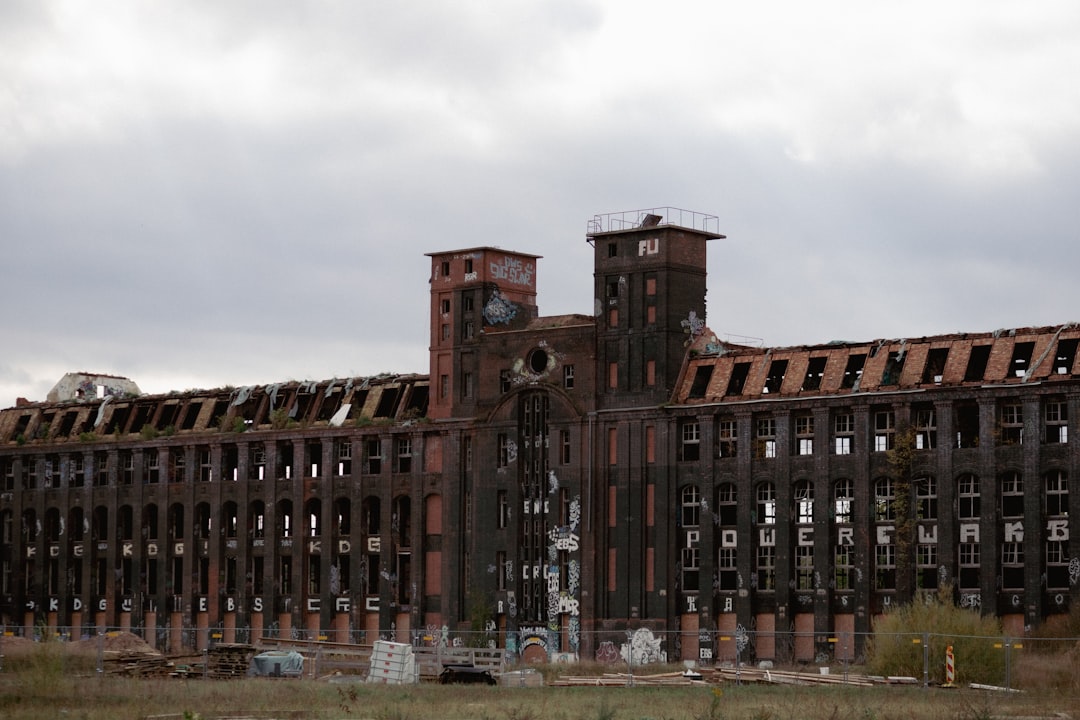
The German Factory Exodus: Economic Impact
The German industrial landscape, long a symbol of robust manufacturing and economic prowess, is experiencing a significant transformation. A growing number of German companies, once firmly rooted in their home country, are increasingly shifting production facilities and core operations abroad. This phenomenon, often termed the “German factory exodus,” is not a monolithic event but a complex interplay of economic forces that is reshaping not only the companies themselves but also the broader German economy. Understanding the multifaceted economic implications of this trend is crucial for grasping the future trajectory of Germany as an industrial powerhouse.
Several interconnected factors are compelling German businesses to re-evaluate their domestic production strategies. These drivers act as a relentless current, pulling industries away from their established shores.
The Siren Song of Lower Production Costs
Perhaps the most prominent motivator for companies relocating is the allure of significantly lower production costs in other countries.
Labour Wages and Benefits
The cost of labour in Germany, while reflecting a highly skilled workforce, is considerably higher than in many emerging economies, as well as in some established industrial nations. This includes not only base wages but also the substantial burden of social security contributions, pension obligations, and extensive employee benefits. For labour-intensive industries, this differential can represent a significant portion of their overall cost structure, making offshore production a compelling economic proposition. The gap acts like a persistent leak in a ship’s hull, demanding constant attention and, for some, a drastic measure to plug it.
Energy Prices and Availability
Germany’s energy landscape has become a focal point of concern for its industrial sector. The country’s commitment to renewable energy, while commendable from an environmental perspective, has led to volatile and often high electricity prices. The phasing out of nuclear power and the reliance on energy imports, subject to geopolitical fluctuations, further exacerbate these price swings. For energy-intensive industries such as chemicals, metallurgy, and automotive supply, these elevated energy costs can be crippling, rendering domestic production uncompetitive compared to regions with more stable and affordable energy supplies. The energy price differential is akin to navigating through turbulent waters, where unpredictable storms can capsize even the most well-built vessel.
Regulatory Burden and Bureaucracy
The German regulatory environment, characterized by stringent environmental standards, complex labour laws, and extensive administrative procedures, can present a significant hurdle for businesses. While these regulations are designed to protect workers and the environment, they often translate into increased compliance costs and slower decision-making processes. For companies operating in highly competitive global markets, the agility and speed afforded by less burdensome regulatory frameworks elsewhere can be a decisive advantage. The labyrinthine bureaucracy can feel like an impassable thicket, slowing down progress and frustrating enterprise.
The Magnet of Emerging Markets
Beyond cost reduction, the strategic allure of actively engaging with growing international markets is a powerful draw.
Access to New Consumer Bases
As emerging economies continue to expand their middle classes and increase their purchasing power, they represent lucrative new consumer bases. Establishing production facilities within these markets allows German companies to be closer to these burgeoning demand centres, reducing logistics costs and delivery times, and enabling them to better tailor their products to local tastes and preferences. This proximity acts as a direct pipeline to untapped revenue streams.
Proximity to Suppliers and Resources
In certain industries, relocating production closer to raw material sources or key component suppliers can lead to significant efficiencies. This integrated supply chain approach can reduce transportation costs, minimize lead times, and improve overall responsiveness to market changes. It’s about building a fortress where all essential elements are within arm’s reach.
The impact of the German factory exodus has significant implications for both the domestic economy and global supply chains. As companies relocate their manufacturing operations to countries with lower labor costs, this shift raises concerns about job losses and economic stability in Germany. A related article that explores the broader context of economic transitions and their effects on various regions can be found here: Navigating Post-Colonial Borders: Challenges and Opportunities. This piece delves into the complexities of economic migration and the challenges faced by nations adapting to these changes.
The Ripple Effect: Economic Ramifications for Germany
The German factory exodus, like a stone dropped into a calm pond, sends ripples across the economic landscape, impacting various sectors and stakeholders.
Employment and Labour Market Dynamics
The most immediate and undeniable consequence of factory relocations is the impact on employment.
Job Losses in Manufacturing Sectors
The closure or scaling down of domestic production facilities inevitably leads to job losses in the manufacturing and related sectors. This can exert significant pressure on regional economies, particularly those historically reliant on a single major industrial employer. The loss of these jobs can trigger a domino effect, impacting local retail, services, and housing markets. This is the most painful casualty of the exodus, leaving behind empty spaces where once vibrant communities thrived.
Shifting Skill Demands
While some jobs are lost, the nature of remaining and emerging jobs within the German economy is also evolving. There is a growing demand for high-skilled workers in areas such as research and development, engineering, digitalization, and strategic management, which often remain in Germany. Conversely, there is a declining demand for traditional manual labour roles associated with assembly and production. This necessitates a significant retraining and upskilling effort to ensure the workforce can adapt to the evolving economic landscape. The skills gap can become a chasm, difficult to bridge without concerted effort.
Competitiveness and Industrial Structure
The factory exodus has profound implications for Germany’s overall industrial competitiveness and the structure of its economy.
Erosion of the Manufacturing Base
A sustained outflow of manufacturing capacity can lead to an erosion of Germany’s traditional industrial base. This means a decline in the sheer volume of goods produced domestically, potentially impacting export volumes and the trade balance in the long run. The fear is that Germany might become a nation that primarily designs and sells, rather than one that broadly makes. This is a subtle shift, but one with significant long-term consequences for economic resilience.
Specialization and Value Chain Reconfiguration
In response to offshoring, some German companies are focusing on higher value-added activities that remain domestically, such as research and development, product design, marketing, and after-sales service. This leads to a re-prioritization and reconfiguration of the global value chain, with Germany specializing in the intellectual and strategic aspects of production, while manufacturing itself is dispersed. This can be seen as a strategic pivot, moving up the value chain rather than simply producing. It’s a strategic manoeuvre, like a skilled chess player sacrificing a pawn to gain a more advantageous position.
Innovation and Technological Advancement
The relationship between the factory exodus and innovation is complex and can manifest in both positive and negative ways.
Potential for Knowledge Drain
The relocation of production facilities can sometimes lead to a “knowledge drain” as experienced engineers, technicians, and production specialists move with the factories or their expertise becomes dispersed. This can hinder the transfer of tacit knowledge and best practices within Germany. The departure of skilled individuals can leave behind a void in institutional memory and practical know-how.
Driving Innovation for Competitiveness
Conversely, the pressure to remain competitive in a globalized market can spur innovation within Germany. Companies might invest more heavily in automation, digitalization, and advanced manufacturing techniques to offset higher domestic labour costs. The need to differentiate through superior technology and processes becomes paramount when direct cost competition becomes untenable. This pressure cooker environment can forge new metallurgical breakthroughs and digital marvels.
Impact on Regional Economies
The effects of the factory exodus are not evenly distributed across Germany, disproportionately affecting certain regions.
Vulnerability of Industrial Heartland Regions
Regions historically defined by heavy industry and manufacturing are particularly vulnerable to the consequences of factory closures. These areas may experience higher unemployment rates, declining tax revenues, and a general economic downturn, creating a challenging environment for recovery and diversification. The decline of these industrial heartlands can feel like a slow heartbeat faltering.
Opportunities for Economic Diversification
While challenging, the factory exodus can also present an opportunity for regional economic diversification. Communities facing industrial decline can leverage this transition to foster growth in new sectors, encourage entrepreneurship, and invest in education and infrastructure to attract new types of businesses. This is a chance for a phoenix to rise from the ashes, reborn in a new form.
Deeper Dive: Sector-Specific Challenges and Adaptations

The impact of the factory exodus varies significantly across different industrial sectors, each facing unique challenges and implementing distinct adaptation strategies.
The Automotive Industry: A Complex Web
The German automotive sector, a cornerstone of the nation’s economy, is a prime example of the complexities involved.
Supply Chain Restructuring and Reshoring Debates
The automotive industry relies on intricate global supply chains for components. Rising geopolitical tensions and pandemic-related disruptions have led to debates about “reshoring” – bringing crucial production back to Germany or Europe. However, the economic viability of such moves, given existing cost differentials, remains a significant challenge. The interconnectedness of the automotive supply chain is like a finely tuned orchestra, where the loss of a single instrument can throw off the entire harmony.
Shift to Electric Mobility and New Production Models
The global shift towards electric mobility is fundamentally altering production requirements. Germany is investing heavily in battery production and the development of new manufacturing processes for electric vehicles. This presents an opportunity to rebuild parts of the industrial base, albeit with different skill sets and technologies.
The Chemical Industry: Energy Intensive Footprint
Germany’s chemical industry, a significant energy consumer, faces particular headwinds.
High Energy Costs and Competitiveness
The high cost of energy in Germany directly impacts the competitiveness of its chemical sector, which is often compared to regions with cheaper electricity and natural gas. Companies are exploring various strategies, from energy efficiency improvements to seeking government support, to mitigate these costs. The chemical industry’s energy appetite makes it particularly susceptible to the volatility of energy markets.
Investment Shifts to Regions with Lower Energy Prices
Some chemical companies are investing in new production facilities in regions with more favourable energy prices and regulatory environments, leading to a gradual shift of some operations abroad.
The Machinery and Equipment Sector: “Mittelstand” Resilience
Germany’s renowned “Mittelstand” – the backbone of its small and medium-sized enterprises, particularly in machinery and equipment manufacturing – has shown remarkable resilience.
Focus on High-Value, Customized Solutions
While some are impacted, many “Mittelstand” companies are able to maintain their competitive edge by focusing on high-value, customized machinery and advanced technological solutions that are difficult to replicate elsewhere. Their strength lies in specialized knowledge and engineering excellence. Their precision engineering is like a finely crafted watch movement, intricate and indispensable.
Digitalization and Automation as Countermeasures
The adoption of Industry 4.0 technologies, including digitalization and automation, is a key strategy for the “Mittelstand” to enhance efficiency and maintain competitiveness in Germany.
Policy Responses and Future Strategies

Addressing the economic impacts of the factory exodus requires a comprehensive and forward-looking policy approach.
Strengthening Domestic Industrial Policy
Governments are increasingly recognizing the need for robust industrial policies to support and retain key industries.
Investment in Research and Development
Increased government and private sector investment in research and development is crucial to foster innovation and develop cutting-edge technologies that can create new high-value jobs and attract investment back to Germany. The pursuit of innovation is the nation’s fertile ground for future economic growth.
Targeted Subsidies and Incentives
Strategic deployment of subsidies and incentives for domestic investment, particularly in sectors deemed critical for national economic security or future growth, can help offset cost disadvantages and encourage companies to remain or return. These incentives act as a financial anchor, providing stability in turbulent economic seas.
Investing in Education and Skills Development
A proactive approach to education and skills development is essential to equip the workforce for the future.
Fostering STEM Education
Strengthening education in Science, Technology, Engineering, and Mathematics (STEM) fields is paramount to ensure a pipeline of skilled workers for the advanced industries of tomorrow. A robust STEM foundation is the bedrock upon which future technological advancements will be built.
Lifelong Learning and Retraining Programs
Implementing comprehensive lifelong learning and retraining programs is vital to help workers adapt to changing skill demands and transition into new roles within the evolving economy. The emphasis must be on continuous learning, like a river that constantly adapts its course.
Navigating International Relationships and Trade Agreements
Germany’s engagement with the global economy, through trade agreements and international relations, plays a crucial role in managing the factory exodus.
Fair Trade Practices and Level Playing Field
Advocating for fair trade practices and a level international playing field can help mitigate some of the competitive disadvantages faced by German industries due to differing labour and environmental standards elsewhere. Ensuring fair competition is like ensuring a level playing field for all athletes.
Strategic Trade Partnerships
Developing strategic trade partnerships and leveraging the European Union’s collective economic power can help create a more favourable environment for German businesses operating both domestically and internationally. Collaboration within the EU creates a stronger economic bulwark.
The impact of the German factory exodus has sparked significant discussions about the broader economic implications, particularly in relation to inflation and supply chain dynamics. A related article explores how nearshoring strategies are reshaping the landscape of manufacturing and influencing inflationary pressures in various economies. For more insights on this topic, you can read the article on nearshoring and its effects on inflation. This shift not only affects Germany but also has ripple effects across global markets, highlighting the interconnectedness of modern economies.
Conclusion: A Nation Recalibrating
| Metric | Value | Year | Notes |
|---|---|---|---|
| Number of factories closed in Germany | 1,200 | 2023 | Major industrial regions affected |
| Jobs lost in manufacturing sector | 150,000 | 2023 | Includes direct and indirect employment |
| Decrease in manufacturing output | 8% | 2023 | Compared to previous year |
| Increase in foreign manufacturing investments | 12% | 2023 | Factories relocated to Eastern Europe and Asia |
| GDP impact from factory exodus | -0.5% | 2023 | Estimated reduction in national GDP |
| Average wage reduction in affected regions | 6% | 2023 | Due to job losses and lower-paying jobs |
| Government spending on retraining programs | 500 million | 2023 | Euros allocated for workforce reskilling |
The German factory exodus is not an endpoint but a significant recalibration of Germany’s industrial identity and economic strategy. While the challenges are substantial, the underlying strengths of the German economy – its innovation capacity, skilled workforce in strategic areas, and strong institutional framework – provide a solid foundation for navigating this transformation. The key lies in proactive adaptation, strategic investment in future technologies, and a commitment to nurturing a resilient and evolving workforce. The current wave of offshoring is a powerful tide, but with foresight and strategic action, Germany can learn to surf it, emerging stronger and more agile in the global economic arena. The future of German industry will not be defined by its ability to produce everything, but by its capacity to innovate, design, and strategically manage its global production networks.
FAQs
What is meant by the term “German factory exodus”?
The “German factory exodus” refers to the trend of manufacturing companies relocating their production facilities from Germany to other countries, often seeking lower labor costs, reduced regulations, or access to new markets.
What are the main reasons behind the German factory exodus?
Key reasons include high labor and production costs in Germany, stringent environmental and labor regulations, globalization pressures, and the desire to be closer to emerging markets or supply chains in other regions.
How has the factory exodus impacted Germany’s economy?
The exodus has led to job losses in certain manufacturing sectors, shifts in regional economic activity, and challenges for local suppliers. However, it has also prompted innovation, automation, and a focus on high-tech industries within Germany.
Which industries in Germany are most affected by the factory exodus?
Industries such as automotive manufacturing, electronics, and heavy machinery have seen significant relocation of production facilities, although the impact varies by company and region.
What measures is Germany taking to address the factory exodus?
Germany is investing in advanced manufacturing technologies, promoting research and development, offering incentives for domestic production, and enhancing workforce skills to maintain competitiveness and attract investment.