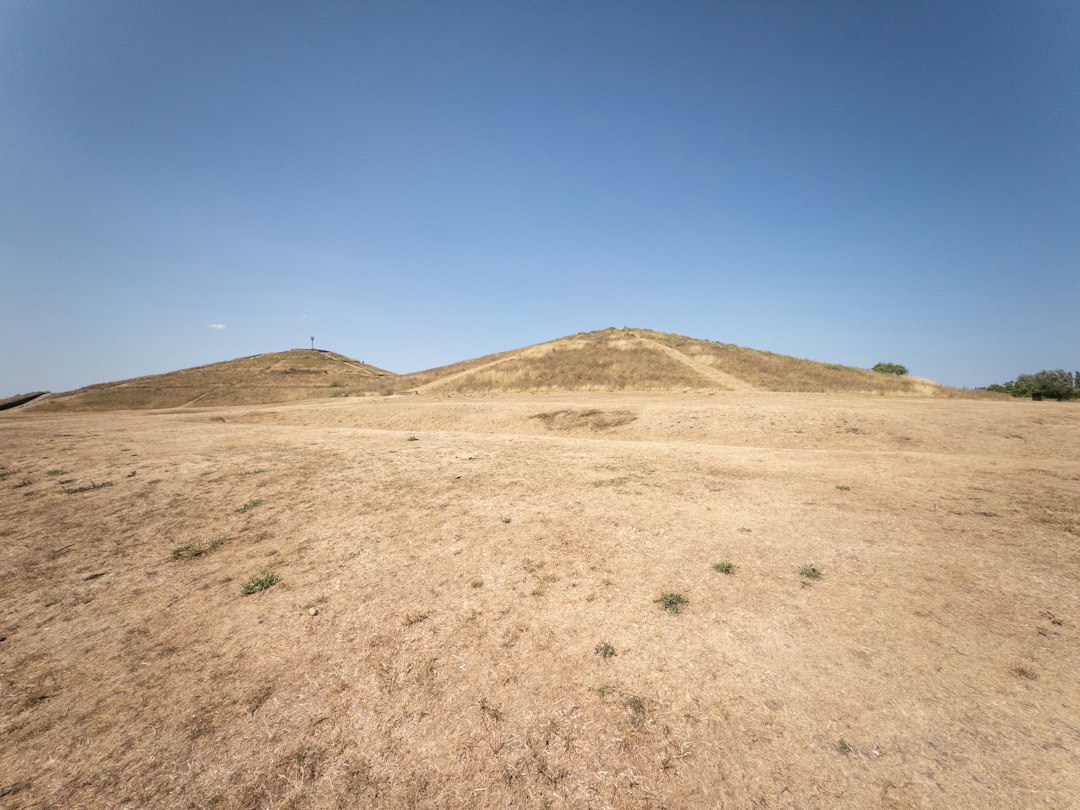
The Great Mound, a colossal earthen monument in North America, stands as a testament to the ingenuity and organized labor of ancient civilizations. Its sheer scale and intricate construction have captivated archaeologists, historians, and visitors for centuries, offering a tangible connection to a past that is both distant and profoundly human. This immense structure, more than just a pile of dirt, represents a complex worldview, a sophisticated understanding of engineering, and a vital center for social and spiritual life for the people who built it. Exploring its history, construction, purpose, and enduring legacy reveals the remarkable achievements of North America’s prehistoric inhabitants.
The story of the Great Mound is intrinsically linked to the Adena culture, a prehistoric Native American society that flourished in the Ohio River Valley from approximately 1000 BCE to 200 BCE. While the exact motivations behind the construction of such a monumental undertaking remain subjects of ongoing research and interpretation, evidence points to a convergence of social, religious, and potentially astronomical drivers.
The Adena People: Architects of the Earth
The Adena were hunter-gatherers who gradually transitioned to a more settled lifestyle, cultivating crops and developing sophisticated social structures. They are renowned for their elaborate burial practices, which often involved the construction of burial mounds, ranging in size from small, individual interments to the colossal Great Mound. These mounds were not simply graves; they were sacred spaces, imbued with spiritual significance and serving as focal points for communal gatherings and ceremonies. The Adena’s ability to mobilize a large workforce and sustain the effort required for constructing such massive structures suggests a well-developed social hierarchy and a strong sense of shared purpose. Their artistic achievements, particularly in bone and stone carving, further indicate a culture with a rich symbolic and spiritual life, which likely informed the design and placement of their monumental constructions.
The Strategic Location: A Sacred Landscape
The choice of location for the Great Mound was not arbitrary. It was situated in a geographically significant area, often near fertile river valleys that provided ample resources for sustenance and transportation. This strategic placement likely facilitated the gathering of materials, the movement of people, and the visibility of the mound as a central landmark within their territory. Furthermore, the landscape itself may have held spiritual importance, with the mound possibly oriented towards celestial events or natural features that held particular meaning for the Adena. Archaeological surveys around the Great Mound have revealed evidence of other smaller mounds, earthworks, and settlement sites, indicating that this colossal structure was part of a larger, interconnected cultural landscape.
The Purpose of a Monument: More Than Just a Burial Place
While the primary function of many Adena mounds was as burial sites, the Great Mound likely served a more multifaceted purpose. Its immense size suggests it was a focal point for significant ritualistic activities, possibly involving large gatherings, ceremonies, and feasts. It could have been a place for communal rites of passage, astronomical observations, or even a symbolic representation of the cosmos or their ancestral lineage. The sheer effort and time invested in its construction indicate a deep-seated cultural imperative, a need to create a lasting testament to their beliefs, their power, and their connection to the land. The idea of the mound as a “sacred mountain” or a “gateway to the spirit world” are common interpretations that highlight its profound symbolic importance.
The largest earthen mound in North America, Cahokia Mounds, serves as a testament to the advanced engineering and societal organization of the Mississippian culture. This remarkable site not only highlights the architectural prowess of its builders but also connects to broader themes of ancient engineering practices. For a deeper understanding of how ancient civilizations managed their resources, you can explore the article on hydraulic engineering marvels, which discusses various masterpieces of water management throughout history. To read more, visit this link.
Engineering the Impossible: The Construction of the Great Mound
The construction of the Great Mound was an extraordinary feat of engineering and labor, demanding meticulous planning and sustained effort over an extended period. The sheer volume of earth moved, estimated to be hundreds of thousands of cubic yards, speaks volumes about the organizational capacity and dedication of the Adena people.
Mobilizing the Workforce: A Collective Endeavor
The construction of the Great Mound would have required a significant and sustained labor force. This was not a task for a few individuals; it was a communal undertaking that likely involved the entire community, or at least a substantial portion of it. The Adena society, while not a centralized empire, possessed the social structures necessary to organize and direct such a massive project. This could have been achieved through kinship ties, religious authority, or leadership roles that mandated communal contribution. The process likely involved generations of work, with different stages of construction undertaken by various groups or over successive periods of time. The rhythmic and organized nature of the earth moving suggests a level of coordination and discipline that is impressive even by modern standards.
Tools of the Trade: Simplicity Meets Ingenuity
The Adena people, lacking the metal tools and advanced technology of later civilizations, relied on simple yet effective implements for their monumental task. They utilized digging sticks fashioned from hardened wood, stone axes, and baskets woven from plant fibers to transport the earth. The sheer volume of earth moved suggests that these tools, combined with immense human effort and ingenuity, were sufficient for the construction. The process likely involved a systematic layering of soil, creating distinct strata that archaeologists can now study to understand the construction phases and the types of soil used. The careful placement of different soil types, the creation of internal chambers, and the gradual shaping of the exterior all point to a sophisticated understanding of earthworks.
The Gradual Ascent: A Multi-Stage Construction Process
The Great Mound was not built in a single, continuous effort. Archaeological evidence suggests a multi-stage construction process, with layers of earth added over time, potentially incorporating ceremonial elements and burial chambers within the growing structure. This gradual ascent allowed for the incorporation of significant rituals and offerings at various stages of its development. Each layer added represented a continuation of tradition, a reinforcement of collective identity, and a further enhancement of its sacred significance. The internal structure of the mound, often revealing layers of different soil types and the remains of hearths and post molds, provides invaluable clues about the construction techniques and the activities that took place during its creation.
The Heart of the Sacred: Unraveling the Purpose and Symbolism

Beyond its physical dimensions, the Great Mound held profound cultural and spiritual significance for the Adena people. Its purpose extended far beyond mere utility, serving as a focal point for their worldview, their beliefs, and their connection to the cosmos.
A Cosmic Map: Alignments and Astronomical Significance
Many prehistoric earthworks, including the Great Mound, exhibit precise astronomical alignments. Researchers have identified potential alignments with celestial events such as solstices and equinoxes, suggesting that the mound served as a sophisticated astronomical observatory. The Adena likely possessed a keen understanding of the movements of the sun, moon, and stars, and incorporated this knowledge into the design and orientation of their sacred sites. These alignments would have been crucial for determining planting and harvesting seasons, as well as for marking important religious festivals and ceremonies. The precise measurement and alignment required to achieve this demonstrate a level of scientific observation and mathematical understanding that is remarkable for its time.
A Portal to the Spirit World: Rituals and Ceremonies
The Great Mound was undoubtedly a site of intense ritualistic activity. It likely served as a venue for important ceremonies, religious rites, and communal gatherings. The presence of burial chambers within the mound, often containing rich grave goods, suggests a deep reverence for ancestors and a belief in an afterlife. The mound itself may have been seen as a sacred mountain, a bridge between the earthly realm and the spiritual world, a place where the living could communicate with their ancestors and the deities. The nature of these rituals remains largely speculative, but the careful placement of offerings, the burning of fires, and the interment of the deceased all point to a rich and complex spiritual life.
A Symbol of Power and Identity: Social Cohesion and Authority
The construction and maintenance of the Great Mound would have required a considerable degree of social organization and leadership. The mound served as a tangible symbol of the Adena people’s collective power, their ability to cooperate, and their shared identity. It reinforced social hierarchies and demonstrated the authority of those who could mobilize such a large workforce. It also served as a constant reminder of their shared history and their connection to the land, fostering a sense of unity and belonging. The prestige associated with such a monumental undertaking would have solidified their place within the regional landscape and contributed to their cultural influence.
Echoes of the Past: Archaeological Discoveries and Ongoing Research
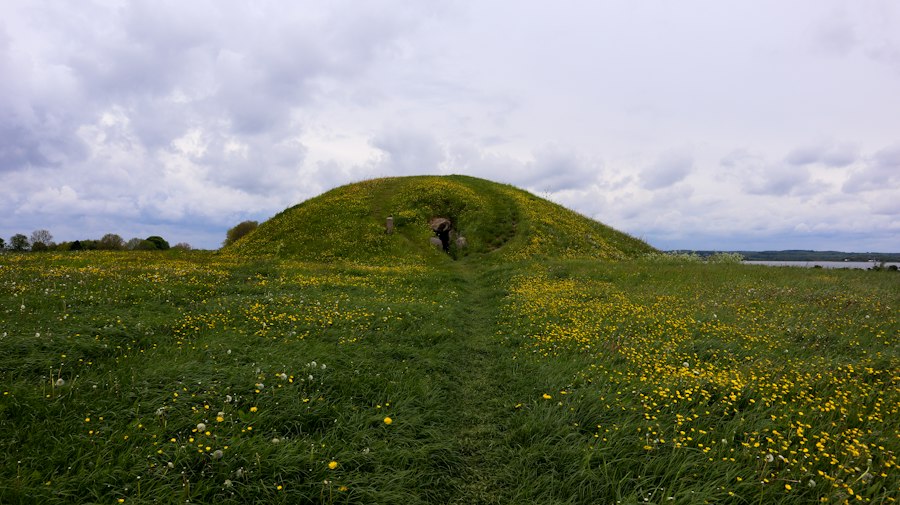
The study of the Great Mound has yielded a wealth of archaeological data, providing invaluable insights into the lives and beliefs of the Adena people. Ongoing research continues to refine our understanding of this enigmatic monument.
Excavations and Artifacts: Unearthing Clues to an Ancient Life
Numerous archaeological excavations at the Great Mound and surrounding sites have unearthed a wealth of artifacts. These include pottery fragments, stone tools, bone and shell ornaments, and the skeletal remains of individuals interred within the mound. Each discovery provides a piece of the puzzle, shedding light on the Adena’s diet, their craftsmanship, their social organization, and their spiritual practices. The analysis of these artifacts, from the types of materials used to the decorative motifs, offers a window into their daily lives and their cultural expressions. The presence of exotic materials, traded from distant regions, also indicates a network of interaction and exchange.
Radiocarbon Dating and Stratigraphy: Pinpointing the Timeline
Radiocarbon dating of organic materials found within the mound has been crucial in establishing a timeline for its construction and use. By analyzing the layers of soil (stratigraphy), archaeologists can discern the different phases of construction and understand the sequence of events. This scientific approach allows for a more precise understanding of when the mound was built, how it evolved over time, and the duration of its use. The detailed examination of these layers can reveal evidence of fires, human activity, and the deposition of materials, helping to reconstruct the history of the mound’s creation and its subsequent transformations.
Modern Techniques and Future Prospects: Advanced Insights
Modern archaeological techniques, such as ground-penetrating radar and lidar scanning, are revolutionizing the study of ancient sites like the Great Mound. These non-invasive methods can reveal hidden structures, subsurface features, and the overall topography of the landscape without disturbing the site. This allows for a more comprehensive understanding of the mound’s relationship to its surroundings and the potential for undiscovered elements. Future research promises to further unravel the mysteries of the Great Mound, potentially revealing new insights into its construction, purpose, and the complex society that created it. The application of DNA analysis to skeletal remains could also provide information about population movements and kinship structures.
The largest earthen mound in North America, known as Cahokia Mounds, serves as a testament to the advanced societies that once thrived in the region. This impressive site not only showcases the architectural prowess of its builders but also raises questions about the reasons behind the decline of such civilizations. For those interested in exploring the broader context of ancient urban abandonment, a related article discusses various trends that contributed to the fall of these once-flourishing cities. You can read more about it in this insightful piece on ancient city abandonment trends.
The Enduring Legacy: The Great Mound as a Cultural Treasure
| Attribute | Details |
|---|---|
| Name | Largest Earthen Mound North America |
| Location | Monks Mound, Cahokia Mounds State Historic Site, Illinois, USA |
| Height | Approximately 100 feet (30 meters) |
| Construction | Built by the Mississippian culture around 1000-1100 AD |
| Significance | Part of the UNESCO World Heritage Site and considered one of the greatest achievements of prehistoric North American culture |
The Great Mound stands not only as an archaeological marvel but also as a profound symbol of North America’s rich and complex prehistory. Its enduring presence continues to inspire awe, foster a sense of connection to the past, and serve as a vital educational resource.
A Window into Prehistory: Understanding Indigenous Heritage
The Great Mound provides an unparalleled window into the achievements of indigenous peoples in North America long before European contact. It challenges simplistic notions of the continent’s past and highlights the sophistication of its early inhabitants. Studying the mound allows for a deeper appreciation of the diversity of indigenous cultures, their innovative technologies, and their profound spiritual connection to the land. It serves as a crucial counter-narrative to historical accounts that often overlooked or marginalized indigenous contributions.
Preservation and Protection: Safeguarding a Priceless Heritage
The preservation of the Great Mound is of paramount importance to protect this irreplaceable cultural heritage for future generations. Efforts are underway to ensure its long-term survival against natural erosion, environmental factors, and the potential impacts of human activity. Educational programs and responsible tourism play a vital role in fostering public awareness and appreciation for the site’s significance. The ongoing dialogue between scientific researchers, descendant communities, and the public is essential for ensuring that the mound is managed and interpreted in a way that respects its cultural importance and historical integrity.
A Source of Inspiration: Connecting with the Past
For visitors and researchers alike, the Great Mound offers a profound connection to a distant past. Standing before this colossal earthen monument evokes a sense of wonder and prompts reflection on the human capacity for creativity, cooperation, and spiritual devotion. It serves as a powerful reminder of the enduring human drive to create meaning, to connect with the divine, and to leave a lasting legacy. The Great Mound, in its silent grandeur, continues to speak to us across the millennia, inviting us to learn from and be inspired by the remarkable achievements of those who shaped it. Its enduring presence is a testament to the power of human endeavor and the enduring mysteries of our shared history.

A City Bigger Than London Once Stood in America. Then It Vanished.
FAQs
What is the largest earthen mound in North America?
The largest earthen mound in North America is Monk’s Mound, located at the Cahokia Mounds State Historic Site in Illinois.
How tall is Monk’s Mound?
Monk’s Mound is approximately 100 feet tall, making it the largest prehistoric earthwork in the Americas.
When was Monk’s Mound built?
Monk’s Mound was built by the Mississippian culture between 900 and 1200 AD, making it over 1,000 years old.
What was the purpose of Monk’s Mound?
The purpose of Monk’s Mound is believed to have been ceremonial and religious, serving as the focal point of the Cahokia settlement and possibly as a platform for the residence of the ruling elite.
How does Monk’s Mound compare to other earthen mounds in North America?
Monk’s Mound is significantly larger than other earthen mounds in North America, standing out as the largest and most impressive example of prehistoric earthwork construction on the continent.