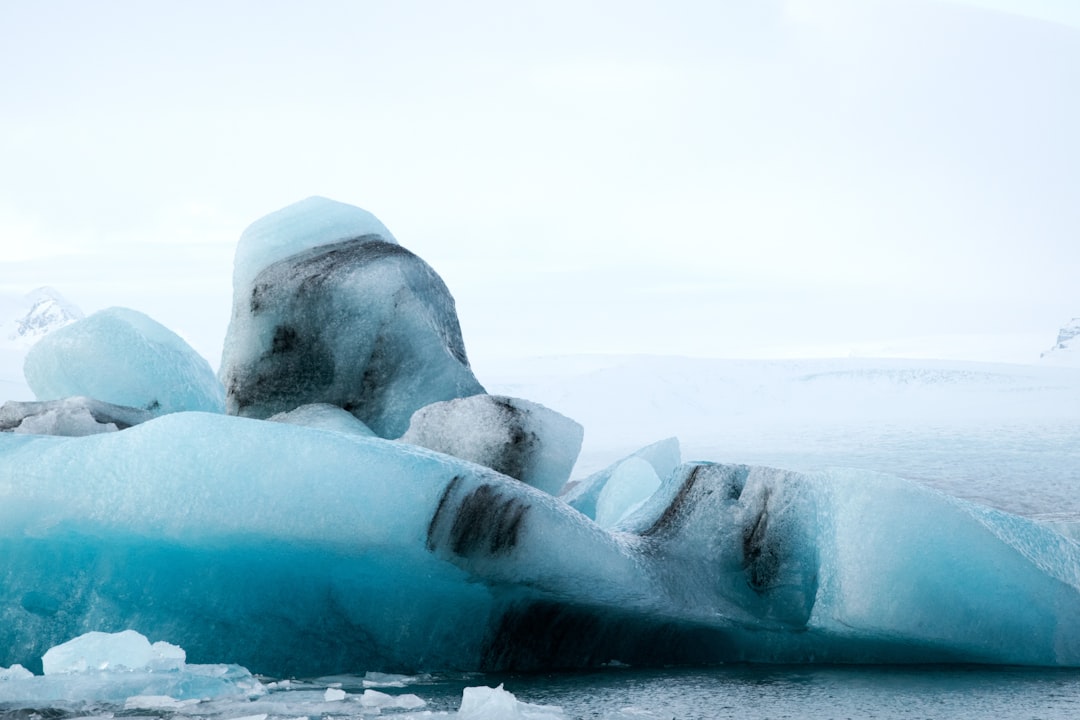
The end of the last glacial period, often referred to as the Great Thaw, marked a profound transformation of the Earth’s surface. It was a time of dramatic climate change, where frigid landscapes gradually gave way to burgeoning life, reshaping ecosystems, influencing the evolution of flora and fauna, and ultimately paving the way for the emergence and spread of human civilization. This monumental shift, unfolding over millennia, was not a sudden event but a complex interplay of geological, atmospheric, and orbital factors that culminated in the relatively stable and temperate climate we know today.
The transition from the Last Glacial Maximum to the Holocene was driven by a confluence of powerful forces, primarily related to changes in Earth’s orbital parameters and feedback loops within the climate system. These drivers, acting in concert, initiated a long and complex warming trend that gradually reduced the vast ice sheets and altered global weather patterns.
Milankovitch Cycles: The Celestial Hand
At the heart of the long-term glacial cycles lies the subtle, yet persistent, influence of Milankovitch cycles. These are periodic variations in Earth’s orbit around the Sun and its axial tilt, described by Serbian astronomer Milutin Milankovitch. They directly affect the amount and distribution of solar radiation received by the planet, particularly at higher latitudes.
Eccentricity: The Shape of Earth’s Orbit
One of the key Milankovitch cycles is the eccentricity of Earth’s orbit, which describes the degree to which its path deviates from a perfect circle. This cycle operates on timescales of roughly 100,000 and 400,000 years. During periods of lower eccentricity, Earth’s orbit is more circular, leading to a more even distribution of solar radiation throughout the year. Conversely, when eccentricity is high, the difference in distance between Earth and the Sun at different points in its orbit becomes more pronounced, leading to greater seasonal variations in solar insolation. It is believed that a shift towards a more circular orbit during the end of the last glacial period played a role in moderating temperatures.
Obliquity: The Tilt of the Axis
Earth’s axial tilt, or obliquity, also undergoes cyclical changes, oscillating between approximately 22.1 and 24.5 degrees over a period of about 41,000 years. The tilt determines the intensity of seasons. A greater tilt results in more extreme seasonal variations: hotter summers and colder winters. As the tilt approached its minimum during the end of the last ice age, the intensity of summers, especially at high latitudes, would have lessened. This reduction in summer warmth, while seemingly counterintuitive for thawing, contributed to a more balanced annual temperature, preventing the complete remelting of snowpack and ice in some regions while facilitating gradual retreat elsewhere.
Precession: The Wobble of the Axis
The third major Milankovitch cycle is axial precession, which describes the “wobble” of Earth’s axis over a period of roughly 26,000 years. This precession, combined with the eccentricity of the orbit, dictates which hemisphere experiences summer when Earth is closest to the Sun (perihelion) and when it is farthest away (aphelion). This effect influences the timing and intensity of summer insolation in different hemispheres. The specific alignment of precession, eccentricity, and obliquity at the end of the last glacial period created conditions that favored a reduced difference between summer and winter insolation in the Northern Hemisphere, thereby contributing to a less severe climate.
Greenhouse Gases: A Crucial Feedback Loop
While Milankovitch cycles provide the initial “push” for glacial-interglacial transitions, their effect alone is insufficient to explain the magnitude of warming observed during the Great Thaw. The amplified warming was largely driven by feedback mechanisms involving greenhouse gases, most notably carbon dioxide (CO2) and methane (CH4).
Carbon Dioxide: The Silent Accelerator
During glacial periods, atmospheric CO2 concentrations are significantly lower than during interglacial periods. The mechanisms for this drawdown are complex, involving changes in ocean circulation, the biological pump (the process by which marine organisms transport carbon to the deep ocean), and rock weathering. As the climate began to warm, driven by Milankovitch forcing, a series of powerful feedback loops were triggered. Warmer oceans absorb less CO2 from the atmosphere, and increased volcanic activity, potentially linked to the melting of ice sheets relieving pressure on the Earth’s crust, released more CO2. This release of CO2, a potent greenhouse gas, further accelerated the warming trend, creating a self-reinforcing cycle. Ice core data provides irrefutable evidence of this correlation, showing a dramatic rise in CO2 levels coinciding with the end of the glacial period.
Methane: The Explosive Amplification
Methane is another powerful greenhouse gas, with a significantly higher warming potential than CO2 over shorter timescales. During the last glacial period, large amounts of methane were locked up in frozen permafrost and as methane hydrates in the ocean floor. As temperatures began to rise, these reservoirs became unstable. Thawing permafrost released trapped methane, and warming ocean waters triggered the destabilization of methane hydrates, leading to their release into the atmosphere. This sudden injection of methane into the atmosphere significantly amplified the warming trend, adding another layer of complexity to the Great Thaw.
Ocean Currents: The Global Thermostat
Changes in ocean circulation also played a pivotal role in redistributing heat and influencing global climate patterns during the Great Thaw. The oceans act as a massive thermostat, transporting heat from the tropics towards the poles.
The Thermohaline Circulation: A Global Conveyor Belt
The thermohaline circulation, driven by differences in temperature and salinity (thermo=heat, haline=salt), is a global system of ocean currents that moves vast quantities of water and heat around the planet. During glacial periods, this circulation was likely altered, with a reduced flow of warm water to the North Atlantic. As the ice sheets began to melt, increasing the amount of freshwater entering the oceans, it is believed that the thermohaline circulation was disrupted and then re-established in a different configuration. This re-establishment, and particularly the increased poleward transport of heat, contributed significantly to the warming of the Northern Hemisphere and the subsequent melting of ice sheets.
The end of the Ice Age marked a significant turning point in Earth’s history, leading to dramatic changes in climate and the environment. This transition not only affected the flora and fauna but also had profound implications for human societies as they adapted to new conditions. For a deeper understanding of how geographical and climatic shifts have influenced human conflict and cooperation, you might find the article on the Battle of Belgium, which explores the historical dynamics between Flanders and Wallonia, particularly interesting. You can read it here: The Battle of Belgium: Flanders vs. Wallonia.
The Sculpting of Landscapes: Ice Sheets in Retreat
The most visible and dramatic consequence of the Great Thaw was the relentless retreat of the massive continental ice sheets that had covered vast swathes of North America, Europe, and Asia. This withdrawal of ice, spanning millennia, left behind a profoundly altered topography, shaping the landforms that define many regions today.
Glacial Erosion: The Scouring Power of Ice
During their zenith, the ice sheets acted as colossal agents of erosion, grinding and plowing through the underlying bedrock. Their immense weight and the abrasive action of embedded rocks and debris sculpted the landscape with immense force.
U-Shaped Valleys and Fjords: Scars of the Ice
Where ice sheets flowed through pre-existing river valleys, they transformed them from V-shaped troughs into broad, U-shaped valleys. The immense power of the glaciers widened and deepened these valleys, leaving behind the characteristic, often dramatic, profiles seen in glaciated mountain ranges today. In coastal areas, the sea invaded these deeply carved valleys, creating fjords – long, narrow, and deep inlets with steep sides, a defining feature of regions like Norway and Chile.
Cirques and Arêtes: Sculpting Mountain Peaks
In mountainous regions, glaciers carved out bowl-shaped depressions known as cirques at the heads of valleys. These dramatic amphitheaters were formed by the scouring action of ice at the accumulation zones of glaciers. Where multiple cirques eroded back-to-back, sharp, knife-edge ridges called arêtes were formed, and in areas where several cirques converged, jagged pyramidal peaks called horns (like the Matterhorn) were sculpted by the relentless power of glacial ice.
Glacial Deposition: Legacy of Sediments
As the ice sheets retreated, they also deposited the vast quantities of sediment and debris they had carried. This material, collectively known as glacial till, formed a diverse array of landforms that continue to shape our landscapes.
Moraines: The Debris Piles of Retreat
Terminal moraines, or end moraines, are ridges of till deposited at the farthest extent of a glacier’s advance. As glaciers recede, they leave behind distinct ridges marking their former positions. Lateral moraines form along the sides of glaciers, while medial moraines are created where two glaciers merge. These moraines are often fertile areas, providing valuable agricultural land.
Drumlins and Eskers: Ice Flow Indicators
Drumlins are elongated, streamlined hills composed of till, often shaped like an inverted spoon, with their long axis parallel to the direction of ice flow. They are formed by the ice molding the underlying till. Eskers are long, winding ridges of sand and gravel deposited by meltwater streams flowing within, under, or upon a glacier. Their sinuous paths often reflect the intricate drainage systems that existed within the ice.
Kettle Lakes: Puddles of Melted Ice
When large blocks of ice became detached from the main glacier and were buried in outwash sediment, they eventually melted, leaving behind depressions in the ground. These depressions, often filled with water, are known as kettle lakes or kettle holes. They are a common feature in outwash plains and moraine landscapes.
The Dawn of New Ecosystems: Flora and Fauna Reclaim the Land
The retreat of the ice sheets and the amelioration of the climate created the conditions for unprecedented ecological expansion. As the land emerged from beneath the ice, it was gradually colonized by a diverse array of plants and animals, leading to the formation of the ecosystems we recognize today.
The Colonization of the Land: From Barren to Verdant
The initial post-glacial landscapes were often barren and rocky, characterized by pioneer species adapted to harsh conditions. However, as the soil developed and the climate became more stable, a succession of plant communities emerged.
Pioneer Plants: The First Green Shoots
The first plants to colonize the deglaciated terrain were typically hardy species like mosses, lichens, and grasses. These organisms can tolerate impoverished soils and extreme weather. Their presence helped to stabilize the soil and initiate the process of soil formation, paving the way for more complex plant life.
Forest Succession: The Rise of the Trees
Following the initial colonization, successive waves of plant communities spread across the landscape. Eventually, forests began to dominate many areas. The type of forest that established itself was heavily influenced by latitude, rainfall, and soil conditions. In boreal regions, spruce, pine, and fir trees became prominent, while in more temperate zones, deciduous forests with oak, maple, and beech trees flourished. This change from open landscapes to closed forests profoundly altered the biodiversity and ecological processes of these regions.
The Resurgence of Animal Life: Migrations and Adaptations
The changing environment also provided new opportunities and challenges for animal life. Many species that had survived the glacial period in refugia migrated back into the newly deglaciated territories, while others adapted to the evolving habitats.
Megafauna Migrations: The Return of the Giants
Large herbivores like mammoths, mastodons, woolly rhinoceroses, and giant deer, which had survived the Ice Age in southern refugia or steppe environments, began to migrate northward as the climate warmed and vegetation returned. These megafauna played a crucial role in shaping ecosystems through their grazing and browsing. However, many of these large species eventually went extinct, a complex process often attributed to a combination of climate change, habitat loss, and potentially human hunting.
New Niches and Diversification: Adapting to Change
The mosaic of new habitats created by the retreating ice – including expanding forests, grasslands, wetlands, and newly formed lakes and rivers – provided opportunities for a wide range of species. Smaller mammals like deer, elk, beavers, and wolves, as well as diverse bird and insect populations, recolonized the land. The changing vegetation patterns also influenced the diets and foraging strategies of these animals, leading to ongoing adaptations and evolutionary pressures.
The Emergence of Human Civilization: A World Transformed
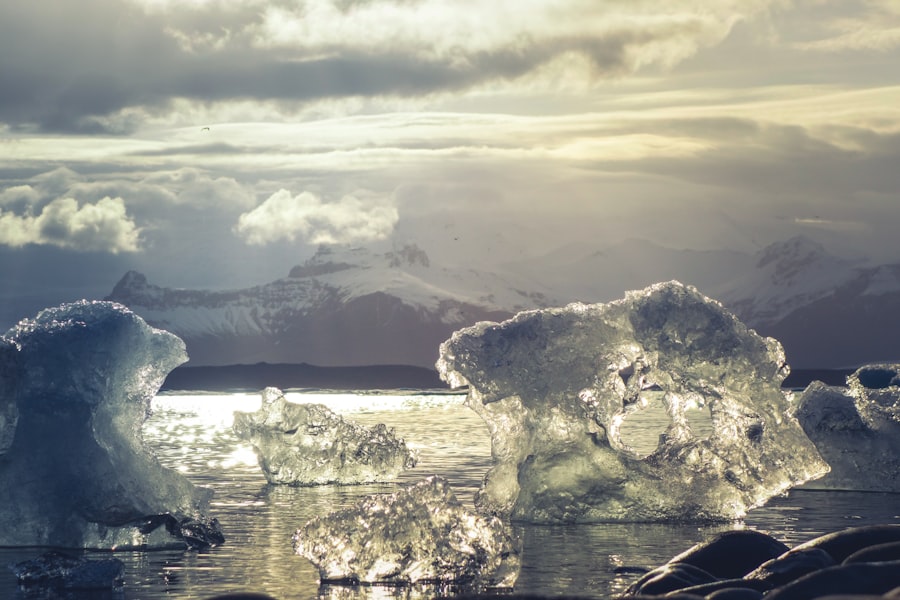
The Great Thaw was not merely a geological and ecological event; it was a fundamental catalyst for the development and spread of human civilization. The warming climate, the availability of new resources, and the alteration of landscapes created both opportunities and challenges that profoundly shaped human history.
Adapting to New Environments: From Nomadic Hunters to Settled Farmers
As the ice retreated, humans, who had endured the Ice Age primarily as nomadic hunter-gatherers, found themselves in landscapes with drastically different resource availability.
Resource Abundance and New Opportunities
The return of vegetation brought with it abundant game animals, edible plants, and crucial resources like wood and fresh water. This increased resource availability allowed human populations to grow and to explore new territories. The thawing permafrost also opened up new migratory routes and hunting grounds.
The Neolithic Revolution: A Paradigm Shift
Perhaps the most profound impact of the Great Thaw on human civilization was its indirect contribution to the Neolithic Revolution – the transition from hunting and gathering to settled agriculture. As the climate stabilized and became more predictable, and as certain regions became particularly fertile with the deposition of glacial sediments, opportunities arose for cultivating crops and domesticating animals. This shift towards agriculture led to the development of permanent settlements, the rise of villages and towns, and ultimately, the foundations of complex societies with specialized labor, social hierarchies, and the beginnings of civilization.
The Spread of Humanity: Colonization of New Territories
The Great Thaw facilitated the dispersal of human populations across the globe. As ice sheets receded, land bridges that had been submerged or exposed during glacial periods became accessible, and new territories opened up for exploration and settlement.
Beringia and Beyond: The Peopling of the Americas
One of the most significant migrations enabled by the changing climate was the peopling of the Americas. During the Last Glacial Maximum, a land bridge, known as Beringia, connected Siberia and Alaska. As the ice sheets melted, this land bridge became submerged, but a corridor through the ice sheets eventually opened up, allowing early humans to migrate into North and South America, leading to the eventual colonization of two continents.
Global Wanderlust: Filling the Empty Spaces
Across the globe, the melting of ice sheets and the warming climate opened up previously uninhabitable or difficult-to-access regions. Humans, driven by curiosity, resource needs, and population pressures, ventured into these new lands, adapting their toolkits, hunting strategies, and social structures to the diverse environments they encountered, ultimately leading to the widespread distribution of humankind across all inhabited continents.
The transition from the Ice Age marked a significant turning point in Earth’s climate and ecosystems, leading to the development of early human civilizations. This period not only shaped the environment but also influenced the technological advancements of ancient societies. For a deeper understanding of how these civilizations harnessed their surroundings and developed advanced technologies, you can explore this insightful article on ancient civilizations and their innovations.
The Enduring Legacy: A World Shaped by the Thaw
| Event | Date | Duration |
|---|---|---|
| End of the Ice Age | Approximately 11,700 years ago | Several thousand years |
The Great Thaw was not just a transition to a warmer world; it was a pivotal epoch that fundamentally remolded the planet’s physical geography, its ecosystems, and the trajectory of human civilization. The consequences of this monumental shift are still evident today, shaping our landscapes, influencing our climate, and providing the foundation upon which our modern world is built.
Shaping Our Planet: Modern Landscapes and Waterways
The landforms sculpted by the receding ice sheets – from the Great Lakes of North America to the fjords of Norway and the moraine landscapes scattered across continents – are enduring testaments to the power of glaciation and its subsequent thaw. The vast quantities of meltwater also created new river systems, shaped coastlines, and filled depressions to form lakes and wetlands, all of which are crucial for contemporary ecosystems and human societies.
Climate Regulation and Future Challenges: The Holocene Stability
The relatively stable, temperate climate of the Holocene epoch, the period that followed the Great Thaw, has been instrumental in the flourishing of human civilization. However, this stability is a delicate balance. Understanding the mechanisms of past climate change, including the complex feedback loops initiated during the Great Thaw, is crucial for comprehending current climatic shifts. The vast stores of carbon released during the thaw, and the potential for further destabilization of these reservoirs, remain vital considerations in our ongoing relationship with the Earth’s climate.
Human Ingenuity and Adaptation: A Story of Resilience
The story of the Great Thaw is also a story of human resilience and ingenuity. The ability of early humans to adapt to radical environmental changes, to develop new technologies and social structures, and ultimately to harness the resources of the post-glacial world, is a remarkable testament to our species’ capacity for survival and innovation. The transition from nomadic hunter-gatherers to settled agriculturalists, enabled by the opportunities presented by the thawing world, laid the groundwork for all subsequent human advancements, from the development of writing and cities to the exploration of space. The Great Thaw, in essence, provided the canvas upon which the grand tapestry of human history has been woven.

When the Ice Age Ended… Everything Changed
FAQs
1. What caused the end of the Ice Age?
The end of the Ice Age was primarily caused by changes in the Earth’s orbit and tilt, leading to shifts in the distribution of sunlight and temperature across the planet.
2. How long ago did the Ice Age end?
The end of the last Ice Age occurred approximately 11,700 years ago, marking the beginning of the current geological epoch known as the Holocene.
3. What were the effects of the Ice Age ending?
The end of the Ice Age led to the retreat of glaciers, the rise of sea levels, and the expansion of habitable land for human and animal populations. It also brought about significant changes in climate and ecosystems.
4. Did the end of the Ice Age lead to the extinction of any species?
The end of the Ice Age did result in the extinction of several large mammal species, such as mammoths, mastodons, and saber-toothed cats. However, the exact causes of these extinctions are still debated among scientists.
5. How did human societies adapt to the changing environment after the Ice Age ended?
After the Ice Age ended, human societies adapted to the changing environment by transitioning from a nomadic hunter-gatherer lifestyle to settled agricultural communities. This shift ultimately led to the development of complex civilizations and the rise of modern human societies.