The whispers of the past echo across the fertile plains of the Mississippi River Valley, telling tales of a civilization that rose and flourished centuries before European explorers set foot on North American soil. These were the Cahokia Mound Builders, a people whose monumental architecture and complex society left an indelible mark on the landscape and on our understanding of pre-Columbian North America. Their story is one of ingenuity, adaptability, and a sophisticated understanding of their environment, a narrative that continues to captivate archaeologists and historians alike.
The story of Cahokia is not one of sudden appearance, but rather a gradual evolution from earlier Woodland Period cultures. These ancestral societies, living in smaller, more dispersed settlements, laid the groundwork for the larger, more organized community that would eventually become Cahokia. The transition was not marked by a single event, but by a series of cultural shifts and innovations that gradually coalesced into a distinct Cahokian identity.
Precursors and Woodland Traditions
Before the rise of Cahokia, the Mississippi Valley was home to various Woodland cultures. These groups, characterized by their use of pottery, bow and arrow technology, and the beginnings of mound construction, lived in relatively small, often semi-sedentary villages. They were skilled hunters, gatherers, and early agriculturalists, cultivating crops like squash and sunflowers. While their settlements were modest compared to what would later emerge, the seeds of complex social organization and ritualistic practices, often expressed through burial mounds, were already present. These early traditions provided the cultural foundation upon which Cahokia would be built, demonstrating a long-standing human presence and a growing engagement with the Mississippi River environment.
The Rise of Agriculture and Population Growth
A pivotal factor in Cahokia’s ascent was the increasing reliance on agriculture, particularly the cultivation of maize (corn). The introduction and refinement of maize farming techniques provided a more reliable and abundant food source, allowing for larger populations to be sustained in a single location. This agricultural surplus freed up individuals from the constant need for foraging and hunting, enabling specialization of labor and the development of more complex social structures. The fertile loess soils of the Mississippi floodplain were particularly conducive to intensive agriculture, contributing to significant population growth in the region. As communities became more settled and food production increased, the stage was set for the development of larger, more permanent settlements.
Early Mound Construction: Ritual and Hierarchy
The practice of mound building, while present in earlier Woodland cultures, became a defining characteristic of Cahokia. These early mounds, often smaller and more utilitarian in design, served various purposes, including burial sites and platforms for structures. The very act of constructing these large earthen monuments suggests a degree of social organization and collective labor. The resources and manpower required to build even modest mounds indicate a developing hierarchy, where some individuals or groups held authority over others. These early mounds were not just structures; they were physical manifestations of emerging social order and evolving spiritual beliefs.
The history of the Cahokia mound builders offers fascinating insights into the complex societies that thrived in North America long before European contact. Their monumental earthworks, particularly the massive Cahokia Mounds in present-day Illinois, reflect advanced social organization and agricultural practices. For those interested in understanding how ancient civilizations adapted to their environments, a related article discussing contemporary challenges such as water scarcity can provide valuable context. You can read more about these pressing global issues in the article found here: Addressing Global Water Scarcity: Challenges and Solutions.
The Zenith of Cahokia: A Flourishing Metropolis
The period between approximately 1050 CE and 1350 CE represents the golden age of Cahokia, a time when it grew into one of the largest and most influential urban centers in the pre-Columbian Americas. This was a period of immense population, sophisticated urban planning, and widespread cultural and economic influence that radiated far beyond the city’s immediate vicinity. Cahokia was not merely a large village; it was a true city, a hub of activity and a center of power.
Monks Mound: The Heart of the City
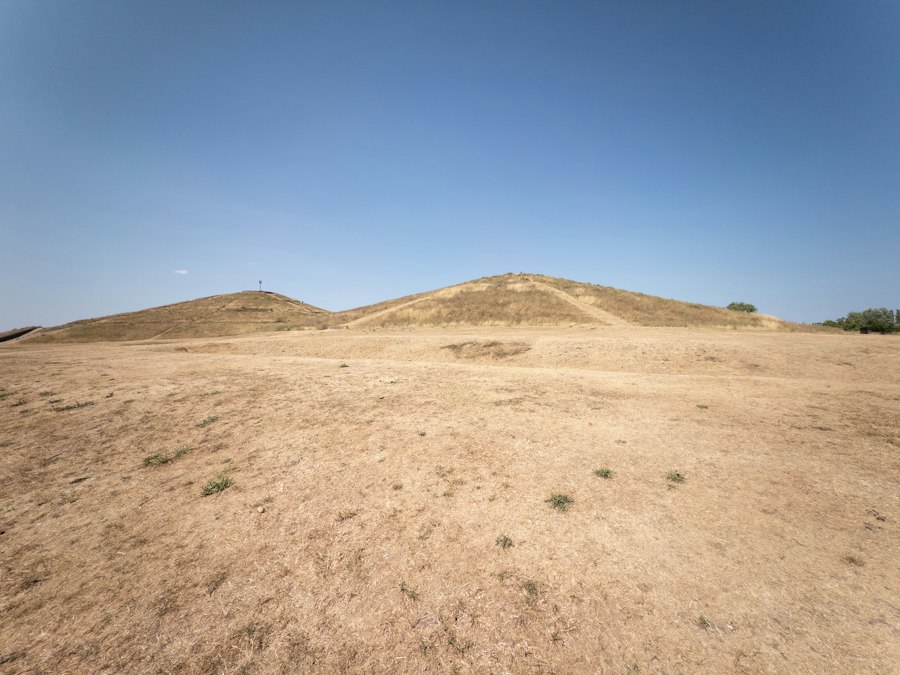
Dominating the Cahokian landscape is Monks Mound, a colossal earthen structure that stands as a testament to the builders’ engineering prowess and organizational capacity. This massive platform mound, measuring approximately 1,000 feet north to south, 700 feet east to west, and rising over 100 feet in height, is the largest prehistoric earthwork in the Americas. Its construction involved the excavation and transportation of millions of cubic feet of soil, a monumental undertaking that would have required thousands of laborers over many years. The summit of Monks Mound was likely crowned with a substantial wooden structure, possibly a temple or the residence of a paramount chief, serving as the focal point of Cahokian political and religious life. The sheer scale of Monks Mound speaks to a highly stratified society with the ability to mobilize and direct vast amounts of labor towards a common goal.
The Grand Plaza and Surrounding Mounds
Surrounding Monks Mound was a vast, open expanse known as the Grand Plaza. This cleared area, covering an estimated 50 acres, likely served as a central gathering place for public ceremonies, markets, and other important social events. The Grand Plaza was bordered by numerous other mounds of varying sizes and shapes. Some of these, like the ridgetop mounds and conical mounds, were likely used for elite burials, further emphasizing the hierarchical structure of Cahokian society. Others may have served as platforms for residential structures or ceremonial buildings. The arrangement of these mounds around the plaza suggests a deliberate and organized urban plan, reflecting a sophisticated understanding of spatial organization and symbolic representation.
Urban Layout and Residential Areas
Beyond the central core of Monks Mound and the Grand Plaza, Cahokia encompassed a sprawling urban landscape dotted with numerous smaller mounds and densely populated residential areas. Evidence suggests that the city was divided into distinct neighborhoods, each with its own characteristics and social organization. Elite residences, often located on higher ground or on platform mounds, were more substantial and elaborate. The majority of Cahokians, however, lived in smaller, more common dwellings, typically made of wood and thatch, clustered together in villages within the larger urban footprint. The sheer density of population within the city walls and its surrounding settlements is staggering, estimated by some scholars to have been as high as 20,000 people, and possibly more, at its peak.
Woodhenge: Astronomical Alignments and Calendrical Systems
One of the most intriguing discoveries at Cahokia is “Woodhenge,” a series of large circular arrangements of wooden posts. Archaeological excavations have revealed evidence of several such structures, with the largest being a circle of approximately 48 large posts spaced around a central marker. These posts were strategically aligned with the rising and setting of the sun at significant points in the solar year, such as the solstices and equinoxes. This suggests that the Cahokians possessed a sophisticated understanding of astronomy and developed complex calendrical systems, likely crucial for agricultural planning and the timing of important rituals and ceremonies. The precise alignment of Woodhenge further underscores the Cahokians’ deep connection to the natural world and their desire to track and understand celestial cycles.
Social and Political Organization: A Complex Hierarchy
Cahokia was not a simple, homogenous society. Archaeological evidence points to a highly stratified social and political structure, with a clear hierarchy of power and status. This complexity allowed for the mobilization of resources and labor on a grand scale, enabling the construction of monumental architecture and the maintenance of a vast urban center.
Elite and Commoner Distinction
The most striking evidence for social stratification comes from burial practices. Elite burials, often found within or near prominent mounds, contain a wealth of grave goods, including finely crafted copper ornaments, polished stone tools, beads made from shells and precious stones, and even human sacrifices. These possessions signify wealth, status, and power. In contrast, commoner burials are typically much simpler, with fewer grave goods or none at all, found in less prominent locations. This stark contrast in funerary treatments reflects a clear distinction between an ruling elite and the general population.
Evidence of Chiefdom or Kingship
The sheer scale of Cahokia and the labor required to build its monumental structures strongly suggest the existence of a powerful centralized authority, possibly a chiefdom or even a form of kingship. The paramount chief likely resided at the summit of Monks Mound, wielding significant political and religious authority. The ability to command such a large workforce and to orchestrate elaborate ceremonies and construction projects points to a leadership that was both respected and feared. While the exact nature of this leadership remains a subject of scholarly debate, the evidence points to a highly organized and hierarchical political system.
Specialized Labor and Craft Production
The existence of a large urban population and a complex social hierarchy necessitated specialized labor. Archaeological finds reveal evidence of skilled artisans who produced a variety of goods, including finely crafted pottery, intricate stone tools, ornaments made from shell, copper, and stone, and woodworking. The presence of dedicated workshops and evidence of trade networks further supports the idea of a society where individuals focused on specific crafts and trades, contributing to the overall economic and social fabric of Cahokia.
Cultural Influence and Trade Networks: A Regional Powerhouse
Cahokia’s influence extended far beyond its immediate geographical boundaries. Through extensive trade networks and the dissemination of its cultural practices, Cahokia became a dominant force in the Eastern Woodlands, shaping the development of other societies in the region.
Trade Routes and Imported Goods
Evidence from archaeological sites across the Eastern Woodlands indicates that Cahokian goods and ideas traveled considerable distances. Shells from the Gulf Coast, copper from the Great Lakes region, and exotic stones from further afield have been found at Cahokia, demonstrating its participation in far-reaching trade networks. Conversely, Cahokian-style pottery and other artifacts have been discovered in settlements hundreds of miles away, suggesting the export of Cahokian goods and the adoption of their cultural traditions. These trade routes facilitated not only the exchange of material goods but also the flow of information, technologies, and beliefs.
Spread of Cahokian Culture and Iconography
The influence of Cahokian culture is evident in the adoption of their distinctive pottery styles, mound-building traditions, and even their cosmological beliefs by neighboring societies. Certain motifs and symbols found in Cahokian art and iconography have been observed in artifacts from other regions, suggesting a shared cultural understanding and the diffusion of Cahokian ideology. This cultural diffusion played a significant role in fostering a degree of unity and shared identity across a vast geographical area, solidifying Cahokia’s position as a regional powerhouse.
Mississippian Cultural Horizon
Cahokia is considered the paramount center of the Mississippian culture, a broad cultural tradition that flourished in the Eastern Woodlands from roughly 800 to 1600 CE. Cahokia represents the most complex and developed expression of this culture, acting as a catalyst for its spread and elaboration. The Mississippian culture is characterized by large, often fortified towns, intensive maize agriculture, platform mounds, and elaborate social hierarchies, all of which are exemplified in the Cahokian civilization.
The history of the Cahokia mound builders reveals a complex society that thrived in North America long before European contact. Their impressive earthen structures, particularly the large mounds used for ceremonial and residential purposes, showcase their advanced understanding of engineering and community organization. For those interested in exploring how historical societies navigate challenges, a related article discusses contemporary issues of property rights and government authority in times of crisis, which can be found here. Understanding the past can provide valuable insights into the present and future dynamics of societal governance.
Decline and Legacy: The End of an Era
| Time Period | Population | Significance |
|---|---|---|
| 900-1300 AD | Estimated 10,000-20,000 | One of the largest pre-Columbian cities in North America |
| Monks Mound | Largest prehistoric earthwork in the Americas | Central ceremonial and political center of the city |
| Trade Network | Extended across the continent | Connected Cahokia to other Native American cultures |
The reasons for Cahokia’s eventual decline are complex and not fully understood, but a combination of environmental, social, and possibly external factors likely contributed to its demise. While the city was eventually abandoned, its legacy continues to resonate through the archaeological record and our understanding of North American history.
Environmental Factors and Resource Depletion
One hypothesis for Cahokia’s decline centers on environmental degradation and resource depletion. The intensive agriculture and large population of Cahokia would have placed a significant strain on the local environment. Deforestation for fuel and building materials, soil erosion, and the overhunting of game could have led to a decline in agricultural yields and a reduction in available resources, making the city unsustainable. Changing climatic conditions, such as periods of drought or increased flooding, may have further exacerbated these environmental pressures.
Social and Political Instability
Internal social and political factors may also have played a role in Cahokia’s decline. As the population grew and resources became strained, social tensions may have increased. Internal conflicts, competition for power among elite factions, or even widespread social unrest could have destabilized the society. The abandonment of large urban centers was not uncommon in the pre-Columbian Americas, and Cahokia’s decline may have been part of a broader pattern of societal reorganization.
Possible External Pressures and Warfare
While definitive evidence is scarce, it is possible that external pressures, such as increased warfare or conflict with neighboring groups, contributed to Cahokia’s decline. The construction of defensive palisades and stockades around Cahokia at various points in its history suggests that the inhabitants were concerned about external threats. A significant increase in warfare or a sustained period of conflict could have led to population displacement, economic disruption, and the eventual abandonment of the city.
The Enduring Mystery and Archaeological Significance
Despite its eventual abandonment, the legacy of the Cahokia Mound Builders endures. The monumental earthworks they left behind stand as silent witnesses to a lost civilization, prompting ongoing research and sparking the imagination. Archaeological excavations at Cahokia have provided invaluable insights into the complexity of pre-Columbian societies in North America, challenging Eurocentric narratives and revealing a rich tapestry of human achievement. The study of Cahokia continues to evolve, with new discoveries and interpretations constantly refining our understanding of this remarkable civilization and its place in the grand narrative of human history. The story of Cahokia is a reminder that North America was home to sophisticated societies long before the arrival of Europeans, and their achievements continue to inspire awe and wonder.

A City Bigger Than London Once Stood in America. Then It Vanished.
FAQs
What is Cahokia and who were the mound builders?
Cahokia was a pre-Columbian Native American city located in present-day Illinois, and the mound builders were the ancient indigenous people who constructed the mounds in the Cahokia area.
When did the Cahokia civilization thrive?
The Cahokia civilization thrived between the 9th and 15th centuries, with its peak population estimated to be around 20,000 people.
What were the mounds used for in Cahokia?
The mounds in Cahokia served various purposes, including as platforms for important buildings, as burial sites for prominent individuals, and as ceremonial spaces for religious and social gatherings.
What caused the decline of the Cahokia civilization?
The decline of the Cahokia civilization is believed to have been caused by a combination of environmental factors, social upheaval, and the depletion of resources, leading to the abandonment of the city around the 14th century.
What is the significance of Cahokia in North American history?
Cahokia is significant in North American history as it was one of the largest and most complex urban centers of its time, and its cultural and architectural achievements continue to fascinate and inspire researchers and the public alike.