The history of cultural burning is a vast and intricate tapestry woven from millennia of human interaction with the natural world. It is a practice deeply rooted in the philosophies, spiritual beliefs, and practical needs of Indigenous communities across the globe, a testament to their profound understanding of ecological systems and their role within them. Far from being a destructive force, cultural burning, when performed with traditional knowledge and intent, has been a vital tool for landscape management, biodiversity conservation, and the perpetuation of cultural heritage. Its history is not a singular, linear narrative but a mosaic of diverse approaches, adapted to the unique environments and societies that have practiced it.
The Dawn of Intentional Fire Use
The relationship between humans and fire is ancient, stretching back hundreds of thousands of years. Early hominids likely discovered and harnessed the power of natural fires, using them for warmth, protection, and cooking. However, the transition from passive observation and utilization to intentional application for landscape modification marks a pivotal moment in human history and the genesis of cultural burning. Archaeological evidence, though often debated and subject to interpretation, suggests that early human societies began to actively manipulate fire regimes long before the advent of agriculture. This wasn’t about uncontrolled conflagration but about subtle, strategic ignitions that influenced vegetation patterns. The presence of charcoal layers in archaeological strata, often associated with human settlements, can be interpreted as evidence of deliberate fire use. These fires, employed in a controlled manner, would have opened up woodlands, encouraged the growth of edible plants, and perhaps even influenced the movement of game animals.
Ecological Adaptation and Co-evolution
For millennia, Indigenous peoples developed a profound co-evolutionary relationship with their environments. They didn’t simply inhabit landscapes; they actively shaped them, and the landscapes, in turn, shaped their cultures. Cultural burning was an integral part of this intricate dance. These practices were not static; they evolved over time, adapting to changing climatic conditions, the availability of resources, and the specific needs of different communities. The knowledge of when to burn, how to burn, and where to burn was passed down through generations, embedded within stories, songs, and ceremonial practices. This embodied knowledge allowed for a nuanced understanding of fire’s behavior, its interaction with different fuel types, and its long-term ecological consequences. It was a sophisticated form of land management, honed through observation, experimentation, and a deep respect for the natural world.
Diverse Motivations and Objectives
The motivations behind cultural burning were as varied as the landscapes and cultures that practiced it. While ecological management was a primary driver, it was often intertwined with other significant objectives.
Enhancing Biodiversity and Food Security
One of the most significant impacts of cultural burning was its role in fostering biodiversity. By removing dense undergrowth and preventing the accumulation of excessive fuel, traditional burning practices created mosaics of different vegetation types and ages. This habitat heterogeneity benefited a wide range of flora and fauna. Open, grassy areas, maintained by fire, provided foraging grounds for herbivores, while fire-resistant species thrived, and new growth attracted insects and birds. The regeneration of certain plants after fire often yielded more abundant and nutritious fruits, seeds, and tubers, directly contributing to food security for Indigenous communities. For example, in many parts of Australia, the burning of spinifex grasslands created fertile ash beds that encouraged the growth of edible yams and other important food sources.
Promoting Game Animal Movement and Hunting
Cultural burning was also strategically employed to influence the distribution and behavior of game animals. Controlled fires could be used to clear dense bush, creating open pathways that facilitated the movement of larger animals like kangaroos, deer, or bison, making them easier to track and hunt. Conversely, fires could also be used to drive animals towards pre-determined hunting locations or to flush them out of hiding. This intelligent use of fire was not about indiscriminate killing but about a sustainable and efficient approach to obtaining sustenance. The patterns of traditional burning often mirrored the migratory routes of animals, demonstrating a deep understanding of their ecological needs and habits.
Cultural and Spiritual Significance
Beyond its utilitarian aspects, cultural burning was imbued with deep cultural and spiritual significance. Fire itself was often revered as a powerful, living entity, a bringer of renewal and transformation. Burning ceremonies were frequently part of larger cultural rituals, connected to seasonal cycles, initiation rites, and the honoring of ancestral spirits. The act of burning was not merely a physical manipulation of the land but a spiritual dialogue with the environment. It was a way of maintaining balance, of expressing gratitude, and of ensuring the continued health and vitality of the land that sustained them. The smoke from these fires could carry prayers and intentions, connecting the earthly realm with the spiritual.
Cultural burning has a rich history that reflects the deep connection between Indigenous peoples and their land, showcasing traditional ecological knowledge passed down through generations. For a broader understanding of how cultural practices intersect with contemporary issues, you might find the article on the sovereignty of celestial bodies intriguing. It explores the implications of ownership and stewardship beyond Earth, which can parallel discussions about land management and cultural practices here on our planet. To read more, visit this article.
The Impact of Colonization and Suppression
Disruption of Traditional Practices
The arrival of European colonists across the globe had a devastating impact on Indigenous cultures and their traditional land management practices, including cultural burning. Colonization was often characterized by the imposition of foreign governance, land ownership systems, and ideologies that actively sought to suppress Indigenous knowledge and sovereignty. This disruption was multifaceted.
Imposition of Western Land Management Philosophies
European settlers brought with them a fundamentally different approach to land management, one that often viewed fire as a destructive force to be eradicated. Forest rangers and agriculturalists focused on fire suppression, developing policies and infrastructure aimed at preventing all wildfires. This perspective was often born from a lack of understanding of the ecological role of fire in many Indigenous landscapes and a fear of its destructive potential. The romanticized image of pristine wilderness, untouched by human intervention, stood in stark contrast to the actively managed landscapes that Indigenous peoples had cultivated for millennia. This led to the criminalization of traditional burning practices and the demonization of Indigenous land managers.
The Consequences of Fire Suppression
The systematic suppression of cultural burning had profound and often detrimental ecological consequences. In landscapes that had evolved with regular, low-intensity fires, the absence of this ecological driver led to the accumulation of vast amounts of unburnt fuel. This created conditions ripe for larger, more intense, and uncontrollable wildfires. These megafires, unlike the controlled burns of Indigenous tradition, were often far more destructive, consuming entire ecosystems, displacing wildlife, and posing significant risks to human settlements. The ecological balance that had been maintained for centuries was disrupted, leading to a decline in biodiversity and a loss of valuable habitats. The very landscapes that Indigenous peoples understood and managed so effectively were rendered increasingly vulnerable and unstable.
Loss of Traditional Ecological Knowledge
The suppression of cultural burning also resulted in the erosion and eventual loss of invaluable Traditional Ecological Knowledge (TEK). As younger generations were prevented from participating in or learning traditional burning practices, this knowledge began to fade. The intimate understanding of fire behavior, the nuanced recognition of plant and animal responses to different fire regimes, and the cultural context of burning were all at risk of being lost forever. This represented a significant loss not only for Indigenous communities but for humanity as a whole, as it meant the disappearance of millennia of accumulated wisdom about sustainable land management.
Reviving and Reclaiming Cultural Burning
The Resurgence of Indigenous Land Management
In recent decades, there has been a growing recognition of the value and importance of Indigenous land management practices, including cultural burning. Indigenous communities, often working tirelessly against considerable odds, have been at the forefront of efforts to revive and reclaim these ancient traditions. This resurgence is driven by a desire to heal the land, restore ecological balance, and reassert cultural sovereignty. It is a testament to the resilience and enduring strength of Indigenous cultures and their deep connection to Country.
Collaborative Approaches and Partnerships
A crucial element of this revival has been the development of collaborative approaches and partnerships between Indigenous communities, government agencies, and scientific researchers. Recognizing the limitations of Western fire management approaches, many organizations have begun to seek out and engage with Indigenous knowledge holders. These partnerships aim to integrate TEK with contemporary scientific understanding, creating more holistic and effective land management strategies. This involves learning from Indigenous elders, supporting Indigenous fire practitioners, and co-developing burning programs.
The Role of Indigenous Fire Practitioners
Indigenous fire practitioners are the custodians of this ancient knowledge. They possess the skills, experience, and cultural understanding to implement cultural burning safely and effectively. Their expertise extends beyond simply lighting fires; it encompasses a deep understanding of weather patterns, fuel loads, topography, and the complex ecological interactions within the landscape. They are the living embodiment of the knowledge passed down through generations, and their role in reviving cultural burning is absolutely vital. Supporting and empowering these individuals is paramount to the success of these efforts.
Educational Initiatives and Knowledge Transmission
Educational initiatives are playing a critical role in ensuring the transmission of TEK to younger generations. This involves workshops, training programs, and mentorship opportunities designed to pass on the knowledge and skills of cultural burning. These initiatives aim to not only teach the practical aspects of burning but also to foster a deeper understanding of the cultural and spiritual significance of the practice. By engaging young Indigenous people, these efforts are crucial for the long-term sustainability of cultural burning.
Cultural Burning in the 21st Century: Challenges and Opportunities

Contemporary Applications and Innovations
The 21st century presents both significant challenges and exciting opportunities for cultural burning. Climate change, with its increasing frequency and intensity of wildfires, has underscored the urgent need for more effective fire management strategies. Cultural burning, with its focus on preventative and restorative burning, offers a powerful tool in this fight. Indigenous communities are increasingly adapting their traditional practices to contemporary conditions, developing new techniques and approaches to address the challenges posed by altered landscapes and weather patterns.
Integrating TEK with Scientific Research
The ongoing integration of TEK with scientific research continues to yield valuable insights. Scientists are increasingly recognizing the empirical evidence that supports the efficacy of traditional burning practices. This interdisciplinary approach allows for a more comprehensive understanding of fire’s ecological impacts and the development of scientifically informed, culturally appropriate burning programs. This collaboration is essential for building trust and ensuring the successful implementation of cultural burning on a larger scale.
Policy and Legal Frameworks
The development of supportive policy and legal frameworks is crucial for the widespread adoption and recognition of cultural burning. Many jurisdictions are now beginning to adapt their fire management policies to accommodate and encourage Indigenous-led burning initiatives. This includes recognizing Indigenous land rights, providing funding for cultural burning programs, and streamlining regulatory processes. Legal recognition and support are vital for empowering Indigenous communities to manage their Country according to their traditions.
Global Recognition and the Future of Fire Management
The growing global recognition of cultural burning offers hope for a more sustainable and ecologically sound approach to fire management worldwide. As other nations and Indigenous communities learn from the experiences and successes of those who have maintained these traditions, there is potential for a paradigm shift in how we understand and interact with fire. The future of fire management lies in embracing the wisdom of Indigenous knowledge and fostering a harmonious relationship with the natural world. Cultural burning is not just a historical practice; it is a vital tool for a resilient and sustainable future.
Cultural burning has played a significant role in shaping landscapes and ecosystems throughout history, particularly among Indigenous communities. An insightful article that explores the broader implications of cultural practices on environmental management can be found here, where it discusses the impact of various policies on cross-border trade and cultural exchanges. Understanding these historical practices not only sheds light on sustainable land management but also emphasizes the importance of integrating traditional knowledge into contemporary environmental strategies. For more details, you can read the article here.
The Future of Cultural Burning
| Year | Event |
|---|---|
| Pre-1800s | Indigenous peoples around the world practice cultural burning as a land management tool |
| Late 1800s | Colonization and suppression of cultural burning practices by European settlers |
| 20th century | Increased recognition of the importance of cultural burning for ecosystem health and fire prevention |
| 21st century | Efforts to revive and promote cultural burning practices for sustainable land management |
Intergenerational Knowledge Transfer and Capacity Building
The long-term sustainability of cultural burning hinges on effective intergenerational knowledge transfer and robust capacity building within Indigenous communities. This involves creating accessible pathways for younger generations to learn from elders, participate in burns, and develop the skills necessary to become future fire practitioners. Investing in training programs, mentorship opportunities, and dedicated resources for Indigenous-led fire management initiatives is paramount. Building this capacity ensures that the practice of cultural burning remains vibrant and adaptable to the evolving needs of both people and Country.
Cultural Revitalization and Land Healing
Cultural burning is intrinsically linked to cultural revitalization and the healing of Country. By re-engaging with these practices, Indigenous communities are not only restoring ecological health but also reaffirming their cultural identity, sovereignty, and deep connection to their ancestral lands. The act of burning becomes a powerful expression of self-determination and a means of regenerating the land in ways that are culturally meaningful and ecologically beneficial. This process of land healing is a holistic one, encompassing both the physical and spiritual well-being of the environment.
Global Exchange and Adaptation
As the understanding and appreciation of cultural burning grow, there is immense potential for global exchange and adaptation of these practices. Indigenous knowledge systems offer valuable lessons for communities facing similar environmental challenges worldwide. Sharing experiences, adapting techniques to different bioregions, and fostering international collaborations can amplify the positive impacts of cultural burning. This global dialogue can lead to innovative solutions for fire management, biodiversity conservation, and sustainable land stewardship, recognizing that fire, when understood and respected, can be a powerful ally.
Policy Reform and Recognition
Continued efforts in policy reform and gaining formal recognition for cultural burning are essential. This involves advocating for policies that prioritize Indigenous-led fire management, provide adequate funding and resources, and remove legislative barriers that hinder traditional practices. Furthermore, ensuring that TEK is respected and integrated into national and international fire management frameworks is crucial. This recognition is not just about acknowledging the past but about actively empowering Indigenous peoples to shape the future of fire management for the benefit of all. The continued evolution of cultural burning practices, informed by tradition and adapted to contemporary challenges, offers a hopeful vision for a more balanced and sustainable relationship between humanity and the natural world.
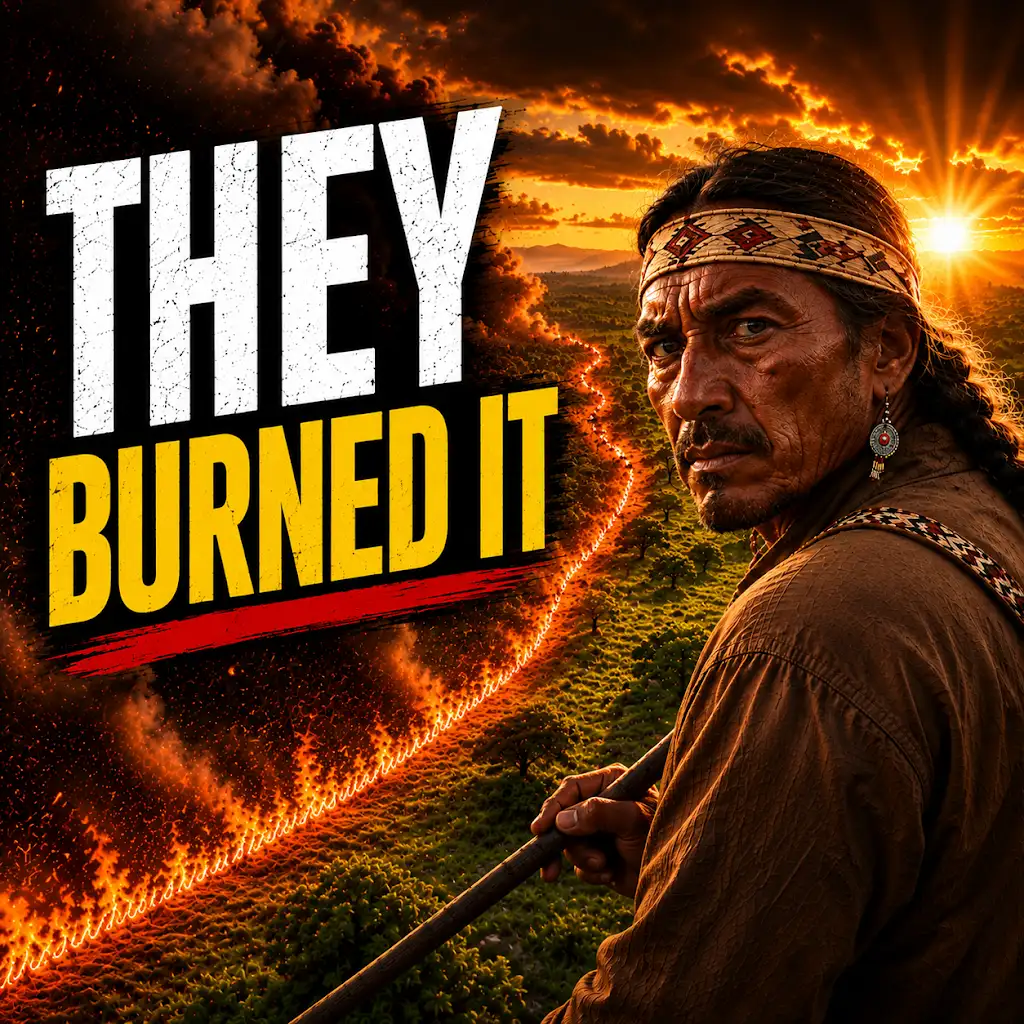
The Wilderness Was Engineered
FAQs
What is cultural burning?
Cultural burning is a traditional practice of land management by Indigenous peoples around the world. It involves the controlled use of fire to maintain and restore ecosystems, as well as to enhance biodiversity and reduce the risk of wildfires.
How long has cultural burning been practiced?
Cultural burning has been practiced for thousands of years by Indigenous peoples in various parts of the world, including Australia, North America, and Africa. It is an integral part of their cultural and spiritual traditions, as well as a sustainable way of managing the land.
What are the benefits of cultural burning?
Cultural burning has numerous benefits, including reducing the risk of catastrophic wildfires, promoting the growth of native plants, improving soil fertility, and creating habitat for wildlife. It also helps to preserve traditional ecological knowledge and maintain the cultural identity of Indigenous communities.
How has cultural burning been impacted by colonization and modern land management practices?
Colonization and modern land management practices have often marginalized and suppressed cultural burning traditions. This has led to the loss of traditional ecological knowledge and the degradation of ecosystems. However, there is a growing recognition of the importance of cultural burning in contemporary land management.
What is being done to revive and support cultural burning practices today?
Efforts are being made to revive and support cultural burning practices through partnerships between Indigenous communities, government agencies, and conservation organizations. This includes the development of cultural burning programs, the incorporation of traditional ecological knowledge into land management policies, and the recognition of Indigenous land rights.