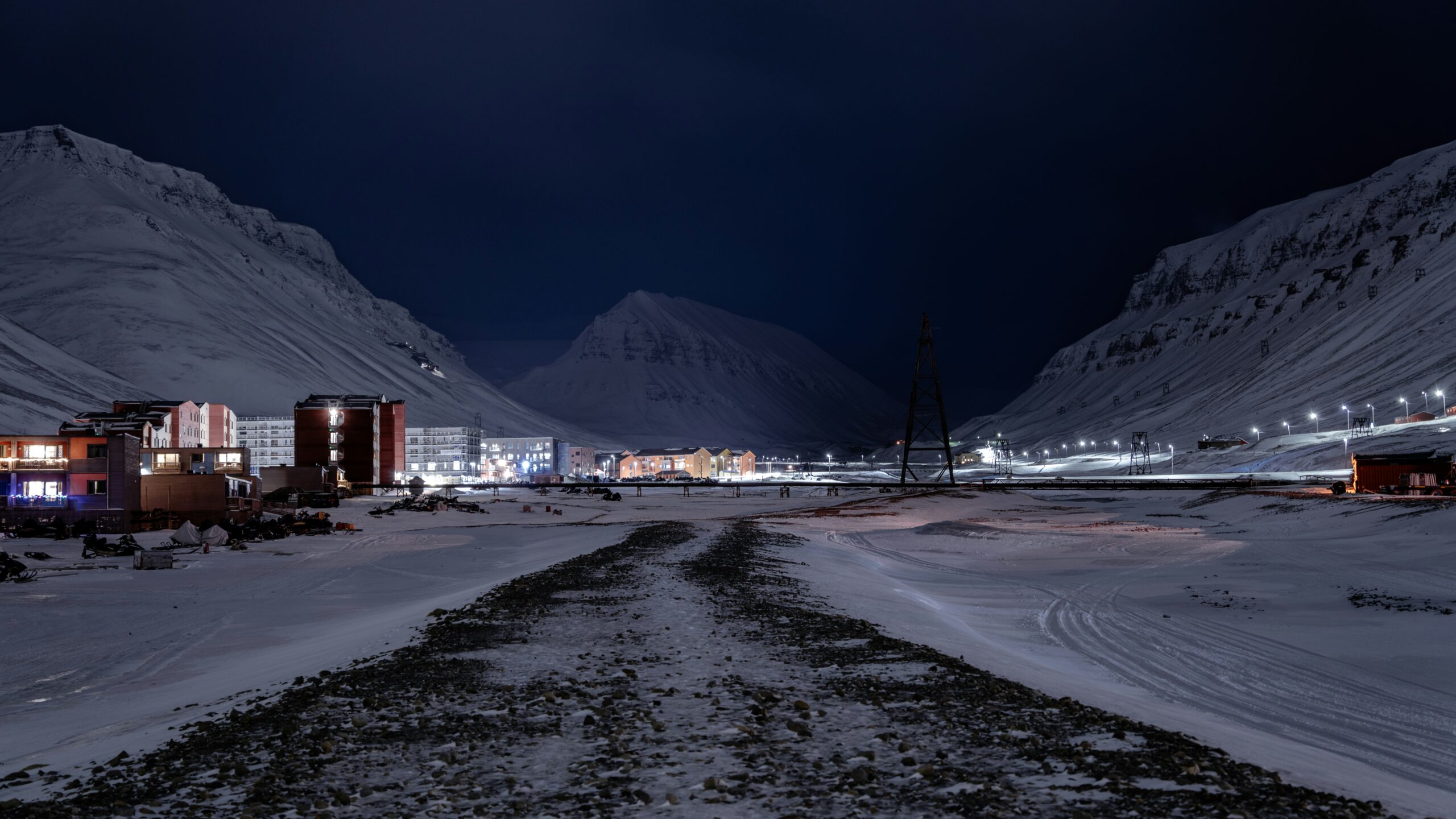
Pyramiden, a ghost town nestled on the Norwegian archipelago of Svalbard, whispers tales of a bygone era. Once a thriving Soviet mining settlement, it now stands as a stark monument to a failed ideology and the relentless power of nature. This abandoned city, frozen in time, offers a unique glimpse into a chapter of history that is both fascinating and poignant.
Soviet Ambitions in the High Arctic
The story of Pyramiden begins with the Soviet Union’s strategic and economic interests in Svalbard. The archipelago, rich in coal deposits, held significant allure for the USSR. Securing a foothold in this strategically important Arctic territory was seen as a way to assert Soviet presence and control resources. While Norwegian sovereignty over Svalbard was established by the Svalbard Treaty of 1920, the treaty also allowed signatory nations to engage in economic activities, including mining. This loophole became the foundation for the Soviet presence.
The Purchase and Early Development
In 1927, the Soviet mining company Arktikugol acquired the Pyramiden concession from a Swedish company. The location was chosen for its abundance of high-quality coal. The initial development was challenging, characterized by harsh Arctic conditions and the logistical difficulties of establishing a settlement in such a remote and unforgiving environment. Early settlers faced extreme cold, prolonged darkness, and a constant battle against the elements. Despite these hardships, the Soviets were determined to make Pyramiden a success, viewing it as a symbol of Soviet industrial prowess and its ability to conquer even the most formidable landscapes.
Establishing a Self-Sufficient Community
The goal was to create not just a mine, but a fully functioning, self-sufficient community. This meant building not only the necessary infrastructure for mining operations but also housing, schools, recreational facilities, and essential services for the inhabitants. The Soviet vision was one of a model socialist town, a testament to their ideology in the far north. This ambition would shape the physical landscape and the social fabric of Pyramiden for decades to come.
The history of Pyramiden, an abandoned Soviet-era settlement in Svalbard, is a fascinating tale of Arctic exploration and industrial ambition. Once a thriving coal mining town, Pyramiden was abandoned in 1998, leaving behind a ghostly reminder of its past. For those interested in the broader implications of geopolitical struggles in remote areas, a related article discusses the new space race and the competition for lunar resources, highlighting how such dynamics echo the historical narratives of places like Pyramiden. You can read more about this intriguing topic in the article available at The New Space Race: Geopolitical Struggle for Lunar Resources.
Life in the Soviet Arctic: A Glimpse Behind the Iron Curtain
A Unique Social Experiment
Life in Pyramiden was unlike anywhere else in the world. It was a closed community, tightly controlled by the Soviet state. Residents were, in essence, pioneers in a Soviet experiment, living under a system that dictated their work, their housing, and their social lives. While the hardships of Arctic living were undeniable, the Soviet government also invested heavily in providing amenities and a sense of community that was designed to foster loyalty and productivity.
The Daily Grind: Mining and Industry
The heart of Pyramiden’s existence was its coal mine. The daily lives of most residents revolved around the extraction of this precious resource. Coal was mined both underground and, for a period, in open-cast operations. The work was physically demanding and often dangerous, with miners facing the inherent risks associated with underground labor. The success of the mine was directly linked to the survival and prosperity of the entire settlement.
Beyond the Mine: Culture and Recreation
Despite the demanding work, Pyramiden was designed to offer its residents a fulfilling life. The Soviet authorities understood the importance of morale and provided a range of cultural and recreational activities.
The Palace of Culture: The Social Hub
The crowning jewel of Pyramiden’s social infrastructure was its impressive Palace of Culture. This grand building, a typical example of Soviet architectural ambition, served as the community’s central hub. It housed a cinema, a library, a gymnasium, concert halls, and various clubs and meeting rooms. It was here that residents gathered for films, performances, lectures, and celebrations, fostering a sense of collective identity and shared experience.
Sports and Leisure Activities
The harsh Arctic climate did not deter the residents from engaging in sports and leisure. Indoor facilities, such as the gymnasium, were essential. Outdoor activities, when possible, included cross-country skiing and ice skating on frozen lakes. Organized sports teams and competitions provided opportunities for camaraderie and friendly rivalry.
Education and Childcare
Families were an integral part of Pyramiden, and the needs of children were well catered for. A dedicated school provided education for the younger generation, following the Soviet curriculum. Kindergartens and creches ensured that parents could work while their children were cared for in a structured environment. This focus on families was crucial for maintaining a stable and sustainable population.
The Ideological Framework: Propaganda and Patriotism
Life in Pyramiden was steeped in Soviet ideology. Propaganda was pervasive, reinforcing the virtues of hard work, collective effort, and loyalty to the motherland. Statues of Lenin and other Soviet leaders dotted the landscape, serving as constant reminders of the political system. Patriotism was actively cultivated through propaganda, patriotic songs, and public ceremonies. Residents were encouraged to see their life in Pyramiden as a contribution to the greater glory of the Soviet Union.
The Decline and Evacuation: The Cracks Appear

Economic Strains and Shifting Global Dynamics
The late 20th century brought about significant changes that would ultimately lead to the demise of Pyramiden. The Soviet Union, once a global superpower, began to experience severe economic difficulties. The cost of maintaining remote and unprofitable settlements like Pyramiden became increasingly unsustainable. Furthermore, the thawing of the Cold War and the collapse of the Soviet Union in 1991 irrevocably altered the geopolitical landscape.
The Era of Arktikugol’s Financial Woes
As the Soviet economy faltered, so did the fortunes of Arktikugol, the state-owned mining company responsible for Pyramiden. Subsidies dwindled, and the company struggled to meet its financial obligations. The coal mine, once the lifeblood of the settlement, became increasingly uneconomical to operate.
The Decision to Cease Operations
The decision to close Pyramiden was not made overnight. It was a gradual process, marked by declining investment, staff reductions, and a growing sense of uncertainty among the residents. The harsh economic realities of the post-Soviet era made the continuation of the settlement untenable.
The Evacuation: A Swift and Stark End
The final act in the story of Pyramiden was its evacuation. In 1998, following years of decline, the Russian government made the official decision to shut down the settlement. The evacuation was swift and surprisingly orderly. Most residents were relocated to mainland Russia, leaving behind their homes, their possessions, and the life they had built in this remote Arctic outpost. The speed of the departure left the town largely intact, creating the eerie time capsule that exists today.
Pyramiden Today: A Ghost Town Frozen in Time
The Eerie Silence of Abandonment
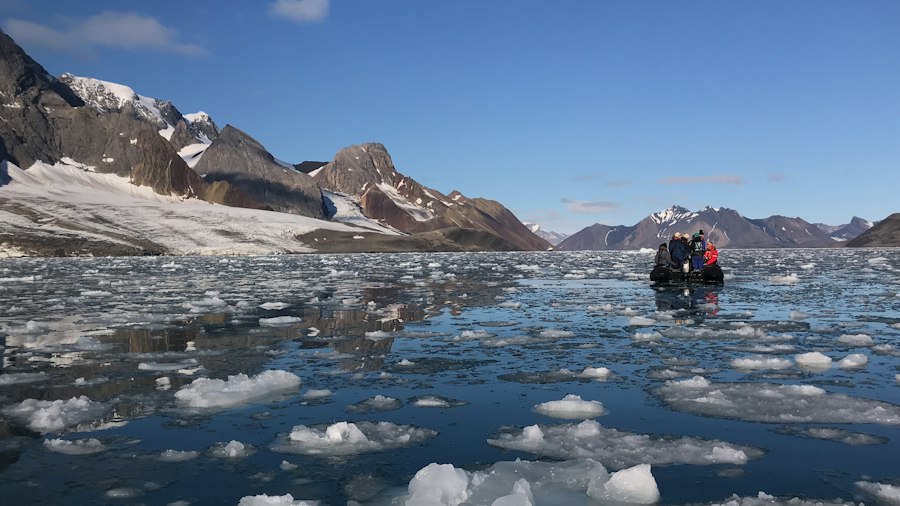
Today, Pyramiden stands as a poignant testament to the past. The silence that now blankets the town is a stark contrast to the bustling activity that once filled its streets. Nature has begun its slow but steady reclamation of the abandoned settlement. Arctic winds howl through empty buildings, and snow drifts pile up against forgotten doorways.
A Photographer’s and Explorer’s Dream
The unique state of preservation has made Pyramiden a magnet for photographers, filmmakers, and adventurous travelers. The intact buildings, the abandoned machinery, and the personal belongings left behind offer an unparalleled glimpse into daily life during the Soviet era. Every corner of Pyramiden tells a story, from the faded propaganda posters still adorning walls to the well-worn furniture in empty apartments.
The Palace of Culture Revisited
The Palace of Culture remains a focal point of exploration. Its grand hall, once filled with the sounds of music and laughter, now echoes with the creaks and groans of an aging structure. The cinema screen, still in place, seems to await an audience that will never arrive. The library, with its rows of Soviet literature, offers a tangible link to the intellectual life of the community.
Residential Buildings: Echoes of Lives Lived
The residential buildings are perhaps the most evocative. Entering an empty apartment is like stepping back in time. Personal photographs, children’s toys, and everyday objects are still scattered, providing intimate glimpses into the lives of the former inhabitants. These silent witnesses speak volumes about the human experience within this isolated Arctic settlement.
The Soviet Legacy: Statues and Symbols
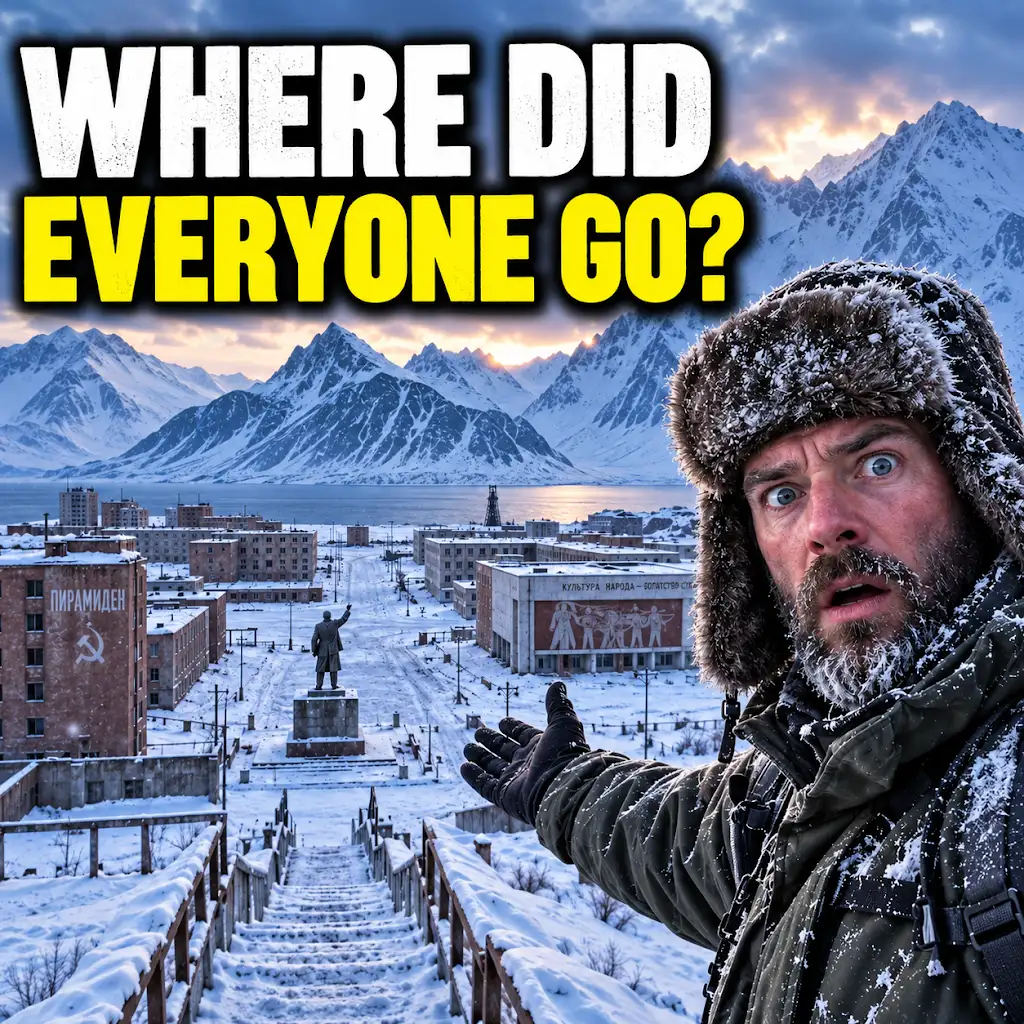
The lingering presence of Soviet symbols is undeniable. The iconic statue of Lenin still stands proudly in the town square, a defiant sentinel overlooking the frozen landscape. These symbols, once meant to inspire pride and loyalty, now serve as reminders of a powerful ideology that has faded into history.
The Role of Nature in the Abandonment
The powerful forces of nature have played a significant role in the current state of Pyramiden. The extreme Arctic climate, with its freezing temperatures, relentless snow, and permafrost, has both preserved and eroded the town. While the cold has helped to keep many structures intact, the relentless freeze-thaw cycles and the sheer force of the elements continue to exert their influence, slowly but surely reclaiming the man-made structures.
Pyramiden, the abandoned city in Svalbard, offers a fascinating glimpse into the history of Arctic settlements and the impact of industrialization on remote communities. For those interested in exploring the broader implications of lost innovations and suppressed technologies, a related article delves into the intriguing topic of ancient advancements that have been overlooked throughout history. You can read more about these innovations in the article here.
The Future of Pyramiden: Preservation and Tourism
| Metric | Data / Information |
|---|---|
| Location | Pyramiden, Svalbard Archipelago, Norway |
| Founded | 1910 (originally by Sweden), acquired by Soviet Union in 1927 |
| Peak Population | Approximately 1,000 residents in the 1980s |
| Main Industry | Coal mining |
| Abandonment Year | 1998 |
| Reason for Abandonment | Economic decline and collapse of Soviet Union |
| Current Status | Tourist destination and ghost town with some guided tours |
| Notable Features | Preserved Soviet-era architecture, cultural heritage site |
| Climate | Arctic tundra climate, cold and harsh conditions year-round |
Balancing Preservation with Accessibility
The future of Pyramiden is a subject of ongoing discussion. There is a growing recognition of its historical and cultural significance, leading to efforts to preserve this unique ghost town. However, balancing the need for preservation with the desire for public access is a complex challenge.
The Rise of Arctic Tourism
Pyramiden has become an increasingly popular destination for Arctic tourism. Visitors are drawn by its unique history, its eerie atmosphere, and the opportunity to witness a living museum of the Soviet era. Guided tours offer insights into the town’s past, providing context and storytelling to enhance the visitor experience.
Eco-Tourism and Responsible Exploration
As tourism to Pyramiden grows, so does the emphasis on responsible exploration. Efforts are being made to minimize the environmental impact of visitors and to ensure that the delicate Arctic ecosystem is protected. Educational initiatives aim to inform visitors about the history and the environmental sensitivities of the region.
The Ongoing Research and Documentation
Scholars and researchers continue to study Pyramiden, documenting its history, its architecture, and the lives of its former inhabitants. This ongoing research is crucial for understanding this unique chapter of Arctic and Soviet history. Archaeological investigations and oral history projects help to piece together the narrative of this abandoned city.
A Symbol of Change and Resilience
Pyramiden, in its silent abandonment, serves as a potent symbol. It represents the rise and fall of ideologies, the indomitable spirit of human endeavor in the face of adversity, and the enduring power of nature. It is a reminder that even the most ambitious human projects can be subject to the whims of history and the relentless march of time. The ghost town of Pyramiden, frozen in its Arctic isolation, continues to captivate and intrigue, offering a powerful and unforgettable journey into the past.
Why Did the Soviet Union Abandon This Arctic City?
FAQs
What is Pyramiden Svalbard?
Pyramiden Svalbard is an abandoned Russian settlement located on the archipelago of Svalbard in Norway.
When was Pyramiden Svalbard founded?
Pyramiden Svalbard was founded by Sweden in 1910 and later sold to the Soviet Union in 1927.
Why was Pyramiden Svalbard abandoned?
Pyramiden Svalbard was abandoned in 1998 due to economic reasons, as the coal mining industry became unprofitable.
What is the history of Pyramiden Svalbard?
Pyramiden Svalbard was a coal mining town operated by the Soviet Union, with a population of around 1,000 residents at its peak.
Can tourists visit Pyramiden Svalbard?
Yes, tourists can visit Pyramiden Svalbard on guided tours to explore the abandoned buildings and learn about the history of the settlement.