
The Hittite Empire, a formidable power of the Late Bronze Age, once dominated a vast swathe of Anatolia and exerted considerable influence over the surrounding regions. Their civilization, characterized by sophisticated administration, a complex legal system, and impressive military might, stood as a bulwark against rivals and a vibrant hub of cultural exchange. However, like many great empires of antiquity, the Hittites ultimately succumbed to a period of widespread upheaval known as the Bronze Age Collapse, a cataclysmic event that reshaped the political and social landscape of the Eastern Mediterranean and beyond. Understanding the Hittites’ rise, their intricate society, and the forces that led to their eventual demise offers a crucial lens through which to examine the fragility of even the most seemingly enduring civilizations and the cascading effects of systemic collapse.
The story of the Hittite Empire is intrinsically linked to the broader narrative of the Late Bronze Age, a period marked by interconnectedness, extensive trade networks, and the rise of powerful, often warring, states. The Hittites emerged from the shadowy Anatolian interior, their origins tracing back to Indo-European migrations. By the 17th century BCE, under rulers like Hattusili I, they had established their capital at Hattusa and begun their expansionist ambitions. This period of consolidation and growth laid the foundation for the empire’s zenith, which would see them clash with established powers like Egypt, culminating in the famous Battle of Kadesh, and engage in complex diplomatic maneuvering with kingdoms across Mesopotamia and the Aegean. The Hittites’ mastery of ironworking, though not fully exploited for widespread armament until later periods, provided them with a technological edge, while their chariotry and disciplined infantry formed the backbone of their military. Their administration was a marvel of its time, with a detailed cuneiform bureaucracy, extensive law codes that displayed a degree of fairness and proportionality for the era, and a sophisticated system of territorial governance. Yet, beneath this veneer of power and order, the seeds of instability were being sown, and the complex tapestry of the Late Bronze Age was approaching a breaking point.
The Apex of Hittite Power and Late Bronze Age Interconnectivity
The Hittite Empire reached its zenith during the New Kingdom period, roughly from the 14th to the 13th centuries BCE. This era witnessed their greatest territorial extent and their most significant diplomatic and military engagements. The Hittites established a complex web of relationships with neighboring states, forming alliances, engaging in trade, and occasionally waging war. Their diplomacy was as sophisticated as their military. The famous treaties with Egypt, notably the one following the Battle of Kadesh, demonstrate a remarkable understanding of international relations and a pragmatic approach to conflict resolution. These treaties not only aimed to establish peace but also facilitated trade and the movement of peoples, further knitting the region together.
Anatolian Heartland and Imperial Reach
The heart of the Hittite Empire lay in Anatolia, a region rich in resources and strategically positioned at the crossroads of continents. From their capital at Hattusa, they controlled vital trade routes, including those connecting the Aegean world with Mesopotamia and the Levant. Their control over Anatolia provided them with access to timber, metals, and agricultural produce, essential for sustaining their vast empire and its formidable military. The Hittites established a network of fortresses and administrative centers throughout their territories, ensuring effective governance and a swift response to any internal or external threats. Their influence extended far beyond Anatolia, encompassing northern Syria, parts of western Mesopotamia, and reaching towards the Aegean coast.
Diplomatic Intricacies and Inter-State Relations
The Late Bronze Age was characterized by a high degree of diplomatic engagement among the major powers. The Hittites were active participants in this intricate dance of alliances, rivalries, and tribute. Their scribes meticulously recorded diplomatic correspondence on clay tablets, providing invaluable insights into the political landscape of the era. The “Amarna Letters,” though primarily Egyptian in origin, offer glimpses into the constant flow of messengers, gifts, and requests between rulers, including the Hittites. These letters reveal a world where kings addressed each other as “brother” and “father,” emphasizing a shared status and the importance of maintaining cordial relations, even amidst underlying tensions. The Hittites actively sought to maintain a balance of power, often forging alliances to counter the ambitions of rivals, and engaging in strategic marriages to solidify their relationships.
Economic Foundations and Trade Networks
The economic prosperity of the Hittite Empire was built upon a foundation of agricultural production and extensive trade. Anatolia provided the raw materials, while the empire’s control over key overland and maritime routes facilitated the exchange of goods across vast distances. Metals, particularly copper and tin, essential for bronze production, were a crucial commodity. The Hittites were also involved in the trade of grain, textiles, horses, and luxury goods. The interconnectedness of these trade networks meant that economic disruptions in one region could have ripple effects throughout the entire system, a factor that would become critically important during the subsequent collapse. The Hittite economy, while robust, was also susceptible to external pressures and internal vulnerabilities.
The Hittite Empire, a significant power during the Bronze Age, faced a dramatic collapse around 1200 BCE, a phenomenon that has intrigued historians and archaeologists alike. This decline is often attributed to a combination of factors, including invasions, internal strife, and climate change, which collectively contributed to the broader Bronze Age collapse. For those interested in understanding the complexities of societal collapse and its implications, a related article discussing economic uncertainties can be found at this link.
The Looming Shadow: Factors Contributing to the Bronze Age Collapse
The Bronze Age Collapse, a period of profound societal breakdown occurring around the late 13th and early 12th centuries BCE, was not the result of a single cause but rather a complex interplay of multiple factors. While the Hittite Empire was a prominent victim, the collapse affected numerous civilizations across the Eastern Mediterranean, the Aegean, and the Near East, including Mycenaean Greece, Egypt, and various Levantine city-states. These concurrent destructions and dislocations point towards a systemic crisis that overwhelmed the established order.
Environmental Stresses and Agricultural Decline
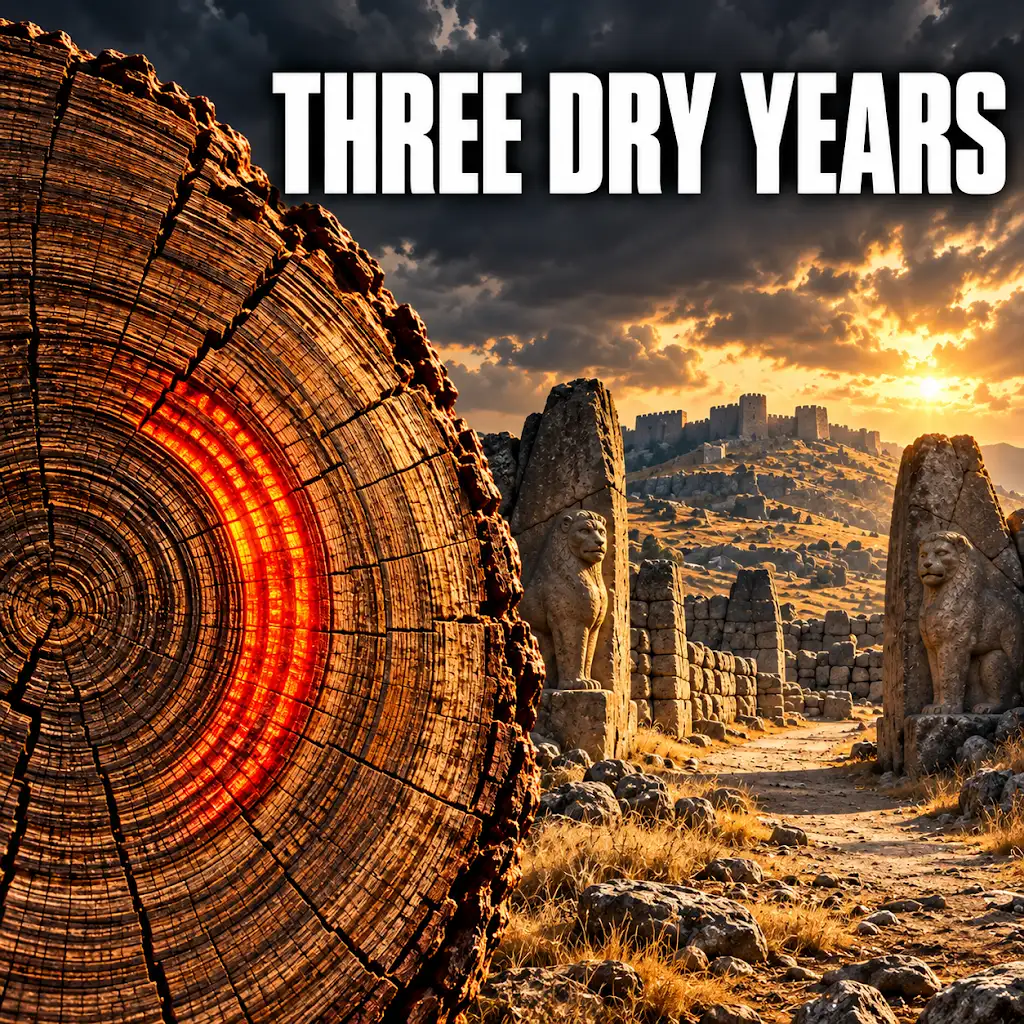
Increasing evidence suggests that environmental factors played a significant role in destabilizing the Late Bronze Age world. Climate change, manifesting as prolonged droughts and shifts in rainfall patterns, would have severely impacted agricultural productivity. The Hittite Empire, heavily reliant on its agricultural output to feed its population and sustain its military, would have been particularly vulnerable to such changes. Crop failures could lead to widespread famine, economic hardship, and social unrest, weakening the state from within. Archaeological data, such as pollen analysis and paleoclimate records, supports the notion of a drier climate during this period, making sustained large-scale agriculture increasingly challenging.
Internal Strife and Dynastic Instability
While external threats often dominate historical narratives, internal weaknesses can be equally devastating. The Hittite Empire, despite its apparent strength, was not immune to internal dissent and dynastic struggles. Records suggest periods of succession disputes and internal power plays that could have diverted resources and weakened the central authority. A fractured leadership or widespread civil unrest would have made the empire more susceptible to external pressures. The vastness of the empire also presented challenges in maintaining centralized control, and local governors or powerful families might have exploited periods of weakness to assert their own autonomy.
The Enigma of the “Sea Peoples” and Foreign Invasions
Perhaps the most dramatic and widely cited cause of the Bronze Age Collapse is the appearance of the enigmatic “Sea Peoples.” These seafaring groups, whose origins remain a subject of debate among scholars, launched a series of devastating raids and invasions across the Eastern Mediterranean. Egyptian records, particularly from the mortuary temple of Ramesses III at Medinet Habu, vividly depict battles against these invaders, describing their ferocity and the widespread destruction they wrought. While the exact composition and motivations of the Sea Peoples are still debated, their impact on established powers like the Hittites and Mycenaeans was undeniable. They appear to have disrupted trade routes, sacked cities, and contributed to the overall breakdown of order. The Hittite Empire, with its extensive coastlines and reliance on maritime trade, would have been particularly exposed to these incursions.
The Fragility of Interdependence and Trade Disruptions
The highly interconnected nature of the Late Bronze Age economy, while a source of prosperity, also represented a critical vulnerability. The extensive trade networks meant that a disruption in one part of the system could have cascading effects. The raids of the Sea Peoples, coupled with potential internal conflicts and environmental problems, likely led to the disruption of vital trade routes, cutting off access to essential resources like tin, which was crucial for bronze production. This disruption would have had a crippling effect on economies and militaries alike. Furthermore, the reliance of states on each other for various commodities meant that the collapse of one major power could destabilize its trading partners.
The Shattering of an Empire: The Fall of Hattusa
The Hittite Empire did not vanish overnight, but its decline was precipitous and ultimately led to the complete abandonment of its magnificent capital, Hattusa, and the dissolution of its imperial structure. The precise sequence of events leading to the final collapse remains a subject of ongoing archaeological and historical investigation, but the evidence points to a combination of the aforementioned pressures culminating in the empire’s demise.
The Sack of Hattusa and the End of an Era
Archaeological evidence at Hattusa reveals signs of destruction and abandonment around the early 12th century BCE. Layers of ash and debris indicate that the city was indeed sacked and burned. While it is difficult to definitively attribute this destruction to a single enemy, the incursions of the Sea Peoples are a strong candidate, as are potentially internal revolts or a confluence of these factors. The loss of the capital, the administrative and religious heart of the empire, would have been a catastrophic blow, signaling the end of the Hittite state as a dominant force. The sophisticated bureaucracy, the royal administration, and the vast repository of knowledge housed in Hattusa were lost, plunging the region into a period of fragmentation.
The Scattering of the Hittites and the Rise of Neo-Hittite States
The collapse of the Hittite Empire did not mean the complete disappearance of the Hittite people or their culture. Instead, it led to a significant dispersal. Many Hittites likely fled the destruction of their homeland, migrating to neighboring regions and establishing smaller, independent kingdoms in Anatolia and northern Syria. These successor states, often referred to as Neo-Hittite states, maintained some aspects of Hittite culture, language, and administration, though they never achieved the scale or power of the original empire. These smaller kingdoms persisted for several centuries, serving as important cultural and political entities in the post-collapse landscape, often interacting with the rising powers of Assyria and Urartu.
The Loss of Written Records and Historical Gaps
The destruction of Hattusa and the subsequent collapse of the Hittite Empire resulted in a significant loss of written records. The vast archives of cuneiform tablets, detailing everything from royal decrees and religious texts to economic transactions and diplomatic correspondence, were either destroyed or scattered. This loss has created significant gaps in our understanding of the Hittites and the events of the collapse. While archaeological discoveries continue to shed light on their civilization, the absence of a continuous written record makes reconstructing the precise narrative of their downfall a challenging endeavor. The ensuing “Dark Age” in Anatolia, where written records become scarce, further exacerbates this historical lacuna.
The Long Shadow: Consequences of the Hittite Demise
The fall of the Hittite Empire was not merely the end of a single civilization; it was a pivotal event that had profound and lasting consequences for the entire Eastern Mediterranean and Near East. The power vacuum created by their collapse allowed for the emergence of new powers, reshaped political boundaries, and facilitated significant cultural and linguistic shifts. The legacy of the Hittites, though diminished, continued to influence the region for centuries.
Reshaping the Political Landscape and the Rise of New Powers
The disintegration of the Hittite Empire left a significant power vacuum in Anatolia and northern Syria. This vacuum was gradually filled by various emerging groups and powers. In Anatolia, Phrygian culture began to flourish, and later, Lydian power would rise. In Syria and Mesopotamia, the Assyrian Empire, already a significant regional force, would eventually expand its influence considerably in the absence of a strong Hittite counterweight. The collapse also allowed for the migration and settlement of new peoples, further altering the ethnic and political composition of the region. The intricate web of alliances and rivalries that characterized the Late Bronze Age was irrevocably broken and slowly rewoven by new players.
Cultural Diffusion and the Spread of Technologies
Despite their fall, the Hittites left behind a cultural and technological legacy that continued to influence the region. Their expertise in metallurgy, particularly their early experiments with iron, would have contributed to the gradual spread of ironworking technology, which would eventually define the Iron Age. Their administrative practices, legal concepts, and even certain aspects of their religious beliefs may have been adopted and adapted by successor states and migrating populations. The dispersal of Hittite peoples also facilitated the diffusion of their culture and traditions across a wider geographical area.
The Dawn of the Iron Age and a New World Order
The Bronze Age Collapse, with the fall of empires like the Hittites, marked a transition to a new era – the Iron Age. The disruption of established trade networks, particularly for tin, made bronze production more difficult and expensive. This spurred the wider adoption and development of ironworking technologies, which were more readily available. The widespread use of iron fundamentally altered warfare, agriculture, and everyday life. The collapse also ushered in a period of decentralization and fragmentation, with smaller kingdoms and city-states rising to prominence, a stark contrast to the large, centralized empires of the Late Bronze Age. The world that emerged from the ashes of the Bronze Age was a fundamentally different one, shaped by the disappearance of the Hittites and their contemporaries.
The Hittite Empire, a significant power during the Bronze Age, faced a dramatic collapse that has intrigued historians and archaeologists alike. This downfall is often attributed to a combination of factors, including climate change, invasions, and internal strife. For those interested in exploring how technological advancements influenced political stability in ancient civilizations, a related article discusses the intricate relationship between innovation and governance. You can read more about this fascinating topic in the article on ancient technology and its impact on political control here.
The Enduring Legacy of the Hittites
| Metric | Value | Notes |
|---|---|---|
| Time Period | c. 1200 BCE | Approximate date of the Bronze Age Collapse affecting the Hittite Empire |
| Territory Size Before Collapse | ~350,000 km² | At its peak, covering much of Anatolia and parts of Syria |
| Population Estimate | ~2 million | Estimated population within the empire before collapse |
| Duration of Collapse | ~50 years | Period over which the empire declined and fragmented |
| Main Causes | Invasions, internal strife, drought, economic decline | Multiple factors contributed to the collapse |
| Capital City | Hattusa | Destroyed or abandoned during the collapse |
| Post-Collapse Successor States | Neo-Hittite city-states | Smaller states that emerged after the empire’s fall |
Though the Hittite Empire ultimately fell victim to the cataclysmic events of the Bronze Age Collapse, their legacy endures in several significant ways. Their civilization, once a dominant force, continues to fascinate scholars and inform our understanding of the ancient world. The meticulous archaeological work at sites like Hattusa has unearthed a wealth of information about their society, religion, and governance.
Archaeological Discoveries and Ongoing Research
The ongoing excavation and analysis of Hittite sites, particularly Hattusa, have been instrumental in reconstructing their history and culture. The discovery of thousands of cuneiform tablets has provided unparalleled insights into their language, laws, administration, and international relations. Modern archaeological techniques continue to reveal new aspects of their urban planning, architectural achievements, and daily life. The decipherment of the Hittite language, an Indo-European tongue, was a significant linguistic achievement, offering crucial data for understanding ancient language families.
A Testament to the Cycles of Civilization
The story of the Hittite Empire serves as a powerful testament to the cyclical nature of civilization. It highlights the rise and fall of great powers, the impact of environmental and societal pressures, and the enduring resilience of human cultures. The Hittites, from their obscure origins to their imperial zenith and their eventual demise, offer a compelling case study in the complexities of state formation, maintenance, and collapse. Their experience underscores the fact that even the most powerful empires are not immune to the forces of change and that interconnectedness, while fostering prosperity, can also amplify vulnerability. The Hittites, a once-mighty empire, now exist in our collective memory as a crucial chapter in the grand, often tumultuous, narrative of human history, a reminder of the rise and fall of empires and the profound transformations they leave in their wake.
Your 401(k) Withdrawal Can Make More of Your Social Security Taxable
FAQs
What was the Hittite Empire?
The Hittite Empire was an ancient civilization that existed during the Bronze Age in Anatolia (modern-day Turkey) from around 1600 BC to 1178 BC. It was one of the great powers of the ancient Near East.
What led to the collapse of the Hittite Empire?
The collapse of the Hittite Empire is believed to have been caused by a combination of factors, including invasions by the Sea Peoples, internal unrest, droughts, and the disruption of trade routes.
How did the collapse of the Hittite Empire impact the region?
The collapse of the Hittite Empire led to a power vacuum in the region, which allowed for the rise of new kingdoms and civilizations. It also contributed to the overall instability and turmoil of the Late Bronze Age.
What role did the Sea Peoples play in the downfall of the Hittite Empire?
The Sea Peoples were a group of seafaring raiders who are believed to have played a significant role in the collapse of the Hittite Empire. They launched invasions and attacks on various civilizations in the eastern Mediterranean, including the Hittites.
Are there any theories about the disappearance of the Hittite Empire?
There are several theories about the disappearance of the Hittite Empire, including the impact of climate change, internal power struggles, and the breakdown of trade networks. The exact cause of the empire’s collapse remains a topic of debate among historians and archaeologists.