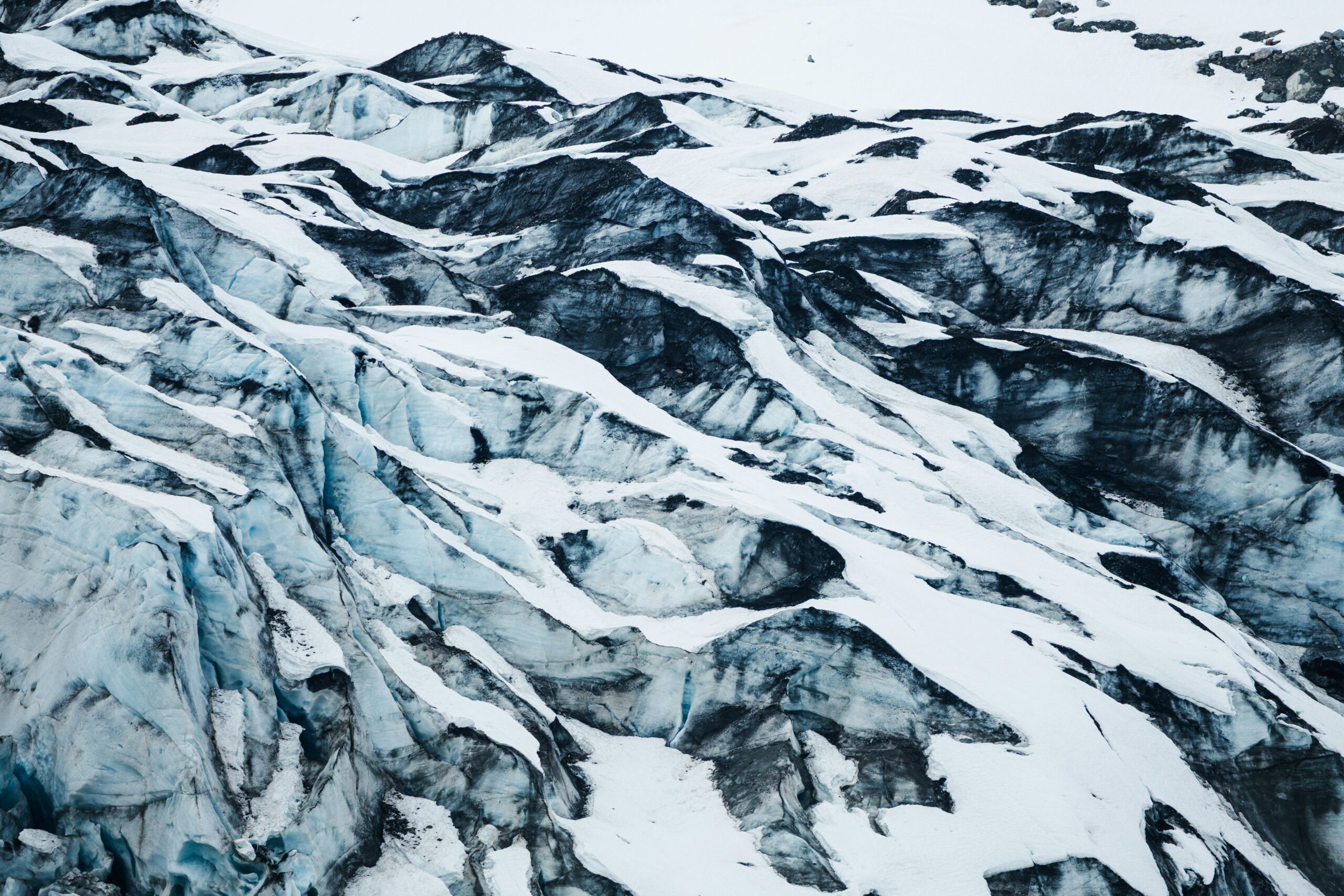
- Introduction: A Frozen Epoch in Earth’s Grand Narrative
The story of Earth is a staggering epic, a saga stretching back billions of years, punctuated by periods of immense geological and biological upheaval. Among these pivotal chapters, the Ice Age stands out, not as a single, monolithic event, but as a succession of prolonged glacial periods that dramatically reshaped the planet’s surface and the life that inhabited it. For millions of years, vast swaths of the globe were entombed in ice, influencing everything from ocean currents to the very evolution of our ancestors. It’s a period that conjures images of colossal mammoths, stoic saber-toothed cats, and hardy hominins braving unforgiving landscapes. But the Ice Age was far more than just a picturesque tableau of frozen wilderness; it was a complex interplay of cosmic, geological, and atmospheric forces that left an indelible mark on the planet we know today. Understanding this epoch is crucial to appreciating Earth’s dynamic history, the resilience of life, and the deep roots of our own species’ journey. This listicle will delve into the history and captivating facts surrounding these monumental periods of glaciation, offering a glimpse into a world transformed by ice.
- What Exactly Constitutes an “Ice Age”?
The term “Ice Age” often conjures a singular, monolithic vision of a world entirely blanketed in snow and ice throughout history. However, geologists and paleoclimatologists use the term to describe a prolonged period in Earth’s history—lasting millions of years—during which substantial ice sheets and glaciers are present on one or both of the planet’s poles. These periods are characterized by significant global cooling and are typically divided into glacial and interglacial periods. Glacial periods are marked by advances of ice sheets and colder global temperatures, while interglacial periods are warmer intervals within the larger Ice Age, where ice sheets retreat.
- Defining the Pleistocene: The Most Famous Ice Age
While Earth has experienced multiple Ice Ages throughout its 4.5-billion-year history, the most recent and famous is the Pleistocene epoch, which began approximately 2.6 million years ago and ended about 11,700 years ago. This is the period most commonly associated with the iconic megafauna like mammoths and saber-toothed cats, and it was during this time that modern humans evolved and spread across the globe. The Pleistocene was not a constant freeze; it was a dynamic period marked by cycles of glaciation and warming.
- The Pre-Pleistocene Frozen Worlds: A Deeper History
The Pleistocene is merely the latest act in Earth’s glacial drama. Earlier Ice Ages, such as the Huronian Glaciation (about 2.4 to 2.1 billion years ago) and the Cryogenian Period (about 720 to 635 million years ago), were far more severe, with evidence suggesting the Earth may have been a “Snowball Earth” during the latter, meaning ice covered almost the entire planet, from pole to pole. These ancient ice ages shaped early life in profound ways, though their impacts are understood through geological clues rather than fossil records of complex life.
- The Drivers of Glaciation: Cosmic Rhythms and Terrestrial Tectonics
The formation and melting of massive ice sheets over geological timescales are not random occurrences. They are the result of a complex interplay between subtle, long-term cycles in Earth’s orbit, alongside more significant geological changes that influence atmospheric composition and ocean circulation. Understanding these drivers is key to unlocking the secrets of how our planet plunged into and emerged from its icy interludes.
- The Milankovitch Cycles: Earth’s Orbital Choreography
Perhaps the most well-understood drivers of glacial-interglacial cycles are the Milankovitch cycles, named after Serbian astrophysicist Milutin Milanković. These cycles describe long-term variations in Earth’s orbit around the Sun, which affect the distribution and intensity of solar radiation reaching our planet.
- Eccentricity: This refers to the shape of Earth’s orbit, which varies from nearly circular to slightly elliptical over cycles of approximately 100,000 and 400,000 years. A more elliptical orbit means greater seasonal variation in distance from the Sun.
- Axial Tilt (Obliquity): The angle of Earth’s tilt on its axis fluctuates between about 22.1 and 24.5 degrees over a cycle of roughly 41,000 years. A greater tilt leads to more extreme seasonal differences.
- Precession: This describes the “wobble” of Earth’s axis, similar to a spinning top, which affects the timing of seasons relative to Earth’s position in its orbit. This cycle operates over approximately 19,000 and 23,000 years.
These orbital variations, when synchronized, can lead to cooler summers in the Northern Hemisphere, where most of the landmass is located. This is crucial because cooler summers prevent the complete melting of winter snowfall, allowing snow to accumulate year after year, eventually forming glaciers and ice sheets.
- Plate Tectonics and Continental Drift: Reshaping Landscapes and Ocean Currents
The slow, relentless movement of tectonic plates plays a monumental role in initiating and influencing Ice Ages. The arrangement of continents significantly impacts ocean currents, which are Earth’s primary heat distribution system.
- Formation of Land Bridges and Ocean Passages: When continents collide or drift apart, they can create or block ocean passages. For example, the formation of the Isthmus of Panama, which connected North and South America, drastically altered ocean currents, contributing to the cooling and glaciation of the Northern Hemisphere by blocking warm equatorial waters that previously flowed into the Atlantic.
- Mountain Building (Orogeny): The uplift of mountain ranges, such as the Himalayas and the Alps, can increase Earth’s albedo (reflectivity) as snow accumulates on higher elevations. These mountains also influence atmospheric circulation patterns, potentially leading to cooler regional temperatures.
- Distribution of Landmasses: The presence of large landmasses near the poles, particularly in the Northern Hemisphere, is crucial for the development of extensive ice sheets. When continents are clustered around the equator, it’s much harder for ice to accumulate and persist.
- Atmospheric Composition: The Greenhouse Effect’s Role
The concentration of greenhouse gases in the atmosphere, particularly carbon dioxide (CO2) and methane (CH4), is a critical factor in regulating global temperatures.
- The Carbon Dioxide Connection: During Earth’s history, geological processes such as volcanic activity release CO2, while processes like weathering of rocks consume it. Periods of lower atmospheric CO2 generally correlate with cooler global temperatures, making it easier for a positive feedback loop of glaciation to begin. Conversely, higher CO2 levels can trigger warming periods, leading to the retreat of ice sheets.
- Feedback Loops: Once glaciation begins, a positive feedback loop can accelerate the cooling. As ice sheets expand, they cover more land and ocean, increasing Earth’s albedo. This reflects more solar radiation back into space, further cooling the planet and allowing ice to grow.
- Life on the Frozen Frontier: Adapting to a Changing World
The advent of prolonged cold periods and the dramatic expansion of ice sheets presented immense challenges for life on Earth. Yet, it was also a catalyst for evolutionary innovation, driving adaptation and leading to the emergence of some of the most iconic and fascinating creatures in paleontological history, as well as shaping the trajectory of human evolution.
- The Reign of the Megafauna: Giants of the Ice Age
The Pleistocene epoch is renowned for its colossal mammals, often referred to as megafauna, which were far larger and more diverse than most large mammals alive today. These creatures were perfectly adapted to the cold, open environments of the glacial periods.
- Woolly Mammoths (Mammuthus primigenius): These iconic relatives of modern elephants were superbly adapted to the cold. Their thick, shaggy coats, small ears, and short tails minimized heat loss. Their long, curved tusks were likely used for defense, digging through snow for vegetation, and possibly for mating displays.
- Saber-toothed Cats (e.g., Smilodon): These formidable predators were characterized by their extraordinarily long canine teeth, which could be up to 7 inches (18 cm) long. These teeth were not used for shearing bone but were likely used for delivering precise killing bites to the throats or bellies of their prey, such as large herbivores.
- Giant Ground Sloths (e.g., Megatherium): These were not the slow-moving, tree-dwelling sloths of today. Some species were massive, reaching the size of elephants, and walked on all fours, using their powerful claws to uproot trees and forage for vegetation.
- Cave Bears (Ursus spelaeus): These large bears, which inhabited caves during the Ice Age, were herbivorous and significantly larger than modern brown bears. They likely hibernated in the very caves that now bear their fossilized remains.
- Short-faced Bears (Arctodus): These North American bears were among the largest land carnivores ever to have lived, with a potential bite force that could crush bone. Their diet is believed to have been varied, possibly including scavenging and hunting.
- Human Evolution and Migration: A Journey Through Glacial Times
The Ice Age was a critical period for the evolution and dispersal of Homo sapiens and their hominin ancestors. The changing environments acted as both a barrier and a highway, forcing adaptations and driving migrations.
- **Emergence of Homo sapiens:** Our species evolved in Africa during the Pleistocene, likely experiencing fluctuating climates that influenced population dynamics and evolutionary pressures.
- Out of Africa Migrations: As Homo sapiens migrated out of Africa, they encountered diverse and often harsh glacial environments across Eurasia and eventually the Americas.
- Adaptation to Cold: Early humans developed crucial adaptations, including the use of fire for warmth and cooking, clothing made from animal skins, and the development of sophisticated shelters, such as ice houses and well-insulated caves.
- Hunting Strategies: The presence of abundant megafauna provided a rich food source, but also required advanced hunting techniques and cooperation. The development of tools, such as spears and later projectile weapons, was vital.
- Plant Life Under Pressure: Resilience and Adaptation
The flora of the Ice Age also underwent significant transformations, with many species being pushed to their limits or becoming extinct, while others adapted to survive the harsh conditions.
- Tundra and Steppe Landscapes: Vast areas of the Earth were dominated by tundra and cold steppe environments, characterized by low-growing vegetation, grasses, sedges, and dwarf shrubs.
- Refugia: During glacial periods, forests and other more temperate ecosystems often retreated to “refugia”— sheltered valleys or coastal areas where conditions were less severe. These refugia served as crucial reservoirs for biodiversity, allowing species to survive and recolonize areas when the climate warmed.
- Seed Bank Survival: Many plant species survived the glacial periods as dormant seeds in the soil, waiting for the opportune moment—a return to warmer temperatures and increased moisture—to germinate and flourish.
- Evidence from the Ice: Unlocking Past Climates
Our understanding of the Ice Ages is not based on direct observation by humans from those times, but rather on the meticulous analysis of the Earth’s geological and biological archives. Scientists have developed ingenious methods to read the planet’s memory, extracting information from ice itself, ancient sediments, and fossil remains.
- Ice Cores: Frozen Time Capsules of Atmosphere and Climate
Perhaps the most direct evidence of past climates comes from ice cores drilled from glaciers and ice sheets in polar regions, particularly in Greenland and Antarctica. These cores are essentially layered archives of Earth’s atmosphere and climate history.
- Layered Accumulation: As snow falls and compacts over millennia, it traps small bubbles of the atmosphere at the time of its deposition. These layers can be dated with remarkable accuracy.
- Atmospheric Composition: By analyzing the gases trapped in these bubbles (CO2, methane, etc.), scientists can reconstruct past atmospheric concentrations, revealing the fluctuating levels of greenhouse gases over hundreds of thousands of years.
- Isotopic Analysis: The ratio of different isotopes of oxygen (specifically oxygen-18 and oxygen-16) in the ice and trapped water molecules provides a proxy for past temperatures. Heavier isotopes are more likely to condense at colder temperatures, so a higher ratio of oxygen-18 in the ice indicates that it was colder when the precipitation occurred.
- Dust and Volcanic Ash: Layers of dust and volcanic ash within ice cores can indicate periods of arid conditions, wind patterns, and major volcanic eruptions, providing chronological markers and insights into environmental events.
- Sediment Cores: Reading the Ocean Floor and Lake Beds
Sediments at the bottom of the oceans and lakes also serve as invaluable archives of past environmental conditions.
- Foraminifera Shells: Microscopic marine organisms called foraminifera build shells from calcium carbonate dissolved in seawater. The isotopic composition of oxygen in these shells is sensitive to ocean temperature and the amount of global ice volume, providing a rich record of past climate variability.
- Pollen Analysis (Palynology): Fossilized pollen grains found in lake and ocean sediments indicate the types of plants that were growing in the surrounding terrestrial environment. This allows scientists to reconstruct past vegetation and infer climate conditions. For example, finding pollen from cold-adapted grasses might suggest a glacial period, while oak and elm pollen would indicate a warmer, interglacial time.
- Opaque Laminations: In some lake sediments, layers of dark sediment (rich in organic matter) and light sediment (rich in mineral components) can form annually, creating a varve chronology that helps date climate events.
- Fossil Remains and Geological Formations: Direct Imprints of Past Life and Landscapes
The direct evidence of Ice Age life and the physical impact of glaciers provide concrete proof of these past periods.
- Fossil Discoveries: The discovery of fossilized remains of mammoths, saber-toothed cats, and other megafauna, often found in caves, riverbeds, or permafrost, directly testifies to their existence during these eras.
- Moraines and Glacial Striations: Geologists study landforms created by the immense power of glaciers. Moraines are ridges of rock and debris deposited by moving glaciers, helping to map the extent and thickness of past ice sheets. Glacial striations—scratches and grooves on bedrock—indicate the direction of ice flow.
- Loess Deposits: Fine, windblown sediment (loess) was often deposited during glacial periods when arid, exposed landscapes were susceptible to erosion by strong winds. Extensive loess deposits in areas like the Great Plains of North America and parts of China are remnants of Ice Age dust storms.
- The Interglacial Period: Our Present Warmth and Future Outlook
We are currently living in an interglacial period, a relatively warm interval within the broader Quaternary glaciation that began 2.6 million years ago. This period, known as the Holocene, has been crucial for the development of human civilization, providing more stable and favorable conditions for agriculture and the growth of societies. However, understanding the cyclical nature of Ice Ages also gives us perspective on our current climate and future possibilities.
- The Holocene: A Relatively Stable Interlude
The Holocene epoch began around 11,700 years ago, marking the end of the last glacial period. This warming trend led to the melting of vast ice sheets, rising sea levels, and the re-establishment of forests and more temperate ecosystems.
- Rise of Agriculture and Civilization: The stable climate of the Holocene, with its predictable seasons and more moderate temperatures, provided the ideal conditions for the development of agriculture, which in turn allowed for settled lifestyles, population growth, and the rise of complex human societies and civilizations.
- Modern Biodiversity: Many species that exist today either evolved or became dominant during the Holocene as they adapted to the post-glacial environment. The flora and fauna we are familiar with are largely a product of this interglacial period.
- Natural Climate Variability: While the Holocene is considered relatively stable compared to glacial periods, it has still experienced natural climate fluctuations, such as the Little Ice Age or the Medieval Warm Period, driven by a combination of factors including solar activity and volcanic eruptions.
- The End of an Interglacial? The Role of Greenhouse Gases
The natural cycles that have governed glacial and interglacial periods for millennia are now being profoundly influenced by human activity. The rapid increase in atmospheric greenhouse gas concentrations, primarily from the burning of fossil fuels, is causing unprecedented warming.
- Human-Induced Warming: The scientific consensus is that current global warming is overwhelmingly due to anthropogenic emissions of greenhouse gases. This warming is already leading to significant changes, including melting glaciers and ice sheets, rising sea levels, and more extreme weather events.
- Challenging Natural Cycles: The rate and magnitude of current warming are far beyond the natural fluctuations seen during the Holocene and may even be preventing the onset of the next glacial period, which would typically be expected to begin in the coming millennia based on orbital cycles alone.
- Potential for Unforeseen Consequences: The long-term implications of such rapid anthropogenic warming are still being studied, but it is clear that it will dramatically alter ecosystems, coastlines, and human societies in ways that are different from the natural shifts of past interglacial and glacial periods.
- A Look Towards the Future: From Glacial Prospects to Global Warming Realities
The knowledge gained from studying Ice Ages offers both historical context and a warning for the future.
- The Natural Return of Ice: Without human intervention, Earth’s orbital cycles would eventually lead to the conditions necessary for the next glacial period to begin, potentially thousands of years from now.
- The Accelerated Pace of Change: However, the current trajectory of human-induced warming is on a timescale that is vastly shorter than the natural cycles of glaciation. Scientists are grappling with how Earth’s systems will respond to such rapid and unprecedented warming.
- Lessons from the Past: The Ice Ages demonstrate the planet’s capacity for dramatic climate shifts and the remarkable resilience and adaptability of life. Understanding these past transformations provides a framework for comprehending the challenges and potential outcomes of our current climatic era. The history of the Ice Age is a testament to Earth’s dynamic nature and a crucial reminder of humanity’s impact on its future trajectory.

What If 90% of Human History Is Underwater?
FAQs

What is the Ice Age?
The Ice Age is a period in Earth’s history when the climate was significantly colder and ice sheets covered large parts of the planet’s surface.
When did the Ice Age occur?
The Ice Age occurred during several periods in Earth’s history, with the most recent one ending around 11,700 years ago.
What caused the Ice Age?
The Ice Age was caused by a combination of factors, including changes in the Earth’s orbit, variations in the amount of solar radiation reaching the Earth, and the movement of tectonic plates.
How did the Ice Age affect the Earth’s landscape and ecosystems?
During the Ice Age, large ice sheets covered much of North America, Europe, and Asia, leading to the formation of glaciers, ice caps, and ice fields. This had a significant impact on the Earth’s landscape and ecosystems, shaping the land and influencing the distribution of plant and animal species.
What evidence do we have of the Ice Age?
Evidence of the Ice Age includes glacial landforms, such as moraines and drumlins, as well as the presence of glacial erratics and striations on rocks. Additionally, the remains of ancient plants and animals, as well as the study of ice cores and sediment layers, provide valuable information about the Ice Age.