
The Arctic wind, a phantom whisper turning to a gale, was the first harbinger of the doom that awaited Sir John Franklin and his ill-fated expedition. It was a chill that penetrated not just the skin, but the very soul, a premonition of the vast, unforgiving emptiness that would become their tomb. The Royal Navy, in its insatiable thirst for discovery and the tantalizing prospect of a Northwest Passage, dispatched two magnificent vessels, HMS Erebus and HMS Terror, under the command of a seasoned, though perhaps aging, explorer. Little did they know, this voyage, launched with such fanfare and high hopes in 1845, would descend into one of the greatest maritime mysteries and tragedies in British history.
The allure of the Northwest Passage had captivated mariners for centuries. For Great Britain, it represented more than just a geographical curiosity; it was a strategic and economic imperative. A navigable sea route through the Arctic would revolutionize trade, shortening the journey to Asia by thousands of miles and granting Britain unparalleled control over global commerce. This ambition fueled numerous expeditions, each pushing further into the icy labyrinth, encountering hardship, but failing to achieve the ultimate goal. Sir John Franklin, a man of considerable experience and a decorated naval officer, was deemed the ideal candidate to finally conquer this elusive passage.
A Career Forged in the Ice
Sir John Franklin’s career was a testament to his resilience and dedication to exploration. He had participated in several Arctic expeditions prior to his final one, enduring the biting cold, the treacherous ice, and the profound isolation of the polar regions. His experiences in the Napoleonic Wars had honed his leadership and his ability to command under pressure. However, the Arctic was a different kind of adversary, one that did not yield to human will or military might. His previous explorations, while valuable, had also highlighted the immense challenges and dangers inherent in navigating the frozen north.
The Promise of the New World
The 1840s saw a renewed impetus for Arctic exploration. Advances in ship design, navigation, and provisions offered a greater chance of success. The Royal Navy, under the patronage of figures like Sir John Barrow, was committed to finding the Passage. Franklin, though nearly sixty years old, was eager for one last great adventure, a chance to etch his name permanently in the annals of exploration. He envisioned a swift and decisive voyage, armed with the latest technology and the best men the navy could provide.
Sir John Franklin’s final voyage in search of the Northwest Passage remains one of the most enduring mysteries of Arctic exploration. His ill-fated expedition, which set sail in 1845, has captivated historians and adventurers alike, leading to numerous theories and investigations over the years. For those interested in understanding the broader implications of exploration and its impact on geopolitical dynamics, a related article can be found at this link, which discusses contemporary geopolitical shifts and their historical roots.
A Fleet Prepared for Victory, Not for Doom
HMS Erebus and HMS Terror were formidable vessels for their time. Built for Arctic exploration, they were strengthened with iron plating to withstand the crushing pressure of pack ice and equipped with powerful steam engines, a relatively new innovation for naval expeditions, intended to provide an edge in navigating the treacherous floes. The ships were provisioned with an abundance of food, canned goods being a particular focus, and a carefully selected crew of 129 men, composed of experienced sailors, officers, and scientific personnel. The mood at Greenwich before their departure was one of optimism and patriotic fervor.
The Ingenuity of Technology
The inclusion of steam engines was a significant departure from previous expeditions. It was hoped that these engines would allow the ships to make steady progress even when faced with unfavorable winds or dense ice. This technological advancement represented the cutting edge of naval engineering and symbolized a belief that human ingenuity could finally overcome the natural barriers of the Arctic. Furthermore, the ships were outfitted with a comprehensive array of scientific instruments, reflecting the dual purpose of the expedition: to discover a passage and to gather valuable scientific data about the Arctic environment.
The Peril of Provisions
While the expedition was well-supplied, a critical flaw would later emerge regarding the provisions, particularly the canned goods. A significant portion of the food had been sealed using lead solder, which, over time and in the frigid Arctic conditions, would leach lead into the food. This insidious contamination, unnoticed at the time, would have devastating health consequences for the crew, weakening them physically and mentally, and contributing to their ultimate demise. The very sustenance meant to sustain them would become a silent poison.
The Long Silence: The Disappearance of the Expedition

The initial stages of the voyage were marked by progress and communication. The ships were sighted by whalers in Baffin Bay in the summer of 1845, and a final, optimistic message was sent back to England. Then, silence. As months turned into years, and the expected return of the expedition failed to materialize, a growing unease settled over the Royal Navy and the nation. Search parties were dispatched, fueled by a mixture of concern and the unwavering belief in the resilience of British sailors.
The Grim Discovery of the First Clues
The first concrete, albeit cryptic, evidence of the expedition’s fate emerged in 1850. A small party of Inuit hunters encountered scattered remnants of the expedition on Beechey Island: three graves, remnants of a campsite, and several personal belongings. These findings confirmed the worst fears – the ships had been trapped, and the crew had been forced to abandon them. The carefully planned journey had indeed come to a catastrophic halt.
The Whispers of the Inuit
Over the years, the Inuit, the indigenous peoples of the Arctic, became the primary source of information, their oral traditions holding the fragmented pieces of the tragedy. Through interactions with Inuit hunters and elders, explorers like John Rae began to piece together a horrifying narrative. They spoke of ships frozen in the ice, of men desperately seeking to escape, and of a tragic march southward across the frozen landscape. These accounts, often met with initial skepticism by the British authorities, were gradually accepted as the most reliable evidence of what had transpired.
The Descent into Despair: Trapped and Starving
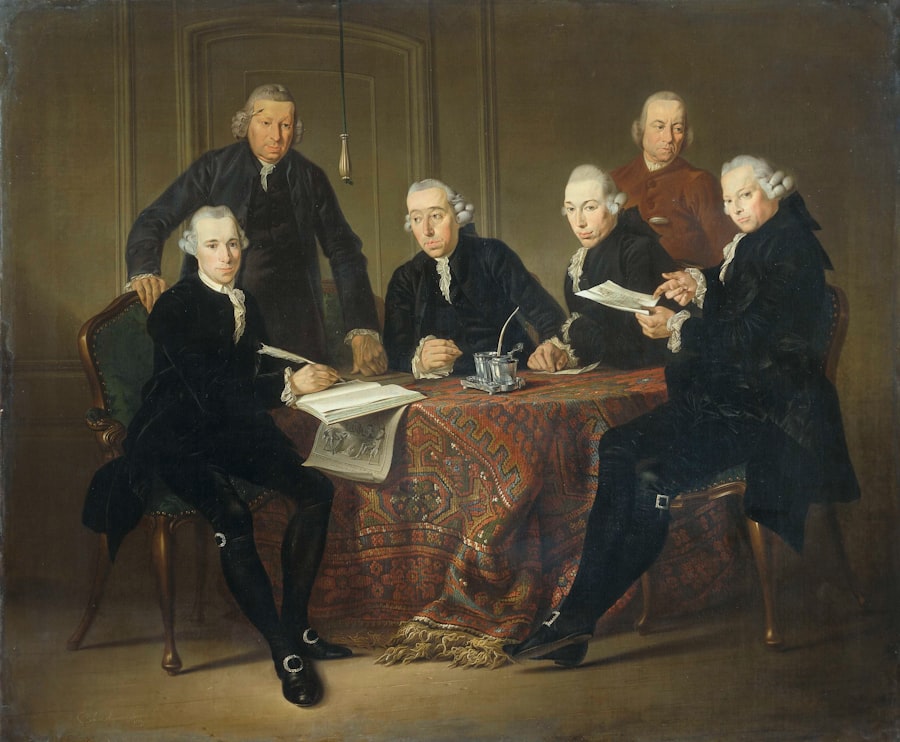
The evidence gathered from the various search expeditions painted a grim picture of the final days of Franklin’s crew. HMS Erebus and HMS Terror became locked in the ice off King William Island, their progress halted indefinitely. The initial optimism of the crew would have gradually given way to the stark reality of their confinement. As supplies dwindled and the harsh Arctic winter closed in, a desperate struggle for survival began.
The Icy Prison
The ice became their prison, an impenetrable fortress that sealed their fate. The ships, once symbols of British naval prowess, were reduced to helpless hulks, locked in a frozen embrace with the Arctic Ocean. The prolonged confinement would have taken a severe toll on the morale of the crew. Days turned into weeks, then months, spent in the cramped and cold confines of the ships, with little hope of escape. The psychological strain of isolation, coupled with the physical challenges of living in such an environment, would have been immense.
The Scourge of Scurvy and Lead Poisoning
As their canned provisions were depleted, the crew was forced to rely on other sources of food, including the meat of Arctic wildlife. However, this diet was often deficient in vitamin C, leading to widespread scurvy, a debilitating disease characterized by fatigue, weakness, and bleeding gums. Compounding these health issues was the insidious effect of lead poisoning from the soldered cans, which would have weakened their bodies and impaired their cognitive functions, making rational decision-making and strenuous efforts even more challenging.
Sir John Franklin’s final voyage remains one of the most intriguing maritime mysteries in history, captivating researchers and historians alike. The expedition, which aimed to traverse the Northwest Passage, ended tragically with the loss of Franklin and his crew. For those interested in exploring the broader implications of exploration and its challenges, a related article discusses contemporary issues in space exploration and defense strategies. You can read more about it in this insightful piece on lunar defense. This connection between past and present highlights the enduring human spirit of exploration, whether on the seas or in the cosmos.
The Last March: A Tragic Exodus
| Expedition | Details |
|---|---|
| Ship Name | HMS Erebus and HMS Terror |
| Departure | 1845 |
| Objective | Find the Northwest Passage |
| Disappearance | 1848 |
| Search Efforts | Multiple expeditions sent to find the ships |
Faced with the insurmountable ice and dwindling hope, Sir John Franklin made the fateful decision to abandon the ships. On April 22, 1848, a group of 105 survivors, led by Captain Francis Crozier, set out on foot across the ice, hoping to reach the Canadian mainland and salvation. It was a desperate gamble, a final, agonizing attempt to escape the frozen tomb that had swallowed their ships.
The Unyielding Ice and The Fading Hope
The march across the ice was an ordeal of unimaginable suffering. The men were ill-equipped for such a journey, their bodies weakened by disease and starvation. They faced treacherous terrain, blizzards, and the ever-present threat of starvation. Each step was a testament to their dwindling strength and the fading hope of survival. The vast, indifferent landscape offered no solace, only a stark reminder of their vulnerability.
The Final Silence: The Unanswered Questions
The ultimate fate of the men on this final march remains a subject of speculation and somber reflection. Scattered remains and artifacts found over the years, along with the accounts of the Inuit, suggest that many perished on this arduous journey. The exact number of survivors, the precise route they took, and the specific circumstances of their deaths are shrouded in the mists of time and the unforgiving nature of the Arctic. The ill-fated final voyage of Sir John Franklin remains a poignant reminder of the indomitable spirit of exploration, but also of the profound power of nature and the tragic consequences of ambition when it confronts the untamed wilderness. The Northwest Passage, the prize they so desperately sought, was ultimately their conqueror, claiming the lives of brave men and leaving behind a legacy of mystery and sorrow.
129 Men Vanished in the Arctic. Then We Found Their Ships.
FAQs
What was Sir John Franklin’s final voyage?
Sir John Franklin’s final voyage was an expedition to find the Northwest Passage, a sea route through the Arctic Ocean, in 1845. The expedition consisted of two ships, HMS Erebus and HMS Terror, and aimed to navigate the last unnavigated section of the Northwest Passage.
What happened to the expedition?
The expedition led by Sir John Franklin encountered harsh Arctic conditions and both ships became trapped in ice. The crew members eventually abandoned the ships and attempted to trek overland to safety. Unfortunately, none of the crew survived and the exact fate of the expedition remained a mystery for many years.
When was the wreckage of the expedition discovered?
The wreckage of the expedition was discovered in recent years. The wreck of HMS Erebus was found in 2014, and the wreck of HMS Terror was found in 2016. These discoveries shed light on the final moments of the ill-fated expedition.
What were the contributions of the expedition to exploration?
Despite the tragic outcome, the expedition led by Sir John Franklin contributed significantly to the mapping and understanding of the Arctic region. The discoveries made during the search for the expedition’s wreckage have also provided valuable insights into the history of Arctic exploration.
What is the legacy of Sir John Franklin’s final voyage?
The legacy of Sir John Franklin’s final voyage is one of exploration, tragedy, and discovery. The expedition and its aftermath have captured the imagination of people for generations, and the story continues to be a subject of historical and cultural interest.