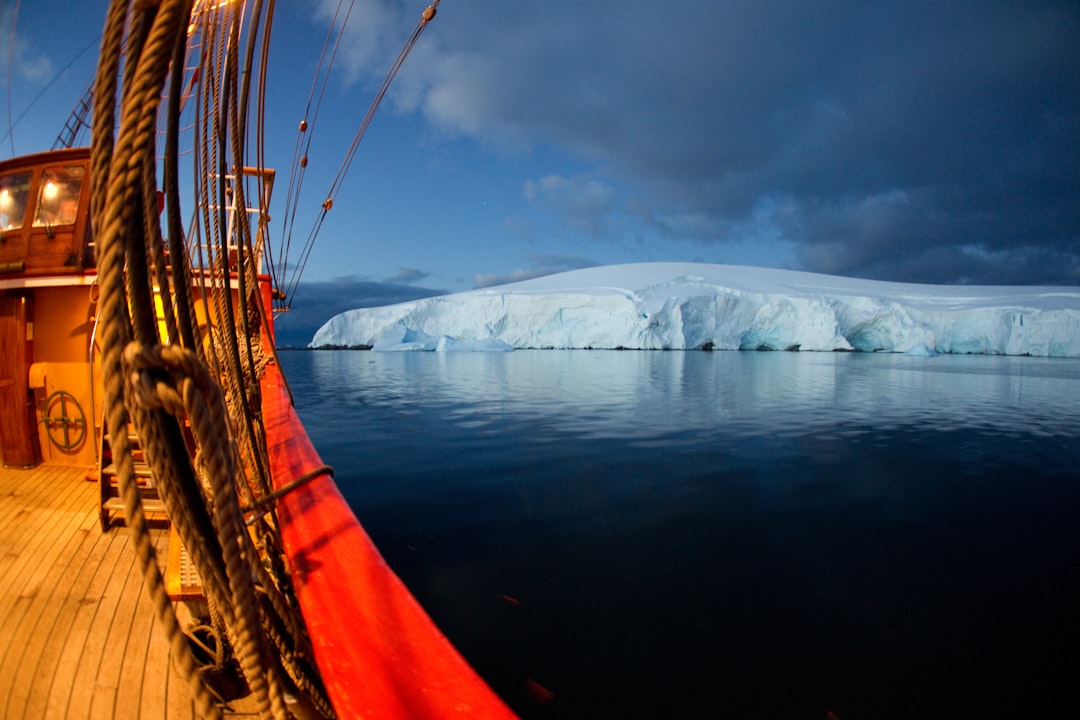
The frigid, unforgiving waters of the Arctic have long held a fascination for humankind, representing a frontier of both immense challenge and unparalleled opportunity. Among the many ambitious voyages into this icy domain, few are as etched into historical consciousness, or as profoundly tragic, as the Franklin Expedition. This ill-fated endeavor, launched in 1845 with the ambitious goal of discovering a navigable Northwest Passage, set sail with the full confidence of the British Admiralty and the public, only to vanish without a trace, igniting a century of speculation and relentless search. The story of Sir John Franklin and his two ships, HMS Erebus and HMS Terror, is a stark reminder of the brutal realities of polar exploration and the enduring mysteries that the Arctic can hold.
The allure of the Northwest Passage was not a new phenomenon in the mid-19th century. For centuries, European powers had dreamt of a sea route connecting the Atlantic and Pacific Oceans, a shorter, faster path for trade and military advantage, bypassing the long and perilous journey around the southern tip of South America. Numerous expeditions had been launched, each contributing to the growing, albeit piecemeal, understanding of the Arctic’s treacherous geography, but none had succeeded in charting a complete, navigable route.
A Legacy of Exploration and a Nation’s Pride
By the 1840s, Great Britain was at the zenith of its imperial power, and its maritime prowess was a cornerstone of its global influence. The Royal Navy, renowned for its experienced officers and well-equipped vessels, saw the Northwest Passage as the ultimate prize, a final frontier that would solidify its naval supremacy and bring immense prestige.
Early Attempts and Their Lessons
Numerous explorers, including Martin Frobisher, Henry Hudson, and Sir William Parry, had made significant inroads into the Arctic. Parry, in particular, had achieved remarkable success in the 1820s, reaching further north than any before him and demonstrating the feasibility of navigating some of the Arctic’s passages. However, the vastness of the ice, the unforgiving climate, and the sheer remoteness of the region consistently thwarted complete success. These expeditions, while often heroic, also provided valuable, albeit grim, lessons about the dangers of ice entrapment, scurvy, and the psychological toll of prolonged isolation.
The Political and Economic Imperative
Beyond national pride and the spirit of adventure, there were tangible economic and strategic reasons for pursuing the Northwest Passage. A viable trade route would revolutionize global commerce, significantly reducing shipping times and costs. It would also offer a strategic military advantage, allowing for rapid deployment of naval assets between the oceans. As European powers, particularly Britain and Russia, vied for global dominance, control of such a vital waterway would be invaluable.
The Role of the Royal Geographical Society
The Royal Geographical Society, a prominent institution in London, played a significant role in advocating for and planning Arctic expeditions. Its members, a collection of scientists, cartographers, and influential figures, actively lobbied the Admiralty, providing scientific advice and encouraging the continued pursuit of geographical discovery.
The Northwest Passage and the ill-fated Franklin Expedition have long captivated historians and adventurers alike, shedding light on the challenges of Arctic exploration in the 19th century. For those interested in the broader implications of historical maritime endeavors, a related article discussing the complexities of trade and legislation during wartime can be found at Understanding the Trading with the Enemy Act. This piece provides insight into how historical trade laws have shaped international relations, much like the navigational routes sought by explorers in the Arctic.
The Franklin Expedition: A Bold Undertaking
In 1845, the Admiralty, under the influence of these proponents of Arctic exploration, greenlit a new expedition, entrusting its leadership to Sir John Franklin. Franklin, a veteran naval officer with extensive Arctic experience, was a respected figure, though some contemporaries harbored doubts about his suitability for such a challenging command at his age. Nevertheless, he was chosen, and the expedition was equipped with the most advanced technology and resources available at the time.
Assembling the Fleet and Crew
The expedition comprised two ships: HMS Erebus and HMS Terror. These were stout bomb vessels, built for resilience and designed to withstand the harsh Arctic environment. They were reinforced with iron plating and equipped with steam engines, a relatively new but promising technology for navigating through ice. The crews, numbering 134 men in total, were carefully selected, comprising experienced sailors, officers, and specialists.
The Promise of Technology and Provisions
The Admiralty spared no expense in equipping the expedition. The ships were stocked with an unprecedented amount of provisions, including canned foods – a relatively new preservation method believed to be superior to traditional salted meats. They also carried a substantial supply of coal for the steam engines and a comprehensive library of books and scientific instruments. The belief was that with their advanced ships and ample supplies, Franklin’s expedition was virtually assured of success.
The Commander: Sir John Franklin
Sir John Franklin, at 59 years old, was a decorated officer with a long and distinguished career in the Royal Navy. He had served in the Napoleonic Wars and participated in previous Arctic expeditions, including those led by Sir John Ross and Sir William Parry. His experience was undeniable, yet some questioned his leadership capabilities in the face of prolonged isolation and extreme hardship.
The Second-in-Command: Francis Rawdon Moira Crozier
Captain Francis Rawdon Moira Crozier, commander of HMS Terror, was a seasoned Arctic explorer in his own right, having served on several previous expeditions. He was known for his pragmatism and his deep understanding of Arctic survival. His presence offered a counterbalance to Franklin’s leadership, and he would ultimately play a crucial role as the expedition descended into crisis.
The Voyage into the Unknown: Initial Successes and Foreboding Signs
The Franklin Expedition departed from Greenhithe, England, on May 19, 1845, amid great fanfare and public optimism. The ships sailed north, provisioned for three years, and were last seen by a whaling ship, the Prince of Wales, on July 26, 1845, near the entrance to Baffin Bay. Initial reports were positive, fueling the hope that Franklin would soon achieve his historic goal.
Navigating the Ice: The First Summer
The expedition’s first summer was relatively successful. They navigated through Lancaster Sound and explored Wellington Channel, a promising route that seemed to lead directly to the open ocean. The steam engines proved useful, helping the ships push through areas of lighter ice. The crew was in good spirits, and the scientific observations being made were valuable.
The Crucial Decision to Winter
As autumn approached, the ships encountered heavier ice. Instead of attempting to push further into unknown and potentially impassable waters, Franklin made the decision to winter. They found a relatively sheltered bay on Beechey Island, where they spent the winter of 1845-46. This was a prudent decision, reflecting the common practice in Arctic exploration.
The Grim Realities of the Second Summer
The second summer, however, proved far more challenging. The ice conditions were exceptionally severe, trapping the ships for an extended period. The initial optimism began to wane as the expedition found itself in a precarious position, surrounded by a seemingly impenetrable wall of ice.
The Discovery on Beechey Island: A Chilling Clue
During searches in subsequent years, artifacts were discovered on Beechey Island, including graves of three crewmen, tins of preserved meat, and other supplies. These discoveries provided the first concrete evidence of the expedition’s fate and offered chilling clues about the early stages of their ordeal. The graves, in particular, indicated that the expedition had already suffered fatalities by the spring of 1846, a grim foreshadowing of what was to come.
The Descent into Catastrophe: Trapped and Starving
The expedition’s second winter was spent trapped in the ice off King William Island. The ships, HMS Erebus and HMS Terror, were locked in a frozen embrace, unable to move. The prolonged confinement, coupled with dwindling supplies and the harsh Arctic environment, began to take a devastating toll on the crew.
The Abandonment of the Ships: A Desperate Gamble
By the spring of 1848, it became clear that the ships were irrevocably trapped. The captain’s log, discovered in a cairn on King William Island, revealed the agonizing decision to abandon the vessels and attempt to reach the Canadian mainland on foot. This was a desperate gamble, a last-ditch effort to survive.
The March South: A Journey of Despair
The surviving crew members, numbering 105 men, set out southward across the ice, dragging their heavy sledges laden with supplies and equipment. The journey was arduous, fraught with peril. The ice was unstable, the terrain unforgiving, and their provisions were rapidly depleting.
The Scourge of Scurvy and Botulism
The canned provisions, initially hailed as a miracle of modern science, proved to be a source of tragedy. Many of the cans were found to be contaminated with lead from solder, leading to widespread lead poisoning. Furthermore, the preservation process was not always perfect, and botulism, a deadly bacterial toxin, may have also contributed to the crew’s suffering. These factors, combined with the extreme cold and starvation, decimated the expedition.
The Unfolding Horror: Evidence from Inuit Accounts
Oral traditions and later archaeological evidence from the Inuit peoples of the region provided a harrowing account of the expedition’s final days. They reported encountering starving Europeans, their bodies found on the ice and along the shores of King William Island. The Inuit encountered the survivors in various states of distress, some having resorted to cannibalism out of desperation. These accounts, though initially met with skepticism by some Victorian sensibilities, have been corroborated by skeletal remains, revealing clear evidence of cut marks indicative of cannibalism.
The Northwest Passage has long fascinated explorers and historians, particularly in relation to the ill-fated Franklin Expedition, which sought a navigable route through the Arctic. This expedition, marked by tragedy and mystery, highlights the challenges faced by those who dared to traverse these icy waters. For a deeper understanding of the broader implications of resource scarcity in such regions, you can explore a related article that discusses the ongoing struggles over limited supplies in the Arctic. This piece provides valuable context to the historical significance of expeditions like Franklin’s and their impact on current geopolitical dynamics. To read more, visit this article.
The Legacy of Loss and the Endless Search
| Expedition | Year | Ships | Outcome |
|---|---|---|---|
| Franklin Expedition | 1845 | Erebus, Terror | Disappeared |
| Search Efforts | 1848-1859 | Multiple | Unsuccessful |
| Discovery of Erebus | 2014 | One ship found | Underwater wreck |
The disappearance of the Franklin Expedition sparked a prolonged and extensive search effort that lasted for decades. Driven by humanitarian concern, national pride, and the persistent hope of finding survivors, numerous expeditions were launched by Britain, the United States, and other nations.
The Admiralty’s Response and the Search Expeditions
The British Admiralty initially organized official search parties, but the true extent of the search was largely undertaken by private individuals and American explorers, who were often funded by Lady Jane Franklin, Sir John’s devoted wife. Lady Jane never abandoned hope and tirelessly advocated for continued searches, dedicating her fortune and considerable influence to the cause.
Lady Jane Franklin: A Wife’s Unwavering Devotion
Lady Jane Franklin’s unwavering determination and immense personal sacrifice are a testament to her love and commitment to her husband. She commissioned several expeditions herself, funding them with her own inheritance and raising additional funds through public appeals. Her persistence kept the memory of the Franklin Expedition alive and fueled the relentless pursuit of answers.
The Contributions of McClintock and Amundsen
Sir Robert McClure’s expedition in the 1850s was instrumental in definitively proving the existence of a Northwest Passage, though it was not navigable by ship. However, it was Captain Sir John Franklin’s second-in-command, Francis Crozier, and later the Norwegian explorer Roald Amundsen who completed the first successful transit in the early 20th century. Amundsen, using his own ship, the Gjøa, navigated the passage between 1903 and 1906, proving its existence but also its impracticality for large-scale commercial shipping due to its ice-choked nature and shallow waters.
The Final Resting Place: Locating the Wrecks
In the 21st century, the search for the missing ships reached a dramatic conclusion. In 2014, the wreck of HMS Erebus was discovered in the Arctic seabed off the coast of King William Island. Two years later, in 2016, the wreck of HMS Terror was also found, remarkably well-preserved in the frigid waters. These discoveries provided tangible anchors for the long-held mystery, allowing for a deeper understanding of the expedition’s final moments.
The Enduring Mystery and the Lessons Learned
The Franklin Expedition remains one of history’s most captivating and tragic maritime disasters. The narrative is a potent blend of human ambition, technological hubris, and the overwhelming power of nature. The expedition’s fate serves as a somber reminder of the risks inherent in pushing the boundaries of exploration.
The Scientific and Historical Significance
The lost ships and the artifacts recovered have provided invaluable insights into 19th-century naval technology, Arctic exploration practices, and the lives of the men who served. The scientific investigations conducted on the wrecks and the human remains continue to shed light on the environmental conditions, dietary practices, and diseases that affected the crew.
A Cautionary Tale for Future Explorers
The story of Franklin’s expedition is more than just a historical footnote; it is a profound lesson for all who venture into unknown and hostile environments. It highlights the importance of meticulous planning, adaptability, understanding indigenous knowledge, and respecting the immense power of the natural world. The ill-fated Franklin Expedition, though a tragedy of immense proportions, has left an indelible mark on our understanding of the Arctic and the indomitable, yet sometimes vulnerable, spirit of human exploration.

129 Men Vanished in the Arctic. Then We Found Their Ships.
FAQs
What is the Northwest Passage?
The Northwest Passage is a sea route that connects the Atlantic and Pacific Oceans through the Arctic Ocean. It is a historically significant route for maritime trade and exploration.
What was the Franklin Expedition?
The Franklin Expedition was a British voyage led by Captain Sir John Franklin in 1845 to explore and navigate the Northwest Passage. The expedition’s two ships, HMS Erebus and HMS Terror, became trapped in ice and the entire crew perished.
What happened to the Franklin Expedition?
After becoming trapped in ice, the crew of the Franklin Expedition attempted to trek overland to safety, but all members perished due to harsh conditions, starvation, and exposure. The exact fate of the crew and the location of the ships remained a mystery for many years.
When were the ships of the Franklin Expedition discovered?
The wreck of HMS Erebus was discovered in 2014, and the wreck of HMS Terror was found in 2016. Both ships were located in the Canadian Arctic, shedding light on the final resting place of the ill-fated expedition.
Why is the Franklin Expedition significant?
The Franklin Expedition is significant for its role in the search for the Northwest Passage and its tragic outcome. The discovery of the wrecks has provided valuable historical and archaeological insights into the expedition and its impact on Arctic exploration.