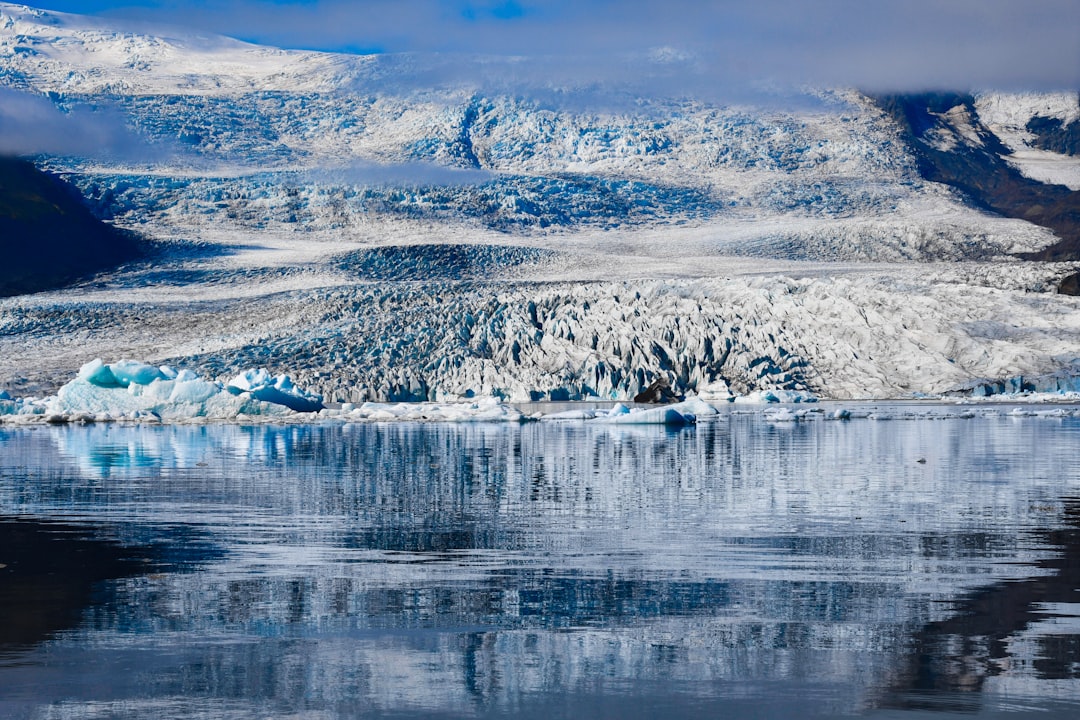
The Arctic, a region of immense cold and stark beauty, is experiencing an accelerated rate of climate change that is reverberating across the globe. This remote frontier, often perceived as distant and untouched, is in fact a crucial barometer for planetary health. Its transformation is not merely an isolated phenomenon but a powerful indicator of broader environmental shifts, impacting everything from global weather patterns to the delicate balance of ecosystems.
The Arctic is warming at a rate significantly faster than the global average, a phenomenon often referred to as “Arctic amplification.” This accelerated warming is primarily driven by positive feedback loops that amplify initial temperature increases.
Albedo Effect and Ice-Albedo Feedback
The albedo effect, a measure of how much solar radiation a surface reflects, is a key driver of Arctic amplification. Ice and snow, being highly reflective, bounce a large proportion of incoming sunlight back into space. As these reflective surfaces melt, they expose darker ocean water or land, which absorb more solar radiation. This absorption further warms the region, leading to more melting, thus creating a self-reinforcing cycle. Imagine a mirror reflecting sunlight; now imagine that mirror slowly turning into a dark, heat-absorbing sponge. This transition is a powerful metaphor for the dramatic shift in the Arctic’s energy balance.
Sea Ice Decline and its Implications
One of the most visible manifestations of Arctic warming is the dramatic decline in sea ice extent and thickness. Over the past few decades, both the perennial (multi-year) ice and annual ice have experienced significant reductions.
Impact on Arctic Ecosystems
This loss of sea ice has profound impacts on Arctic ecosystems. Polar bears, for example, rely on sea ice as a platform for hunting seals, their primary food source. As the ice recedes, their hunting grounds shrink, making it harder for them to find food, leading to significant population declines in some areas. Similarly, ringed seals and other ice-dependent species face similar challenges, struggling to find suitable breeding and resting sites. The entire food web, from microscopic algae growing under the ice to apex predators, is undergoing a profound reorganization.
Threats to Indigenous Communities
Indigenous communities in the Arctic, who have lived in harmony with their environment for millennia, are particularly vulnerable to sea ice decline. Their traditional hunting practices, built around tracking animals across ice, are becoming increasingly dangerous or impossible. Travel routes across frozen waterways are becoming less reliable, impacting access to resources and cultural exchange. This isn’t just an ecological crisis; it’s a social and cultural one, threatening ways of life that have endured for generations.
Greenland Ice Sheet Melt
Beyond sea ice, the Greenland Ice Sheet, the second-largest ice body in the world, is also experiencing an accelerating rate of melt. This freshwater input has significant global consequences.
Contribution to Global Sea Level Rise
Meltwater from the Greenland Ice Sheet is a major contributor to global sea level rise. As this massive ice reservoir diminishes, it adds colossal volumes of water to the oceans, directly threatening coastal communities worldwide. Think of it as a giant, frozen faucet being slowly turned on, steadily filling the global bathtub.
Freshening of Ocean Waters
The influx of freshwater from melting glaciers and the Greenland Ice Sheet also contributes to the freshening of ocean waters. This change in salinity can impact ocean currents, particularly the Atlantic Meridional Overturning Circulation (AMOC), which plays a critical role in regulating global climate patterns.
The impacts of climate change in the Arctic are profound and far-reaching, affecting not only the local ecosystems but also global weather patterns. For a deeper understanding of these changes and their implications, you can read a related article that discusses the various factors contributing to Arctic climate change and its consequences on wildlife and indigenous communities. To explore this topic further, visit this article.
Global Weather Pattern Disruptions
The dramatic transformations in the Arctic are not confined to the region itself; they act as a potent catalyst for changes in weather patterns across the Northern Hemisphere. The interconnectedness of Earth’s systems means that what happens at the poles has ripple effects far beyond.
Weakening of the Polar Vortex
One widely discussed consequence of Arctic warming is the potential weakening and destabilization of the polar vortex. The polar vortex is a vast, circulating mass of cold air that normally remains relatively confined to the Arctic region by strong atmospheric currents, particularly the jet stream.
Mechanism of Disruption
As the Arctic warms significantly faster than mid-latitudes, the temperature difference between the pole and equator decreases. This reduced temperature gradient weakens the jet stream, which acts like a fence, holding the polar vortex in place. A weaker jet stream becomes wavier and more meandering, allowing lobes of cold, Arctic air to dip southward into lower latitudes, bringing extreme cold snaps to regions unaccustomed to such frigid conditions. Imagine a strong, steady river that suddenly becomes sluggish and starts to meander, overflowing its banks in unexpected places. This is analogous to the weakening and “spilling” of the polar vortex.
Extreme Weather Events in Mid-Latitudes
These southward incursions of polar air have been linked to an increase in extreme weather events in mid-latitude regions, including prolonged periods of unusually cold temperatures, heavy snowfall, and ice storms. While counterintuitive, a warming Arctic can paradoxically lead to colder winters in certain areas. This isn’t to say that global warming isn’t happening, but rather that its effects are complex and can manifest in surprising ways, demonstrating the intricate dance of Earth’s climate systems.
Changes in Jet Stream Dynamics
The jet stream, a high-altitude band of fast-flowing air, is profoundly influenced by Arctic warming. Its strength and trajectory are crucial determinants of weather patterns.
Amplified Wavelengths and Blocking Events
A weaker, wavier jet stream can lead to intensified “blocking events.” These occur when a high-pressure system becomes stationary, effectively “blocking” the normal eastward progression of weather systems. This can result in prolonged periods of either drought or heavy rainfall in specific regions, depending on whether the block is associated with high or low pressure. Consider an otherwise predictable train schedule suddenly encountering repeated, unexpected roadblocks, causing delays and reroutes across the entire network. Such disruptions have significant implications for agriculture, water resources, and disaster preparedness.
Impact on Monsoon Systems
There is growing evidence suggesting that Arctic warming may also influence monsoon systems in parts of Asia and Africa. While the exact mechanisms are still under active research, shifts in atmospheric circulation patterns originating in the Arctic could alter the timing and intensity of these crucial seasonal rains, with severe consequences for food security and water availability for billions of people.
Permafrost Thaw and Carbon Release
Beneath much of the Arctic and sub-Arctic landmass lies permafrost, ground that has remained frozen for at least two consecutive years, and in many cases, for millennia. This frozen ground is a colossal reservoir of organic carbon, trapped within its icy matrix.
Vast Carbon Stores
The permafrost region holds an estimated 1,300 to 1,600 billion tons of organic carbon, which is more than twice the amount currently in the atmosphere. This carbon has accumulated over thousands of years from dead plant and animal matter that did not fully decompose due to the persistently cold conditions. Imagine a colossal freezer chest, packed with millennia of organic material.
Emissions of Greenhouse Gases
As global temperatures rise, and particularly as Arctic amplification drives regional warming, permafrost begins to thaw. This thawing reactivates microbial activity in the soil, which breaks down the organic matter. This decomposition releases powerful greenhouse gases, primarily carbon dioxide (CO2) and methane (CH4), into the atmosphere.
Methane Hydrates
In addition to terrestrial permafrost, there are also vast deposits of methane hydrates (clathrates) beneath the Arctic seafloor. These are ice-like structures that trap methane molecules. As ocean temperatures rise and seafloor permafrost thaws, there is concern that these hydrates could destabilize, leading to the rapid release of massive quantities of methane, a greenhouse gas with a much higher warming potential than CO2 over shorter timescales. This constitutes a potent “tipping point” for global climate.
Positive Feedback Loop
The release of these greenhouse gases creates another powerful positive feedback loop. More greenhouse gases in the atmosphere lead to further warming, which in turn accelerates permafrost thaw, leading to even more emissions. This creates a dangerous amplifying cycle, pushing the Earth further into a warmer state. It’s like setting off a small chain reaction that then generates its own fuel to continue the reaction.
Landscape Degradation and Infrastructure Damage
The thawing of permafrost also leads to significant changes in the landscape, with profound implications for infrastructure and ecosystems.
Thermokarst Formation
As ice-rich permafrost thaws, the ground can subside unevenly, creating slumps, sinkholes, and a chaotic, hummocky terrain known as thermokarst. This process can significantly alter drainage patterns, form new lakes, and impact vegetation.
Impacts on Infrastructure
Infrastructure built on permafrost, including roads, pipelines, buildings, and airports, is highly vulnerable to thawing. The ground instability can cause structural damage, leading to massive repair costs and disruptions to essential services for Arctic communities. You can visualize buildings designed to stand on solid ground suddenly finding their foundations literally melting away beneath them.
Ocean Acidification and Marine Ecosystems
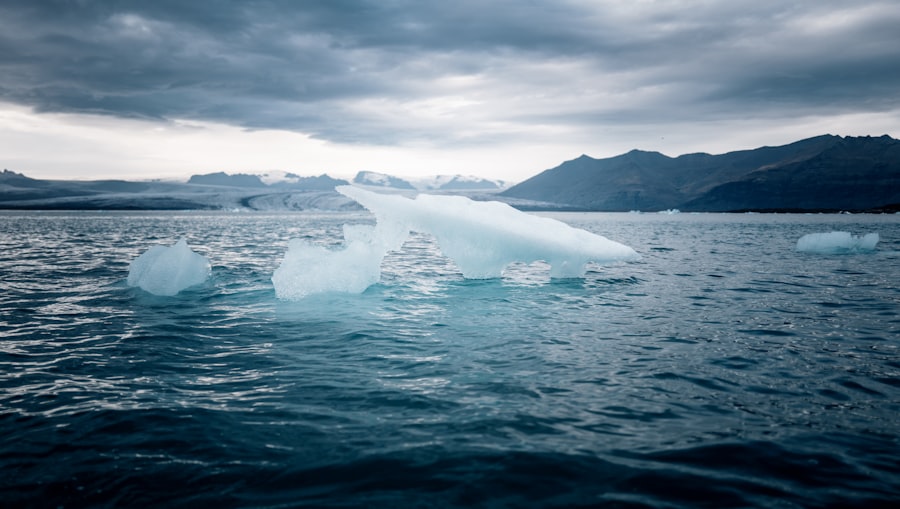
The Arctic Ocean is not immune to the pervasive effects of carbon emissions, enduring a double burden of warming and acidification. This twin assault poses a significant threat to its delicate marine ecosystems.
Absorption of Atmospheric CO2
The world’s oceans act as a massive carbon sink, absorbing approximately 25-30% of the anthropogenic CO2 released into the atmosphere. This absorption process is critical in mitigating the rate of atmospheric warming, but it comes at a significant cost to marine chemistry.
Chemical Reactions Leading to Acidification
When CO2 dissolves in seawater, it forms carbonic acid (H2CO3), which then dissociates into bicarbonate ions (HCO3-) and hydrogen ions (H+). The increase in hydrogen ions lowers the pH of the seawater, making it more acidic. This process is known as ocean acidification. The Arctic Ocean is particularly vulnerable to acidification due to its colder waters, which can absorb more CO2, and the influx of freshwater from melting ice, which can further reduce its buffering capacity.
Impact on Calcifying Organisms
Ocean acidification has a profound impact on marine organisms that rely on calcium carbonate to build their shells and skeletons.
Shell and Skeleton Formation
Many crucial Arctic species, including pteropods (small, free-swimming snails sometimes called “sea butterflies”), bivalves (like clams and mussels), and certain types of plankton, form their shells and skeletons from calcium carbonate. As the ocean becomes more acidic, the availability of carbonate ions decreases, making it harder for these organisms to form and maintain their protective structures. In severe cases, existing shells can even begin to dissolve. Imagine trying to build a brick wall when the very cement keeping the bricks together is slowly dissolving before your eyes.
Disruption of the Food Web
Pteropods, though small, are a vital component of the Arctic food web, serving as a primary food source for a wide range of marine animals, from small fish to whales. The decline of pteropod populations due to acidification could cascade through the entire ecosystem, impacting commercial fisheries and the livelihoods of indigenous communities that depend on these marine resources. The intricate balance of life in the Arctic Ocean is extremely sensitive to these fundamental chemical changes.
Broader Ecological Consequences
Beyond calcifying organisms, ocean acidification can have a myriad of other ecological consequences, although research in the rapidly changing Arctic is ongoing.
Changes in Fish Behavior and Physiology
Studies suggest that increased ocean acidity can affect the behavior, growth rates, and reproductive success of various fish species. For instance, it can impair their sense of smell, making it harder to find food or avoid predators.
Algal Blooms and Ecosystem Shifts
Changes in ocean chemistry can also influence the dynamics of phytoplankton blooms, which form the base of the marine food web. Altered bloom patterns could lead to shifts in species composition and overall ecosystem productivity, further destabilizing an already stressed environment.
The effects of climate change in the Arctic are becoming increasingly alarming, with significant implications for global weather patterns and ecosystems. A recent article highlights how the melting ice is not only affecting local wildlife but also contributing to rising sea levels worldwide. For a deeper understanding of these issues, you can read more about the situation in the Arctic by visiting this insightful piece on climate change impacts here.
Global Socioeconomic and Geopolitical Implications
| Metric | Value/Change | Time Period | Impact Description |
|---|---|---|---|
| Average Arctic Temperature Increase | 3.1°C | Last 50 years | Arctic warming at more than twice the global average, leading to melting ice and permafrost thaw |
| Sea Ice Extent Decline | 13% per decade | Since 1979 | Reduction in summer sea ice area, affecting marine ecosystems and global weather patterns |
| Permafrost Thaw Depth Increase | Up to 70 cm deeper | Last 30 years | Release of greenhouse gases like methane and CO2, contributing to further warming |
| Arctic Ocean Acidification | 30% increase in acidity | Since pre-industrial times | Threatens shell-forming marine species and disrupts food webs |
| Greenland Ice Sheet Mass Loss | 280 billion tons per year | 2010-2020 | Contributes to global sea level rise |
| Arctic Vegetation Shift | Increase in shrub coverage by 25% | Last 40 years | Changes in habitat affecting wildlife and carbon storage |
The transformation of the Arctic is not merely an environmental crisis; it is rapidly morphing into a complex geopolitical and socioeconomic challenge with far-reaching global implications. The melting ice opens new opportunities, but also introduces new risks and contentious issues.
Emerging Shipping Routes
The most immediate and tangible socioeconomic consequence of Arctic ice melt is the opening of new shipping routes. The Northern Sea Route (NSR) along Russia’s Arctic coast, and potentially the Northwest Passage (NWP) through the Canadian Arctic Archipelago, offer considerably shorter transit times between Europe and Asia compared to traditional routes through the Suez and Panama Canals.
Economic Benefits and Risks
These shorter routes promise significant economic benefits, including reduced fuel consumption, lower operational costs, and faster delivery times for international trade. This could revolutionize global logistics and trade patterns. However, these routes are still challenging, requiring specialized ice-strengthened vessels and extensive logistical support. The environmental risks, including potential oil spills in pristine and vulnerable areas, are immense and warrant careful consideration. The prospect of increased shipping in these fragile waters is a double-edged sword: a pathway to economic gain but also a highway for environmental catastrophe.
Geopolitical Competition
The opening of these routes has naturally intensified geopolitical competition among Arctic and non-Arctic states. Russia actively promotes the NSR and is investing heavily in Arctic infrastructure. Other nations, including China, are also showing increasing interest in Arctic shipping and resource extraction, viewing themselves as “near-Arctic states.” This competition raises questions about maritime law, sovereignty, and the potential for increased military presence in the region.
Access to Natural Resources
The Arctic is endowed with vast, largely untapped natural resources, including significant reserves of oil, natural gas, and various minerals. As the ice recedes, these resources become more accessible.
Fossil Fuel Extraction
Estimates suggest that the Arctic holds a substantial portion of the world’s undiscovered oil and gas reserves. The increasing accessibility of these resources presents a dilemma: exploiting them could further exacerbate climate change, while the economic allure is powerful for nations seeking energy security and revenue. This creates a direct conflict between short-term economic gains and long-term environmental sustainability.
Mineral Exploration
Beyond fossil fuels, the Arctic also contains rich deposits of minerals like iron, nickel, platinum, and rare earth elements, which are crucial for advanced technologies. The prospect of mining these resources adds another layer of complexity to the region’s development, raising concerns about environmental impact and the rights of indigenous communities.
Increased Tourism and Scientific Research
The changing Arctic is also attracting increased tourism and scientific research.
Ecotourism and its Challenges
Arctic tourism, particularly cruise ship voyages, is on the rise. While offering opportunities for cultural exchange and economic benefits to local communities, it also poses environmental risks, including pollution, disturbance to wildlife, and the challenges of managing waste in remote areas. Balancing economic opportunity with environmental protection is a delicate act.
Intensified Scientific Endeavors
The rapidly changing Arctic has become a focal point for international scientific research, aiming to better understand the ongoing processes and predict future impacts. This research is crucial for informing policy decisions and developing adaptation strategies.
In conclusion, the Arctic is not a distant, isolated realm but a foundational component of Earth’s interconnected systems. The changes unfolding there—accelerated warming, ice loss, permafrost thaw, ocean acidification—are generating cascading effects that ripple across continents, altering weather patterns, impacting vital ocean currents, releasing ancient carbon stores, and challenging the very fabric of indigenous cultures. The consequences extend far beyond the polar circle, influencing global sea levels, economic trade routes, and geopolitical stability. Understanding and addressing the challenges in the Arctic is not merely an environmental imperative; it is a fundamental requirement for the health and stability of our entire planet. The Arctic serves as a stark reminder of our collective responsibility to mitigate climate change, for its fate is inextricably linked to our own.
FAQs
What is causing climate change in the Arctic?
Climate change in the Arctic is primarily caused by the increase in greenhouse gas emissions, such as carbon dioxide and methane, from human activities like burning fossil fuels, deforestation, and industrial processes. These gases trap heat in the atmosphere, leading to rising temperatures globally, with the Arctic warming at about twice the rate of the rest of the planet.
How is Arctic climate change affecting sea ice?
Arctic climate change is causing a significant reduction in sea ice extent and thickness. Warmer temperatures lead to earlier melting in the spring and later formation in the fall, resulting in longer ice-free periods. This loss of sea ice impacts local ecosystems, indigenous communities, and global climate patterns.
What are the ecological impacts of Arctic warming?
Warming in the Arctic affects wildlife by altering habitats and food availability. Species such as polar bears, seals, and walruses depend on sea ice for hunting and breeding. Changes in ice cover and temperature also affect fish populations and migratory patterns, disrupting the entire Arctic food web.
How does Arctic climate change influence global weather?
The Arctic plays a crucial role in regulating the Earth’s climate. Melting ice reduces the Earth’s albedo (reflectivity), causing more solar energy to be absorbed and further warming. Additionally, changes in Arctic temperatures can disrupt the jet stream, leading to more extreme weather events such as cold spells, heatwaves, and storms in mid-latitude regions.
What are the potential consequences for indigenous communities in the Arctic?
Indigenous communities in the Arctic face challenges due to climate change, including threats to traditional hunting and fishing practices, damage to infrastructure from thawing permafrost, and increased risks from coastal erosion and extreme weather. These changes impact their cultural heritage, food security, and overall well-being.