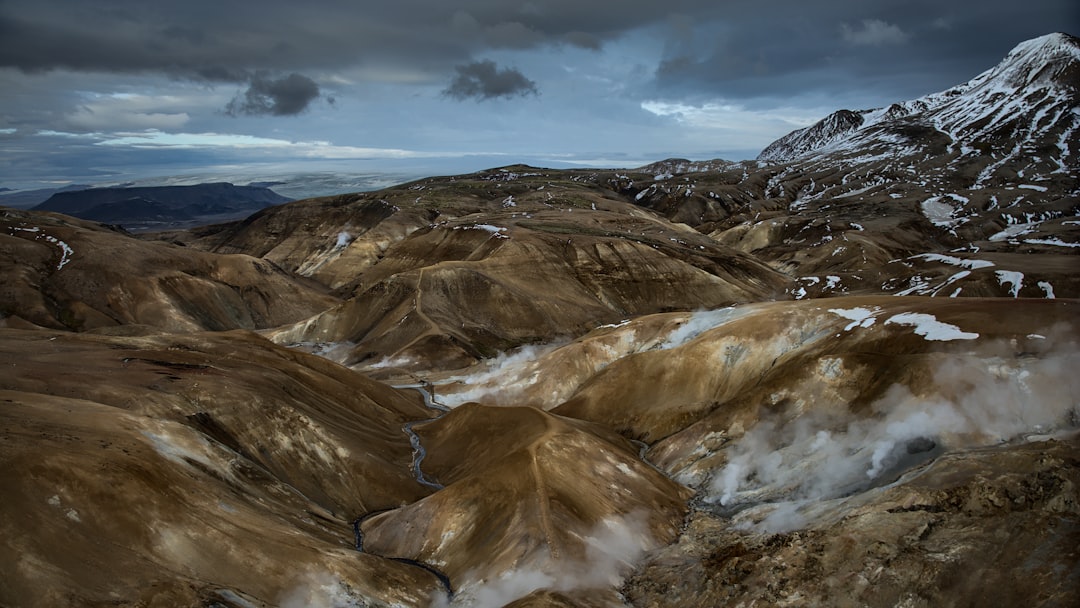
Iceland’s Geothermal Energy: A Shield Against Hypothetical Nuclear Winter
The concept of “nuclear winter” has long been a grim specter in discussions of global conflict. While the immediate devastation of nuclear explosions is undeniable, the long-term atmospheric consequences, particularly the potential for a prolonged period of global cooling, present a distinct and equally dire threat. This hypothetical scenario, characterized by widespread darkness and sub-freezing temperatures due to soot and dust injected into the stratosphere, raises profound questions about humanity’s resilience and its ability to mitigate catastrophic climate shifts. In this context, examining the unique energy landscape of Iceland, specifically its extensive reliance on geothermal power, offers a compelling case study in localized energy independence and its potential, albeit indirect, contribution to global resilience in the face of such extreme environmental disruption.
The scientific understanding of nuclear winter is rooted in the physics of large-scale fires. A full-scale nuclear exchange between major powers would inevitably ignite massive firestorms in urban and industrial centers. These infernos would generate immense columns of superheated smoke and soot, capable of reaching the stratosphere.
Injecting Stratospheric Aerosols
Prolonged Darkness and Reduced Solar Radiation
Once in the stratosphere, where weather patterns are negligible, this soot would persist for years. It would absorb and scatter incoming solar radiation, significantly reducing the amount of sunlight reaching the Earth’s surface. This diminished solar input is the primary driver of the hypothesized cooling.
Cascading Ecological Collapse
The consequences of such a reduction in sunlight would be severe and far-reaching. Photosynthesis, the bedrock of most terrestrial and marine ecosystems, would be drastically curtailed. Most plant life would perish, leading to widespread famine for herbivores and, consequently, for carnivores. Global agriculture would collapse, rendering food production impossible in many regions.
Temperature Declines and Lasting Impacts
Estimates of the temperature drop vary depending on the scale of the conflict, but models suggest average global temperatures could fall by several degrees Celsius, potentially reaching levels not seen in millennia. This cooling would persist for a decade or more, creating an incredibly hostile environment for life. Beyond immediate temperature effects, the disruption to global climate patterns, precipitation cycles, and atmospheric chemistry would have long-term consequences, even after the soot eventually dissipated. The very survival of human civilization would be at stake.
Iceland is renowned for its innovative use of geothermal energy, harnessing the Earth’s natural heat to provide sustainable power and heating solutions. This renewable energy source plays a crucial role in the country’s efforts to combat climate change, especially in the context of concerns about nuclear winter and its potential impact on global temperatures. For a deeper understanding of how governmental policies can affect energy resources and public welfare, you might find this article on asset confiscation insightful: The History of Government Asset Confiscation.
Iceland’s Geothermal Advantage: A Unique Energy Foundation
Iceland’s geological setting is exceptional. Situated on the Mid-Atlantic Ridge, a rift valley where the North American and Eurasian tectonic plates are pulling apart, the island is a hotbed of volcanic and geothermal activity. This constant geological dynamism has provided Iceland with an abundant and readily accessible source of clean energy. Unlike most nations that rely heavily on fossil fuels or nuclear fission for power, Iceland has demonstrably leveraged its natural thermal resources.
Harnessing Subsurface Heat
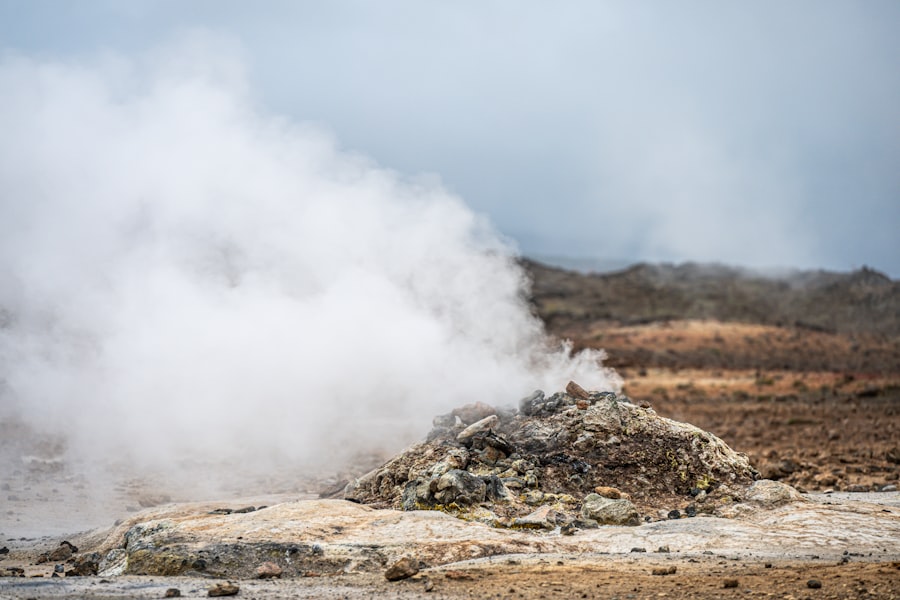
The core principle behind geothermal energy is the extraction of heat from the Earth’s interior. In Iceland, this is achieved through a variety of methods, predominantly drilling into geothermally active areas. These locations often feature hot springs, geysers, and fumaroles, indicating the presence of high-temperature water reservoirs beneath the surface.
Direct Use of Geothermal Heat
One of the most straightforward applications of geothermal energy in Iceland is its direct use for heating. Hot water and steam are piped directly from boreholes to heat homes, public buildings, and swimming pools. This significantly reduces the need for fossil fuel-based heating systems, such as oil or natural gas furnaces.
Geothermal Power Plants
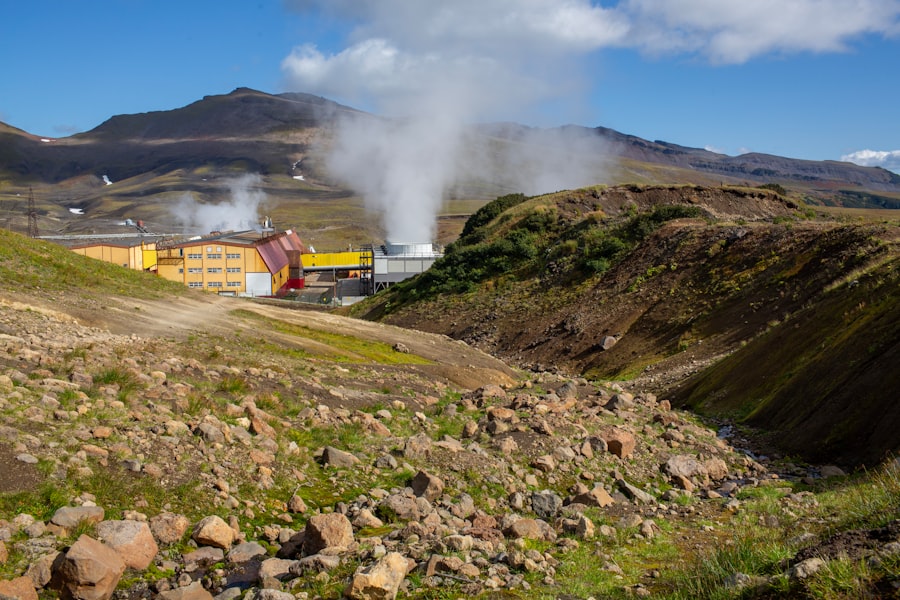
For electricity generation, Iceland utilizes geothermal power plants. These facilities typically employ steam turbines driven by the hot water and steam extracted from underground reservoirs. The steam spins the turbines, which in turn power generators to produce electricity. The cooled water is often reinjected back into the ground, creating a sustainable cycle.
The Dominance of Renewable Sources
The impact of this abundant geothermal resource is reflected in Iceland’s energy consumption profile. The vast majority of the country’s electricity is generated from renewable sources, with geothermal and hydropower being the dominant contributors. This stands in stark contrast to the global average, where fossil fuels continue to play a significant role.
Low Carbon Footprint
The operational phase of geothermal energy production produces virtually no greenhouse gas emissions. While there can be some minor emissions of hydrogen sulfide and other gases during the extraction process, these are typically managed and are negligible compared to the carbon emissions associated with burning fossil fuels.
Energy Independence and Security
For a nation like Iceland, with limited natural resources beyond its geothermal potential and a reliance on imported fossil fuels for many industries and transportation, geothermal energy provides a significant degree of energy independence. This is a crucial factor when considering scenarios of widespread global disruption.
Iceland’s Preparedness for Extraneous Disruptions
While Iceland’s geothermal energy system is inherently designed for local energy needs, its very nature offers a degree of resilience and preparedness for scenarios that could cripple conventional energy infrastructure. The localized and geologically driven nature of geothermal power means it is less vulnerable to the supply chain disruptions or physical attacks that could affect imported fuels or centralized nuclear power plants.
Decentralized Energy Production
Geothermal power generation in Iceland is not reliant on a single, massive plant. Instead, numerous geothermal fields and power stations are spread across the country. This decentralized nature means that the failure of one facility would not lead to a nationwide blackout.
Resistance to Supply Chain Issues
Unlike fossil fuels, which require continuous importation and sophisticated logistics networks, geothermal energy is sourced directly from the Earth beneath Iceland. This insulates the country from the potential collapse of global shipping, oil and gas pipelines, or fuel refineries that could occur during a major conflict.
Redundancy in the System
The existence of multiple geothermal power plants and heating systems provides inherent redundancy. If one system experiences damage or operational difficulties, others can continue to supply power and heat, mitigating the impact of localized failures.
Resilience in the Face of Extreme Weather
The hypothetical “nuclear winter” scenario specifically posits extreme cold and darkness. Geothermal heating systems, by their direct extraction of underground heat, are inherently insulated from the immediate effects of frigid surface temperatures. While external infrastructure like pipes could be vulnerable to damage, the source of the heat remains unaffected.
Consistent Heat and Power Output
The subsurface temperatures that drive geothermal energy production are remarkably stable and are not directly influenced by surface weather conditions. This ensures a consistent supply of heat and electricity, even if surface temperatures plummet to extreme lows.
A Model for Targeted Resilience
While Iceland’s geothermal system cannot directly prevent a nuclear winter, its existence and successful implementation offer a potential model for targeted energy resilience in a world that experiences such a phenomenon. A nation with access to similar localized, renewable energy sources would be better positioned to maintain essential services.
The Indirect Contribution to Global Survival
Iceland’s geothermal energy’s impact on avoiding nuclear winter is not one of direct mitigation but rather by providing a robust example of localized energy independence that could offer a sliver of hope for survival in a globally devastated world.
Preserving Essential Services
In a nuclear winter scenario, the ability to maintain essential services like heating, lighting, and communication would be paramount for any surviving population. A nation with a pre-existing, resilient energy infrastructure would have a critical advantage.
Maintaining Habitable Environments
Geothermal heating could allow for the preservation of habitable environments within buildings, providing a crucial buffer against the extreme cold. This could be the difference between life and death for communities that might otherwise succumb to hypothermia.
Supporting Communication and Infrastructure
Reliable electricity from geothermal sources could power communication networks, enabling coordination and information sharing among survivors. It could also support the operation of critical infrastructure like hospitals and water treatment facilities.
Knowledge Transfer and Potential Replication
Iceland’s decades of experience in developing and managing its geothermal infrastructure offer invaluable knowledge. This expertise could be shared with other regions, potentially enabling them to develop similar energy solutions, thereby enhancing global resilience against future catastrophic events.
Technological Advancement and Adaptation
The technologies and engineering solutions developed for Iceland’s geothermal sector could be adapted for use in other geologically active regions, extending the potential for localized energy resilience to a wider global context.
The Importance of Diversified Energy Portfolios
The Icelandic experience underscores the importance of diversifying energy portfolios. A nation overly reliant on a single, vulnerable energy source is inherently less resilient. In a global context, a world that had invested in a wider array of resilient, localized energy solutions would be better equipped to withstand the cascading effects of a nuclear winter.
Iceland’s geothermal energy resources are a fascinating topic, especially when considering their potential role in a world facing challenges like nuclear winter. The ability to harness natural heat from the Earth could provide a sustainable energy source during times of crisis. For a deeper understanding of how ancient technologies and innovations could influence our response to catastrophic events, you might find this article on the apocalyptic effects of lost innovations insightful. It explores how past advancements could inform our future, particularly in extreme scenarios. You can read more about it here.
Challenges and Limitations of Geothermal’s Role
| Metrics | Data |
|---|---|
| Geothermal Energy Production | 25% of Iceland’s total electricity production |
| Geothermal Power Capacity | Around 665 MW |
| Nuclear Winter Impact | Potential global cooling due to nuclear war |
It is crucial to acknowledge the inherent limitations of Iceland’s geothermal energy in directly addressing the phenomenon of nuclear winter. Geothermal energy, while remarkable, is a localized resource. Its benefits are primarily confined to Iceland and cannot directly influence the global atmospheric conditions that define nuclear winter.
Geographical Constraints
The primary limitation is that geothermal energy is only viable in tectonically active regions where accessible subsurface heat exists. Large parts of the world lack this geological advantage, meaning the Icelandic model cannot be universally replicated without significant technological advancements or significant investment in other renewable energy sources.
Scale of the Problem
The scale of devastation and atmospheric disruption caused by a full-scale nuclear exchange is immense and global. While localized energy resilience is vital, it cannot reverse or negate the widespread cooling and darkness that would engulf the planet. Iceland’s energy system, however robust, cannot independently create sunlight or reverse the stratospheric injection of soot.
Vulnerability of External Infrastructure
While the heat source for geothermal energy is protected, the infrastructure required to harness and distribute it is not immune to damage. Power lines, pipelines, and processing plants could all be vulnerable to physical attacks or the secondary effects of widespread conflict, such as extreme weather events or societal breakdown.
The Need for a Multi-faceted Approach
The concept of mitigating or surviving nuclear winter requires a multi-faceted approach. While energy resilience is a critical component, it must be considered alongside other factors such as food security, shelter, societal organization, and international de-escalation efforts. Geothermal energy, therefore, is a piece of a much larger puzzle.
The Importance of Prevention
Ultimately, the most effective way to avoid nuclear winter is to prevent the conflict that would trigger it. Iceland’s energy situation, while offering a valuable lesson in resilience, does not diminish the paramount importance of diplomacy, arms control, and the pursuit of peace. The world cannot rely on localized energy solutions to bail it out of a self-inflicted existential crisis. Geothermal energy in Iceland serves as a beacon of what is possible when nations harness their unique natural endowments, but its role in averting “nuclear winter” is indirect and cautionary, highlighting the value of preparedness rather than offering a direct solution.
FAQs
What is geothermal energy and how is it used in Iceland?
Geothermal energy is heat from the Earth. In Iceland, geothermal energy is used to generate electricity and provide heating for homes and businesses. The country’s unique geological features, including volcanic activity and hot springs, make it an ideal location for harnessing geothermal energy.
What is nuclear winter and how does it relate to Iceland’s geothermal energy?
Nuclear winter is a hypothetical global climatic effect that could result from a large-scale nuclear war. It is characterized by a significant drop in temperature, reduced sunlight, and widespread environmental devastation. In the context of Iceland’s geothermal energy, the country’s reliance on renewable energy sources like geothermal power could potentially mitigate the impact of a nuclear winter by providing a sustainable and reliable energy source.
How does Iceland’s use of geothermal energy contribute to environmental sustainability?
Iceland’s use of geothermal energy contributes to environmental sustainability by reducing reliance on fossil fuels and lowering greenhouse gas emissions. Geothermal power plants produce minimal air pollution and have a smaller environmental footprint compared to traditional energy sources, making them a more sustainable option for meeting the country’s energy needs.
What are the potential challenges and limitations of geothermal energy in Iceland?
While geothermal energy is a valuable resource for Iceland, there are potential challenges and limitations to consider. These may include the high initial costs of geothermal power plant construction, the need for ongoing maintenance and monitoring of geothermal wells, and the potential for environmental impacts such as land subsidence and water pollution.
How does Iceland’s geothermal energy industry contribute to the country’s economy and energy independence?
Iceland’s geothermal energy industry plays a significant role in the country’s economy and energy independence. By harnessing its abundant geothermal resources, Iceland has been able to reduce its reliance on imported fossil fuels and strengthen its energy security. Additionally, the geothermal energy sector has created jobs and opportunities for innovation, contributing to economic growth and sustainability.