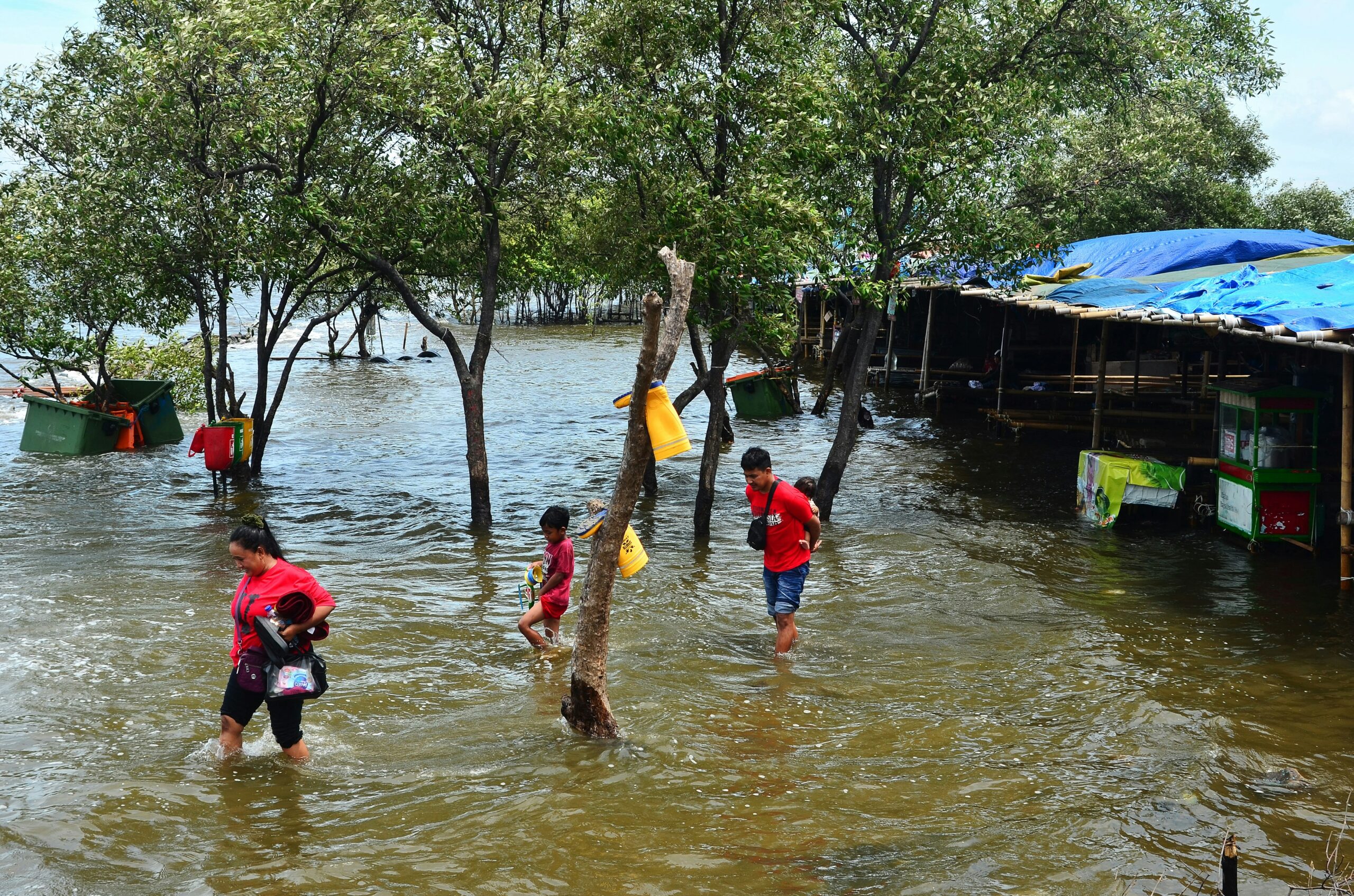
The planet, as we know it today, is a mere echo of its past, sculpted by colossal forces over unimaginable timescales. Among these, the ebb and flow of ice sheets and the subsequent radical alteration of sea levels represent one of the most profound transformations Earth has undergone. Following the last glacial maximum, a period known as the Pleistocene Epoch when vast swathes of the continents were entombed in ice, a dramatic and continuous rise in global sea levels commenced. This post-glacial sea level rise was not a gentle incline but a surging tide, reshaping coastlines, creating new geographies, and profoundly impacting the nascent human populations that were beginning to populate the planet. Understanding this ancient, yet remarkably relevant, phenomenon is crucial for comprehending Earth’s climate system and the enduring consequences of climatic shifts.
The end of the last Ice Age, roughly 11,700 years ago, marked a pivotal turning point in Earth’s history. The immense ice sheets, some kilometers thick, that had dominated much of North America and Eurasia began their inexorable retreat. This melting process, driven by a complex interplay of factors, was the primary engine behind the subsequent inundation of vast terrestrial areas.
Earth’s Orbital Variations and Insolation Changes
The bedrock of the Ice Age’s end lies in the subtle, yet significant, variations in Earth’s orbit around the Sun, known as Milankovitch cycles.
Milankovitch Cycles: The Long-Term Climate Drivers
These cycles, operating over tens of thousands of years, include changes in:
- Eccentricity: The shape of Earth’s orbit, which varies between being nearly circular and more elliptical. A more elliptical orbit leads to greater variation in the amount of solar radiation received at different points in the year.
- Axial Tilt (Obliquity): The angle of Earth’s rotational axis relative to its orbital plane. A greater tilt leads to more extreme seasonal differences in higher latitudes.
- Axial Precession: The wobbling of Earth’s axis, which affects the timing of solstices and equinoxes relative to the planet’s position in its orbit.
During the deglaciation period, these orbital configurations aligned in a way that increased the amount of solar radiation reaching the Northern Hemisphere, particularly during summer. This enhanced insolation initiated the melting of the pre-existing ice sheets, setting in motion a feedback loop of warming and further melting.
Thermal Expansion of Ocean Water
As the atmosphere warmed, the oceans, vast reservoirs of heat, also began to absorb energy. This absorption led to a significant phenomenon known as thermal expansion.
The Physics of Thermal Expansion
Water, like most substances, expands when heated. Even a small increase in temperature across the immense volume of the oceans results in a substantial increase in their overall volume, contributing directly to sea level rise. This effect was particularly pronounced as the surface waters warmed and circulated, distributing heat throughout the ocean.
Isostatic Rebound and Glacial Isostatic Adjustment (GIA)
The sheer weight of the massive ice sheets had a profound impact on the Earth’s crust. For millennia, these continental glaciers pressed down on the lithosphere, causing it to bend and subside.
The Sinking Crust Beneath the Ice
Imagine placing a heavy book on a soft mattress; the mattress indents. Similarly, the Earth’s crust beneath the ice sheets experienced a process of subsidence. This depression was not uniform, with the thickest ice leading to the most significant sinking.
When the ice began to melt, this weight was removed. The crust, now unloaded, began to slowly rebound, or rise, back to its original, or even higher, position. This process, known as Glacial Isostatic Adjustment (GIA), is a crucial factor in understanding regional sea level changes. In areas that were once heavily glaciated, the land is still rising, effectively counteracting some of the global sea level rise in those specific locations. Conversely, areas far from the ice sheets, which were pushed upwards by the displacement of the crust, are now subsiding as the surrounding glaciated regions rebound, exacerbating local sea level rise in those peripheral areas. This creates a complex mosaic of relative sea level change across the globe.
The phenomenon of sea level rise after the Ice Age has been a critical area of study for understanding past climate changes and their impacts on human civilizations. A related article that delves into the broader implications of ancient environmental changes is available at this link: Uncovering Ancient Secrets of Wind Harvesting. This article explores how ancient societies adapted to shifting climates and resource availability, shedding light on the interconnectedness of environmental changes and human innovation.
The Cascading Consequences: Coastal Transformations
The relentless rise of the oceans following the Ice Age instigated a radical reshaping of Earth’s coastlines, transforming landscapes and fundamentally altering the habitability of vast regions.
Submergence of Landmasses and Megacontinents
The most dramatic and immediate impact of sea level rise was the inundation of low-lying coastal areas and continental shelves. What were once dry lands became submerged underwater.
The Birth of Islands and Inland Seas
Vast plains that had once been accessible to terrestrial life, including early humans, were drowned. This led to the isolation of landmasses, the creation of new islands, and the formation of extensive inland seas. The submergence of the Bering Land Bridge, for instance, is a prime example of how sea level rise severed connections between continents, impacting the dispersal of flora and fauna, and influencing human migration patterns.
Formation of Estuaries and Wetlands
As the sea advanced inland, it interacted with river systems, leading to the formation of new estuaries and the expansion of existing ones. These transitional zones, where freshwater meets saltwater, became dynamic and ecologically rich environments, characterized by tidal marshes, mangrove forests, and diverse marine and terrestrial life. These newly formed wetlands provided new habitats and resources for both wildlife and early human communities.
Changes in River Systems and Drainage Basins
The rising sea level exerted a powerful influence on the flow and drainage of rivers. The mouths of rivers were pushed further inland, and their gradients were reduced.
Coastal Flooding and Inland Erosion
As the sea level rose, it pushed upstream into river valleys, causing increased flooding in coastal and lower-lying inland areas. This influx of saltwater could also impact freshwater ecosystems and agricultural lands. Conversely, the reduced gradient in the lower reaches of rivers could lead to increased sediment deposition, while higher gradients further inland might experience increased erosion due to altered flow dynamics.
Formation of Submerged Valleys and Fjords
The erosive power of glaciers during the Ice Age carved deep valleys. As sea levels rose, these valleys were flooded, forming the majestic fjords seen in Norway, Greenland, and North America. Similarly, pre-existing river valleys that were submerged also played a role in shaping submerged topography.
Shifting Ecosystems: Life Adapts to a Watery World

The dramatic alteration of coastlines and the expansion of the marine realm had profound effects on terrestrial and marine ecosystems alike. Life, ever resilient, adapted to these new conditions, leading to evolutionary shifts and the development of new ecological niches.
Terrestrial to Marine Transitions
Areas that were once terrestrial habitats became marine environments, forcing terrestrial species to adapt, migrate, or face extinction.
Colonization of the Submerged Shelf
The vast continental shelf areas, exposed during the Ice Age, became submerged. These areas, rich in nutrients and offering new seafloor habitats, were rapidly colonized by marine life. This led to a significant expansion of shallow-water marine ecosystems.
Impact on Terrestrial Fauna
Terrestrial mammals that were unable to migrate inland or adapt to island life faced severe challenges. Species with limited mobility or specialized habitat requirements were particularly vulnerable. The fragmentation of habitats due to the rising sea also contributed to the isolation and genetic differentiation of populations.
Marine Ecosystem Restructuring
The increased volume of the oceans and the expansion of shallower waters led to a restructuring of marine ecosystems.
New Habitats for Marine Life
The creation of new shallow-water environments, including vast expanses of seabed and the formation of estuaries and coastal wetlands, provided new habitats for a multitude of marine organisms. This led to shifts in species distribution and abundance.
Changes in Ocean Circulation and Productivity
The influx of freshwater from melting ice sheets and the changes in continental configuration influenced ocean circulation patterns. These alterations could affect the distribution of nutrients and oxygen, impacting marine productivity and the distribution of fisheries.
Human Migrations and the Rise of Coastal Societies
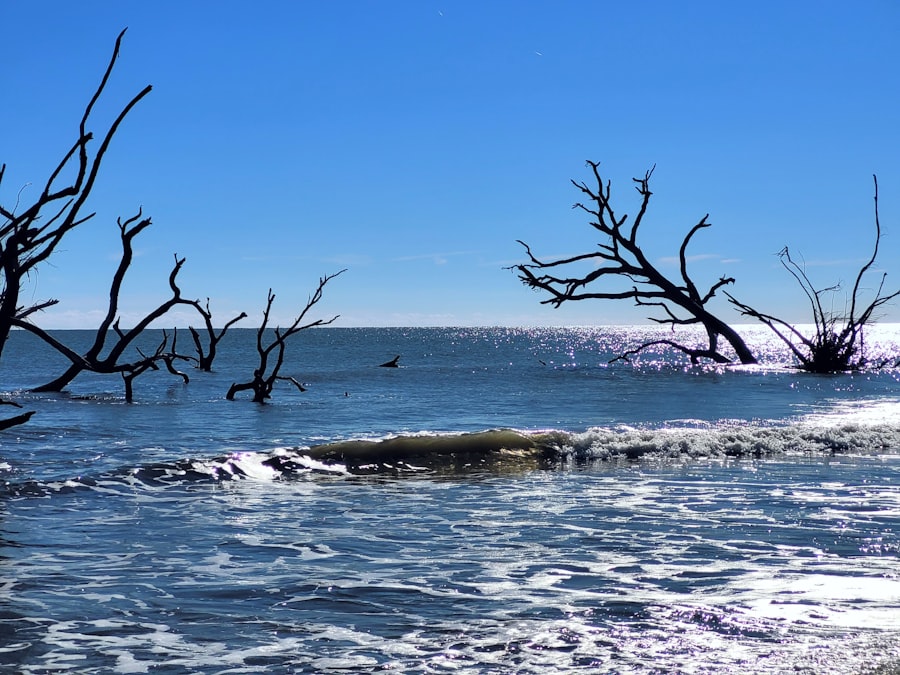
For early human populations, the post-glacial sea level rise was a force that dramatically shaped their movements, their settlements, and their cultural development. The submergence of land bridges and the inundation of familiar territories presented both challenges and new opportunities.
The End of Land Bridges and Fragmented Populations
The most significant impact on human migration was the severing of land bridges, most notably the Bering Land Bridge.
Isolation of Continents and Islands
The drowning of the Bering Land Bridge effectively separated Asia from North America, ending the continuous flow of migration between the continents. This isolation allowed for distinct evolutionary paths for flora, fauna, and human populations in the Americas. Similarly, the formation of islands created isolated refuges, influencing the development of unique cultures and genetic lineages.
Forced Inland Migration and Adaptation
Coastal populations were forced to retreat inland, often into more challenging or less familiar territories. This migration likely led to increased competition for resources and the need to adapt to new environments and subsistence strategies.
Exploitation of New Coastal Resources
While the rising seas led to the loss of some territories, they also created new opportunities for human exploitation.
The Rise of Maritime Foraging
The formation of extensive coastlines, estuaries, and tidal zones provided abundant new resources for coastal communities. These included rich fishing grounds, shellfish beds, and abundant waterfowl. The development of maritime technologies and foraging strategies became increasingly important for survival and prosperity.
Early Coastal Settlements and Trade
Evidence suggests that early human societies became increasingly reliant on coastal resources. The development of sophisticated fishing techniques, boat building, and the exploitation of marine mammals allowed for the establishment of more sedentary lifestyles and the growth of coastal settlements. These settlements, often strategically located near abundant food sources, became centers of trade and cultural exchange.
The “Lost Worlds” of the Continental Shelves
Much of the evidence of early human life and activity in these submergent coastal zones has been lost to the sea.
Submerged Archaeological Sites
Vast areas of the continental shelves, which were once dry land and likely inhabited by early humans, are now underwater. These submerged landscapes hold the potential for invaluable archaeological discoveries, shedding light on prehistoric human behavior, settlement patterns, and technology. The challenge lies in the significant technological and financial hurdles involved in exploring and excavating these submerged sites.
The Mystery of Lost Civilizations
The submersion of coastal areas has fueled speculation about “lost worlds” and civilizations that may have existed before being inundated. While much of this remains in the realm of myth, the scientific reality of submerged landscapes holds tangible clues to our prehistoric past.
The phenomenon of sea level rise after the Ice Age has been a critical area of study for understanding climate change and its long-term impacts on coastal ecosystems. Researchers have uncovered how the melting of glaciers and ice sheets contributed to significant changes in sea levels, reshaping coastlines and influencing human settlements. For a deeper insight into the implications of historical climate events, you might find this article on the Trading with the Enemy Act particularly interesting, as it discusses how economic policies can be affected by environmental changes. You can read more about it here.
Lessons for the Present: Understanding Present-Day Sea Level Rise
| Location | Sea Level Rise (meters) | Time Period |
|---|---|---|
| North America | 120 | 20,000 years ago |
| Europe | 100 | 20,000 years ago |
| Asia | 130 | 20,000 years ago |
| Australia | 80 | 20,000 years ago |
The profound impacts of post-glacial sea level rise serve as a stark reminder of Earth’s dynamic nature and the significant consequences of climatic change. Today, humanity faces a renewed challenge of rising sea levels, driven by anthropogenic global warming, which carries echoes of the past but also presents unique and potentially more rapid threats.
The Acceleration of Present-Day Sea Level Rise
While the post-glacial melt was a natural process that occurred over millennia, current sea level rise is occurring at an unprecedented pace.
Anthropogenic Global Warming as the Primary Driver
The overwhelming scientific consensus points to the burning of fossil fuels and subsequent greenhouse gas emissions as the primary driver of contemporary global warming. This warming is leading to the accelerated melting of glaciers and ice sheets, as well as the thermal expansion of ocean water, at rates far exceeding those of the natural deglaciation period.
Comparison with Post-Glacial Rates
The rates of sea level rise observed in recent decades are significantly higher than the average rates during the last deglaciation. This acceleration poses a more immediate and severe threat to coastal communities and ecosystems.
Vulnerability of Modern Coastal Cities and Populations
The economic and social consequences of modern sea level rise are immense.
Threat to Infrastructure and Habitats
Hundreds of millions of people live in low-lying coastal areas. Modern sea level rise threatens vital infrastructure, including homes, businesses, transportation networks, and agricultural lands. Coastal ecosystems, such as coral reefs and mangrove forests, which provide natural defenses against storm surges, are also under immense pressure and are at risk of being lost.
Climate Refugees and Geopolitical Instability
The displacement of populations due to sea level rise and related extreme weather events could lead to mass migrations, creating a new category of “climate refugees.” This could strain resources, exacerbate social inequalities, and potentially lead to geopolitical instability.
The Importance of Paleoclimate Data
Studying past sea level changes, such as those that occurred after the Ice Age, provides invaluable data for understanding the Earth’s climate system and predicting future scenarios.
Refining Climate Models
Paleoclimate records, including geological evidence of past sea levels, help scientists calibrate and refine their climate models. By understanding how Earth responded to past warming events and changes in ice volume, scientists can improve their projections of future sea level rise and its impacts.
Informing Adaptation and Mitigation Strategies
The lessons learned from past inundations and the resilience of life in a dynamic environment can inform current adaptation strategies. Understanding the geological processes involved in sea level change, such as isostatic adjustment, is crucial for accurate local projections. Moreover, the long-term perspective offered by studying past events underscores the urgent need for global mitigation efforts to reduce greenhouse gas emissions and limit the extent of future warming.
In conclusion, the impact of sea level rise post-Ice Age was a transformative chapter in Earth’s history, a testament to the planet’s ceaseless evolution. The vast geological shifts, the dramatic reshaping of coastlines, the adaptations of ecosystems, and the profound influence on early human societies all highlight the interconnectedness of Earth’s systems. As we grapple with the challenges of present-day sea level rise, the echoes of this ancient, yet potent, environmental upheaval offer both cautionary tales and crucial insights, reminding us of our planet’s capacity for change and the enduring imperative to understand and respect its forces.

When the Ice Age Ended… Everything Changed
FAQs
What is sea level rise after the Ice Age?
Sea level rise after the Ice Age refers to the gradual increase in the average global sea level following the last glacial period, which ended approximately 11,700 years ago.
What caused sea level rise after the Ice Age?
The primary causes of sea level rise after the Ice Age include the melting of large ice sheets and glaciers, as well as the thermal expansion of seawater due to rising global temperatures.
How much has the sea level risen since the Ice Age?
Since the end of the last Ice Age, the global sea level has risen by approximately 120 meters (394 feet) as a result of melting ice and thermal expansion.
What are the impacts of sea level rise after the Ice Age?
Sea level rise after the Ice Age has led to coastal erosion, increased flooding, loss of habitat for coastal species, and the displacement of human populations living in low-lying areas.
What are the projections for future sea level rise?
According to scientific studies, global sea levels are projected to continue rising in the future, with estimates ranging from 0.3 to 2.5 meters (1 to 8 feet) by the year 2100, depending on various factors such as greenhouse gas emissions and ice sheet dynamics.