- The Ripple Effect: How Supply Chain Disruptions Shake Urban Economic Foundations
The intricate web of modern commerce, particularly as it pertains to urban economies, is astonishingly reliant on the smooth, predictable flow of goods and services. When this flow falters, the consequences are far-reaching and can profoundly destabilize the very foundations of city life. As the Listicle Content Architect, I’ve observed how even seemingly minor disruptions in global or regional supply chains can trigger cascading effects, impacting everything from consumer prices to employment rates to the long-term viability of businesses. Urban centers, with their high population densities and concentrated economic activity, often serve as both major consumption hubs and crucial distribution nodes, making them particularly vulnerable to these shocks. These disruptions aren’t abstract economic theories; they manifest as tangible challenges felt by residents and businesses alike, requiring a nuanced understanding of their multifaceted impact.
1.1. Defining the Urban Supply Chain Ecosystem
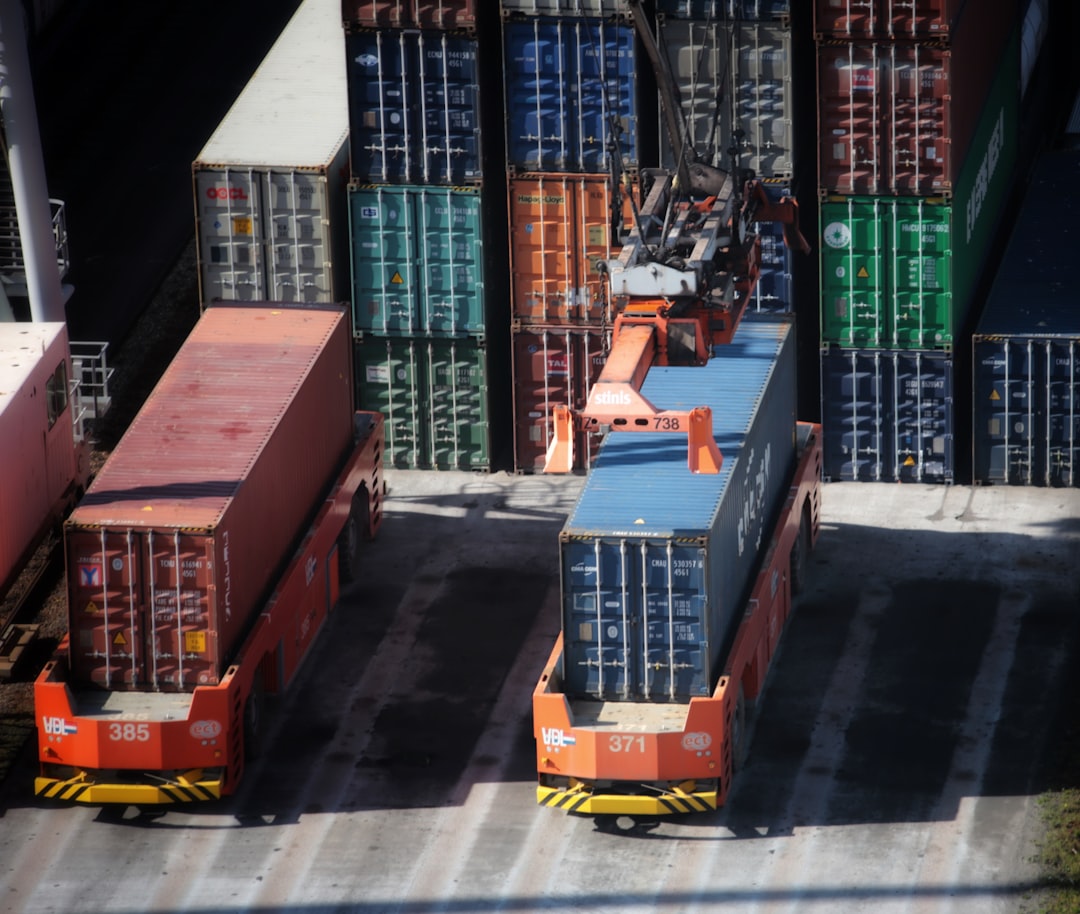
An urban supply chain is not a monolithic entity but a complex, interconnected ecosystem. It encompasses the inbound flow of raw materials and components for local manufacturing and businesses, the outbound movement of finished goods to regional and international markets, and the internal distribution networks that keep urban retailers stocked and consumers supplied. This ecosystem includes a vast array of actors: manufacturers, wholesalers, distributors, logistics providers (trucking, rail, air, sea), warehousing facilities, ports, airports, and finally, the retail outlets and service providers that directly interact with consumers. Each of these components is a potential vulnerability. For example, a port congestion in a distant nation can mean empty shelves for electronics in a city thousands of miles away. Similarly, a trucking shortage can hamper the delivery of fresh produce to a city’s grocery stores and restaurants.
1.2. The Centrality of Urban Economies
Urban economies are disproportionately important to national and global economic output. They are centers of innovation, finance, culture, and substantial consumer demand. Their infrastructure, including transportation networks and warehousing, is designed for high throughput and efficiency. This efficiency, however, relies on predictable movement. When that predictability is lost, the sheer volume of economic activity concentrated in cities means that disruptions can have an amplified and more immediate impact compared to less densely populated areas. Think of a major city’s reliance on specific imported goods for its diverse culinary scene or its manufacturing sector’s dependence on specialized components.
1.3. Identifying Key Vulnerabilities
Several factors make urban supply chains especially susceptible. Firstly, their reliance on global and long-distance sourcing means they are exposed to geopolitical events, natural disasters, and international trade policy shifts occurring far from their own borders. Secondly, urban infrastructure, while extensive, can itself become a bottleneck. Traffic congestion, limited cargo handling capacity at ports or airports within or near the city, and the scarcity of suitable warehousing space can all exacerbate supply chain issues. Finally, the sheer number of businesses operating in an urban environment, many of them small and medium-sized enterprises (SMEs) with limited negotiating power and fewer resources to absorb shocks, amplifies the impact of any disruption across the economy.
- The Immediate Economic Shockwaves: Inflation, Shortages, and Business Uncertainty
When supply chains falter, the most visible and immediate consequences for urban economies are often felt in the form of rising prices and a scarcity of goods. This is not merely an inconvenience; it is a direct assault on the purchasing power of urban dwellers and a significant impediment to business operations. The interconnectedness of modern economies means that a disruption in one part of the world can quickly translate into a shortage of a critical component or a finished product in a city thousands of miles away, driving up costs for businesses and consumers alike.
2.1. Inflationary Pressures Fuelled by Scarcity
The fundamental economic principle of supply and demand dictates that when the supply of goods decreases while demand remains constant or increases, prices will rise. Supply chain disruptions directly reduce supply. This can manifest in several ways: reduced production volume due to factory closures or material shortages, increased transportation costs due to fuel price hikes or limited shipping capacity, and longer lead times that tie up capital. For urban consumers, this translates into higher prices for everything from groceries and gasoline to electronics and clothing. This erosion of purchasing power disproportionately affects lower-income households, who spend a larger percentage of their income on essential goods. For businesses, these rising costs cut into profit margins, forcing them to either absorb the losses, reduce their workforce, or pass the costs on to consumers, further fueling inflation.
2.2. The Specter of Stockouts and Replenishment Delays
Beyond price increases, a more tangible and disruptive impact is the phenomenon of stockouts. Retail shelves in urban centers often bear the brunt of these shortages. Consumers accustomed to readily available products can face empty spaces where their desired items once sat. This is particularly acute for businesses that rely on just-in-time inventory management, a lean strategy that aims to minimize storage costs by receiving goods only as they are needed. While efficient under normal circumstances, this model becomes a severe liability when supply chains are disrupted, as there is no buffer stock to fall back on. Restaurants might find themselves unable to source key ingredients, construction projects can be halted due to a lack of building materials, and manufacturers may have to cease production lines waiting for essential components. These delays not only lead to lost sales but also damage customer loyalty and brand reputation.
2.3. Heightened Business Uncertainty and Investment Hesitation
The unpredictability introduced by supply chain disruptions creates a climate of significant uncertainty for urban businesses. When businesses cannot reliably forecast the availability or cost of their inputs, making long-term investment decisions becomes a high-stakes gamble. This hesitation can stifle innovation, deter expansion, and even lead to companies relocating to areas with more stable supply chains, thus hollowing out parts of the urban economic base. Small businesses, with their limited financial reserves and less bargaining power, are particularly vulnerable. A prolonged period of uncertainty can be enough to push some to the brink of failure, leading to closures and job losses. This, in turn, can create a less dynamic and less attractive urban environment for future investment.
- Sector-Specific Vulnerabilities and Urban Resilience
While all urban economic sectors are susceptible to supply chain disruptions, some are inherently more vulnerable due to their reliance on specific inputs, complex global networks, or tight operational margins. Understanding these sector-specific vulnerabilities is crucial for developing targeted resilience strategies within urban economies.
3.1. The Food Sector: From Farm to Fork Under Threat
Urban food systems are a prime example of an interconnected supply chain highly susceptible to disruptions. Cities are massive consumers of food, relying on a continuous flow of produce, proteins, and processed goods from both domestic and international sources. Disruptions at agricultural production sites (due to weather, labor shortages, or disease), transportation blockages (trucker strikes, port closures), or processing plant issues can lead to shortages and price spikes in urban grocery stores and restaurants. The freshness aspect of food also adds urgency; spoilage is a significant risk with extended transit times. Urban food insecurity can escalate quickly when these supply lines are compromised.
3.2. Manufacturing and Industrial Hubs: The Component Conundrum
Cities that host manufacturing or industrial sectors are directly impacted by disruptions affecting the availability of raw materials, intermediate goods, and specialized components. Modern manufacturing often relies on intricate global supply chains for these inputs. A shortage of semiconductors, for instance, can halt automobile production in a city, impacting not only the auto manufacturers but also a cascade of ancillary industries like parts suppliers, logistics providers, and repair services. The sheer concentration of these businesses in urban industrial zones means that a single disruption can have a wide-ranging effect on local employment and economic output.
3.3. Retail and E-commerce: The End of the Line Challenge
Urban retail, both brick-and-mortar and e-commerce fulfillment centers, is the final destination for many goods. When upstream supply chains break down, retailers face the immediate challenge of empty shelves or delayed online orders. This can lead to lost sales, damage customer trust, and impact the overall vibrancy of city commercial districts. The rise of e-commerce has placed even greater pressure on urban logistics networks, as delivery speed and reliability are paramount. Bottlenecks in urban transportation or warehousing can quickly cripple e-commerce operations. For independent retailers, the inability to restock can be existential.
3.4. The Service Sector: Beyond Tangible Goods
Even seemingly services-based urban economies are not immune. The IT sector relies on hardware and components. The healthcare system depends on the steady supply of medical equipment, pharmaceuticals, and personal protective equipment (PPE). The hospitality sector needs consistent food and beverage supplies. Disruptions to these seemingly distant supply chains can directly impact the quality and availability of essential services within a city, affecting public health, business operations, and the overall quality of life for residents.
- Long-Term Economic Consequences: Beyond the Immediate Crisis
The impact of persistent supply chain disruptions extends far beyond the immediate price hikes and shortages. These ongoing challenges can create structural shifts in urban economies, alter investment patterns, and fundamentally change the competitive landscape. Addressing these long-term consequences requires strategic foresight and proactive policy interventions.
4.1. Diversification and Reshoring: A Shift in Urban Economic Strategy
In response to repeated disruptions, cities and the businesses within them are beginning to re-evaluate their reliance on single-source or distant suppliers. This is leading to a push towards diversification of supply chains, seeking out multiple sources of critical goods and materials, often closer to home. The concept of “reshoring” or “nearshoring” – bringing production back to domestic soil or to neighboring countries – is gaining traction. For urban economies, this could mean attracting new manufacturing, warehousing, and logistics jobs, revitalizing industrial areas, and fostering local economic resilience. However, it also presents challenges in terms of initial investment, workforce training, and potentially higher production costs in the short to medium term.
4.2. Infrastructure Investment and Smart Logistics
The vulnerability of urban supply chains highlights the critical need for robust and resilient infrastructure. This includes investing in ports, airports, rail networks, and road systems that can efficiently handle cargo. Crucially, it also involves adopting “smart” logistics technologies. This encompasses technologies like AI-powered route optimization, real-time tracking of goods, predictive analytics for demand forecasting, and the use of autonomous vehicles and drones for last-mile delivery. Such investments can help mitigate the impact of disruptions by improving efficiency, enabling faster responses to unexpected events, and enhancing overall visibility across the supply chain. Cities can become hubs of innovation in logistics technology.
4.3. Workforce Development and Skills Gap
As supply chains evolve and potentially become more localized, there will be a corresponding demand for new skills. The reshoring trend, for example, will require a skilled manufacturing workforce. The adoption of smart logistics will necessitate expertise in data analytics, AI, and automation. Urban economies need to proactively invest in workforce development programs and educational initiatives to equip their residents with the skills needed to thrive in this evolving economic landscape. Failure to do so could lead to a widening skills gap, exacerbating unemployment and hindering economic growth.
4.4. The Changing Nature of Urban Employment
The cumulative effect of these shifts can lead to a transformation in the types of jobs available in urban economies. While some sectors may contract or move elsewhere, others, particularly those related to advanced manufacturing, logistics technology, and localized production, could see significant growth. This necessitates a flexible and adaptable urban labor market. Urban policy must focus on supporting workers through transitions, promoting upskilling, and fostering entrepreneurship in emerging sectors to ensure that the benefits of a more resilient supply chain are widely shared.
- Building Resilience: Strategies for Urban Economic Fortitude
The challenges posed by supply chain disruptions are significant, but not insurmountable. Urban economies can and must adopt proactive strategies to build resilience and mitigate their long-term impact. This requires a multi-pronged approach involving collaboration, innovation, and strategic investment.
5.1. Fostering Localized Production and Circular Economies
One of the most direct ways to build resilience is to strengthen local production capabilities. This doesn’t necessarily mean duplicating every global supply chain but focusing on essential goods and services where localized production offers tangible benefits. Encouraging urban agriculture, supporting local manufacturers, and promoting the development of smaller-scale, agile production facilities can reduce dependence on long and vulnerable supply lines. Furthermore, embracing circular economy principles – where resources are reused, repaired, and recycled within the urban environment – can reduce reliance on virgin materials and create new local economic opportunities.
5.2. Collaborative Public-Private Partnerships
Addressing complex supply chain issues requires a united front. Urban governments can play a pivotal role by facilitating dialogue and collaboration between businesses, logistics providers, research institutions, and community organizations. Public-private partnerships can be instrumental in sharing data, coordinating responses to disruptions, identifying infrastructure needs, and co-funding resilience-building initiatives. For example, a partnership could focus on improving port efficiency, developing urban freight consolidation centers, or implementing shared warehousing solutions.
5.3. Investing in Technology and Data Analytics
As mentioned previously, technology is a critical enabler of resilience. Urban economic development agencies should incentivize the adoption of advanced logistics technologies, supply chain visibility platforms, and data analytics tools among local businesses. This could be through grants, tax incentives, or the creation of innovation hubs. The ability to track goods in real-time, predict potential bottlenecks, and rapidly re-route shipments is invaluable in navigating disruptions. Furthermore, data analytics can help cities understand their own supply chain vulnerabilities and develop evidence-based strategies to address them.
5.4. Developing Robust Emergency Preparedness and Response Plans
Even with the best preventative measures, disruptions will occur. Therefore, urban economies need formal, well-rehearsed emergency preparedness and response plans specifically tailored to supply chain failures. These plans should outline communication protocols, identify critical supply chain nodes within the city, designate alternative sourcing or distribution routes, and establish mechanisms for rapid resource allocation. Regular simulations and drills can ensure that stakeholders are prepared to act effectively when a crisis strikes, minimizing downtime and economic damage.
5.5. Supporting Small and Medium-sized Enterprises (SMEs)
SMEs are the backbone of most urban economies, but they are often the most vulnerable to supply chain shocks due to limited resources and bargaining power. Targeted support for SMEs is crucial. This could include access to shared logistics services, bulk purchasing agreements for essential inputs, guidance on supply chain diversification, and financial assistance during periods of acute disruption. Empowering SMEs enhances the overall economic resilience of the city.

The Black Layer That Shouldn’t Exist
FAQs

1. What are supply chain disruptions?
Supply chain disruptions refer to any unexpected event or issue that interrupts the flow of goods and services within a supply chain, leading to delays, shortages, or other negative impacts on businesses and consumers.
2. How do supply chain disruptions affect cities?
Supply chain disruptions can affect cities in various ways, including shortages of essential goods, increased prices, reduced economic activity, and potential job losses. These disruptions can also impact the overall resilience and stability of a city’s economy.
3. What are some common causes of supply chain disruptions?
Common causes of supply chain disruptions include natural disasters, transportation delays, labor strikes, political instability, economic downturns, and unexpected demand surges. Additionally, global events such as the COVID-19 pandemic have highlighted the vulnerability of supply chains to widespread disruptions.
4. How do cities mitigate the impact of supply chain disruptions?
Cities can mitigate the impact of supply chain disruptions by diversifying their supply sources, investing in local production and manufacturing capabilities, implementing robust risk management strategies, and fostering collaboration between businesses, government agencies, and other stakeholders.
5. What are the long-term implications of supply chain disruptions on cities?
Long-term implications of supply chain disruptions on cities may include shifts in consumer behavior, changes in business operations and supply chain management practices, increased investment in resilience and risk mitigation measures, and potential reevaluation of global trade and supply chain dependencies.