
Before dressing yourself in pristine new attire, a consideration often overlooked concerns the initial preparation of the garment itself. The act of washing new clothes, particularly a second time, transcends mere aesthetic grooming; it is a functional necessity for health and well-being. This practice serves as a crucial barrier against a spectrum of invisible trespassers—residual chemicals and potential allergens—that can adhere to fabrics during the manufacturing process.
The journey of a garment from raw material to your closet is a complex industrial undertaking, and chemical treatments are integral at various stages. These chemicals are not arbitrary additions; they serve specific purposes in making the clothes durable, vibrant, and presentable for consumers. Understanding these origins illuminates why a second wash is more than just a cleansing ritual.
Fiber Processing and Preparation
Natural fibers, such as cotton and linen, undergo significant processing before they can be woven into fabric. These processes often involve desizing, a step that removes sizing agents like starch or synthetic polymers applied to warp yarns to increase their strength and reduce friction during weaving. These agents, while functional, can leave residues. Synthetic fibers like polyester and nylon are created through chemical synthesis, and residual monomers or catalysts can remain within the fiber structure.
Dyeing and Finishing
The vibrant colors and intricate patterns that attract consumers are achieved through extensive dyeing and finishing processes. Dyes themselves can be synthetic and may contain various chemical compounds, including heavy metals, that bind to the fabric to impart color. Beyond dyeing, finishing treatments are applied to enhance properties such as wrinkle resistance, water repellency, stain resistance, and softness. These treatments often involve formaldehyde-based resins, flame retardants, and softeners, which can contribute significantly to the chemical load on new textiles.
Formaldehyde and Its Role
Formaldehyde is a ubiquitous chemical used in textile finishing to improve wrinkle resistance, particularly in cotton and cotton blends. It cross-links cellulose fibers, making them more resistant to creasing. While effective, formaldehyde can be released from the fabric as a gas, known as off-gassing, and can be absorbed through the skin. This is especially relevant for individuals with chemical sensitivities or respiratory conditions.
Other Finishing Chemicals
Beyond formaldehyde, a multitude of other chemicals are employed. Water-repellent finishes often utilize fluorocarbons. Softeners can include quaternary ammonium compounds. Antimicrobial finishes might employ silver ions or other biocides. Each of these serves a distinct purpose in tailoring the garment’s performance and feel, but their persistent presence on new fabrics necessitates removal. The colors themselves, while appealing, can sometimes be derived from dyes containing azo compounds or heavy metals, which may pose risks if not properly washed out.
When it comes to maintaining hygiene and ensuring the longevity of your wardrobe, washing new clothes twice before wearing them is a crucial step that many overlook. This practice helps remove any residual chemicals, dyes, or contaminants that may be present from the manufacturing process. For a deeper understanding of the implications of contamination and the importance of cleanliness in various contexts, you might find the article on the militarization of the moon insightful. It discusses strategic advantages and the importance of maintaining a clean environment in space, which can parallel the need for cleanliness in our everyday clothing. You can read more about it here: The Militarization of the Moon: Strategic Advantages.
The Allergenic Landscape of New Textiles
Beyond the direct chemical toxicity, new clothes also present a landscape ripe for harboring allergens. These can originate from the manufacturing environment, transportation, and even the raw materials themselves. For individuals prone to allergies or sensitivities, these allergens can trigger unwelcome reactions upon contact.
Environmental Contaminants
During the manufacturing and storage phases, textiles can accumulate dust, mold spores, and other environmental particulates. These microscopic invaders can adhere to the fibers, particularly in warehouses or during international shipping where conditions can vary. For those sensitive to dust mites or mold, these contaminants present a significant irritant.
Insecticides and Pesticides
Fibers derived from natural sources, such as cotton, are often grown using pesticides and insecticides. While regulatory bodies aim to minimize residual levels, trace amounts can persist on the raw fibers even after processing. These agricultural chemicals, intended to protect crops, can inadvertently become a concern when transferred to consumer textiles.
Handling and Airborne Particles
The sheer volume of handling involved in textile production—from spinning and weaving to cutting, sewing, and packaging—means that fabrics are exposed to numerous hands and environments. This exposure can introduce various airborne particles, including dust from machinery, lint, and even bacteria. For someone with a weakened immune system or a predisposition to skin irritations, these can prove problematic. It is akin to a marathon runner who has traversed many different terrains; the runner may carry traces of each path they have crossed.
Why a Single Wash Might Not Be Enough
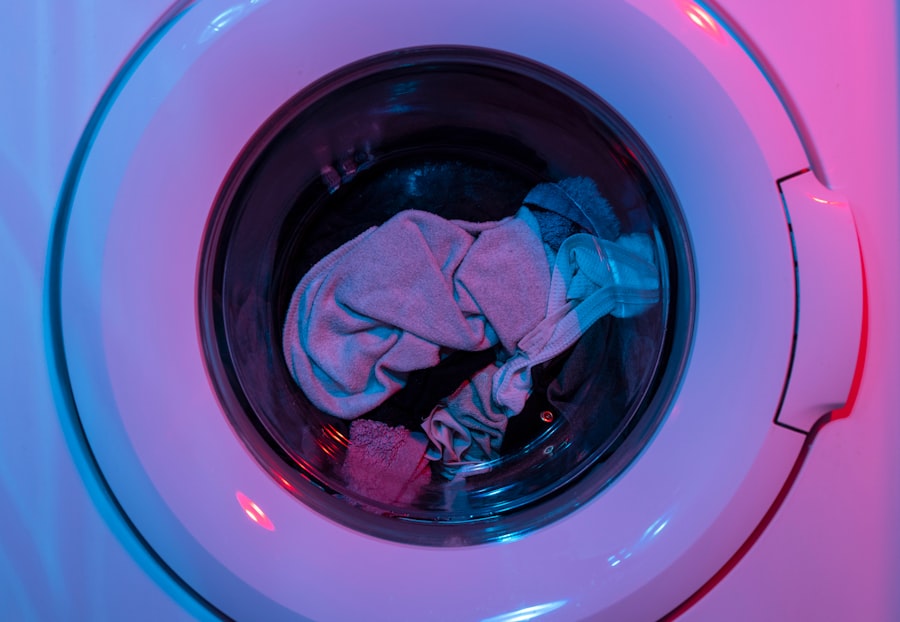
The allure of fresh, factory-sealed garments can be strong. However, a single wash, while a good starting point, often fails to fully address the complex chemical and allergenic load present on new fabrics. This is due to the tenacity with which these substances bind to textile fibers.
Deeply Embedded Residues
Many of the finishing chemicals, particularly those used for wrinkle resistance or water repellency, are designed to bond with the fabric fibers. This bonding is intended to be durable, ensuring the properties last through multiple wearings and washings. Consequently, a single wash cycle may only manage to loosen a superficial layer of these residues, leaving a significant portion still embedded within the fabric’s structure. The fabric can act like a sponge, absorbing not only the intended treatments but also accidental contaminants.
Incomplete Chemical Dissolution
Water alone, especially in a single wash cycle, may not be sufficient to effectively dissolve and carry away all types of chemical residues. Some chemicals are hydrophobic (water-repelling), meaning they do not readily mix with water. Detergents can aid in this process, but even then, the concentration and contact time in a single wash may be insufficient for complete removal.
Differential Fiber Absorption
Different types of fibers have varying affinities for chemicals. For instance, synthetic fibers, with their more uniform and less porous structures, may retain certain finishing chemicals more tenaciously than natural fibers. This variability means that a single wash might be more effective on one part of a garment than another, or on a garment made of a different material.
The Protective Benefits of a Second Wash

The second washing of new clothes acts as a crucial follow-up, a deeper cleansing that targets the more stubborn residues left behind after the initial treatment. This added step significantly enhances the safety and comfort of wearing newly purchased garments.
Enhanced Chemical Removal
By the time the second wash is initiated, the fabric fibers have already been exposed to water and detergent, which helps to “open up” the fibers’ structure slightly. This increased porosity allows for a more thorough penetration of the wash water and detergent, enabling them to dislodge and dissolve a greater quantity of deeply embedded chemicals. It’s like giving a second, more vigorous scrub to a surface that already had a light wipe.
Alleviation of Potential Skin Irritations
Many individuals experience skin irritation, redness, or itching when wearing new, unwashed clothes. This reaction is often due to the residual chemicals and allergens that come into direct contact with the skin. A second wash significantly reduces the concentration of these irritants, thereby minimizing the likelihood of such adverse reactions. For those with sensitive skin, eczema, or other dermatological conditions, this step is particularly important in preventing flare-ups.
Allergy Mitigation
For individuals suffering from allergies, the removal of allergens like dust, mold spores, and lingering pesticide residues is paramount. The two-wash approach provides a more comprehensive cleansing, acting as a barrier against potential allergic responses. This is especially pertinent for respiratory allergens that can be inhaled from the fabric.
Reducing Respiratory Sensitizers
Airborne particles, such as fine dust and textile lint, can contribute to respiratory irritation and allergic reactions. Washing, especially twice, helps to dislodge and remove these particles from the fabric, reducing the amount that can become airborne when the garment is worn and moved. This is a significant benefit for individuals with asthma or other respiratory sensitivities.
Minimizing Dermal Allergens
Skin contact is a primary route for allergen exposure from clothing. Residual chemicals, dyes, and environmental contaminants can all act as dermal allergens. A thorough washing regimen, including a second wash, significantly reduces the burden of these allergens on the fabric, thereby lowering the risk of contact dermatitis or other skin-related allergic responses.
When you purchase new clothes, it’s essential to consider washing them at least twice before wearing, as this helps remove harmful chemicals and residues left from the manufacturing process. Many people are unaware that these substances can irritate the skin or cause allergic reactions. For a deeper understanding of how various materials can affect our health, you might find it interesting to read this article on uncovering the mysteries of archaeoacoustics, which explores the impact of our environment on well-being. Taking the time to wash your new garments not only promotes better hygiene but also enhances your overall comfort.
Practical Considerations for Washing New Clothes Twice
| Reason | Description | Potential Impact |
|---|---|---|
| Remove Chemical Residues | New clothes often contain chemicals from manufacturing, such as dyes and formaldehyde. | Reduces skin irritation and allergic reactions. |
| Eliminate Excess Dye | Excess dye can bleed onto other clothes or cause skin staining. | Prevents color transfer and skin discoloration. |
| Remove Dust and Dirt | Clothes may accumulate dust and dirt during production, shipping, and handling. | Improves cleanliness and hygiene. |
| Reduce Odors | New garments can have chemical or factory odors. | Enhances freshness and comfort when wearing. |
| Improve Fabric Softness | Washing helps soften stiff fabrics caused by finishing treatments. | Increases comfort and wearability. |
| Prevent Skin Allergies | Residual chemicals and dyes can trigger allergic reactions in sensitive individuals. | Protects skin health and reduces rash or itching. |
| Ensure Colorfastness | Multiple washes help stabilize colors and prevent fading. | Maintains garment appearance over time. |
To maximize the benefits of washing new clothes twice, certain practical aspects should be considered. These involve optimising the washing process itself and understanding the nuances of different fabric types.
Optimal Washing Parameters
- ### Water Temperature
Warmer water generally aids in dissolving and removing chemicals and loose fibers more effectively than cold water. However, it is crucial to adhere to the garment’s care label to prevent shrinkage or damage to delicate fabrics. For most new garments, a warm wash is appropriate.
- ### Detergent Choice
A mild, hypoallergenic detergent is recommended, especially for those with sensitive skin or allergies. Avoid detergents with optical brighteners or harsh chemicals, as these can themselves be irritants. Using a detergent specifically designed for sensitive skin can be highly beneficial.
- ### Cycle Settings
A normal or slightly longer wash cycle can provide adequate agitation for effective cleaning. For the second wash, a gentle cycle might be considered for garments that require extra care, but a standard cycle is generally effective in removing latent residues.
Fabric-Specific Recommendations
- ### Cotton Garments
Cotton is a highly absorbent fiber and readily takes up dyes and finishing chemicals. It generally withstands warmer water and more vigorous washing. Multiple washes are highly effective for cotton.
- ### Synthetic Fabrics (Polyester, Nylon)
Synthetic fibers are less absorbent than cotton and can be more prone to retaining certain finishing chemicals. While they can be washed in warm water, extremely high temperatures should be avoided to prevent potential damage or alteration of the material’s properties.
- ### Delicate Fabrics (Silk, Wool, Rayon)
These materials require a gentler approach. Cold water and a mild detergent on a delicate cycle are essential. For these fabrics, a single, thorough wash might be sufficient, or the second wash should be performed with extreme care, potentially by hand or on the most delicate machine setting. If the care label advises against washing, professional dry cleaning might be a safer alternative.
Wool and Silk Sensitivities
Wool and silk are natural protein fibers that can react adversely to harsh chemicals and high temperatures. Residues from manufacturing can be particularly problematic for these delicate materials. A gentle hand wash with a specialized wool or silk detergent is often the best approach, followed by air drying.
- ### Blended Fabrics
For blended fabrics, consider the properties of the dominant fiber when determining the washing method. If unsure, it is always best to err on the side of caution and opt for a gentler wash.
Air Drying vs. Machine Drying
While machine drying can be convenient, air drying is often preferable for newly washed clothes, especially those that have undergone a second wash. Air drying allows for continued off-gassing of any remaining volatile compounds without trapping them within the fabric via heat. It also helps to preserve the integrity of the fibers, particularly for delicate garments. If machine drying is necessary, use a low heat setting.
The practice of washing new clothes twice, therefore, emerges not as an arbitrary chore but as a calculated measure to safeguard personal health. It is a proactive step that transforms garments from potentially problematic imports into comfortable, safe additions to one’s wardrobe, ready to be worn without the unseen baggage of their manufacturing journey. This diligent approach ensures that the initial impression of newness is matched by a genuine sense of cleanliness and well-being.

WATCH NOW ▶️ WARNING: Why Europe Banned Your Wardrobe
FAQs
Why is it important to wash new clothes before wearing them?
New clothes often contain chemicals, dyes, and residues from the manufacturing process that can irritate the skin. Washing them helps remove these substances, reducing the risk of allergic reactions and skin irritation.
Can washing new clothes twice improve their cleanliness?
Yes, washing new clothes twice ensures that any remaining chemicals, dirt, or bacteria are thoroughly removed. The first wash eliminates most residues, while the second wash provides an extra level of cleanliness and freshness.
Does washing new clothes twice help with color fading?
Washing new clothes twice can help set the dye and reduce excess dye release, which may minimize color bleeding in subsequent washes. However, always follow the care label instructions to preserve color quality.
Are there health benefits to washing new clothes twice?
Washing new clothes twice can reduce exposure to potentially harmful chemicals and allergens, which is especially beneficial for people with sensitive skin, allergies, or respiratory conditions.
Is it necessary to wash all types of new clothes twice?
While washing new clothes twice is generally recommended for items that come into direct contact with the skin, such as underwear and baby clothes, it may not be necessary for outerwear or items that are less likely to cause irritation. Always consider the fabric type and manufacturer’s care instructions.