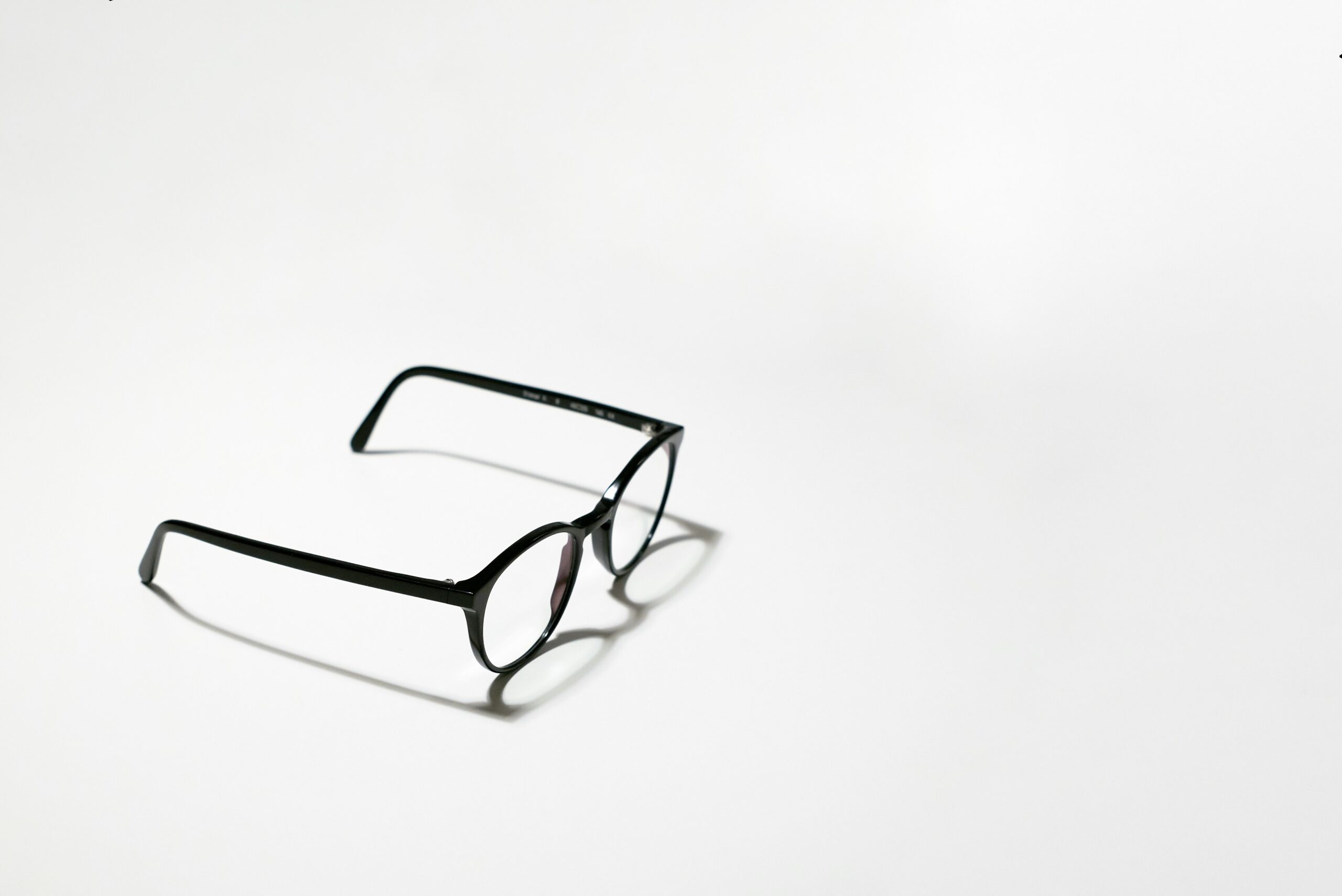
The shadowy recesses of history often obscure the origins of seemingly ubiquitous inventions. Among these life-altering creations, the invention of eyeglasses stands out, a testament to human ingenuity in overcoming the limitations of sight. While the precise individual to first conceive of and craft these visual aids remains elusive, a tapestry of historical accounts and logical deduction points towards a period of burgeoning intellectual curiosity and artisanal skill in medieval Europe. This narrative, therefore, delves into the most compelling theories, the evolving understanding of vision, and the societal impact of a device that quite literally brought the world into sharper focus for millions.
The Enigma of the Pioneer: Unraveling the Eyeglasses Origin Story
The quest to identify the singular inventor of eyeglasses is a journey fraught with the challenges of incomplete documentation and the gradual nature of innovation. Unlike many modern inventions with clear patent filings and named creators, the evolution of eyeglasses was likely a more organic process, born out of necessity and gradual refinement. Historians and scholars have grappled with this enigma for centuries, sifting through fragmented texts and archaeological evidence to piece together the most plausible origins. The prevailing consensus centers on the late 13th century in Northern Italy, a region renowned for its skilled artisans and burgeoning scientific thought.
The Monastic Manuscript Theory
One of the most persistent and well-supported theories attributes the invention to Benedictine monks. These scholars, dedicated to the preservation and dissemination of knowledge, were often aging and suffered from presbyopia, the age-related loss of the ability to focus on close objects. The painstaking work of transcribing manuscripts, a cornerstone of monastic life, would have been severely hampered by failing eyesight. It is within this context that the concept of magnifying lenses for reading is most logically placed. While specific names are absent, the collective need and the intellectual environment of monasteries provide a fertile ground for such an innovation.
The Rise of the Reading Stone
Before the advent of modern eyeglasses, primitive visual aids existed. The “reading stone,” a polished convex lens made of quartz or beryl, is believed to have been a precursor. These stones, when placed directly on a manuscript, would magnify the text. While effective to a degree, they were cumbersome and required constant repositioning. The logical next step in this progression would be to find a way to hold these lenses in front of the eyes, thus freeing the hands and offering a more stable and comfortable visual experience. This conceptual leap, from a handheld magnifying object to a wearable device, is the crucial innovation attributed to the early eyeglasses inventors.
Early Guilds and Artisanal Expertise
The region of Pisa and Venice, in particular, were centers of glassmaking and lens grinding during the medieval period. These skilled artisans, accustomed to working with precision and intricate craftsmanship, would have possessed the technical capabilities to produce the lenses and frame them. The guild system, prevalent at the time, fostered an environment of shared knowledge and competitive innovation. It is plausible that within these artisan communities, the idea of combining lenses with a wearable frame was conceived and then disseminated, leading to the widespread adoption of eyeglasses.
The invention of eyeglasses is often attributed to the late 13th century, with various accounts suggesting that they were developed in Italy. This remarkable advancement in optical technology transformed the way people interacted with the world, allowing for improved vision and the ability to read and write more comfortably. For those interested in exploring more about historical innovations and their societal impacts, a related article can be found at Uncovering Ancient Debt Peonage Systems: A Historical Perspective, which delves into how various historical developments have shaped human experiences over time.
The Science of Sight: Understanding Vision Before and After Eyeglasses

The invention of eyeglasses was not merely a technological breakthrough; it was a paradigm shift in how humans understood and interacted with their visual world. Before this innovation, the decline of eyesight was largely accepted as an inevitable consequence of aging, a slow fade into dimness that limited an individual’s ability to engage with tasks requiring close vision. The understanding of the human eye and its optical principles was rudimentary, yet the practical need to improve sight spurred experimentation and observation.
Medieval Perceptions of Vision
Medieval society viewed vision through a combination of empirical observation and philosophical speculation. While rudimentary anatomical knowledge existed, the precise mechanisms of how the eye focused light were not fully understood. The prevailing Aristotelian theory of vision posited that the eye emitted rays that illuminated objects. Later, the concept of light entering the eye gained traction. However, the understanding of refractive errors, such as myopia (nearsightedness) and hyperopia (farsightedness), was absent. Consequently, the solution to poor vision was not to correct an inherent optical flaw but rather to amplify the existing light or to bring objects closer.
The Optical Principles at Play
The effectiveness of eyeglasses lies in their ability to manipulate light. Convex lenses, the type most commonly used in early eyeglasses for correcting presbyopia and hyperopia, converge light rays. This convergence effectively moves the focal point of light further back onto the retina, allowing for clearer vision of distant or smaller objects. Concave lenses, used to correct myopia, diverge light rays, moving the focal point forward. The inventors of eyeglasses, even without a sophisticated understanding of optics as we know it today, would have intuitively grasped the magnifying properties of curved glass and its potential to aid vision. The process of grinding lenses to specific curvatures, though empirical, relied on careful observation and refinement to achieve the desired visual effect.
The Transformative Impact on Literacy and Knowledge
The introduction of eyeglasses had a profound and multifaceted impact on society, most notably on the preservation and dissemination of knowledge. The ability to continue reading and writing into old age was a revolutionary concept. Scribes, scholars, and illuminated manuscript artists could extend their productive careers, contributing to the accumulation and transmission of wisdom for longer periods. This directly contributed to the flourishing of intellectual life during the late medieval and early Renaissance periods. Tasks that were previously arduous or impossible for those with declining vision became manageable, fostering a renewed engagement with texts and learning.
The Craft of Creation: From Simple Lenses to Wearable Frames

The journey from a rudimentary magnifying lens to a functional pair of eyeglasses involved significant advancements in craftsmanship, particularly in the fields of glassmaking and metalworking. The materials and techniques employed in the early days of eyeglass production laid the groundwork for future developments, showcasing a remarkable blend of practicality and artistry.
The Art of Lens Grinding
The creation of effective lenses was paramount. Early eyeglasses typically featured lenses made from quartz or rock crystal. These materials were chosen for their clarity and hardness, making them suitable for grinding. The process of grinding would have involved abrasive materials, such as sand or emery, and a great deal of patience and skill to achieve the desired curvature. The precision required to create lenses that corrected vision effectively, rather than distorting it further, would have been a testament to the expertise of the glassmakers.
The Evolution of the Frame
The early forms of eyeglasses were quite different from the sleek designs we are accustomed to today. They were often referred to as “rivet spectacles” because the two lenses were typically held together by a rivet at the bridge. These early spectacles were not designed to be worn over the ears. Instead, they were either held in the hand, balanced on the nose precariously, or, in some instances, attached to a headband. The subsequent development saw the introduction of frames that could be perched on the nose, providing a more stable and hands-free experience. These frames were often made of bone, leather, or metal, reflecting the available materials and the ingenuity of the artisans.
The Role of Early Eyeglass Makers
The individuals who produced these early eyeglasses were highly skilled artisans, often working within established guilds. These guilds protected trade secrets and ensured quality, fostering an environment where innovation could flourish under the watchful eye of experienced masters. The demand for eyeglasses, though initially limited to a scholarly and elite class, would have created a specialized craft, with individuals dedicating their lives to the production of these visual aids. The lack of widespread mass production meant that each pair was likely a testament to individual craftsmanship.
Societal Ripples: The Broadening Reach of Sharper Vision
The invention of eyeglasses, initially a boon for scholars and the clergy, gradually expanded its reach, impacting a wider spectrum of society. As the technology improved and production became more accessible, the benefits of clearer vision became available to more people, leading to significant societal shifts in productivity, skill preservation, and personal well-being.
Empowering the Literate and the Learned
The most immediate impact of eyeglasses was on those who relied heavily on close work for their livelihood or intellectual pursuits. Scribes could continue their meticulous copying of texts, scholars could delve deeper into their studies without the impediment of failing eyesight, and merchants could manage their ledgers with greater accuracy. This extension of productive years for key members of society contributed to the preservation and growth of knowledge and trade. The ability to read and write was a mark of status and influence, and eyeglasses helped to maintain and even enhance this influence for individuals as they aged.
A Boon for Skilled Trades and Craftsmanship
Beyond the purely intellectual spheres, eyeglasses also benefited skilled artisans and craftsmen. Watchmakers, jewelers, engravers, and weavers, all professions requiring fine motor skills and precise visual acuity, found their work significantly enhanced. The ability to perform detailed tasks for longer periods meant that skills could be passed down more effectively, and the quality of craftsmanship could be maintained across generations. This contributed to the overall economic prosperity and the development of sophisticated artisanal traditions.
The Personal Transformation of Everyday Life
For the average individual, the advent of eyeglasses, however rudimentary, offered a profound personal transformation. The ability to see clearly, to distinguish faces from a distance, to read street signs, or to engage in hobbies that required good vision, brought a new level of independence and engagement with the world. While early eyeglasses were likely expensive and not universally accessible, their eventual proliferation marked a significant improvement in the quality of life for many. It alleviated the frustration and isolation that often accompanied declining eyesight, allowing individuals to remain active and contributing members of their communities for longer.
The invention of eyeglasses has a fascinating history that intertwines with various technological advancements over the centuries. While many attribute the creation of eyeglasses to Italian craftsmen in the late 13th century, the true origins remain somewhat shrouded in mystery. For those interested in exploring more about suppressed inventions and their impact on society, you might find this article on uncovered suppressed inventions particularly enlightening. It highlights how many innovations, including those related to vision enhancement, have been overlooked or forgotten throughout history.
The Enduring Legacy: From Medieval Marvel to Modern Necessity
| Metric | Details |
|---|---|
| Invention | Eyeglasses |
| Inventor | Unknown (credited to Italian monks and craftsmen) |
| Time Period | Late 13th century (circa 1280s) |
| Place of Origin | Italy, likely in the region of Venice or Pisa |
| Purpose | To improve vision for farsightedness and presbyopia |
| Material Used | Glass lenses mounted in frames made of wood, leather, or metal |
| Historical Significance | First wearable vision aid, leading to modern optical devices |
The invention of eyeglasses, originating from a practical need in a specific historical context, has evolved into a global phenomenon. What began as a marvel for the privileged few has transformed into a ubiquitous necessity, a testament to the enduring human drive to overcome limitations and enhance our perception of the world. The journey of eyeglasses from their nascent stages to their modern iterations is a compelling narrative of innovation, adaptation, and the profound impact of a seemingly simple invention.
The Continuous Refinement of Eyeglass Technology
The basic principle of using lenses to correct vision has remained constant, but the materials, designs, and manufacturing processes have undergone continuous refinement. From the early glass lenses to the development of lighter and more shatter-resistant materials like plastic and polycarbonate, and from the simple rivet spectacles to sophisticated frames tailored for comfort and style, the evolution has been remarkable. The advent of advanced optical engineering and manufacturing techniques has led to increasingly precise and effective corrective lenses, catering to a vast array of visual impairments.
The Democratization of Vision Correction
The historical trajectory of eyeglasses is also a story of democratization. What was once a luxury item for the elite has, through mass production and advancements in affordability, become accessible to a much wider population. Organizations and initiatives worldwide are dedicated to providing corrective lenses to those in underserved communities, highlighting the fundamental human right to clear sight. This broad accessibility has enabled countless individuals to pursue education, employment, and a more fulfilling life.
Eyeglasses as a Symbol of Progress and Empowerment
Today, eyeglasses are more than just a medical device; they are a symbol of progress, empowerment, and a testament to the enduring power of human ingenuity. They represent the ability to overcome physical challenges and to actively engage with the world. The inventor, or inventors, of eyeglasses, though perhaps unknown to history, have left an indelible mark on human civilization, a legacy that continues to shape how we see, understand, and interact with the vast tapestry of life. Their contribution, born out of necessity and refined through skill, has fundamentally altered the human experience, making the world a clearer and more accessible place for generations to come.

Did This Ancient Crystal Help People See?
FAQs
1. Who is credited with inventing eyeglasses?
The invention of eyeglasses is commonly attributed to an unknown Italian inventor in the late 13th century.
2. When were eyeglasses invented?
Eyeglasses were invented in the late 13th century, around the year 1286.
3. What was the purpose of inventing eyeglasses?
Eyeglasses were invented to aid individuals with vision problems by providing a solution to correct and improve their eyesight.
4. How did the invention of eyeglasses impact society?
The invention of eyeglasses had a significant impact on society by improving the quality of life for individuals with vision impairments, allowing them to see more clearly and engage in various activities.
5. Are there any other notable inventions related to eyeglasses?
Some notable inventions related to eyeglasses include bifocals, invented by Benjamin Franklin in the 18th century, and contact lenses, which were first developed in the late 19th century.