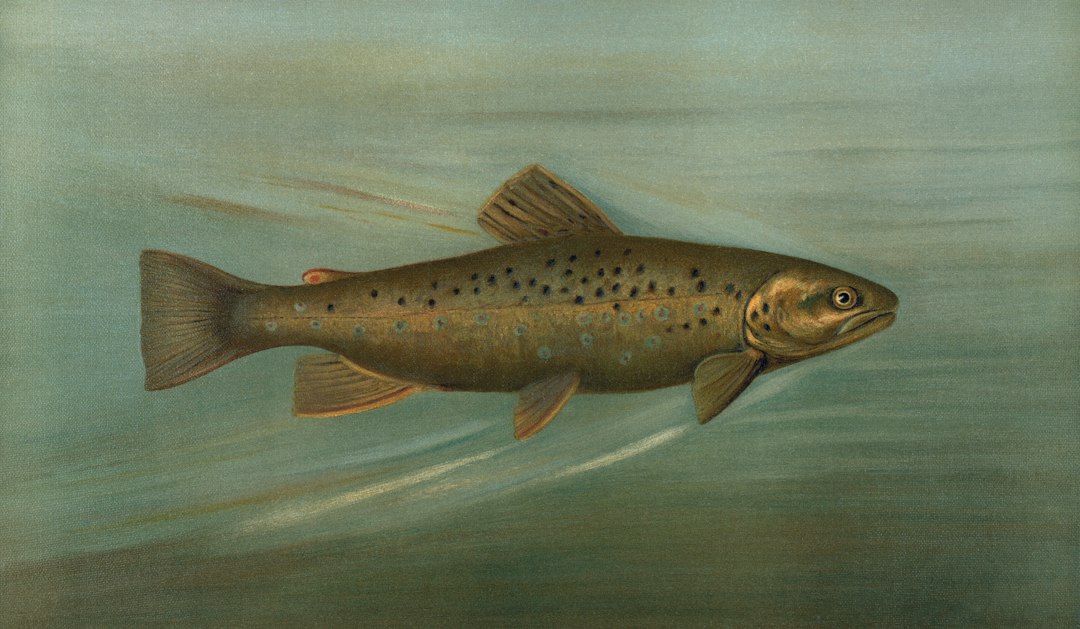
The enigma surrounding Lake Tesse and its legendary brown trout has captivated anglers and naturalists for decades. This remote body of water, nestled in the rugged backcountry, is renowned for producing trout of extraordinary size and fighting spirit, yet their life cycle and reproductive success remain shrouded in mystery. Anecdotal accounts speak of leviathans exceeding the twenty-pound mark, fish so elusive and powerful they seem to exist more in folklore than in reality. This article delves into the scientific investigations and the enduring allure of the Lake Tesse brown trout, attempting to unravel the secrets that make this population so unique and challenging to understand.
The Unseen Depths of Lake Tesse
Lake Tesse is not a typical freshwater ecosystem. Its geological origins are tied to ancient glacial activity, carving out a deep, cold, and oligotrophic basin. The water itself is crystal clear, with limited nutrient input, creating an environment that, while beautiful, is inherently challenging for most fish species. This very scarcity, however, might be the key to the remarkable growth and survival of its brown trout population. The lack of abundant food sources means that any organism thriving here must be exceptionally efficient at converting what little is available into biomass.
The Geological Canvas: Shaping a Unique Habitat
The glacial past of Lake Tesse has left an indelible mark on its character. The immense weight of ancient ice sheets scoured the bedrock, creating steep underwater canyons and drop-offs that provide ample hiding places and hunting grounds for predatory fish. The water temperature remains consistently cold throughout the year, rarely exceeding 50 degrees Fahrenheit even in the height of summer. This stable, frigid environment is ideal for cold-water species like the brown trout ( Salmo trutta), but it also imposes significant metabolic constraints. The limited productivity of the lake, due to low nutrient levels, means that the food web is relatively simple, relying on small invertebrates and smaller fish species.
The Oligotrophic Paradox: Scarcity Breeds Resilience
Oligotrophic lakes are characterized by low nutrient concentrations, low algal productivity, and high dissolved oxygen levels. While this might sound like a barren landscape, it can foster the development of specialized populations. In Lake Tesse, the limited plankton blooms translate to fewer small crustaceans and aquatic insects as primary food sources. This forces any predator to be highly opportunistic and efficient. The brown trout here have evolved to exploit every available calorie, leading to their impressive growth rates. The clear water also means that their primary prey, often smaller fish or macroinvertebrates, must be constantly vigilant, while the trout themselves benefit from excellent visibility for hunting.
The mystery surrounding the brown trout population in Lake Tesse has captivated both scientists and anglers alike, prompting investigations into the ecological factors affecting this unique habitat. For those interested in understanding the broader implications of environmental management and the challenges faced by communities during ecological crises, a related article discusses the government’s seizure of private property in times of crisis. You can read more about this complex issue in the article found here: Government’s Seizure of Private Property in Crisis.
The Enigmatic Brown Trout: Masters of Survival
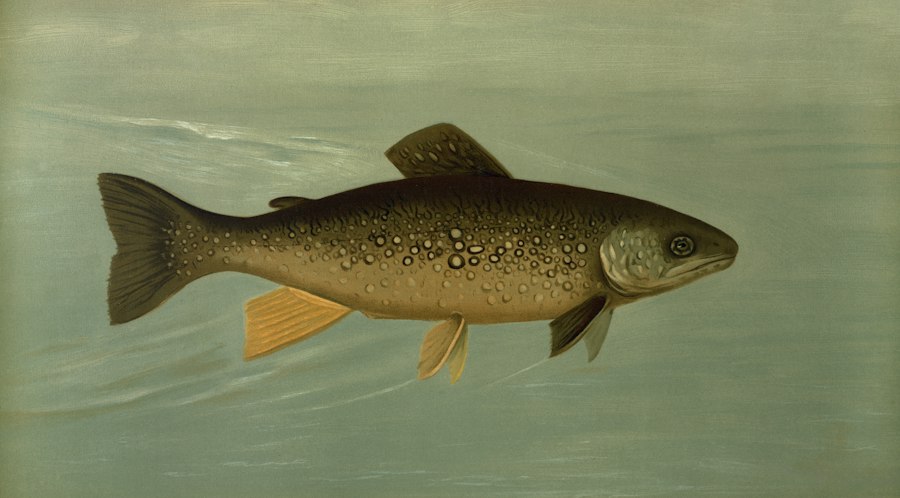
The brown trout of Lake Tesse are not merely larger versions of their hatchery-raised cousins. Scientific observation and angler reports suggest a distinct evolutionary path, characterized by remarkable longevity, impressive size, and a baffling reproductive strategy. Understanding these traits is crucial to deciphering the lake’s enigma.
Phenotypic Extremes: Giants of the Deep
The most striking characteristic of the Lake Tesse brown trout is their size. While average brown trout in similar environments might reach lengths of 15-20 inches and weigh a few pounds, Lake Tesse regularly yields specimens exceeding 30 inches and tipping the scales at over 15 pounds. Some reports even suggest individuals approaching the mythical 20-pound mark. This exceptional growth is a testament to their efficient metabolism and their ability to access and utilize available food resources effectively. Their coloration is often a deep, burnished bronze, with fewer parr marks than younger fish, indicating their maturity and adaptation to the lake’s environment. Their bodies are muscular and powerful, built for sustained fights in the cold depths.
Longevity and Elusiveness: A Life Unseen
The longevity of these trout is another significant factor contributing to their impressive size. In many populations, brown trout live for 5-10 years, but evidence suggests Lake Tesse’s inhabitants may live considerably longer, potentially into their teens or even twenties. This extended lifespan provides ample opportunity for growth. Their elusiveness is legendary; they are rarely seen, even by experienced anglers who spend countless hours on the water. This suggests they inhabit the deepest, coldest parts of the lake, venturing out to feed only when conditions are optimal or when driven by necessity. Their ability to avoid predation and fishing pressure, even in a relatively accessible wilderness area, is remarkable.
The Reproductive Riddle: A Cycle of Uncertainty
Perhaps the most perplexing aspect of the Lake Tesse brown trout is their reproductive cycle. While brown trout are known to be anadromous (migrating to the sea to feed and returning to freshwater to spawn) or potadromous (migrating within freshwater systems), the Lake Tesse population appears to be entirely landlocked and reproductively isolated. Yet, they persist and grow to extraordinary sizes. The question remains: how do they reproduce successfully in such an environment? Natural spawning grounds are believed to be limited, and the low nutrient levels might not support the survival of a large number of fry.
Scientific Investigations: Unraveling the Threads
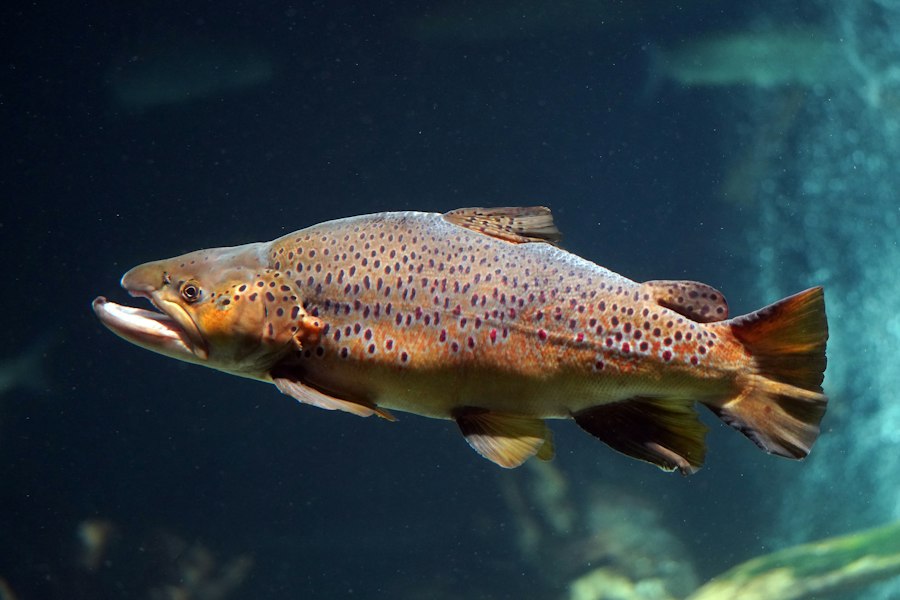
Over the years, various scientific expeditions have attempted to shed light on the Lake Tesse brown trout mystery. These investigations have employed a range of techniques, from traditional fisheries surveys to advanced genetic analysis, each adding a piece to the complex puzzle.
Fisheries Surveys: Counting the Uncountable
Early fisheries surveys involved electrofishing and netting, but the sheer size and wariness of the brown trout, coupled with the lake’s depth and clarity, made these methods challenging. Despite efforts, catch rates were often low, providing limited data. However, these surveys consistently confirmed the presence of a robust population of large brown trout, validating the anecdotal accounts. Subsequent surveys have focused on understanding population dynamics, age structure, and growth rates through scale and fin ray analysis of captured fish. The data collected, while incomplete, points towards a stable, albeit slow-growing, population with a high survival rate of mature individuals.
Genetic Markers: Tracing Ancestry and Adaptation
More recent investigations have turned to genetic analysis. Researchers have collected tissue samples from captured trout to understand their genetic makeup and lineage. The goal is to determine if this population is a unique subspecies, a relic of a past ice-age population, or simply a highly adapted strain of Salmo trutta. Preliminary genetic studies suggest a degree of isolation, indicating that the Lake Tesse brown trout have been genetically distinct from other populations for a significant period. This isolation, coupled with the unique environmental pressures, likely contributed to their specialized traits. Further research aims to identify specific genes responsible for their remarkable growth, longevity, and potentially their reproductive strategies.
Dietary Analysis: The Tesse Diet Revealed
Understanding what these giants eat is critical. Dietary analyses, conducted by examining the stomach contents of captured fish, reveal a diet surprisingly varied for such an oligotrophic lake. While small fish, such as sculpins and juvenile trout of other species (if present and non-native introductions have occurred and failed to establish a robust population), form a significant part of their diet, they also consume large aquatic invertebrates and, surprisingly, terrestrial insects that fall onto the water’s surface. This opportunistic feeding behavior allows them to capitalize on any available energy source, contributing to their growth. The limited availability of primary producers means that each calorie is hard-won, and the trout are incredibly efficient at converting it.
Theories on Reproduction and Sustainability
The reproductive enigma remains the most significant unanswered question. Several theories attempt to explain how the Lake Tesse brown trout sustain their population in the absence of clear migratory patterns or extensive spawning grounds.
The “Hidden Spawning” Hypothesis: Unseen Nurseries
One theory posits the existence of undiscovered, highly secluded spawning grounds within the lake’s complex underwater topography. These could be deep-water gravel beds or spring-fed coves that are inaccessible to most research methods and provide ideal conditions for egg development and fry survival. The extreme clarity of the water might also allow for visual detection of redds (spawning nests) by discerning anglers or researchers if they could access these specific areas during the spawning season. The limited nutrient levels might, paradoxically, reduce competition and predation on young trout in these specific locations.
Asexual Reproduction or Delayed Maturation: Unconventional Strategies
While highly unlikely for a species like brown trout, some researchers have speculated about the possibility of unusual reproductive strategies, such as a form of parthenogenesis or extremely delayed sexual maturation, allowing individuals to focus on growth for an extended period before reproducing. However, genetic evidence does not support these hypotheses for Salmo trutta. More plausible is a scenario where only a small fraction of the population successfully reproduces, and those that do are incredibly successful at ensuring the survival of their offspring. This would lead to a boom-and-bust cycle, with periods of high recruitment followed by periods of low recruitment, contributing to the overall mystery.
The Role of Environmental Stability: A Constant Incubator
The consistent cold temperatures and stable environment of Lake Tesse may play a crucial role. Unlike lakes with fluctuating temperatures that can stress eggs and fry, Tesse offers a reliably stable incubator. This consistent condition could allow for a longer incubation period and a higher survival rate for any young that do emerge, even if the overall numbers are low. The absence of major environmental disturbances, such as extreme weather events or drastic water level changes, further contributes to this stability.
The intriguing mystery surrounding the brown trout in Lake Tesse has captivated researchers and anglers alike, prompting discussions about the ecological and historical factors at play. A fascinating article that delves into the significance of ancient maps and their impact on our understanding of geography can be found here: uncovering the source documents of the Piri Reis map. This exploration not only sheds light on the past but also encourages a deeper appreciation for the natural world, including the enigmatic behaviors of species like the brown trout in Lake Tesse.
The Enduring Allure and Future of the Mystery
| Metric | Data/Value | Notes |
|---|---|---|
| Location | Lake Tesse, Norway | Mountain lake known for brown trout population |
| Species | Brown Trout (Salmo trutta) | Native freshwater fish species |
| Average Trout Size | 30-50 cm | Typical size range for Lake Tesse brown trout |
| Unusual Trait | High incidence of albinism | Unexplained high number of albino brown trout observed |
| Population Estimate | Approximately 1,200 individuals | Based on recent ecological surveys |
| Water Temperature | 4-12 °C | Seasonal variation in lake temperature |
| Research Status | Ongoing | Studies investigating genetic and environmental causes of albinism |
| Hypotheses for Mystery | Genetic mutation, environmental factors, or pollution | Leading theories explaining the albino trout phenomenon |
The Lake Tesse brown trout mystery continues to draw a dedicated following, not just for the prospect of catching a trophy fish, but for the intellectual challenge it presents. The allure lies in the untamed nature of the ecosystem and the remarkable resilience of its inhabitants.
Conservation Concerns: Protecting a Unique Legacy
As interest in the Lake Tesse brown trout grows, so do conservation concerns. The limited nature of the population and the specific environmental conditions required for their survival make them vulnerable to even minor disturbances. Introduction of non-native species, pollution, or unsustainable fishing practices could have devastating consequences. Strict regulations are in place to protect this unique population, with catch-and-release policies being widely enforced. The focus is on understanding and preserving the delicate balance of this ecosystem, ensuring that future generations can continue to marvel at this natural enigma.
Future Research Directions: Seeking Deeper Insights
Future research will likely focus on expanding genetic analysis to identify specific adaptive genes and using advanced telemetry to track the movements of these elusive fish, providing unprecedented insights into their behavior and habitat use. Non-invasive sampling techniques, such as environmental DNA (eDNA) analysis, could also offer new ways to monitor population health and understand spawning activity without direct capture. The goal is to move beyond anecdotal evidence and establish a comprehensive scientific understanding of this remarkable population.
The Angler’s Quest: Respecting the Enigma
For anglers, Lake Tesse represents the ultimate challenge. It is a place where patience, skill, and a deep respect for nature are paramount. The pursuit of these magnificent fish is not merely about the catch, but about the experience of being in a pristine environment and connecting with a truly wild and mysterious creature. The mystery of the Lake Tesse brown trout will undoubtedly continue to inspire wonder and drive scientific inquiry for years to come, a testament to the enduring power of nature’s enigmas.

The 7,000-Year-Old Secret Hidden Under a Lake
FAQs
What is the mystery surrounding the brown trout in Lake Tesse?
The mystery surrounding the brown trout in Lake Tesse involves a sudden decline in their population without a clear explanation.
What is the usual population size of brown trout in Lake Tesse?
Normally, Lake Tesse is home to a thriving population of brown trout, with numbers ranging in the thousands.
Have there been any environmental changes in Lake Tesse that could explain the decline in brown trout?
Researchers have not identified any significant environmental changes in Lake Tesse that could directly explain the decline in the brown trout population.
Are there any theories proposed to explain the mysterious decline in brown trout numbers?
Some theories suggest that disease, predation, or changes in food availability could be contributing factors to the decline in brown trout numbers in Lake Tesse.
What steps are being taken to investigate the brown trout mystery in Lake Tesse?
Scientists and researchers are conducting studies and monitoring the lake to gather more data and investigate the factors that may be causing the decline in the brown trout population in Lake Tesse.