The Largest Native American City: A Thriving Cultural Hub
For millennia, indigenous peoples have shaped the North American landscape, their civilizations leaving indelible marks on the continent’s history and culture. While many associate Native American history with nomadic tribes or relatively small settlements, the reality is far more complex and vibrant. Emerging from this rich tapestry is a city that stands as a testament to resilience, ingenuity, and enduring cultural pride: the largest Native American city, a true cultural hub that pulsates with life and tradition. This sprawling metropolis, while perhaps not recognized by the same names as many modern urban centers, represents a continuous legacy of indigenous urbanism, demonstrating a sophisticated society that has adapted and thrived for centuries. Its story is not one of a forgotten past, but of a dynamic present and a future being actively shaped by its Native American inhabitants.
The concept of a “largest Native American city” often challenges conventional understandings of urban development, which are typically framed by European colonization. However, archaeological evidence and historical accounts paint a picture of complex, densely populated indigenous settlements that existed long before the arrival of Europeans. These were not mere villages, but sophisticated urban centers with intricate social structures, extensive trade networks, and advanced agricultural practices.
Cahokia: The Pre-Columbian Metropolis
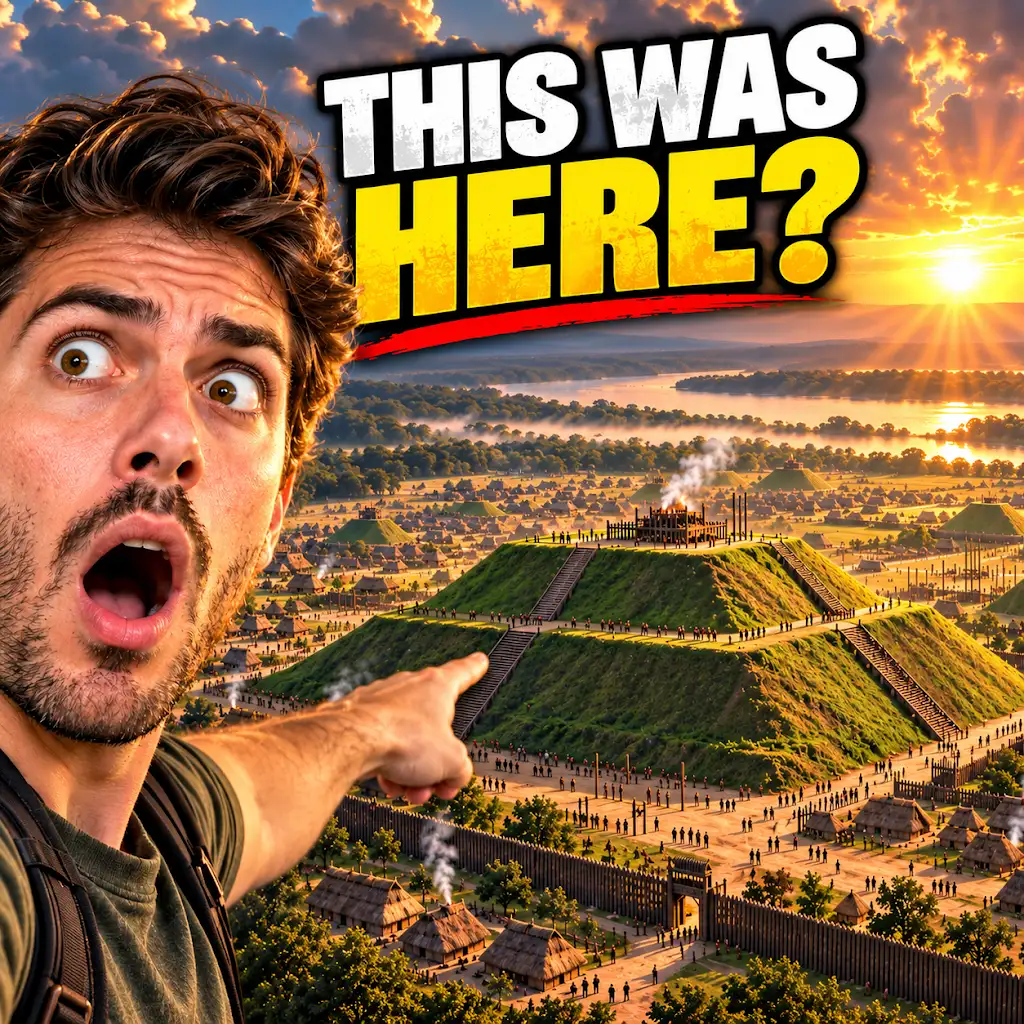
Perhaps the most prominent example that illuminates the scale of pre-Columbian indigenous urbanism is Cahokia. Located near modern-day St. Louis, Missouri, Cahokia was the largest and most influential urban settlement of the Mississippian culture. At its zenith, between roughly 1050 and 1350 CE, Cahokia’s population is estimated to have been between 10,000 and 20,000 people, potentially reaching as high as 50,000 at its peak. This made it larger than London was at the time.
Monumental Architecture and Urban Planning
Cahokia was characterized by its impressive monumental architecture, most notably Monks Mound, a massive earthen structure that covers over 14 acres and stands 100 feet tall. This colossal platform mound, along with hundreds of other smaller mounds, suggests a highly organized society capable of mobilizing a significant workforce for construction projects. The city was laid out with a degree of planning, featuring plazas, residential areas, and ceremonial spaces. Its sheer scale and the complexity of its construction speak to an advanced understanding of engineering and social organization.
A Center of Trade and Influence
Beyond its impressive physical infrastructure, Cahokia served as a vital center for trade and political influence across a vast region. Artifacts found at the site, originating from as far away as the Rocky Mountains and the Gulf of Mexico, demonstrate extensive trade networks. Copper from the Great Lakes, shells from the Atlantic coast, and obsidian from the west all found their way to Cahokia, underscoring its importance as a hub for economic and cultural exchange. The Mississippian culture, with Cahokia at its heart, exerted considerable influence over surrounding communities, sharing its religious beliefs, artistic styles, and agricultural techniques.
The Legacy of Pre-Columbian Cities
While Cahokia eventually declined and was abandoned for reasons still debated by scholars, its existence is crucial for understanding the historical precedent of large, complex indigenous settlements. It challenges the notion that Native Americans were solely nomadic peoples and highlights the sophisticated societal structures that flourished across North America prior to European arrival. This history provides a foundational context for understanding the enduring cultural strength and resilience of indigenous communities today.
The largest Native American city, which serves as a vibrant hub for Indigenous culture and community, is a fascinating topic that intersects with many aspects of Native American history and heritage. For those interested in exploring more about the preservation of Indigenous knowledge and the guardianship of ancient traditions, you can read a related article that delves into these themes. Check out the article here: Guardians of Ancient Knowledge: Who Holds the Keys?.
The Modern Metropolis: A Living Legacy
The term “largest Native American city” today often refers to a contemporary urban center that is predominantly inhabited by, and culturally defined by, its Native American population. While this may not always align with the monumental scale of pre-Columbian cities like Cahokia, these modern hubs are vibrant expressions of cultural continuity, adaptation, and self-determination. They are places where tradition meets modernity, where ancient languages are spoken, and where contemporary indigenous art, music, and governance flourish.
Defining the “Largest” in Contemporary Terms
The definition of “largest” in this context can be multifaceted. It can refer to population size, geographic area, or, perhaps most importantly, cultural significance and the concentration of Native American institutions and residents. Unlike historically distinct reservations, these cities often represent integrated urban environments where indigenous communities have established a strong presence and influence within the broader urban fabric.
Population and Demographics
Identifying a single, universally recognized “largest” city can be complex due to varying census data and the fluid nature of urban populations. However, cities with significant Native American populations, often concentrated in specific neighborhoods or forming the dominant cultural identity of certain areas, are commonly cited. These cities are not merely places where Native Americans live; they are centers of Native American life, governance, and culture.
Cultural Dominance and Identity
What truly distinguishes these cities is their cultural dominance. They are spaces where Native American languages, traditions, and worldviews are not just preserved but actively practiced and celebrated. This is evident in the presence of tribal headquarters, cultural centers, educational institutions focused on indigenous studies, and a thriving arts scene that draws inspiration from ancestral practices. These urban environments serve as critical anchors for cultural transmission and identity formation for Native Americans, particularly younger generations.
A Bastion of Cultural Preservation and Revitalization
The largest Native American cities are more than just population centers; they are vibrant incubators for cultural preservation and revitalization. In these urban environments, indigenous languages, traditions, and knowledge systems are not only being safeguarded but actively re-energized, ensuring their survival and evolution for future generations.
Language Reclamation Initiatives
The loss of indigenous languages due to historical oppression and assimilation policies has been a profound challenge. However, in these thriving cultural hubs, language reclamation is a top priority. Dedicated programs, immersion schools, and community-led initiatives are working to teach ancestral languages to younger generations, fostering a renewed sense of linguistic identity and cultural connection.
Immersion Schools and Language Classes
Many of these cities boast indigenous language immersion schools, where children are educated entirely in their ancestral tongue. These schools are crucial for creating fluent speakers and for embedding language within daily life. Beyond formal schooling, community centers and cultural organizations offer language classes for all ages, welcoming both fluent speakers and beginners to participate in the revitalization effort.
Digital Platforms and Modern Tools
Recognizing the power of technology, these cities are also embracing digital platforms to support language preservation. Online dictionaries, language learning apps, and social media groups dedicated to indigenous languages are connecting learners and speakers across geographical boundaries, making language accessible and engaging in the modern age.
Traditional Arts and Contemporary Expression
The artistic heritage of Native Americans is incredibly rich and diverse. In these cities, traditional art forms are not confined to museums; they are living, breathing expressions of identity and creativity. Contemporary artists are drawing inspiration from ancestral techniques and motifs, pushing the boundaries of indigenous art in exciting new directions.
Craftsmanship and Artistic Innovation
From intricate beadwork and pottery to weaving and silversmithing, traditional craftsmanship continues to be a vital part of these cities’ cultural fabric. Artisans are not only preserving ancient techniques but also innovating, creating contemporary pieces that reflect modern aesthetics while honoring their heritage. Art galleries and studios dedicated to Native American artists are prevalent, showcasing a spectrum of artistic talent.
Performing Arts and Storytelling
The oral traditions and performing arts of indigenous cultures are also experiencing a renaissance. Traditional dance troupes, drumming circles, and storytelling events are regularly held, providing platforms for elders to share ancestral stories and for younger generations to learn and perform traditional dances and music. These performances are crucial for transmitting cultural knowledge and fostering a sense of community pride.
Governance and Self-Determination: Building Sovereign Futures
A defining characteristic of the largest Native American cities is their commitment to tribal sovereignty and self-determination. These urban centers are often the locus of indigenous governance, where tribal councils and leadership actively work to uphold treaty rights, manage resources, and build prosperous futures for their people.
Tribal Governance in Urban Settings
Many federally recognized tribes have established their administrative headquarters within these cities, reflecting the growing urban Native American population and the need for accessible governance. These tribal governments play a crucial role in advocating for their constituents, managing tribal lands and enterprises, and engaging with federal, state, and local governments.
Economic Development and Entrepreneurship
Economic self-sufficiency is a cornerstone of self-determination. These cities are witnessing a surge in Native American-owned businesses, ranging from casinos and hospitality to technology startups and renewable energy projects. These enterprises not only provide employment opportunities but also generate revenue that can be reinvested in community development, education, and healthcare.
Cultural Education and Youth Programs
Investing in the future means empowering the next generation. These cities are prioritizing comprehensive educational programs that incorporate indigenous history, culture, and language. Youth programs that focus on leadership development, cultural mentorship, and skill-building are instrumental in nurturing confident and capable future leaders.
Advocacy and Policy Influence
The presence of a concentrated Native American population within these urban centers amplifies their collective voice in advocating for policy changes that impact indigenous communities. Tribal governments and advocacy organizations work tirelessly to address issues such as land rights, environmental protection, healthcare access, and cultural preservation at all levels of government.
In recent discussions about the largest Native American city, it is fascinating to explore the cultural and historical significance of such communities in the United States. A related article delves into the rich tapestry of Native American history, shedding light on various aspects of their heritage. For those interested in a deeper understanding, you can read more about it in this insightful piece on the lore of the Elder Scrolls, which, while focused on a fictional universe, draws parallels to the importance of storytelling in preserving cultural identities.
A Beacon of Resilience and a Vision for the Future
| City | Population | Tribal Affiliation |
|---|---|---|
| Phoenix, Arizona | Over 41,000 | Salt River Pima-Maricopa Indian Community |
| Oklahoma City, Oklahoma | Over 30,000 | Cherokee Nation |
| Albuquerque, New Mexico | Over 27,000 | Navajo Nation |
The largest Native American city stands as a powerful symbol of resilience, a testament to the enduring strength and adaptability of indigenous cultures. It is a place where the echoes of the past resonate with the dynamism of the present, creating a vibrant tapestry of cultural expression, innovation, and self-governance.
Overcoming Historical Challenges
The journey to establishing and sustaining these thriving urban centers has not been without its challenges. Indigenous peoples have faced centuries of displacement, assimilation policies, and systemic discrimination. The very existence and success of these cities are a direct refutation of attempts to erase indigenous identities and cultures.
Education as a Tool for Empowerment
Access to quality education has been a key factor in the empowerment of Native American communities within these cities. Educational institutions, from elementary schools to universities, are increasingly offering culturally relevant curricula, fostering critical thinking, and equipping individuals with the skills to navigate and shape their futures.
Community Building and Intertribal Relations
These urban centers are also fostering stronger intertribal relations. As diverse indigenous groups converge in these cities, opportunities for collaboration, cultural exchange, and mutual support are growing. This shared experience builds a stronger collective identity and a more unified front for addressing common challenges and pursuing shared aspirations.
A Thriving Cultural Landscape
The cultural landscape of the largest Native American city is a source of immense pride and inspiration. It is a place where traditional ceremonies are observed with reverence, where contemporary art pushes boundaries, and where the languages of ancestors are spoken with renewed confidence. This cultural vibrancy is not merely a relic of the past but a living, breathing force that shapes the identity and future of its inhabitants.
The Role of Cultural Centers and Museums
Dedicated cultural centers and museums play a pivotal role in documenting, preserving, and disseminating indigenous history and culture. These institutions serve as educational resources, community gathering spaces, and platforms for artistic expression, ensuring that the stories and legacies of Native Americans are shared and celebrated.
Festivals and Public Celebrations
The vibrant calendar of festivals and public celebrations within these cities showcases the richness of indigenous traditions. From powwows that bring together diverse tribes to cultural festivals celebrating specific heritage, these events are vital for strengthening community bonds, fostering cultural pride, and sharing indigenous culture with the wider public.
The largest Native American city is not just a geographical location; it is a living embodiment of indigenous resilience, innovation, and the enduring power of culture. It is a place where history is honored, the present is celebrated, and the future is being actively built, one generation at a time, proving that indigenous urbanism is not a concept of the past, but a vital and evolving reality of the present and future. It serves as a powerful reminder of the rich and complex history of North America and the continuous contributions of its first peoples.
A City Bigger Than London Once Stood in America. Then It Vanished.
FAQs
What is the largest Native American city in the United States?
The largest Native American city in the United States is Phoenix, Arizona. It is home to a significant population of Native American residents, including members of the Navajo, Apache, and Tohono O’odham tribes.
How many Native American tribes are represented in Phoenix?
Phoenix is home to 22 federally recognized Native American tribes, making it a diverse and culturally rich city for Native American residents.
What cultural attractions are available in Phoenix for Native American residents?
Phoenix offers a range of cultural attractions for Native American residents, including the Heard Museum, which features a vast collection of Native American art and artifacts, as well as traditional and contemporary exhibitions and events.
What economic opportunities are available for Native American residents in Phoenix?
Phoenix provides various economic opportunities for Native American residents, including tribal government offices, casinos, and cultural centers. Additionally, the city has initiatives to support Native American entrepreneurship and small businesses.
How does Phoenix support the preservation of Native American culture and traditions?
Phoenix has various programs and initiatives aimed at preserving and promoting Native American culture and traditions. These include cultural events, educational programs, and partnerships with tribal communities to ensure the preservation of their heritage.