The sun beat down on the Anatolian plateau, a land of stark beauty and ancient power. Here, in the heart of what is now modern Turkey, a civilization rose to challenge the titans of the ancient world. This was the Hittite Empire, a formidable force that, for centuries, exerted significant influence over the Near East. Their legacy, though often overshadowed by the empires of Egypt and Mesopotamia, is a crucial thread in the tapestry of human history, revealing a sophisticated society with a unique culture, remarkable military prowess, and a complex political landscape. Understanding the rise and enduring impact of the Hittites is essential for comprehending the intricate web of diplomacy, warfare, and cultural exchange that defined the Late Bronze Age.
The Genesis of a Bronze Age Powerhouse
The Hittites, whose origins remain somewhat shrouded in mystery, emerged from the Indo-European migrations that swept across Anatolia in the early second millennium BCE. Their early history is characterized by a gradual consolidation of power, initially centered around the city of Hattusa, which would become their magnificent capital. The precise circumstances of their initial unification are not fully detailed in the surviving records, but it is clear that a combination of astute leadership and the adoption and adaptation of existing technologies, particularly in metallurgy, laid the groundwork for their ascendance.
Early Anatolian Roots and Indo-European Influence
The Anatolian peninsula was a crossroads of cultures long before the Hittites established their dominance. Indigenous populations, such as the Hattians, had already developed settled agricultural communities and a rich mythological tradition. The arrival of Indo-European speaking peoples, including those who would become the Hittites, brought new languages, social structures, and possibly new military technologies. The Hittite language itself, a member of the Anatolian branch of Indo-European languages, provides crucial linguistic evidence for their origins. Scholars debate the exact timing and routes of these migrations, but the fusion of indigenous and incoming cultural elements was a defining characteristic of early Hittite society. The Hittites were not simply newcomers; they were inheritors and transformers of an ancient landscape.
The Consolidation of Hattusa and Early Kingship
The establishment of Hattusa as the Hittite capital was a pivotal moment. Situated on a strategic plateau, it offered natural defenses and access to important trade routes. The early Hittite kings, often referred to as the “Old Kingdom” rulers, worked to unify the disparate city-states and petty kingdoms of Anatolia under their authority. This process involved both military conquest and the forging of alliances. The surviving records from this period, though fragmented, speak of rulers like Hattusili I and Mursili I, who are credited with expanding Hittite territory and laying the foundations of imperial administration. The development of a strong centralized monarchy, supported by a loyal aristocracy and a growing bureaucracy, was essential for this consolidation.
The Late Bronze Age Hittite Empire, known for its advanced civilization and significant contributions to trade and diplomacy, provides a fascinating backdrop for understanding the complexities of ancient geopolitics. For those interested in exploring how historical empires faced economic challenges that resonate with modern times, a related article discussing contemporary financial predictions can be found here: The Impending US Dollar Collapse: 2025 Prediction. This article draws parallels between past and present economic systems, highlighting the cyclical nature of financial stability and collapse.
The Zenith of Imperial Might
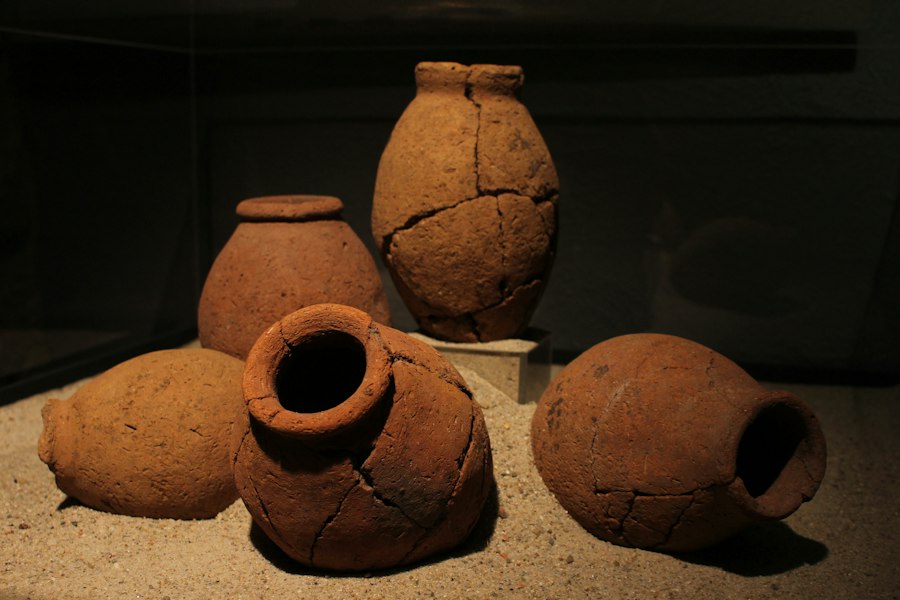
The Hittite Empire reached its peak during the Late Bronze Age, roughly from the 15th to the 13th centuries BCE. This era witnessed the Hittites emerge as a true superpower, engaging in complex diplomatic relations and epic military campaigns with the major powers of the time, most notably Egypt. Their strategic location, coupled with their military innovations, allowed them to control vital trade routes, particularly those involving iron, which was increasingly becoming a coveted commodity.
Military Innovations and the Chariot Corps
One of the most significant factors in the Hittite rise to power was their mastery of military technology. They were pioneers in the development and widespread use of the war chariot. Unlike the lighter, two-man chariots of some of their rivals, Hittite chariots were often heavier, three-man vehicles crewed by a driver, a shield-bearer, and an archer or spearmen. This heavier design provided greater stability and firepower, making their chariot corps a formidable force on the battlefield. Furthermore, the Hittites were early adopters and skilled manipulators of iron. While bronze remained the primary material for many weapons and tools, their increasing use and mastery of iron production gave them a technological edge, allowing for the creation of stronger and more durable weaponry.
The Great Powers of the Ancient Near East: Diplomacy and Conflict
The Late Bronze Age was characterized by a complex web of inter-state relations. The Hittite Empire found itself in direct competition and, at times, direct conflict with other major powers, the most prominent being the New Kingdom of Egypt. The legendary Battle of Kadesh, fought around 1274 BCE between the Hittite king Muwatalli II and the Egyptian pharaoh Ramesses II, is perhaps the most famous example of this rivalry. While both sides claimed victory, the battle ultimately resulted in a stalemate and led to one of the earliest surviving peace treaties. This treaty, inscribed on clay tablets, demonstrates the sophisticated diplomatic practices of the time, with provisions for mutual defense, extradition of fugitives, and the establishment of clear borders. The Hittites also engaged with the kingdoms of Mitanni, Assyria, and Babylonia, navigating a delicate balance of alliances, rivalries, and trade.
Governing a Vast Empire: Administration and Law
Governing an empire as vast as that of the Hittites required a sophisticated administrative system. The Hittite kings were absolute rulers, but they relied on a network of provincial governors and local officials to administer their territories. Law played a crucial role in maintaining order, and the Hittite Law Codes, preserved on cuneiform tablets, offer invaluable insights into their legal system. These codes are notable for their relative leniency compared to some other ancient legal systems, with a greater emphasis on compensation rather than retribution. They cover a wide range of offenses, from property disputes to crimes of violence, and reflect a society that valued order and stability. The administrative structure also involved extensive record-keeping, with archives detailing economic transactions, diplomatic correspondence, and religious observances, providing historians with a rich source of information.
Hittite Culture and Society
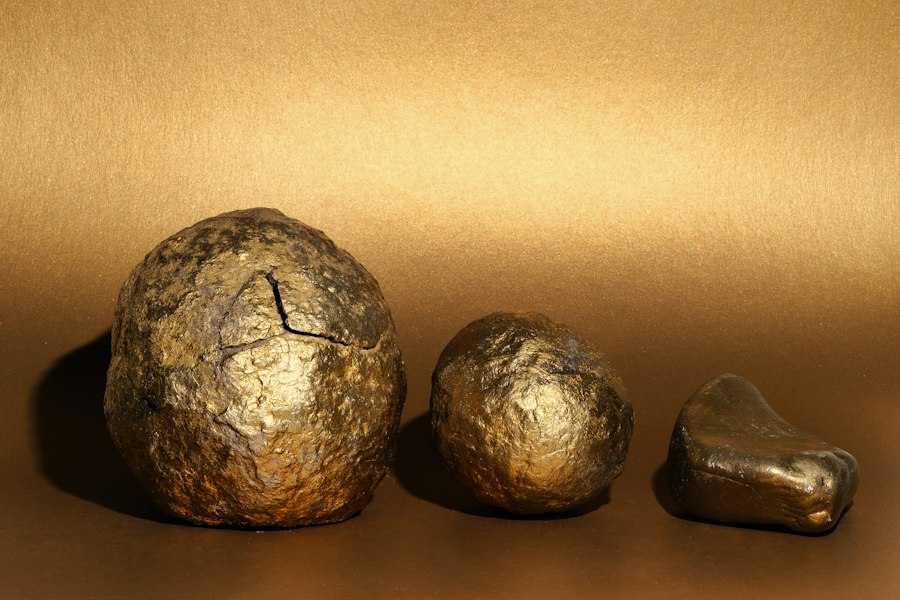
Beyond their military and political achievements, the Hittites possessed a rich and distinctive culture. Their religion was polytheistic, incorporating deities from various cultures they encountered. Their art and architecture, while influenced by neighboring civilizations, developed its own unique style, characterized by monumental stone constructions and intricate relief carvings.
Religious Beliefs and Practices
The Hittite pantheon was vast and diverse, reflecting the empire’s multicultural nature. They adopted and assimilated deities from the indigenous Hattians, Hurrians, and Mesopotamians, alongside their own Indo-European gods. Key deities included the storm god Teshub, the sun goddess of Arinna, and a multitude of other gods and goddesses associated with various aspects of life, warfare, and nature. Religious rituals, festivals, and sacrifices were central to Hittite society, performed to appease the gods, ensure prosperity, and maintain cosmic order. The king himself held a significant role as the chief priest and intermediary between the divine and human realms. Extensive temple complexes, such as those at Hattusa and Yazilikaya, served as centers of religious activity and were adorned with elaborate iconography.
Artistic Expression and Architectural Achievements
Hittite art and architecture bear the imprint of their interactions with other Bronze Age civilizations, particularly Mesopotamia and Egypt, yet they possess a distinct character. The city of Hattusa itself is a testament to their architectural prowess, featuring massive defensive walls, fortified gates, and impressive palace complexes. The Lion Gate and the Sphinx Gate are iconic examples of their monumental stonework, showcasing powerful animal motifs. The rock sanctuary of Yazilikaya, located near Hattusa, is a remarkable open-air temple featuring a stunning collection of bas-reliefs depicting processions of gods and goddesses. These reliefs, carved directly into the rock face, are characterized by their robust and somewhat stylized figures, a departure from the more refined aesthetics of their Egyptian contemporaries. Hittite artisans also produced intricate metalwork, pottery, and seals, all reflecting their artistic sensibilities and technical skills.
The Hittite Language and Literature
The Hittite language, written in a cuneiform script borrowed from Mesopotamia, provides a unique window into their intellectual life. While the administrative and legal documents were often written in Akkadian, the lingua franca of the region, Hittite itself was used for royal decrees, religious texts, and epics. The discovery of the Hittite archives at Hattusa has yielded a wealth of textual material, including myths, legends, historical annals, and even medical texts. The epic of Ullikummi, a myth about a stone monster, is a prominent example of Hittite mythology, revealing their cosmology and their understanding of the forces of chaos and order. The preservation of these texts is a remarkable feat, allowing scholars to reconstruct their language, literature, and worldview.
The Decline and Disappearance of an Empire
Despite its power and sophistication, the Hittite Empire eventually succumbed to a combination of internal stresses and external pressures. The collapse of the Late Bronze Age world, a widespread phenomenon that affected many civilizations, ultimately proved too much for the Hittites to withstand.
Internal Strife and Succession Issues
Like many ancient empires, the Hittites experienced periods of internal instability. Succession disputes among royal family members could lead to civil unrest and weaken the central authority. While the Hittite monarchy was hereditary, the rules of succession were not always clear-cut, leading to potential power struggles. Furthermore, the vastness of the empire meant that maintaining control over distant provinces could be challenging, and ambitious regional leaders might seek to assert their independence. While specific details are scarce, the later periods of Hittite history suggest a growing internal fragility that made the empire more vulnerable to external threats.
The Sea Peoples and the Bronze Age Collapse
The Late Bronze Age ended with a series of catastrophic events collectively known as the Bronze Age Collapse, which occurred around the 12th century BCE. The exact causes of this collapse are still debated by historians, but it is believed to have been a complex interplay of factors, including widespread invasions, climate change, famine, and internal rebellions. A key element in this collapse was the emergence of the mysterious “Sea Peoples,” a confederation of maritime raiders who attacked and destroyed settlements across the Eastern Mediterranean. The Hittite Empire, already weakened by internal issues, was unable to withstand the onslaught of these invaders. Hattusa was sacked and burned, marking the end of the empire as a major political entity.
The Neo-Hittite Kingdoms and Enduring Influence
The collapse of the Hittite Empire did not signify the complete disappearance of the Hittites or their cultural influence. In the aftermath of the Bronze Age Collapse, smaller Neo-Hittite kingdoms emerged in southern Anatolia and northern Syria. These kingdoms, while not possessing the same imperial reach, maintained Hittite traditions, language, and artistic styles for several centuries. They continued to be centers of Hittite culture, albeit on a smaller scale, and played a role in the regional politics of the Iron Age. The memory and influence of the Hittite Empire persisted, shaping the cultural and political landscape of the Near East for generations.
The Late Bronze Age Hittite Empire, known for its advanced culture and significant influence in the ancient Near East, faced a mysterious decline that has intrigued historians for years. Understanding the factors that contributed to the collapse of such a powerful civilization can shed light on broader patterns of societal failure. For a deeper exploration of this phenomenon, you can read about the sudden collapse of ancient civilizations in this insightful article. The complexities surrounding the Hittites’ downfall are just one example of how interconnected factors can lead to the demise of great empires, as discussed in this article.
The Enduring Legacy of the Hittites
| Metric | Data / Description |
|---|---|
| Time Period | c. 1400 BCE – 1200 BCE |
| Capital City | Hattusa |
| Territorial Extent | Approx. 160,000 sq km (at peak) |
| Population Estimate | Several hundred thousand (est.) |
| Language | Hittite (Indo-European) |
| Major Rulers | Suppiluliuma I, Muwatalli II, Hattusili III |
| Military Strength | Chariot-based army, estimated thousands of soldiers |
| Key Conflicts | Battle of Kadesh (c. 1274 BCE) against Egypt |
| Writing System | Cuneiform script adapted from Mesopotamian models |
| Religion | Polytheistic, worship of storm god Teshub and others |
| Economic Activities | Agriculture, trade in metals, textiles, and horses |
| Collapse | c. 1200 BCE, part of the Late Bronze Age collapse |
The Hittite Empire may have vanished from the political map of the ancient world, but its legacy is far from forgotten. The archaeological discoveries and the decipherment of their written records have revolutionized our understanding of the Late Bronze Age. Their contributions to law, diplomacy, and military technology left an indelible mark on the course of history.
Archaeological Discoveries and Historical Reconstruction
The rediscovery and excavation of Hattusa in the late 19th and early 20th centuries marked a turning point in the study of the Hittites. The vast archives of clay tablets, unearthed from the ruins of the capital, provided a wealth of primary source material. The decipherment of the Hittite language, a monumental linguistic achievement, allowed scholars to read these texts and begin to piece together the history, culture, and society of this enigmatic civilization. Archaeological evidence, from monumental architecture to everyday artifacts, continues to shed light on their daily lives, their economic activities, and their interactions with other cultures. These discoveries have not only illuminated the Hittite world but have also provided crucial context for understanding the broader dynamics of the ancient Near East.
Contributions to Law and Diplomacy
The Hittite Law Codes stand as a significant contribution to the development of legal thought in the ancient world. Their emphasis on compensation and proportionality, while not modern in its outlook, represented a more humane approach to justice compared to some contemporary legal systems. The Hittite Empire’s extensive diplomatic correspondence and the famous Treaty of Kadesh demonstrate a sophisticated understanding of international relations. The principles of treaty-making, mutual recognition, and the establishment of diplomatic channels developed by the Hittites influenced subsequent diplomatic practices in the region, setting precedents for interstate relations.
A Bridge Between Civilizations
The Hittites occupied a crucial geographical position, acting as a bridge between the civilizations of the Aegean, Anatolia, Mesopotamia, and Egypt. Their empire facilitated the exchange of goods, ideas, and technologies across this vast region. They were not merely recipients of cultural influence but active participants in shaping the interconnected world of the Late Bronze Age. Their mastery of iron, their unique artistic styles, and their complex administrative systems all contributed to the rich tapestry of ancient Near Eastern civilization. The study of the Hittites reminds us that history is not a linear progression but a complex interplay of rising and falling powers, cultural diffusion, and enduring legacies that continue to resonate through the ages. Their story is a testament to human ingenuity, resilience, and the enduring quest for order and power in a constantly changing world.

Your 401(k) Withdrawal Can Make More of Your Social Security Taxable
FAQs
What was the Late Bronze Age Hittite Empire?
The Late Bronze Age Hittite Empire was an ancient civilization that existed in Anatolia (modern-day Turkey) from around 1600 to 1178 BCE. It was one of the great powers of the ancient Near East during this time period.
What were some key characteristics of the Hittite Empire?
The Hittite Empire was known for its advanced military tactics, use of chariots in warfare, and its extensive trade networks. They were also known for their use of cuneiform writing and their religious practices.
Who were the rulers of the Hittite Empire?
Some of the most famous rulers of the Hittite Empire include Hattusili I, Mursili I, and Suppiluliuma I. These kings were known for their military conquests and their efforts to expand the empire’s territory.
What led to the decline of the Hittite Empire?
The Hittite Empire faced various challenges in its later years, including invasions by the Sea Peoples, internal unrest, and conflicts with neighboring powers such as Egypt and Assyria. These factors contributed to the eventual collapse of the empire around 1178 BCE.
What is the legacy of the Hittite Empire?
The Hittite Empire left behind a rich cultural legacy, including their contributions to art, architecture, and literature. They also influenced later civilizations in the region and are considered an important part of the ancient Near Eastern history.