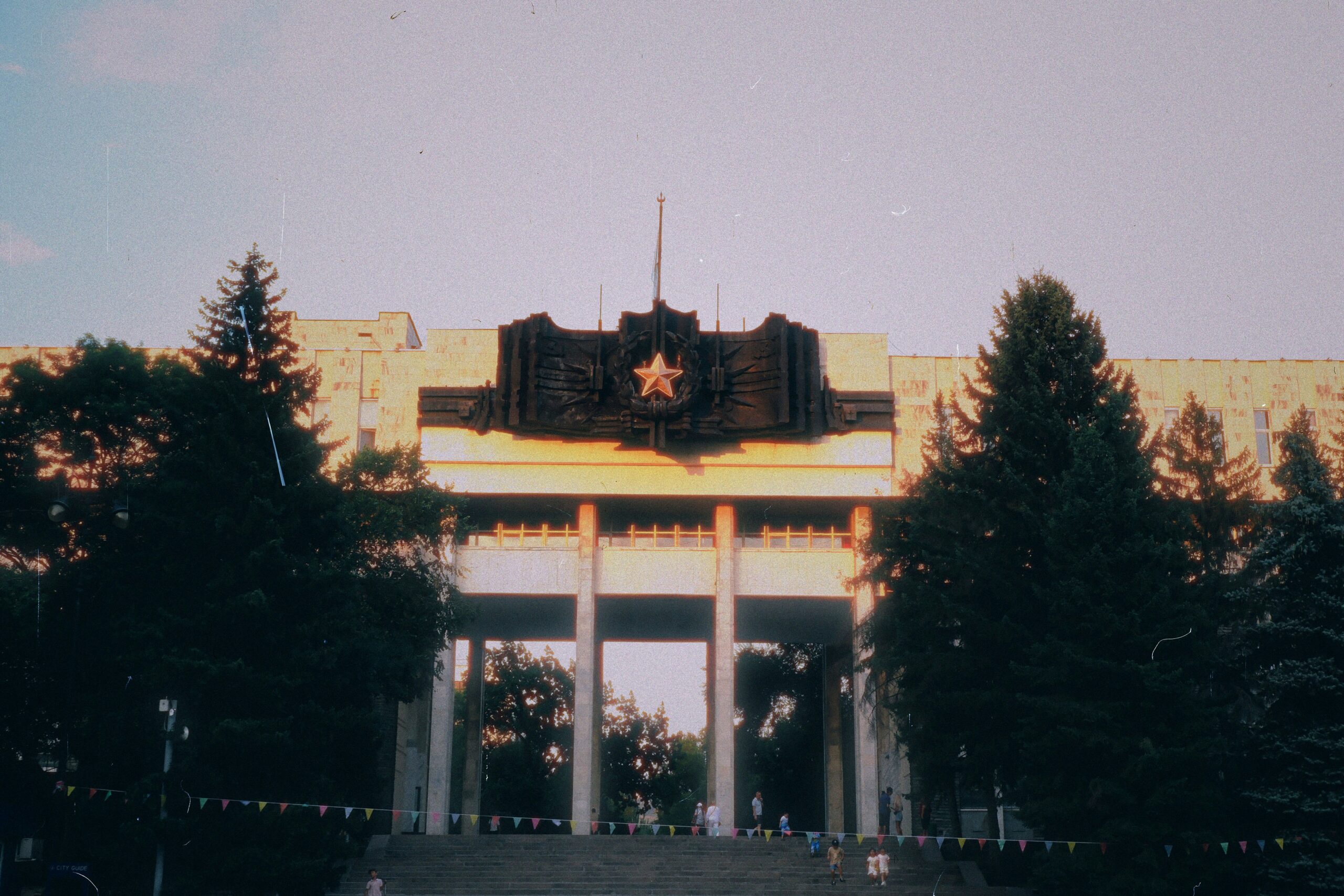
The flickering images of a bygone era often paint a monolithic picture of the Soviet Union, a narrative frequently dominated by political upheavals, ideological struggles, and the stark realities of the Cold War. Yet, beneath this familiar surface lies a profound and often overlooked legacy: that of Soviet engineering. The documentary, aptly titled “The Legacy of Soviet Engineering,” delves into this less explored territory, revealing a world of monumental ambition, ingenious problem-solving, and a relentless drive to shape the physical landscape of a vast nation. This film is not merely a historical account; it is an immersive exploration of the human ingenuity, the societal forces, and the sheer willpower that powered an industrial and technological revolution on an unprecedented scale.
The genesis of Soviet engineering is inextricably linked to the very creation of the Soviet state. Following the tumultuous years of revolution and civil war, the nascent Bolshevik government was faced with a daunting task: to transform a largely agrarian, underdeveloped nation into an industrial powerhouse capable of competing with the West and securing its own survival. This ambition was not just an economic aspiration; it was a fundamental tenet of Marxist-Leninist ideology, which posited that industrialization was the key to achieving a communist society.
The Imprint of Ideology on Design and Development
The ideological underpinnings of the Soviet system profoundly shaped its engineering priorities and methodologies. Efficiency, standardization, and mass production were not merely desirable outcomes but were elevated to the status of social virtues. The construction of immense factories, designed to churn out goods at a relentless pace, became symbolic of the nation’s progress. Architects and engineers were tasked with creating structures that were not only functional but also embodied the ideals of collective effort and socialist progress. This often resulted in a utilitarian aesthetic, prioritizing durability and scale over ornamentation. The documentary highlights how this ideological imperative drove the creation of vast industrial complexes, which served as the engine of Soviet economic growth.
The Role of Centralized Planning and Resource Allocation
A defining characteristic of Soviet engineering was its reliance on a highly centralized planning system. Gosplan, the State Planning Committee, dictated production quotas, allocated resources, and set development targets for virtually every sector of the economy. While this system facilitated the mobilization of resources on a massive scale for state-driven projects, it also presented significant challenges. The documentary illustrates how this top-down approach could stifle innovation and lead to inefficiencies, as local needs and on-the-ground realities were not always adequately considered. Nevertheless, it was this very system that enabled the construction of projects that would have been unimaginable in more market-driven economies, from the colossal hydroelectric dams to the vast railway networks.
Early Triumphs and the Spirit of Innovation
Despite the limitations of centralized planning, the early years of Soviet engineering were marked by remarkable achievements. The construction of the Turkestan-Siberia Railway, a vital link connecting the agricultural heartland to the industrial centers, stands as a testament to the sheer determination and resourcefulness of Soviet engineers and workers. The documentary showcases the grueling conditions and the innovative solutions employed to overcome immense geographical and logistical hurdles. This era also saw the emergence of pioneering figures who laid the groundwork for future technological advancements, demonstrating an early capacity for innovation born out of necessity.
For those interested in the intersection of engineering and environmental issues, a related article that explores the urgent need for action on climate change can be found at The Climate Emergency: A Call to Action. This piece delves into how innovative engineering solutions can play a crucial role in addressing the challenges posed by the climate crisis, paralleling the advancements seen in Soviet engineering during its peak.
Monumental Ambitions: Engineering the Soviet Landscape
The Soviet Union was a land of vast distances and diverse landscapes, and its engineering endeavors reflected a desire to conquer and tame these natural forces. From the frozen expanses of Siberia to the arid steppes, Soviet engineers left an indelible mark on the physical terrain, undertaking projects of unprecedented scale and ambition. The documentary vividly portrays these colossal undertakings, showcasing the audacity and engineering prowess that defined this era.
The Power of Water: Hydroelectric Dams as Symbols of Progress
Hydroelectric power was a cornerstone of the Soviet Union’s industrialization strategy. The construction of colossal dams across major rivers was not just about generating electricity; it was a potent symbol of humanity’s ability to harness and control nature for the betterment of society. The documentary explores the engineering marvels of dams like the Bratsk Hydroelectric Power Station, one of the largest in the world, and the ambitious, though often controversial, plans for diverting rivers. These projects involved the relocation of entire villages, the creation of massive reservoirs, and the deployment of enormous construction machinery, all orchestrated by a centralized command. The film delves into the technical challenges faced, from dealing with permafrost to managing the immense water pressure, and the social and environmental consequences that often accompanied these gargantuan constructions.
Connecting the Nation: The Trans-Siberian and Beyond
The vastness of the Soviet Union necessitated an equally vast transportation network. The Trans-Siberian Railway, initiated during the Tsarist era but significantly expanded and modernized under Soviet rule, was a lifeline for the nation, facilitating the movement of goods, people, and military forces across its immense territory. The documentary highlights the continuous efforts to expand and improve this network, as well as the construction of new railway lines and highways, often through challenging terrain. It illustrates how these infrastructure projects were not merely about transportation; they were strategic tools for national integration, economic development, and military preparedness. The engineering feats involved in bridging rivers, tunneling through mountains, and laying tracks across permafrost were truly extraordinary.
Shaping the Earth: Industrial Cities and Agricultural Lands
Beyond infrastructure, Soviet engineering played a crucial role in reshaping the land itself for industrial and agricultural purposes. The creation of entirely new industrial cities, often built from scratch in remote locations, was a common phenomenon. These cities, designed to house workers and facilitate production, were often characterized by their functional layouts and their integration with the surrounding industrial complexes. The documentary also examines the ambitious agricultural projects, such as the Virgin Lands campaign, which aimed to cultivate vast tracts of previously unfarmed land. While these projects had significant environmental impacts, they represented a bold, albeit often flawed, attempt to maximize the nation’s agricultural output.
The Space Race: Pushing the Boundaries of Human Endeavor

Perhaps no other field better encapsulates the ambition and ingenuity of Soviet engineering than the space race. In a technological and ideological competition with the United States, Soviet scientists and engineers achieved a series of groundbreaking firsts, capturing the imagination of the world and demonstrating a remarkable capacity for innovation and precision. The documentary dedicates significant attention to this monumental achievement, showcasing the dedication and brilliance that propelled humanity beyond Earth’s atmosphere.
From Sputnik to Gagarin: The Dawn of the Space Age
The launch of Sputnik 1 in 1957 was a seismic event, marking the beginning of the space age and a stunning demonstration of Soviet technological prowess. The documentary revisits the story of this unassuming satellite and the subsequent triumph of Yuri Gagarin, the first human to journey into space. These achievements were the culmination of years of intense research, development, and meticulous engineering. The film highlights the intricate design of the rockets, the life-support systems, and the sophisticated guidance technologies that made these missions possible. It underscores the immense pressure and secrecy surrounding these projects, as well as the personal sacrifices made by the engineers and cosmonauts involved.
The Pursuit of Lunar Dominance and Beyond
While the United States ultimately landed on the Moon, the Soviet Union’s ambitions in lunar exploration were no less significant. The documentary touches upon the Soviet lunar program, including its robotic missions and the development of powerful rockets like the N1. It also explores the broader ambitions of the Soviet space program, including its advancements in orbital stations and interplanetary probes. The film reveals the complex interplay of scientific discovery, technological development, and political propaganda that fueled this cosmic rivalry. The engineering challenges involved in developing reusable spacecraft, long-duration life support, and advanced propulsion systems were immense, and Soviet engineers rose to meet them with remarkable ingenuity.
The Unseen Architects: The Teams Behind the Triumphs
“The Legacy of Soviet Engineering” emphasizes that these extraordinary achievements were not the work of solitary geniuses but of vast, organized teams of engineers, scientists, technicians, and workers. The documentary sheds light on the collaborative environment within Soviet design bureaus and research institutes, where hundreds, even thousands, of individuals worked in concert towards shared objectives. It explores the organizational structures, the training programs, and the rigorous testing procedures that were essential to the success of these complex projects. The film aims to recognize the collective effort and the unsung heroes who operated in the shadows of celebrated figures.
The Human Element: Resilience, Sacrifice, and Ingenuity
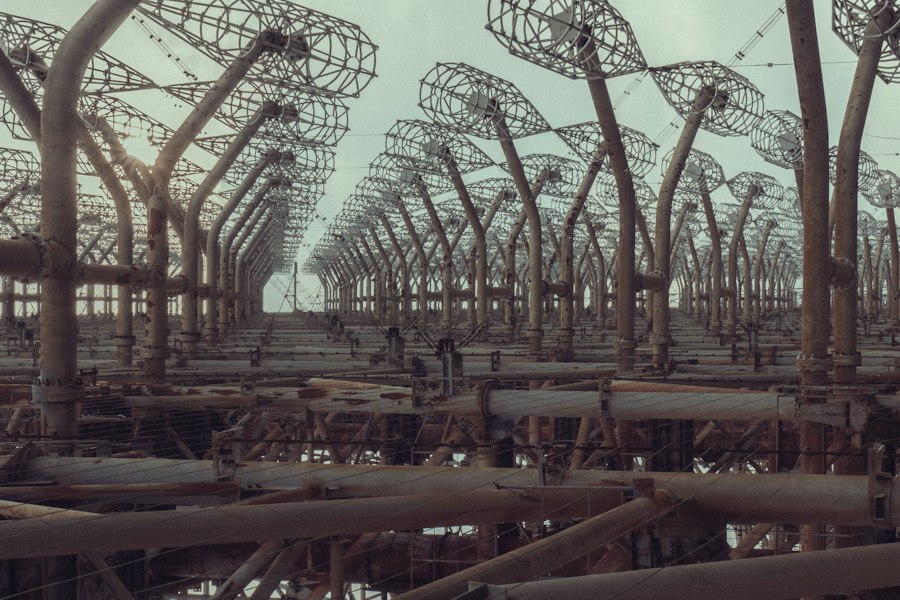
Behind every colossal dam, every soaring rocket, and every sprawling factory, there were people. The documentary “The Legacy of Soviet Engineering” never loses sight of the human element that underpinned these immense undertakings. It explores the lives, motivations, and sacrifices of the engineers, workers, and even the ordinary citizens who were impacted by these grand projects.
The Everyday Engineers: Building the Backbone of the Nation
While the documentary may focus on the headline-grabbing projects, it also dedicates time to the countless engineers and technicians who toiled away in less glamorous roles, ensuring the smooth functioning of the Soviet industrial machine. These were the individuals responsible for designing everyday infrastructure, maintaining complex machinery, and ensuring the quality of countless products. Their work was essential to the functioning of society, and the film attempts to bring their contributions to the forefront, highlighting their dedication and technical expertise in the face of often challenging working conditions.
The Price of Progress: Social and Environmental Impacts
The documentary is commendably balanced in its portrayal of Soviet engineering. It does not shy away from the significant social and environmental costs that often accompanied these ambitious projects. The forced relocation of communities for dam construction, the pollution generated by industrial complexes, and the ecological consequences of large-scale agricultural endeavors are all explored. The film prompts viewers to consider the trade-offs made in the pursuit of rapid industrialization and the long-term implications of these engineering decisions. It acknowledges that progress often comes at a price, and in the Soviet context, this price was sometimes borne by ordinary citizens and the environment.
The Enduring Spirit of Problem-Solving
Despite the inherent challenges of the Soviet system, a remarkable spirit of ingenuity and problem-solving persisted. Faced with limited resources, bureaucratic hurdles, and often outdated technology, Soviet engineers frequently found innovative ways to overcome obstacles. The documentary showcases instances where clever workarounds, ingenious adaptations of existing technologies, and a deep understanding of materials and physics allowed projects to move forward. This resourceful approach, born out of necessity, is presented as a crucial aspect of the Soviet engineering legacy.
The fascinating world of Soviet engineering is explored in a captivating documentary that delves into the innovative designs and ambitious projects of the era. This documentary highlights the remarkable achievements and challenges faced by engineers during a time of intense political and social change. For those interested in understanding the broader implications of global manufacturing trends, a related article discusses the recent shift of companies moving to Mexico from China, which can be found here. This connection between historical engineering feats and contemporary economic shifts offers valuable insights into the evolution of industrial practices.
A Legacy Re-examined: Lessons for the Future
| Metric | Details |
|---|---|
| Title | Soviet Engineering Documentary |
| Duration | 90 minutes |
| Release Year | 1985 |
| Focus Areas | Industrial machinery, aerospace technology, civil engineering |
| Number of Episodes | 1 (Feature-length) |
| Language | Russian (with English subtitles) |
| Production Studio | Mosfilm |
| Viewership | Estimated 5 million viewers in USSR |
| Technical Innovations Highlighted | Hydroelectric power plants, space rocket design, heavy machinery |
| Archival Footage Used | Yes, extensive |
“The Legacy of Soviet Engineering” is more than just a historical retrospective; it is an invitation to re-examine a significant chapter of human achievement and to draw lessons that remain relevant today. The film encourages a nuanced understanding of the Soviet engineering experience, moving beyond simplistic narratives of triumph or failure.
The Power of Collective Will and National Mobilization
One of the most striking takeaways from the documentary is the sheer power of collective will and national mobilization. When the Soviet state set its mind to a goal, it could marshal resources and coordinate efforts on a scale that is rarely seen in the modern world. This capacity for large-scale, coordinated action is a potent reminder of what can be achieved when a nation is united behind a common purpose, even if that purpose is ideologically driven.
The Perils of Unchecked Centralization and the Importance of Adaptability
Conversely, the documentary also serves as a cautionary tale about the potential pitfalls of unchecked centralization and the need for adaptability. The rigidities of the Soviet planning system, while enabling certain achievements, also stifled innovation and created vulnerabilities. The film implicitly suggests that a more flexible, responsive approach, one that embraces diverse perspectives and local knowledge, is often more conducive to sustainable progress.
The Enduring Impact on the Global Stage
The documentary underscores that the legacy of Soviet engineering extends far beyond the borders of the former Soviet Union. Many of the technologies, design principles, and infrastructure projects developed during the Soviet era continue to function and influence development in post-Soviet nations and beyond. Furthermore, the scientific and technical expertise nurtured within the Soviet system has contributed to global advancements in various fields. By revisiting and re-evaluating this legacy, we gain a deeper appreciation for the complex tapestry of technological history and the enduring impact of human ingenuity, regardless of the political system in which it operates. The film leaves the viewer with a profound sense of the scale and scope of what Soviet engineers accomplished, prompting a contemplation of both their remarkable achievements and the enduring lessons they offer.

They Drilled 12 KM Into Earth — Then Everything Changed
FAQs
What is the Soviet engineering documentary about?
The Soviet engineering documentary explores the history and achievements of engineering in the Soviet Union, showcasing various projects, innovations, and technologies developed during that time.
Who produced the Soviet engineering documentary?
The documentary was produced by a team of filmmakers and historians who specialize in Soviet history and engineering, aiming to provide an in-depth look at the advancements made in the field.
When was the Soviet engineering documentary released?
The release date of the Soviet engineering documentary may vary depending on the specific production, but it is typically available for viewing on various platforms and at events dedicated to showcasing historical documentaries.
Where can I watch the Soviet engineering documentary?
The Soviet engineering documentary may be available for viewing on streaming platforms, historical documentary channels, or through special screenings at museums, universities, or film festivals.
Why is the Soviet engineering documentary significant?
The documentary sheds light on the often overlooked contributions of Soviet engineers and scientists to various industries, highlighting their impact on technology, infrastructure, and innovation during a pivotal period in history.