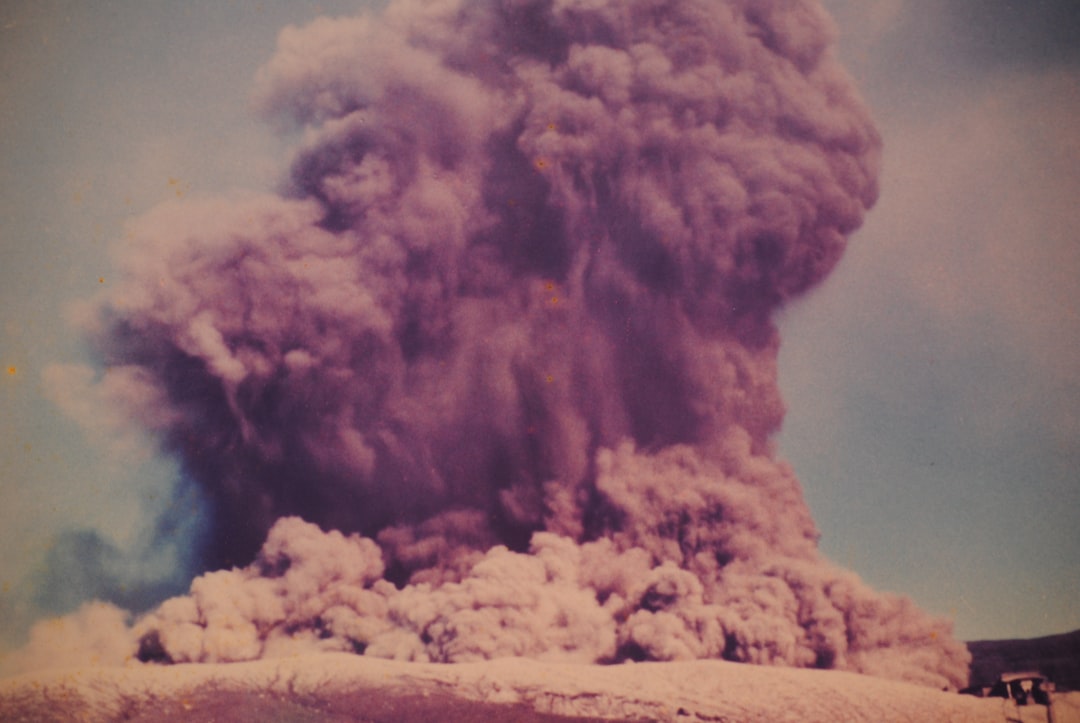
The current global geopolitical landscape suggests a significant re-escalation in the field of nuclear armaments, a trend aptly termed by many analysts as “The Looming Nuclear Arms Race.” This development, while not entirely unprecedented in the annals of international relations, presents unique challenges and carries profound implications for global stability and human security. The historical context of nuclear proliferation, the motivations driving contemporary advancements, the inherent risks, potential pathways to de-escalation, and the imperative for international cooperation all warrant meticulous examination.
The post-Cold War era witnessed a temporary lull in the overt competition for nuclear supremacy, largely due to the collapse of the Soviet Union and a subsequent period of rapprochement between major powers. However, the last decade has seen a discernible shift, characterized by a renewed emphasis on military modernization programs, including significant investments in nuclear deterrents. This resurgence is fueled by a complex interplay of factors, often rooted in perceived threats and a desire to maintain or gain strategic advantage.
Shifting Geopolitical Alliances and Rivalries
The unipolar moment following the Cold War has yielded to a more multipolar world. The rise of China as a military and economic powerhouse, coupled with Russia’s renewed assertiveness on the global stage, has introduced new dynamics to international relations. Traditional alliances are being re-evaluated, and new partnerships are forming, each with implications for nuclear postures. The perception of threats from rival nations often serves as a primary driver for developing or upgrading nuclear arsenals, creating a feedback loop of suspicion and escalation.
The Erosion of Arms Control Treaties
A cornerstone of nuclear non-proliferation and disarmament efforts during the Cold War was a robust framework of arms control treaties. These agreements, such as the Intermediate-Range Nuclear Forces (INF) Treaty and the Open Skies Treaty, provided mechanisms for transparency and limitations on certain types of weapons. Their recent abrogation or expiration, without readily available replacements, has created a vacuum, allowing nations greater latitude in pursuing nuclear weapon development without the constraints of international oversight. This erosion is akin to removing safety rails from a high-wire act, increasing the peril for all participants.
Technological Advancements and “New Physics” Weapons
Beyond sheer numbers, the nature of nuclear weapons is also evolving. Significant technological advancements, particularly in areas like hypersonic delivery systems, artificial intelligence (AI) for command and control, and stealth technologies, are blurring the lines between conventional and nuclear warfare. The development of “new physics” weapons, while often speculative, adds another layer of complexity, raising concerns about novel destructive capabilities. These advancements often fuel anxieties, as states fear falling behind their adversaries in a technologically driven arms race, further propelling development.
The ongoing discussions surrounding the nuclear arms race have been significantly influenced by historical events and international treaties. For a deeper understanding of the complexities involved in nuclear proliferation and disarmament efforts, you can read a related article that explores these themes in detail. Check it out here: Nuclear Arms Race: A Historical Perspective.
The Proliferation Landscape: A Multifaceted Challenge
Nuclear proliferation is not solely confined to established nuclear powers. The desire for nuclear capabilities extends to other nations, often driven by regional security concerns, national prestige, or a perceived deterrent against more powerful adversaries. This horizontal proliferation presents distinct dangers, as the more hands that possess these weapons, the higher the likelihood of their eventual use.
Vertical Proliferation: Modernization and Expansion
Existing nuclear weapon states (NWS) are actively engaged in what is termed “vertical proliferation,” which involves modernizing their existing arsenals and, in some cases, expanding their capabilities. This includes developing new warhead designs, improving missile accuracy and range, and enhancing the survivability of their nuclear forces. Such modernization efforts are often presented as necessary to maintain a credible deterrent, but they can be perceived by other nations as escalatory, prompting them to initiate their own modernization programs. It’s a continuous cycle, like an endless upward spiral.
Horizontal Proliferation: The Spread to New States
The acquisition of nuclear weapons by states that do not currently possess them, known as “horizontal proliferation,” remains a paramount concern. Nations like North Korea have demonstrated their resolve in developing nuclear capabilities despite international sanctions and condemnation. Other nations, facing perceived existential threats or seeking to enhance their geopolitical standing, may be tempted to follow suit. The prospect of more states possessing nuclear weapons significantly increases the risk of regional conflicts escalating to nuclear exchanges, and enhances the likelihood of non-state actors potentially acquiring such materials.
The Role of Dual-Use Technologies
Many technologies crucial for civilian nuclear energy programs, such as uranium enrichment and plutonium reprocessing, can also be used to produce fissile material for nuclear weapons. This “dual-use” nature makes it challenging to prevent proliferation while simultaneously promoting the peaceful use of nuclear technology. The international community grapples with the delicate balance of preventing the diversion of these technologies for military purposes while allowing nations to pursue legitimate energy needs. It’s a tightrope walk where a misstep can have catastrophic consequences.
The Undeniable Risks of a New Arms Race

The primary concern stemming from a renewed nuclear arms race is the heightened risk of nuclear conflict, whether through deliberate intent, miscalculation, or accident. The sheer destructive power of nuclear weapons demands an utmost commitment to their non-use, yet the conditions fostering a new race actively erode this commitment.
Increased Risk of Miscalculation and Accidental War
In an environment of elevated tensions and rapid technological change, the risk of miscalculation or accident significantly increases. Early warning systems, while sophisticated, are not infallible. The development of AI-driven decision-making in military contexts raises concerns about autonomous systems potentially escalating conflicts without sufficient human oversight. A false alarm, a technical glitch, or a misinterpretation of an adversary’s actions could trigger a devastating response, leading to an accidental nuclear war. This is like playing a high-stakes game of global roulette, where the consequences of a single error are unimaginable.
The Nuclear Winter Scenario
The scientific consensus on the climatic effects of a large-scale nuclear exchange, even a “limited” one by comparison to the Cold War scenarios, remains dire. The concept of “nuclear winter” describes the global cooling that would result from soot and dust injected into the atmosphere, blocking sunlight and severely disrupting agricultural production. Such an event would lead to widespread famine and ecological collapse, threatening the very survival of humanity, regardless of who initiated the conflict. It is a stark reminder that in a nuclear war, there are no winners.
Proliferation to Non-State Actors
Another terrifying specter raised by a new arms race is the potential for nuclear materials or even complete weapons falling into the hands of non-state actors, such as terrorist organizations. The more nations that possess nuclear weapons, and the less secure some of these arsenals might be, the greater the opportunity for diversion or theft. The consequences of such an event would be catastrophic, as terrorist groups operate outside the established norms of international law and deterrence.
Pathways to De-escalation and Disarmament

Despite the grim outlook, pathways to de-escalation and ultimately disarmament remain viable, provided there is collective political will and sustained diplomatic effort. Historical precedents demonstrate that cooperation on nuclear issues is possible, even between adversaries.
Reinvigorating Arms Control Diplomacy
The most immediate and critical step is to reinvigorate arms control diplomacy. This involves restarting negotiations on new treaties that address modern nuclear weapon systems and proliferation challenges, replacing the treaties that have expired or been abrogated. These new agreements should aim for greater transparency, verifiable limitations, and mechanisms for dispute resolution. A renewed commitment to dialogue and trust-building measures is paramount. It’s about rebuilding bridges that have been allowed to crumble.
Strengthening Non-Proliferation Regimes
The Nuclear Non-Proliferation Treaty (NPT) remains the cornerstone of the global non-proliferation regime. Strengthening its three pillars – non-proliferation, disarmament, and the peaceful uses of nuclear energy – is crucial. This includes universal adherence to the NPT, strict enforcement of IAEA safeguards, and efforts to resolve regional proliferation challenges through diplomatic means. The NPT is not perfect, but it is a vital framework that needs unwavering support.
Investing in Confidence-Building Measures
Beyond formal treaties, investing in confidence-building measures (CBMs) can help reduce tensions and prevent miscalculation. This includes increased military-to-military communication, joint exercises focused on transparency, and agreed-upon protocols for managing crises. CBMs can help foster understanding and reduce the likelihood of unintended escalation, acting as a crucial lubricant in the gears of international relations.
Universalizing the Comprehensive Test Ban Treaty
The Comprehensive Nuclear-Test-Ban Treaty (CTBT) prohibits all nuclear weapons test explosions. While widely signed, its entry into force requires ratification by all specified states. Universalizing the CTBT would be a significant step towards preventing the development of new types of nuclear weapons and enhancing global security. It’s a clear signal that the international community is serious about curbing nuclear development.
The ongoing discussions surrounding the nuclear arms race have sparked significant interest in global security dynamics. A related article that delves deeper into the implications of this race can be found on Real Lore and Order, which explores the historical context and current developments in nuclear proliferation. For those looking to understand the complexities of this issue, the article provides valuable insights into how nations are responding to the challenges posed by nuclear capabilities. You can read more about it in this informative piece here.
The Imperative for International Cooperation
| Country | Estimated Nuclear Warheads | Year of First Nuclear Test | Maximum Warheads Held | Current Nuclear Delivery Systems |
|---|---|---|---|---|
| United States | 5,428 | 1945 | 31,255 (1967) | ICBMs, SLBMs, Strategic Bombers |
| Russia | 5,889 | 1949 | 45,000+ (1986) | ICBMs, SLBMs, Strategic Bombers |
| China | 350 | 1964 | ~400 (current) | ICBMs, SLBMs, Bombers |
| France | 290 | 1960 | ~540 (1990s) | SLBMs, Strategic Bombers |
| United Kingdom | 225 | 1952 | ~500 (1980s) | SLBMs, Strategic Bombers |
| India | 160 | 1974 | ~160 (current) | Short and Medium Range Ballistic Missiles |
| Pakistan | 165 | 1998 | ~165 (current) | Short and Medium Range Ballistic Missiles |
| North Korea | 40-50 (estimated) | 2006 | ~40-50 (current estimate) | Short and Medium Range Ballistic Missiles |
Ultimately, addressing the looming nuclear arms race requires unprecedented levels of international cooperation. No single nation can unilaterally solve this global challenge; it demands a collective effort and a shared commitment to a safer, more secure future.
The Role of International Organizations
International organizations, particularly the United Nations and the International Atomic Energy Agency (IAEA), play indispensable roles in facilitating dialogue, monitoring compliance, and promoting norms against nuclear proliferation. Strengthening these institutions and ensuring their mandates are adequately supported is critical. They serve as essential forums for global governance and collective action.
Public Awareness and Advocacy
Public awareness and advocacy are also vital components in preventing a new nuclear arms race. Educating citizens about the profound risks of nuclear weapons and empowering them to demand action from their governments can create political pressure for disarmament and arms control. A well-informed populace is a powerful force for change. It’s about lighting a fire of understanding and concern in the hearts and minds of people worldwide.
The Ethical Dimension
Beyond the strategic and political considerations, there lies a profound ethical dimension to nuclear weapons. Their indiscriminate destructive power and the potential for long-term planetary devastation raise fundamental questions about humanity’s responsibility to itself and to future generations. A renewed commitment to the principles of human dignity and the preservation of life must underpin all efforts to mitigate the nuclear threat.
In conclusion, the trajectory towards a new nuclear arms race is a perilous one, fraught with danger and demanding urgent attention. While the challenges are formidable, the collective historical experience of the Cold War and the ongoing efforts of international diplomacy offer a blueprint for navigating this complex terrain. The choice remains stark: to succumb to the dangerous cycle of escalation or to forge a path towards a future free from the existential threat of nuclear weapons. Direct engagement, robust arms control, and unwavering international cooperation are not merely desirable; they are essential for the survival and well-being of all humanity. The time for decisive action is now.
FAQs
What is the nuclear arms race?
The nuclear arms race refers to the competition between countries to develop and accumulate more powerful and numerous nuclear weapons. It primarily occurred during the Cold War between the United States and the Soviet Union.
When did the nuclear arms race begin?
The nuclear arms race began shortly after World War II, around the late 1940s, as the United States and the Soviet Union sought to build up their nuclear arsenals.
Which countries were the main participants in the nuclear arms race?
The main participants were the United States and the Soviet Union. Later, other countries such as the United Kingdom, France, China, and others also developed nuclear weapons, but the primary competition was between the US and USSR.
What were the consequences of the nuclear arms race?
The nuclear arms race led to the stockpiling of thousands of nuclear weapons, increased global tensions, and the risk of nuclear war. It also spurred arms control agreements aimed at limiting nuclear weapons.
How did the nuclear arms race end or slow down?
The arms race slowed down with the signing of various arms control treaties such as the Strategic Arms Limitation Talks (SALT), the Intermediate-Range Nuclear Forces Treaty (INF), and the Strategic Arms Reduction Treaty (START), along with the end of the Cold War in the early 1990s.