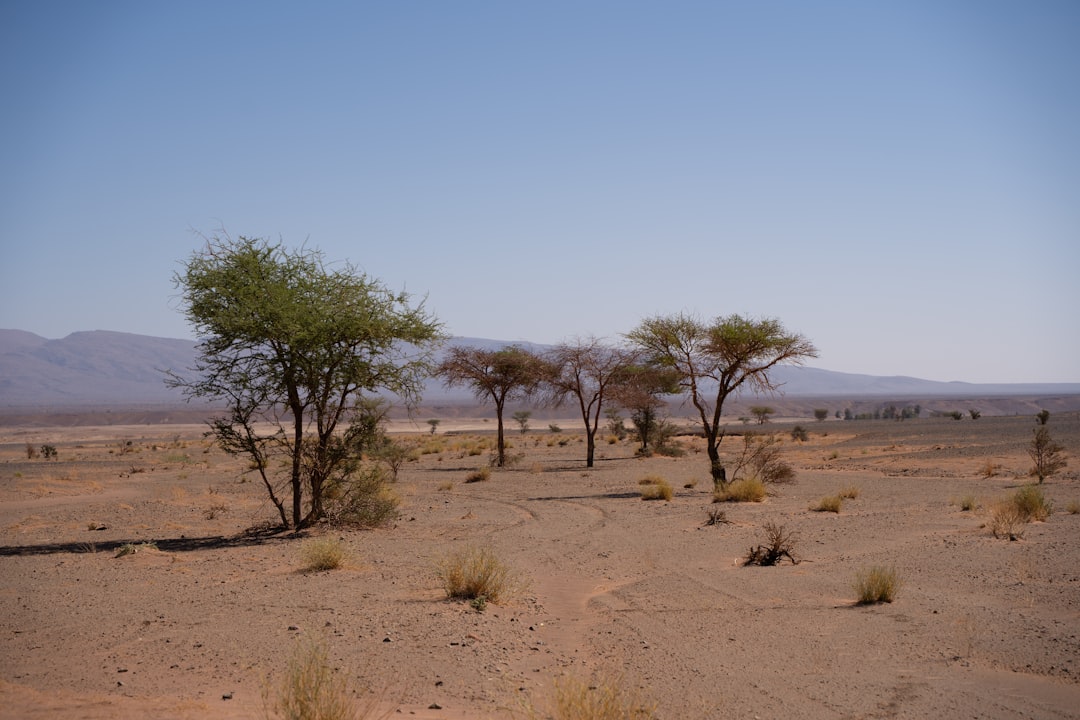
The whispers of a verdant Sahara, of a time when the now-scorched sands teemed with life and cradled forgotten civilizations, have long been the stuff of legends, a romantic echo resonating across geological epochs. While modern understanding paints a stark picture of arid expanses, an ever-growing body of archaeological and paleoclimatological evidence suggests that this verdant past was not merely a myth, but a tangible reality. The concept of “The Lost Kingdoms of Green Sahara” invites us to explore a world vastly different from our own, a testament to the planet’s dynamic nature and the resilience of human ingenuity. This article delves into the intriguing possibility of these lost realms, examining the environmental conditions that fostered them, the cultures that flourished within them, and the reasons for their eventual demise, leaving behind only the faintest imprints in the desert’s vast canvas.
The very notion of a “Green Sahara” hinges on a fundamental shift in Earth’s climate, a period known as the African Humid Period (AHP). Understanding this epoch is crucial to appreciating the conditions that allowed for the rise of these lost kingdoms.
The Holocene Climatic Optimum: A Transient Oasis
The AHP, often overlapping with the Holocene Climatic Optimum, roughly spanned from about 11,000 to 5,000 years ago. During this time, Africa’s monsoonal systems were significantly amplified, delivering far greater rainfall to regions that are now arid.
The Orbital Dance of Climate Change
The primary driver of this wetter Sahara was a subtle yet powerful shift in Earth’s orbital parameters, known as Milankovitch cycles. Variations in Earth’s axial tilt and the shape of its orbit around the sun influence the amount of solar radiation received by different parts of the globe.
Precession and its Impact
Specifically, the precession of the equinoxes played a key role. During the period of the AHP, the Earth’s perihelion (the point closest to the sun) coincided with the Northern Hemisphere’s summer. This resulted in stronger summer insolation in the Northern Hemisphere, leading to intensified monsoonal rains that penetrated deep into what is now the Sahara.
The Sahara as a Monsoon Recipient
Instead of the weak, localized rains of today, the Sahara experienced prolonged periods of significant precipitation. Rivers flowed, lakes formed, and vast grasslands, savannas, and even woodlands covered landscapes that are now barren dunes.
The Rise and Fall of Lake Chad: A Microcosm of Change
The history of Lake Chad mirrored the broader climatic shifts. During the AHP, as its watershed received increased rainfall, Lake Chad expanded dramatically, becoming a mega-lake that supported a thriving ecosystem and human populations.
A Glimpse into Abundance
Archaeological evidence around Lake Chad reveals a period of remarkable prosperity. Ancient shorelines are littered with artifacts indicative of settled agricultural communities, fishing villages, and evidence of long-distance trade.
The Mega-Chad Phenomenon
At its peak, the Mega-Chad was an inland sea, comparable in size to some of the world’s largest current lakes. Its existence underscores the immense capacity for hydrological change within the Sahel and Sahara regions.
The Retreat of the Waters
As orbital parameters shifted and the monsoonal rains receded, the AHP began to wane. The vast lakes dried up, the grasslands turned to savanna, and eventually, the desert began its inexorable advance, forcing adaptation or abandonment.
The concept of the Green Sahara, a period when the Sahara Desert was lush and inhabited by various species, draws intriguing parallels to other significant environmental transformations throughout history. For those interested in exploring more about hidden secrets of our planet, including the mysteries of Antarctica, a related article can be found at Unveiling Antarctica’s Hidden Secrets. This article delves into the climatic changes that have shaped our world, much like the Green Sahara, and offers insights into how these transformations impact our understanding of ancient ecosystems.
Unearthing the Kingdoms: Archaeological Evidence of Human Habitation
The romanticized “lost kingdoms” are not merely figments of imagination. Archaeological discoveries across the Sahara have unearthed compelling evidence of sophisticated human societies that thrived during the Green Sahara period. These findings challenge the long-held notion of the desert as an inherently uninhabitable wasteland.
Rock Art: A Window into a Lost World
One of the most vibrant and direct forms of evidence comes from the Saharan rock art. Thousands of engravings and paintings adorn cave walls and rock shelters, offering a vivid glimpse into the daily lives, beliefs, and environment of ancient peoples.
The Bovids and the Buffalo Hunters
Many of these artworks depict large herds of wild animals, including cattle, antelopes, elephants, and even giraffes, animals that are now absent from these hyper-arid regions. This strongly suggests a vastly different ecosystem capable of supporting such fauna.
The Tassili n’Ajjer: A Gallery of the Past
The Tassili n’Ajjer plateau in Algeria is particularly renowned for its extensive collection of rock art. Here, scenes of hunting, herding, dancing, and even complex social rituals are meticulously rendered, providing invaluable insights into the cultural tapestry of the Green Sahara.
The Stylistic Evolution of Art
The evolution of the artistic styles, from naturalistic depictions of animals to more stylized human figures, also offers clues about the development and changes within these societies over time.
Settlements and Artifacts: Traces of Civilized Life
Beyond the artistic expressions, archaeological excavations have uncovered the physical remains of settlements, tools, and other artifacts that speak to the presence of organized human communities.
Early Agriculturalists and Pastoralists
Evidence suggests a transition from hunter-gatherer lifestyles to more settled forms of subsistence, including agriculture and pastoralism, during the AHP.
The “Round Houses” of the Sahara
In many regions, archaeologists have found evidence of circular structures, often interpreted as dwellings or communal spaces. These sites are frequently associated with pottery fragments, grinding stones, and animal bones, indicating settled communities.
The Importance of Cattle Domestication
The widespread depiction of cattle in rock art, and the discovery of cattle bones in archaeological contexts, highlights the crucial role of pastoralism in these societies. This would have been a vital source of food, hides, and social status.
Adaptation to a Changing Environment
As the climate began to shift and arid conditions intensified, archaeological sites show evidence of adaptation, with people likely migrating towards remaining water sources or adopting more mobile lifestyles.
The Flourishing Cultures: Societies of the Green Sahara
The environmental conditions of the Green Sahara were not merely conducive to survival; they facilitated the development of diverse and complex human cultures. These societies, though often nomadic or semi-nomadic, developed sophisticated social structures, technologies, and belief systems.
Social Organization and Subsistence Strategies
The resources available in a wetter Sahara allowed for greater population density and the development of more elaborate social arrangements.
Hunter-Gatherer Bands and Their Territories
In some areas, hunter-gatherer groups likely roamed vast territories, following seasonal animal migrations and exploiting diverse plant resources. Their knowledge of the land and its cycles would have been paramount.
The Art of the Deep Desert Hunter
Rock art often depicts skilled hunters, their tools, and their quarry, illustrating the intricate relationship between humans and the abundant wildlife.
The Rise of Pastoralism and Sedentary Communities
As mentioned, pastoralism played a significant role. Communities likely developed around lakes, rivers, and oases, where they could sustain herds of cattle, sheep, and goats.
Nomadic Routes and Exchange Networks
Established nomadic routes probably facilitated exchange of goods and ideas between different groups, fostering a wider cultural sphere.
The Development of Early Agriculture
In areas with more stable water sources, early forms of agriculture may have emerged, supplementing pastoralist economies with cultivated grains and vegetables.
Technological Innovations and Adaptations
The challenges and opportunities presented by the Green Sahara environment spurred technological innovation.
Toolmaking and Craftsmanship
The discovery of finely crafted stone tools, pottery, and bone implements suggests a high degree of skill and knowledge in material manipulation.
The Versatility of Stone Tools
From grinding stones for preparing food to projectile points for hunting, stone tools were essential for daily life.
The Art of Pottery
Pottery, used for storage, cooking, and serving, became increasingly common, indicating settled life and the development of more complex culinary practices.
Water Management and Resource Exploitation
While the climate was wetter, managing and accessing water resources would still have been crucial, particularly during drier periods or in more marginal areas.
The Ingenuity of Early Hydrology
While large-scale irrigation may not have been prevalent, it is plausible that early communities developed techniques for collecting and storing rainwater, or for accessing underground water sources.
Spirituality and Belief Systems
The profound connection to the natural world, as depicted in the rock art, likely shaped the spiritual beliefs and practices of these societies.
Deities of Nature and Animals
It is reasonable to assume that many deities or spiritual entities were associated with the life-giving forces of nature: the rain, the sun, the rivers, and the abundant animal life.
The Sacredness of the Bovine
The prominent portrayal of cattle suggests they held not only economic but also spiritual significance, perhaps representing fertility, prosperity, or divine connection.
Rituals and Ceremonies
The depictions of dancing figures and communal gatherings hint at the existence of rituals and ceremonies, likely performed to ensure good harvests, successful hunts, and the continuation of life-giving rains.
The Fading Greens: The Decline of the Lost Kingdoms
The vibrant existence of the Green Sahara was not eternal. A gradual but inexorable shift in climate brought about the desertification of the region, leading to the decline and eventual disappearance of these lost kingdoms.
The Retreat of the Monsoons: A Climatic Turning Point
The primary driver of the Sahara’s transformation from a verdant land to an arid desert was the weakening of the African monsoonal system.
The Shifting Orbital Dance, Again
As Earth’s orbital parameters continued to change, the balance that had favored heavy summer rains in the Sahara began to tilt. The perihelion no longer coincided with the Northern Hemisphere’s summer, reducing the intensity of solar insolation.
The Weakening of the ITCZ
The Intertropical Convergence Zone (ITCZ), a belt of low pressure where the trade winds of the Northern and Southern Hemispheres converge, plays a crucial role in generating rainfall across Africa. As the climate shifted, the ITCZ retreated northward, leaving the Sahara drier.
Increased Aridity and Desertification
The reduced rainfall led to a gradual drying of the land. Rivers dwindled, lakes evaporated, and vegetation cover receded, paving the way for the expansion of desert conditions.
Environmental Degradation and Resource Scarcity
The changing climate placed immense pressure on the ecosystems and the human populations that depended on them.
The Impact on Flora and Fauna
The once-abundant grasslands and woodlands could no longer sustain the large herds of wild animals. Many species were driven to extinction or forced to migrate south, mirroring the later human migrations.
The Loss of Biodiversity
The rapid shift in environmental conditions resulted in a significant loss of biodiversity across the Sahara.
The Strain on Human Societies
For the human inhabitants, the decline of resources meant increased competition for dwindling water and food. This likely led to societal stresses, migrations, and conflict.
Adaptation and Migration: The Great Exodus
As their traditional lands became uninhabitable, populations were forced to adapt. Some may have migrated south into the Sahel region, where water and pastures were still available. Others may have congregated around remaining oases, leading to increased population density in these limited areas.
The “Catastrophic Drying” Event
While the process was likely gradual, there may have been periods of more rapid drying, exacerbating the challenges faced by these communities.
The transformation of the Sahara from a lush, green landscape to the arid desert we know today has intrigued researchers for years, shedding light on ancient human civilizations and their adaptations to climate change. A fascinating article that delves into the connections between climate shifts and societal collapse is available at this link, which explores how environmental factors played a crucial role in the Bronze Age collapse. Understanding these historical patterns can provide valuable insights into our current climate challenges and the resilience of societies throughout history.
Legacy and Lessons: What the Lost Kingdoms Tell Us
| Category | Data/Metrics |
|---|---|
| Location | North Africa |
| Size | 9 million square kilometers |
| Climate | Arid and semi-arid |
| Flora | Grasses, shrubs, and some trees |
| Fauna | Camels, gazelles, and desert foxes |
The story of the Green Sahara and its lost kingdoms is not just a tale of ancient times; it holds profound lessons for our present and future, particularly in an era of accelerating climate change.
The Ephemeral Nature of Civilizations
The rise and fall of these Saharan civilizations serve as a stark reminder that even seemingly robust societies are ultimately dependent on their environmental circumstances.
The Power of Climate on Human History
The Green Sahara demonstrates how significantly climatic shifts can shape the course of human history, influencing settlement patterns, societal development, and the very survival of cultures.
Climate as a Determinant of Civilization
The experience of these lost kingdoms underscores the critical role of a stable and supportive climate in the sustained flourishing of human civilizations.
The Resilience of Human Adaptation
While the loss of kingdoms is a somber aspect, the evidence of adaptation and migration also speaks to the remarkable resilience and ingenuity of humankind in the face of environmental adversity.
The Ingenuity of Survival
The ability of ancient Saharan peoples to adapt their subsistence strategies, technologies, and lifestyles to a changing world is a testament to human adaptability.
The Anthropocene and Modern Climate Change
The lessons learned from the Green Sahara are particularly relevant today as humanity grapples with the unprecedented environmental challenges of the Anthropocene.
The Echo of Past Deserts in Future Scenarios
Understanding the mechanisms behind past desertification events, such as those that created the modern Sahara, can help us to better predict and mitigate the impacts of current climate change.
The Warning Signs of Environmental Collapse
The fate of the Green Sahara kingdoms serves as a cautionary tale about the potential consequences of unchecked environmental degradation and the importance of sustainable resource management.
The Importance of Paleoclimatology and Interdisciplinary Research
The reconstruction of the Green Sahara itself is a triumph of interdisciplinary science, combining archaeology, paleoclimatology, geology, and other fields.
Piecing Together the Past for a Better Future
Continued research into these lost realms provides invaluable data for understanding climate dynamics and informs our efforts to navigate the complex environmental challenges of the 21st century.
The lost kingdoms of the Green Sahara, though vanished from the surface, remain etched in the geological record and in the echoes of our planet’s past. They serve as a powerful testament to the dynamic nature of Earth’s climate and the enduring legacy of human presence, reminding us that the seemingly immutable landscapes of today have witnessed profound transformations, and that understanding these transformations is crucial for our own future.

The Ancient World Buried Beneath the Sahara
FAQs
What is the Green Sahara?
The Green Sahara refers to a period in the African Sahara region’s history when it was much wetter and supported a diverse ecosystem, including vegetation and wildlife.
When did the Green Sahara exist?
The Green Sahara existed during the African Humid Period, which occurred approximately 10,000 to 5,000 years ago, following the last glacial period.
What evidence supports the existence of the Green Sahara?
Evidence of the Green Sahara includes geological and archaeological findings, such as ancient rock art depicting lush landscapes, as well as fossilized remains of plants and animals that could only have existed in a wetter environment.
How did the Green Sahara impact human populations?
The Green Sahara likely facilitated human migration and the development of early civilizations, as the region’s increased water supply would have supported larger populations and enabled agriculture.
What caused the decline of the Green Sahara?
The decline of the Green Sahara is attributed to changes in Earth’s orbital parameters, which led to a shift in the African monsoon system, resulting in decreased rainfall and the expansion of the desert environment.