The Sahara Desert, a colossal expanse of ochre sands and arid mountains, is a landscape synonymous with extreme heat and perpetual scarcity. Yet, beneath this seemingly barren surface lies a hidden history, a testament to a Sahara that was once far different – a Sahara teeming with life, sustained by vast networks of freshwater lakes. These aren’t mere mirages or fleeting phenomena; they are the remnants of a bygone era, the “Lost Lakes of the Sahara,” whose existence paints a vivid picture of a vibrant, livable Africa, and whose eventual disappearance reshaped not only the environment but the very trajectory of human civilization.
To truly appreciate the “lost lakes,” one must first understand the profound transformation the Sahara has undergone. For millennia, this region experienced a cycle of wet and dry periods, driven by Earth’s orbital variations. The most significant of these wet phases, known as the African Humid Period, spanned roughly from 11,000 to 5,000 years ago. During this time, monsoonal rains, far more intense and widespread than today, saturated the vast Saharan interior. This deluge wasn’t just a fleeting shower; it was a sustained period of abundance that fundamentally altered the landscape.
The Monsoon’s Embrace
The key driver of this verdant Sahara was the northward shift of the Intertropical Convergence Zone (ITCZ), the band of intense rainfall that typically hugs the equator. During the African Humid Period, the ITCZ extended far into the Sahara, bringing consistent and substantial precipitation. This influx of water was not confined to ephemeral streams; it was sufficient to fill immense depressions, creating a system of interconnected lakes and rivers. These were not small ponds but vast bodies of water, some rivaling modern-day lakes in size.
A Symphony of Life
The presence of abundant freshwater facilitated the flourishing of an ecosystem that seems antithetical to our current perception of the Sahara. Evidence from paleoecological studies – the investigation of ancient environments through fossilized remains – reveals a Sahara that was a biodiversity hotspot. Vast savannas, dotted with acacia trees and other vegetation, stretched for hundreds of kilometers. Herds of elephants, giraffes, rhinoceroses, antelopes, and aurochs roamed these plains, their presence attested to by ancient rock art. The lakes themselves teemed with fish, and abundant birdlife created a vibrant, active natural world.
The Rise of Aquatic Ecosystems
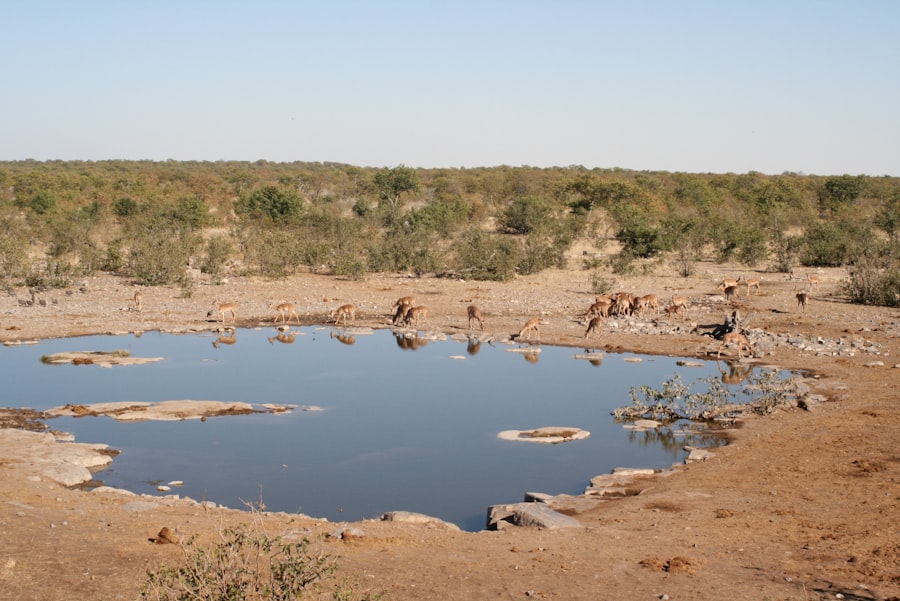
The lakes were the heart of this ancient ecosystem. They served as crucial water sources for both terrestrial animals and the burgeoning human populations that began to emerge and thrive in this newfound abundance. These weren’t isolated bodies of water; many were interconnected by rivers and smaller streams, forming a complex hydrological system that sustained large areas. Sediment cores taken from the beds of these ancient lakes reveal layers of organic matter, pollen, and animal fossils, providing a detailed chronicle of the flora and fauna that once inhabited these watery realms.
The history of freshwater lakes in the Sahara is a fascinating topic that sheds light on the region’s climatic changes and ecological transformations over millennia. For those interested in exploring related themes, including the intersection of science and ancient civilizations, the article titled “The Lost Science: Defying Physics” provides intriguing insights. You can read it here: The Lost Science: Defying Physics. This article delves into the scientific discoveries that challenge our understanding of the past, complementing the narrative of how Sahara’s lakes have shaped human history.
Echoes in the Sands: Archaeological Traces of the Lost Lakes
The most compelling evidence for the existence of these lost freshwater lakes comes not just from scientific analysis but from the tangible remnants left behind by human activity. The Sahara, despite its aridity, is a remarkably well-preserved museum of ancient life, and the archaeological record speaks volumes about a world sustained by lakes.
Habitation Sites and Strategies
Numerous archaeological sites attributed to the early Holocene period – the epoch of the African Humid Period – are found in areas that are now hyper-arid. These settlements are invariably located near ancient lake basins or dry riverbeds, indicating a direct reliance on these water sources. Excavations have revealed evidence of fishing, as well as the domestication of animals, such as cattle, that would have required access to regular water. The distribution of these sites forms a remarkable pattern, tracing the outlines of the extinct lake systems.
The Richness of Rock Art
Perhaps the most evocative testament to the lost lakes and the life they supported is the stunning rock art scattered across the Sahara. Panels of ancient paintings and engravings, found in regions like the Tassili n’Ajjer in Algeria, the Ennedi Plateau in Chad, and the Gilf Kebir in Egypt, depict scenes that are astonishingly different from today’s desert. They show people hunting large game, herding cattle, and engaging in various activities around what are clearly depicted as bodies of water. The presence of aquatic animals like hippopotamuses and crocodiles in some of these artworks further confirms the existence of substantial freshwater environments. These artistic expressions offer a powerful emotional connection to a past that is otherwise difficult to visualize.
Tools and Traditions of Water Management
The inhabitants of the Green Sahara developed sophisticated tools and techniques to exploit their environment. Evidence of polished stone axes, used for felling trees, and a variety of grinding stones, used for processing grains, suggests a settled way of life that would have been impossible without reliable water. Furthermore, the discovery of rudimentary irrigation systems and water-gathering structures in some areas indicates a proactive approach to managing their precious freshwater resources, even in a period of relative abundance.
The Drying of the Sahara: A Gradual but Catastrophic Shift
The vibrant Green Sahara and its life-sustaining lakes did not vanish overnight. Their demise was a gradual process, a slow inexorable retreat driven by powerful climatic forces that ultimately led to the desertification we recognize today.
The Recession of the Monsoon
The primary driver of this transformation was the gradual weakening and southward migration of the ITCZ. As the Earth’s orbital parameters shifted, the intensity and extent of the monsoonal rains began to diminish. This was not a sudden switch but a phased withdrawal. The lakes, once brimming, started to shrink, their shorelines receding, and their connections to each other weakening.
Salinization and the Rise of Salt Pans
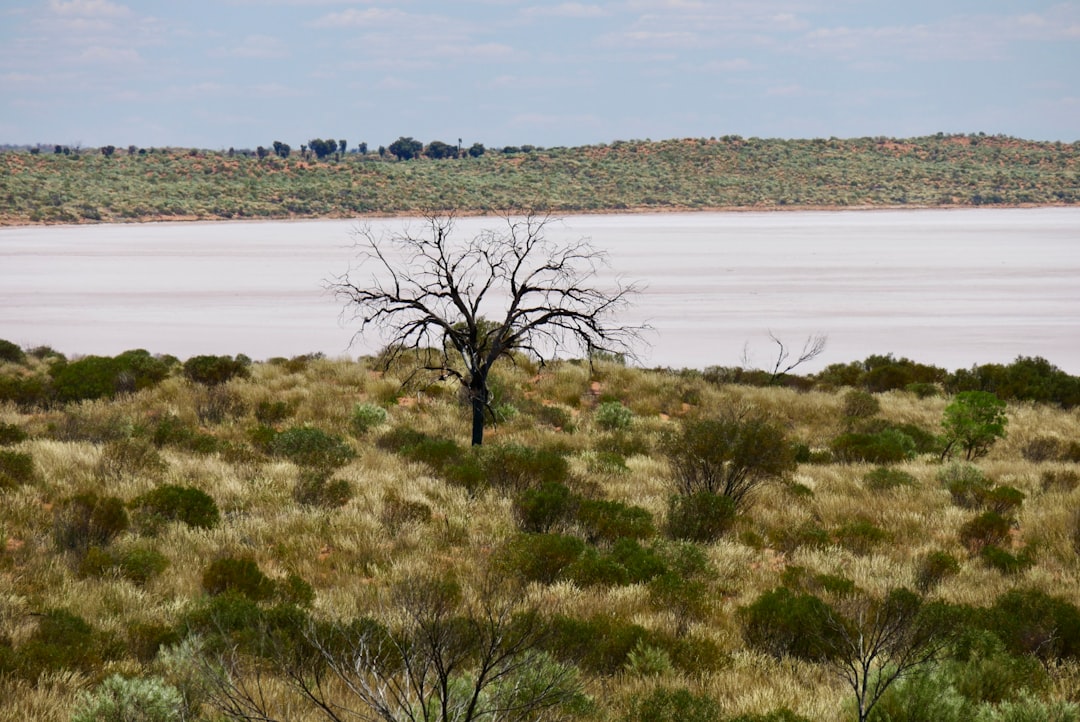
As the lakes evaporated, the dissolved salts within them began to concentrate. In many cases, the water became too saline to support life as it once did. This led to the formation of vast salt pans, desolate white expanses that are a hallmark of saline desert environments. These salt pans are the ghostly remains of the ancient freshwater lakes, their mineral content a testament to the evaporated water.
Environmental Feedback Loops
The drying process was likely exacerbated by environmental feedback loops. As vegetation cover diminished due to lack of water, the land became more exposed to solar radiation, leading to increased evaporation and further drying. The loss of plant cover also reduced soil moisture and stability, making the land more susceptible to wind erosion, which further contributed to the desertification.
Impact on Fauna and Flora
The shrinking and salinization of the lakes had a devastating impact on the flora and fauna that had come to depend on them. Species that could not adapt to the dessicating conditions migrated, perished, or became extinct. The once-lush savannas gave way to scrubland and eventually to the sparsely vegetated desert that characterizes the Sahara today.
Human Migration and Civilization’s Pivot

The drying of the Sahara was not just an ecological disaster; it was a profound demographic and cultural event. The loss of freshwater and the accompanying environmental collapse forced human populations to adapt or migrate, reshaping the human landscape of Africa and beyond.
The Great Exodus
As their traditional homelands became uninhabitable, the inhabitants of the Green Sahara were compelled to seek out new sources of water and arable land. This led to a large-scale migration, a veritable exodus from the interior of the continent. These migrations were not random; they were directed towards areas where water was still available, such as the Nile Valley, the Sahelian belt to the south, and even towards the Mediterranean coast.
The Rise of the Nile Civilization
The Nile River, with its predictable annual flood, became a vital refuge for many of these migrating populations. The influx of people with their knowledge of agriculture and animal husbandry, combined with the rich alluvial soils of the Nile Valley, provided the fertile ground for the development of one of the world’s most enduring and influential civilizations: ancient Egypt. The sophisticated irrigation techniques, the complex social structures, and the artistic traditions that characterized dynastic Egypt are, in many ways, echoes of the sophisticated societies that once flourished around the lost lakes of the Sahara.
Formation of New Cultures and Societal Structures
The migrations also contributed to the formation of new cultures and societal structures in the regions they settled. The Sahel, a transitional zone between the desert and the more humid south, became a mosaic of communities adapted to semi-arid conditions. The nomadic pastoralist lifestyles that are characteristic of many contemporary Saharan peoples likely emerged as a response to the drying of their ancestral lands.
The Sahara as a Barrier and a Crossroads
As the Sahara transitioned into its arid state, it transformed from a habitable region into a formidable barrier. However, it also became a crucial crossroads for trade and cultural exchange, with nomadic groups acting as intermediaries between the Mediterranean world and sub-Saharan Africa. The routes that were once traversed by migrating herds and their human companions became routes for merchants and travelers.
The history of freshwater lakes in the Sahara is a fascinating topic that highlights the region’s climatic changes over millennia. As researchers delve into this subject, they uncover how these lakes once supported diverse ecosystems and human civilizations. For a broader understanding of how environmental shifts impact economic landscapes, you might find it interesting to explore the article on Mexico’s thriving industrial real estate market, which discusses similar themes of adaptation and transformation in response to changing conditions. You can read more about it here.
Legacy and Lessons of the Lost Lakes
| Lake Name | Period of Existence | Current Status |
|---|---|---|
| Mega-Chad | 7,000 to 2,000 years ago | Dried up completely |
| Paleolake Fezzan | 100,000 to 12,000 years ago | Dried up completely |
| Lake Chad | 5,000 to 1,000 years ago | Greatly reduced in size |
The story of the lost lakes of the Sahara is more than just a historical curiosity; it is a potent reminder of the dynamism of Earth’s climate and the profound impact these changes have on life, including human civilization. Understanding this past offers valuable insights for our present and future.
The Fragility of Ecosystems
The dramatic transformation of the Sahara underscores the inherent fragility of ecosystems. What was once a verdant paradise could become a barren desert within a few millennia due to climatic shifts. This highlights the importance of understanding and protecting the delicate balance of our planet’s natural systems.
The Deep Interdependence of Climate and Civilization
The narrative of the lost lakes clearly demonstrates the deep interdependence between climate and civilization. The abundance of the Green Sahara fostered growth and development, while its disappearance necessitated adaptation and migration, fundamentally altering the course of human history in Africa. This is a crucial lesson in an era of growing concern about climate change and its potential societal impacts.
The Search for Water: an Enduring Human Challenge
The memory of abundant freshwater in the Sahara serves as a poignant reminder of humanity’s enduring struggle for water. Even in today’s arid Sahara, explorations continue, fueled by the hope – and scientific possibility – of discovering underground aquifers that might represent lingering remnants or echoes of the past hydrological regime. These are the modern-day echoes of the lost lakes, a testament to the vital importance of water.
Reimagining the Future in a Changing Climate
The history of the lost lakes compels us to reimagine our relationship with the environment and to consider the potential for adaptation and resilience in the face of environmental change. While the Green Sahara may be lost to us for now, its story provides valuable knowledge for understanding past climate shifts and for preparing for future ones, offering a profound perspective on the long arc of our planet’s history and humanity’s place within it. The echoes of those vast, life-giving waters continue to resonate, reminding us of what was and the ever-present power of geological and climatic forces.

The Ancient World Buried Beneath the Sahara
FAQs
What is the history of freshwater lakes in the Sahara?
The Sahara desert was once home to a network of freshwater lakes and rivers around 5,000 to 11,000 years ago during the African Humid Period. These lakes and rivers supported a diverse ecosystem and human populations.
What caused the disappearance of the freshwater lakes in the Sahara?
The disappearance of the freshwater lakes in the Sahara was primarily due to the shift in climate patterns. As the African Humid Period came to an end, the region experienced a gradual drying out, leading to the disappearance of the lakes and the expansion of the desert.
What evidence exists to support the existence of freshwater lakes in the Sahara?
Evidence of the existence of freshwater lakes in the Sahara includes geological formations, ancient shorelines, and fossilized remains of aquatic plants and animals. Additionally, archaeological findings of human settlements and rock art further support the presence of freshwater lakes in the region.
How did the presence of freshwater lakes in the Sahara impact human populations?
The presence of freshwater lakes in the Sahara provided vital resources for human populations, including water for drinking, fishing, and agriculture. It also facilitated trade and cultural exchange among different communities living around the lakes.
What is the significance of studying the history of freshwater lakes in the Sahara?
Studying the history of freshwater lakes in the Sahara provides valuable insights into the impact of climate change on ecosystems and human societies. It also helps in understanding the potential for environmental and ecological changes in arid regions due to climate variability.