
The humid air of Southeast Asia clings, thick with the scent of damp earth and decaying leaves. For centuries, the dense rainforests and labyrinthine river systems have guarded their secrets jealously, a verdant curtain drawn over a world unseen. Yet, beneath the emerald canopy, a different kind of world waits, a realm of immense geological significance and ecological wonder. This is the story of the lost world beneath Southeast Asia, a subterranean kingdom that challenges our understanding of the region’s formation and the life it harbors.
The notion of a hidden world beneath Southeast Asia is not a recent one, but its scientific exploration is a testament to human curiosity slowly chipping away at millennia of obscurity. For generations, local folklore hinted at vast underground caverns, populated by mythical creatures and harboring sacred springs. These whispers, often dismissed as mere superstition, have begun to find echoes in the findings of geologists, speleologists, and biologists. The sheer scale of the subterranean network is staggering, a testament to eons of geological activity and the persistent erosive power of water.
Karst Landscapes: The Architects of the Underworld
At the heart of this emerging understanding lies the prevalence of karst topography across Southeast Asia. Vast swathes of countries like Vietnam, Malaysia, Thailand, and Indonesia are dominated by limestone formations, particularly in regions like the Annamite Range extending into Laos and Cambodia, and the karst islands of the Philippines and Malaysia. These formations, sculpted over millions of years by acidic rainwater dissolving the soluble rock, create intricate networks of sinkholes, underground rivers, and expansive caverns.
Limestone Dissolution: The Slow, Steady Sculptor
The process of karst formation is a slow, relentless dance between geology and hydrology. Rainwater, as it falls through the atmosphere, absorbs carbon dioxide, becoming weakly acidic. This acidic water then seeps through porous rock, chemically reacting with calcium carbonate – the primary mineral in limestone – to form soluble calcium bicarbonate. Over time, this dissolution process carves out initial fissures and cracks, which then expand into larger passages and chambers.
The Role of Fractures and Bedding Planes
The inherent structure of the limestone plays a crucial role in guiding this dissolution. Pre-existing fractures, joints, and bedding planes act as initial pathways for water ingress. The water preferentially flows along these weaknesses, widening them and creating a dendritic pattern of underground drainage. The more fractured the limestone, the more intricate and extensive the resulting karst system is likely to be.
Stalactites and Stalagmites: The Slow-Motion Artistry
The formation of iconic speleothems – stalactites hanging from ceilings and stalagmites rising from floors – is another visible manifestation of this subterranean world. Each drop of water carrying dissolved calcium bicarbonate, as it drips from a ceiling, leaves a tiny deposit of calcium carbonate. Over thousands of years, these incremental deposits build up, forming the characteristic icicle-like structures. Similarly, water dripping from stalactites onto the cave floor deposits calcium carbonate, slowly building up stalagmites. The rate of formation is typically slow, often measured in centimeters per thousand years, underscoring the immense age of these geological formations.
The concept of a lost world beneath Southeast Asia has intrigued researchers and adventurers alike, drawing parallels to the hidden treasures and untapped resources found in various regions around the globe. For instance, an article discussing the logistical advantages of manufacturing in Mexico highlights how exploring new territories can lead to significant discoveries and opportunities. You can read more about this fascinating topic in the article here: Maximizing Efficiency: Logistical Advantages of Manufacturing in Mexico.
Echoes of Life: Subterranean Ecosystems
The allure of the lost world beneath Southeast Asia extends far beyond its geological marvels. Within these vast, dark recesses, a unique and often undiscovered tapestry of life thrives, adapted to conditions that would be lethal to most surface dwellers. These subterranean ecosystems are characterized by a lack of sunlight, stable temperatures, and often limited nutrient availability, demanding extraordinary evolutionary adaptations.
The Specter of Blindness: Troglobites and Trogloxenes
The most striking adaptations seen in subterranean fauna are related to the absence of light. Many cave-dwelling creatures, known as troglobites, have either lost their eyes entirely or possess vestigial, non-functional eyes. Without the need for vision, their other senses are often heightened to an exceptional degree.
Enhanced Sensory Perception: Touch, Smell, and Hearing
Instead of relying on sight, many troglobites develop advanced chemosensory organs to detect prey and navigate their environment through smell and taste. Others have highly developed tactile senses, using specialized antennae, legs, or hairs to feel their way through the darkness. Some species may even possess specialized organs to detect vibrations in the water or air, giving them an auditory map of their surroundings.
Examples of Blind Fauna
The diversity of troglobites is a testament to the evolutionary pressure of the subterranean environment. From blind cave fish with pale, translucent skin and reduced pigmentation to eyeless cave invertebrates such as springtails, beetles, and shrimp, these creatures represent a remarkable branch of life’s evolutionary tree. The discovery of new species within these caves is a frequent occurrence, highlighting the vastness of unexplored biodiversity.
The Subterranean Food Web: What Sustains the Darkness?
The absence of photosynthesis, the primary energy source for most surface ecosystems, presents a significant challenge for subterranean life. The food web in these systems relies on alternative energy inputs, often derived from the surface world.
Allochthonous Inputs: The Gifts from Above
The most common source of organic matter in caves is allochthonous, meaning it originates from outside the cave system. This can include leaf litter, logs, and other organic debris washed in by surface water, or droppings and carcasses of animals that enter the caves. Nutrients and organic compounds carried by groundwater also play a vital role.
Bat Guano: A Fertilizing Force
A particularly significant contributor to the subterranean food web in Southeast Asia is bat guano. Many of the vast cave systems are home to enormous bat colonies, and their droppings provide a rich source of nutrients and organic matter. This guano supports a thriving community of invertebrates, which in turn are preyed upon by larger organisms, forming a complex and interconnected food chain.
Gates to the Unknown: The Biodiversity Hotspot

The lost world beneath Southeast Asia is not merely a collection of geological formations and adapted creatures; it is a burgeoning frontier for biodiversity discovery. Many of the caves surveyed are still virgin territory, harboring species that have likely evolved in isolation for millennia, unseen by human eyes.
Undiscovered Species: A Treasure Trove of Novelty
The sheer number of endemic species found in Southeast Asian karst systems is astonishing. Numerous species of insects, amphibians, fish, and even some mammals have been described for the first time from these subterranean environments. Each new discovery offers a glimpse into the remarkable power of adaptation and the untapped potential of unexplored habitats.
Amphibians and Reptiles: Masters of the Twilight Zone
Cave environments in Southeast Asia are particularly rich in amphibian and reptile diversity. Many species of frogs, salamanders, and geckos have adapted to the perpetually damp and dark conditions, with some developing specialized adaptations for cave life, such as reduced pigmentation and enlarged eyes to capture the faintest glimmer of light. Others are more generalist species that utilize the cave as a refuge or breeding ground during certain times of the year.
The Significance of Cave-Dwelling Frogs
Cave-dwelling frogs, in particular, are a subject of intense research. Their reliance on stable, humid environments within caves makes them sensitive indicators of ecosystem health. Their unique life cycles, often involving the deposition of eggs on cave walls or within underground pools, present fascinating subjects for ecological and evolutionary study.
The Importance of Conservation: Protecting Fragile Realms
The very isolation and unique conditions that foster such remarkable biodiversity also make these subterranean ecosystems exceptionally vulnerable. Human activities, even those seemingly distant from cave entrances, can have profound impacts on these delicate environments.
Threats from Surface Intrusion: Pollution and Disturbance
Pollution from agricultural runoff, industrial waste, and improper waste disposal can seep into groundwater, contaminating the delicate aquatic ecosystems within caves. Deforestation on the surface can alter hydrological patterns, leading to changes in water flow within caves, and increased sedimentation that can smother cave life. Habitat fragmentation due to infrastructure development can also disrupt the connectivity between surface and subterranean environments.
The Impact of Tourism and Speleological Practices
While responsible ecotourism can raise awareness and provide a valuable economic incentive for conservation, unregulated tourism can be detrimental. Foot traffic can damage delicate speleothems and disturb cave-dwelling fauna. Improper lighting can alter the natural light cycles of cave entrances, impacting species that rely on them. Similarly, uncontrolled speleological exploration without proper protocols can lead to habitat destruction and the inadvertent introduction of invasive species.
The Subterranean River Systems: Veins of the Earth
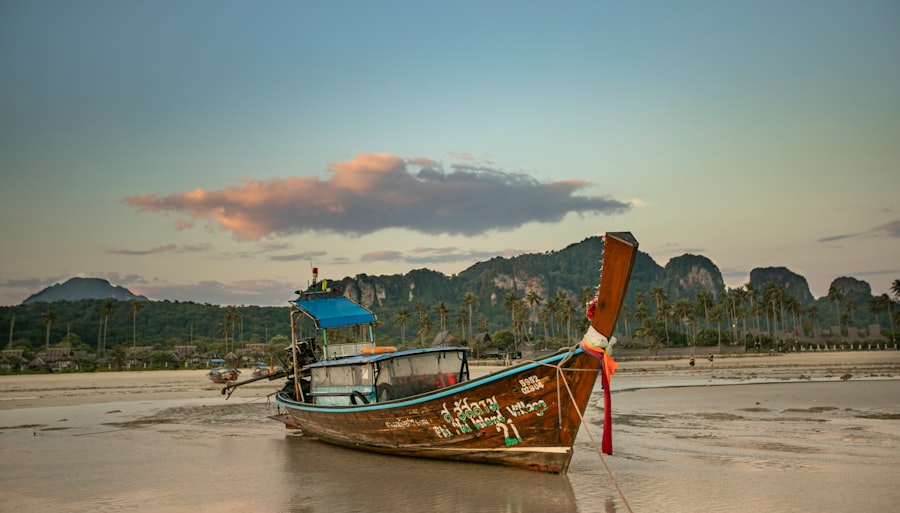
Beneath the imposing karst landscapes lies another layer of wonder: a vast and intricate network of subterranean rivers and waterways. These underground arteries are the lifeblood of the karst systems, shaping the landscape and transporting vital resources.
Conduits of the Karst: Shaping the Above and Below
These subterranean rivers are not merely passive conduits; they are active agents of geological formation and ecological sustainment. They carve out massive chambers, transport dissolved minerals, and serve as the primary habitat for a specialized array of aquatic life.
Drainage of the Highlands: From Surface to Subterranean Flow
In many karst regions, surface water from rainfall and rivers is quickly absorbed into the ground, disappearing into sinkholes and fissures. This water then travels through underground passages, often forming extensive river systems that can flow for kilometers before resurfacing at springs or emerging into larger rivers.
The Annamite Range as a Case Study
The Annamite Range, a substantial mountain chain stretching across Laos, Vietnam, and a small part of Cambodia, is a prime example of a region where subterranean rivers play a crucial role in drainage. Numerous rivers emerge from the mountains, only to disappear into the karst, suggesting extensive underground networks that reappear as significant springs further downstream.
Aquatic Life in the Deep: Adapting to Constant Flow
The dynamic environment of subterranean rivers presents unique challenges and opportunities for aquatic life. Organisms must contend with constant water flow, varying dissolved oxygen levels, and, in deeper sections, complete darkness.
Specialized Fish and Invertebrate Communities
The fauna of Southeast Asian subterranean rivers is as diverse as it is specialized. Blind cave fish, like those found in other cave systems, are common, often characterized by their pale coloration and enhanced sensory organs. Various species of crustaceans, including unique freshwater shrimp and crabs, also inhabit these waterways, feeding on organic matter and smaller invertebrates.
The Enigma of Endemism
Many of these aquatic species are endemic to specific river systems or cave complexes, suggesting long periods of isolation and independent evolution. The study of these populations provides valuable insights into evolutionary processes and the concept of biogeographic refugia, where species can survive and diversify over geological timescales.
Exploring the mysteries of the lost world beneath Southeast Asia has captivated the imaginations of many, revealing secrets of ancient civilizations and forgotten landscapes. A fascinating aspect of this exploration is the connection to historical maps, which often hold clues to these hidden realms. For instance, the Piri Reis map has sparked considerable debate among historians and archaeologists, as it suggests knowledge of territories that were thought to be undiscovered at the time it was created. This intriguing intersection of cartography and archaeology continues to shed light on the enigmatic past of the region.
The Future of Exploration: Uncharted Territories
| Country | Area | Depth | Species |
|---|---|---|---|
| Thailand | 200,000 sq km | 1000 meters | Unknown |
| Laos | 160,000 sq km | 1000 meters | Unknown |
| Cambodia | 100,000 sq km | 1000 meters | Unknown |
Despite significant advances in understanding the lost world beneath Southeast Asia, the vast majority of it remains unexplored and unknown. The sheer scale of the subterranean realm presents a formidable challenge, but one that promises immense scientific rewards.
Technological Advancements: Tools for the Deep
Technological innovation is at the forefront of this ongoing exploration. Sophisticated mapping equipment, remotely operated vehicles (ROVs) equipped with cameras and sensors, and advanced submersible drones are enabling scientists to venture deeper and map larger areas of these underground systems than ever before.
Advanced Cave Mapping and Sonar Technologies
Laser scanning and 3D photogrammetry are revolutionizing cave mapping, creating detailed digital models of complex cave passages. Sonar technologies are increasingly being employed to map submerged river systems and lakes within caves, providing crucial information about their extent and connectivity.
ROVs and Submersible Drones in Subaquatic Exploration
ROVs and submersible drones equipped with high-definition cameras and lighting systems are providing unprecedented visual access to the underwater world within caves. These tools allow for the collection of video footage, environmental data such as water temperature and dissolved oxygen levels, and even the collection of biological samples without the need for human divers to venture into potentially hazardous conditions.
The Ongoing Quest: A New Frontier for Discovery
The continued exploration of Southeast Asia’s subterranean world is not just an academic pursuit; it holds significant implications for our understanding of the planet’s geological history, the evolution of life, and the conservation of unique ecosystems. Each new discovery sheds light on the interconnectedness of surface and subsurface environments and underscores the importance of protecting these often-overlooked realms. The lost world beneath Southeast Asia is slowly revealing its secrets, beckoning us to explore its hidden depths and unlock the mysteries that lie within.

Could Humanity Remember a World That No Longer Exists?
FAQs
What is the “lost world” beneath Southeast Asia?
The “lost world” beneath Southeast Asia refers to a vast and largely unexplored network of caves and karst formations that span across countries such as Vietnam, Laos, Thailand, and Myanmar. These underground landscapes are home to unique ecosystems and geological formations.
What makes the caves and karst formations in Southeast Asia significant?
The caves and karst formations in Southeast Asia are significant due to their immense size, biodiversity, and geological importance. They are believed to contain many undiscovered species and provide valuable insights into the region’s geological history.
What are some of the challenges in exploring the underground world of Southeast Asia?
Exploring the underground world of Southeast Asia presents numerous challenges, including navigating complex cave systems, dealing with limited accessibility, and ensuring the safety of explorers in remote and often hazardous environments. Additionally, conservation efforts are crucial to protect these delicate ecosystems.
What are the potential benefits of studying the underground world of Southeast Asia?
Studying the underground world of Southeast Asia can lead to the discovery of new species, provide insights into geological processes, and contribute to our understanding of ancient climates and environmental changes. It also has the potential to support ecotourism and raise awareness about the importance of cave conservation.
How can the public learn more about the underground world of Southeast Asia?
The public can learn more about the underground world of Southeast Asia through educational programs, documentaries, and guided tours offered by experienced cave explorers and conservation organizations. Additionally, scientific research and publications provide valuable information about these unique environments.