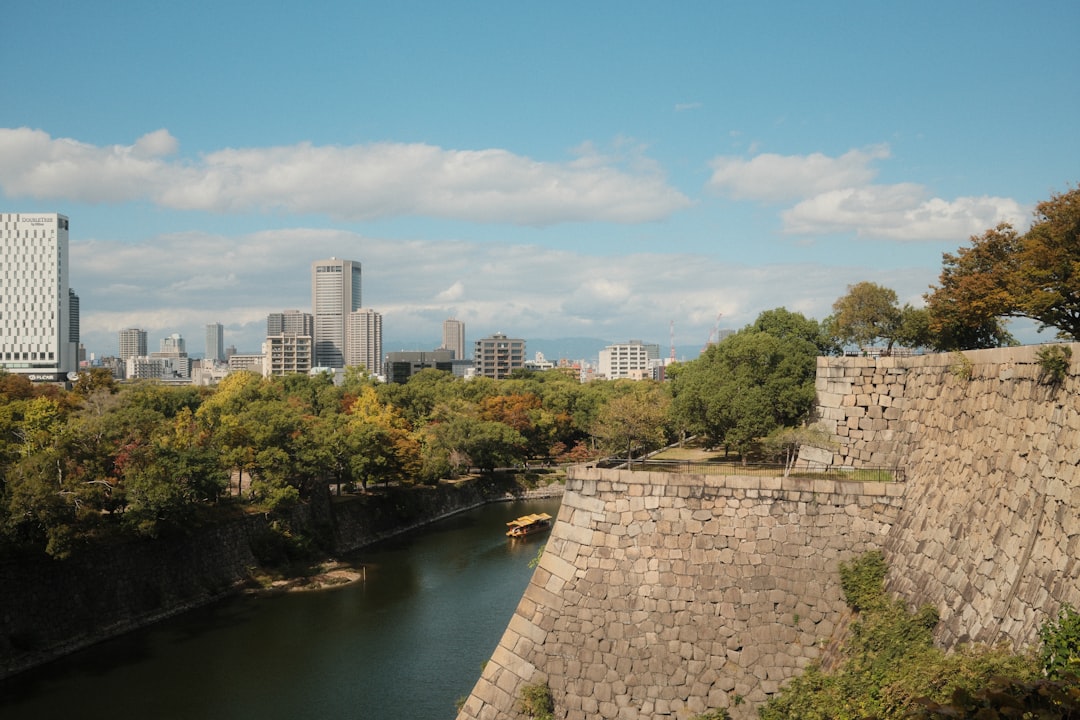
The sheer scale and enduring strength of ancient Japanese stone walls are a testament to the ingenuity and immense labor of their creators. These formidable structures, often found adorning the perimeters of castles, fortifications, and even some temples, speak volumes about Japan’s turbulent past and its deep respect for lasting craftsmanship. They are not merely piles of rock; they are sophisticated engineering marvels, imbued with history and artistic sensibility, that have weathered centuries of seismic activity, warfare, and the relentless march of time.
The construction of ancient Japanese stone walls, known collectively as ishigaki (石垣), was a highly specialized and meticulously planned undertaking. It was an art form as much as a science, requiring an intimate understanding of geology, engineering principles, and the available resources. The foundation upon which these walls were built was paramount. Often, the natural contours of the land, such as hillsides or riverbanks, were incorporated into the design, minimizing the need for extensive excavation and leveraging the earth’s own stability. When artificial foundations were necessary, they involved digging deep trenches, sometimes reaching several meters, to encounter bedrock or a firm subsoil layer. Large, heavy stones were then meticulously placed and interlocked to create a solid base, ensuring the wall’s resilience against shifting ground and the immense pressure of the stonework above. The selection of stones was also critical. Builders would often source stones from nearby quarries, prioritizing those with suitable shapes and sizes, and sometimes even utilizing naturally occurring boulders. The type of stone used varied depending on the region and its geological makeup, ranging from hard granite and andesite to softer sedimentary rocks. However, the skill lay not just in selecting the stone, but in shaping and fitting it with astonishing precision.
The Cornerstone of Stability: Foundation Techniques
The primary goal of any foundation was to provide an unwavering support for the massive weight of the stone wall. Ancient builders understood that a weak foundation would inevitably lead to structural failure.
Bedrock Integration
In many instances, castle builders sought to incorporate existing bedrock into their foundations. This involved leveling the bedrock surface and anchoring the initial layers of stones directly into it. This provided an unparalleled level of stability.
Deep Trench Excavation
When bedrock was not readily accessible, builders would excavate deep trenches. These trenches were then carefully filled with smaller stones, gravel, and compacted earth to create a stable base layer. The depth of these trenches was determined by soil conditions and the intended height of the wall.
Interlocking Base Stones
The very first layer of stones laid upon the foundation was crucial for distributing the weight of the wall above. These base stones were often large and irregular, meticulously fitted together to create a broad, stable footing.
Ancient Japanese stone walls, known for their impressive craftsmanship and historical significance, have been a subject of fascination for historians and architects alike. These structures not only showcase the advanced engineering skills of their time but also reflect the cultural values and societal organization of ancient Japan. For those interested in exploring the broader context of historical structures and their impact on trade and culture, a related article can be found at Mexico’s Growing Role in Global Trade, which discusses how trade routes have influenced architectural styles across different civilizations.
The Masterful Placement: Fitting Stones for Strength and Beauty
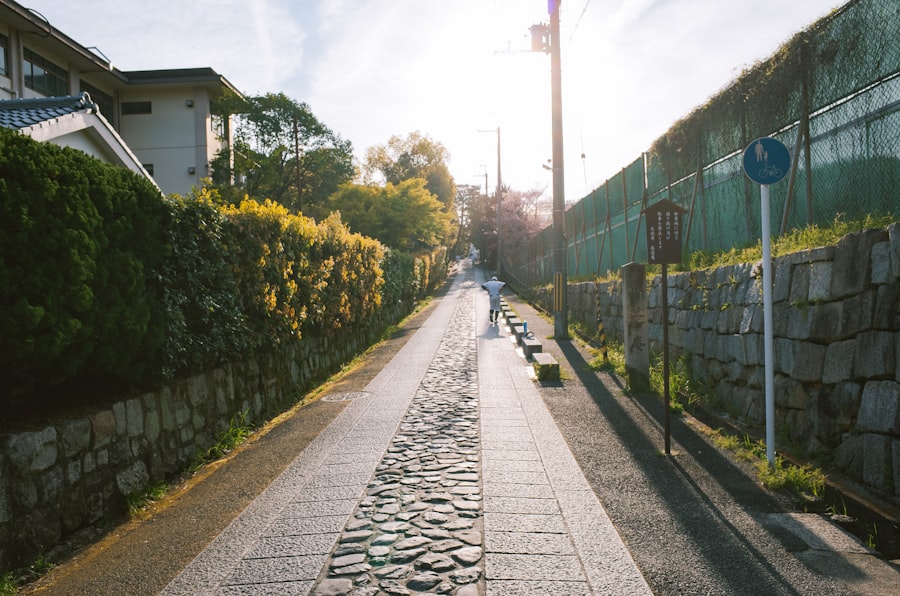
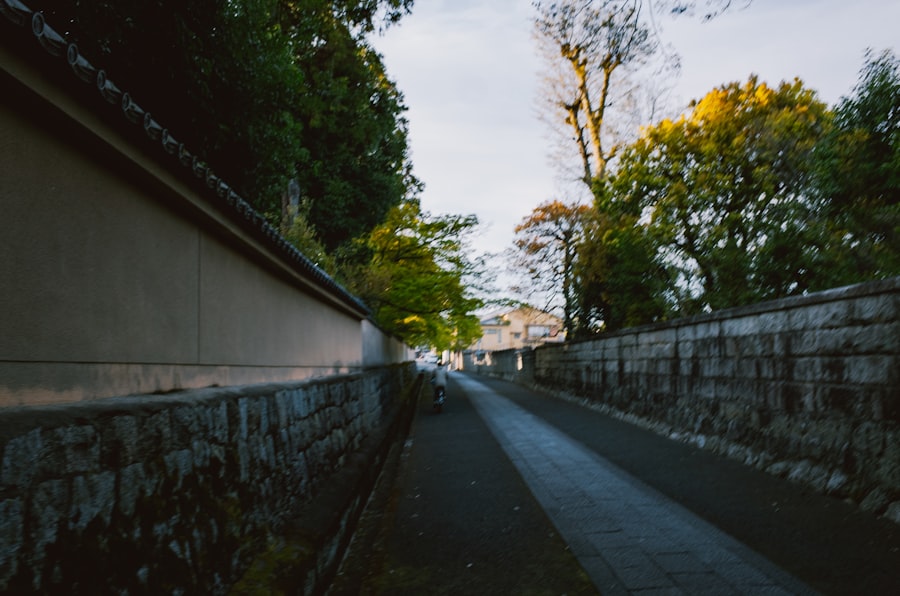
The true genius of ishigaki lies in the intricate way the stones were shaped and fitted together. Unlike the mortar-laden walls of Western castles, Japanese stone walls relied on the sheer weight and precise interlocking of dry-laid stones. This technique, known as noshi-ishi (野面積), involved using natural, unworked stones and fitting them together as closely as possible. As construction evolved, so did the techniques. Kirikomi-hagi (切り込み接ぎ) became increasingly prevalent, a method where stones were carefully cut and shaped to fit perfectly against each other, leaving minimal gaps. This not only enhanced structural integrity but also created a visually appealing, almost seamless surface. The curvature of the walls was another deliberate design choice. Rather than building perfectly vertical structures, builders often incorporated a slight inward lean, known as sori (反り), and a gentle outward curve, known as uchikaeshi (打ち返し). These subtle inclinations helped to counteract the outward thrust of the upper stones and the forces exerted by earthquakes, a common phenomenon in Japan. The meticulous attention to detail extended to the arrangement of stones. Larger, more robust stones were typically placed at the base, providing a solid foundation, while progressively smaller stones were used as the wall ascended. This gradient of size and weight distribution contributed to the wall’s overall stability.
The Language

The Walls That Shouldn’t Still Be Standing
FAQs
What are ancient Japanese stone walls?
Ancient Japanese stone walls are traditional structures made of stacked stones without the use of mortar. They were commonly used for fortifications, boundary markers, and retaining walls.
Where can ancient Japanese stone walls be found?
Ancient Japanese stone walls can be found throughout Japan, particularly in historical sites, castles, temples, and traditional gardens. Some well-preserved examples can be found in cities such as Kyoto and Nara.
What is the significance of ancient Japanese stone walls?
Ancient Japanese stone walls are significant as they represent the architectural and engineering skills of ancient Japanese craftsmen. They also serve as important cultural and historical landmarks, reflecting the country’s rich heritage.
How were ancient Japanese stone walls constructed?
Ancient Japanese stone walls were constructed by carefully selecting and stacking stones of various sizes and shapes without the use of mortar. Skilled craftsmen would use their expertise to create stable and durable structures.
Are ancient Japanese stone walls still used today?
While ancient Japanese stone walls are not commonly used for fortifications or boundary markers today, they are still valued for their aesthetic and historical significance. Some modern construction projects may incorporate elements of traditional stone wall techniques for decorative or cultural purposes.