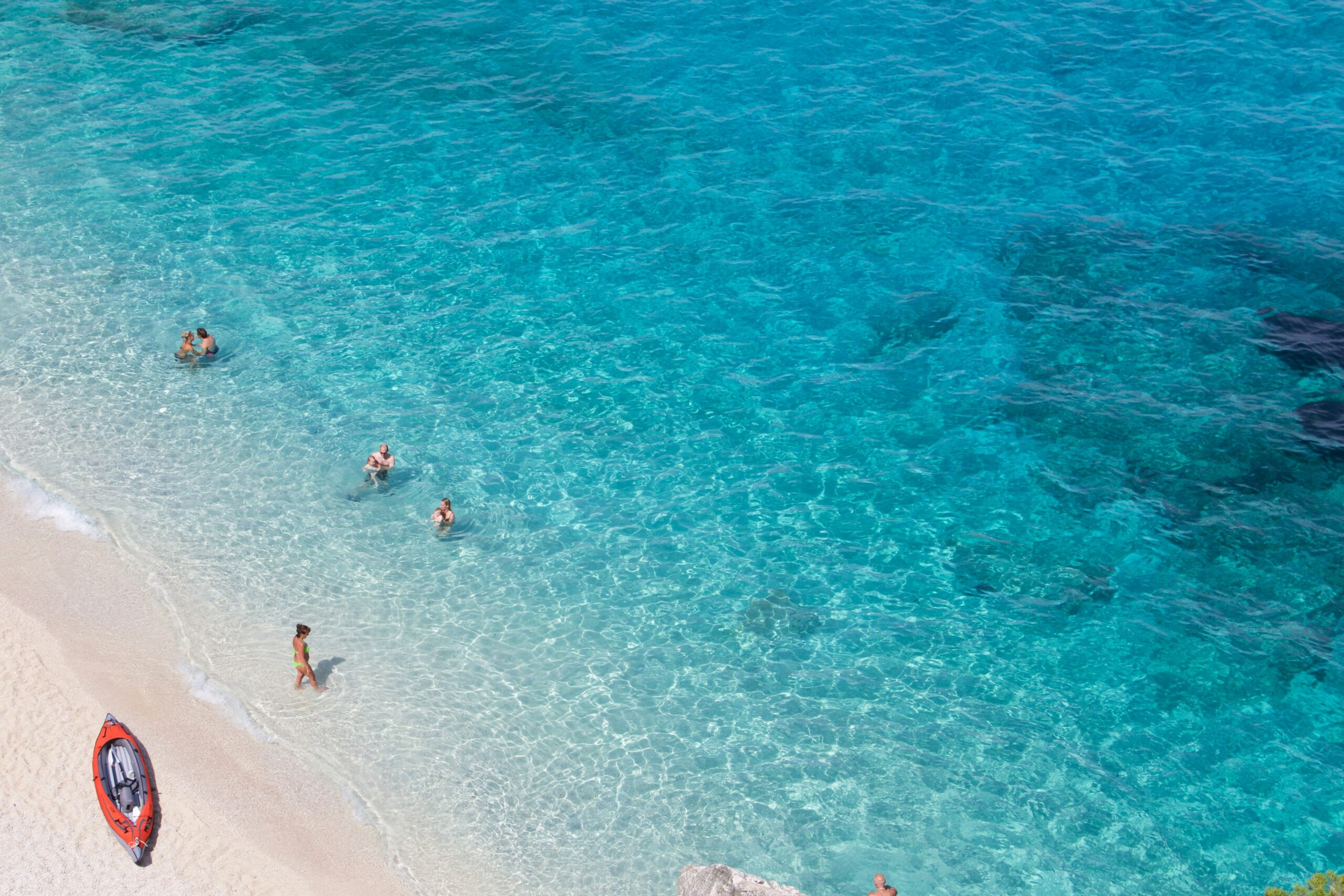
The Mediterranean Sea, a shimmering expanse of alluring blue, has been a cradle of civilizations, a stage for empires, and a conduit for commerce for millennia. Its name, derived from Latin, meaning “middle of the earth,” aptly describes its central role in shaping the course of human history. From the dawn of settled societies to the complex geopolitical landscape of the present day, the Mediterranean has witnessed an unbroken tapestry of human endeavors, leaving an indelible mark on art, religion, philosophy, trade, and warfare. This historical overview delves into the multifaceted legacy of this vital body of water, exploring its significance from the earliest settlements to its enduring impact on the modern world.
The history of the Mediterranean Sea is deeply intertwined with the exploration and mapping of various regions, including the intriguing revelations about Antarctica. An insightful article titled “Antarctica Revealed: 1513 Map Unveils Ice-Free Continent” delves into the implications of historical cartography on our understanding of ancient maritime routes and the civilizations that thrived around the Mediterranean. You can read more about this fascinating topic by visiting the article here: Antarctica Revealed: 1513 Map Unveils Ice-Free Continent.
The Cradle of Civilization: Neolithic Beginnings and the Rise of Bronze Age Powers
The Mediterranean’s fertile littoral and its abundant marine life provided an ideal environment for the development of early human settlements. As early as the Neolithic period, around 8,000 BCE, communities began to flourish along its shores, mastering agriculture and developing sophisticated tools. These early inhabitants forged connections, exchanging goods, ideas, and technologies, laying the groundwork for the complex societies that would soon emerge. The sea, initially a barrier, gradually transformed into a highway, facilitating communication and trade among disparate groups.
Early Maritime Explorations and Settlement Patterns
The earliest evidence of maritime activity in the Mediterranean points to small-scale fishing and local transportation. However, as populations grew and resources were exploited, a nascent form of seafaring developed. Coastal settlements became strategically important, and the construction of rudimentary boats allowed for exploration and the establishment of new communities on nearby islands and along the coastlines. This era saw the gradual mapping of the Mediterranean’s geography, with knowledge of currents, winds, and safe harbors becoming increasingly valuable.
The Agricultural Revolution and its Coastal Impact
The transition to agriculture, a monumental shift in human history, had a profound impact on the Mediterranean littoral. The development of irrigation techniques and the cultivation of crops like wheat, barley, olives, and grapes led to surplus food production, allowing for population growth and the specialization of labor. Coastal areas, with their access to both fertile land and sea resources, often became centers of this agricultural innovation. The harvesting of olives for oil and grapes for wine, in particular, laid the foundation for significant trade networks that would later expand across the region.
The Dawn of Metallurgy: Bronze Age Innovations and Trade Networks
The advent of the Bronze Age, marked by the discovery and mastery of bronze smelting, ushered in a new era of technological advancement and societal complexity. Around 3,000 BCE, vibrant cultures began to emerge in the Aegean, the Levant, and Egypt, all of which had strong connections to the Mediterranean Sea.
The Minoan Civilization: Masters of the Aegean
The Minoan civilization, centered on the island of Crete, stands as a testament to the power and influence that could be wielded through mastery of the sea. Flourishing from approximately 2700 to 1450 BCE, the Minoans were renowned seafarers, traders, and architects. Their palaces, like Knossos, were centers of administration, religion, and art, showcasing a sophisticated culture with a unique script (Linear A) that has yet to be fully deciphered. Minoan ships, depicted in their vibrant frescoes, sailed throughout the Aegean and beyond, exchanging goods such as pottery, textiles, metals, and perhaps even contributing to the spread of their artistic styles and religious beliefs. Their dominance in the Aegean was largely based on their naval prowess, allowing them to control trade routes and project power.
The Mycenaean Civilization: Warriors and Traders of the Mainland
Following the decline of the Minoans, the Mycenaean civilization rose to prominence on mainland Greece. While distinct from the Minoans in their warrior culture and more fortified citadels, the Mycenaeans also recognized the importance of the sea. They inherited and adapted Minoan seafaring techniques, establishing their own trading networks that extended across the Mediterranean. Evidence of Mycenaean presence has been found in Crete, Cyprus, Anatolia, and even as far west as Sicily and Sardinia. Their script, Linear B, a deciphered precursor to Greek, records administrative and economic activities, hinting at the vast reach of their seaborne commerce. The legendary Trojan War, as immortalized in Homer’s epics, likely reflects a period of intense competition and conflict over control of strategically important trade routes in the eastern Mediterranean.
The Levant and Egypt: Crossroads of the Ancient World
The eastern Mediterranean coast, known as the Levant, and the Nile River valley in Egypt, were also pivotal players in the Bronze Age. Phoenician city-states like Tyre, Sidon, and Byblos emerged as exceptional mariners and traders. Their advanced shipbuilding technology and navigational skills allowed them to establish lucrative trade routes, exchanging cedar wood, glass, dyes, and manufactured goods for raw materials like tin and silver. Their influence extended far into the western Mediterranean, where they established colonies that would later become important centers for other civilizations. Egypt, a powerful land-based empire, also utilized the Mediterranean for trade and military projection, engaging in seafaring expeditions and maintaining a significant presence in the eastern Mediterranean waters. The complex web of trade and diplomacy that characterized the Bronze Age Mediterranean laid the foundation for the rise of empires and the exchange of ideas that would shape future millennia.
The Age of Empires: Phoenicians, Greeks, and Romans Dominate the Mediterranean Stage

The Mediterranean’s strategic location and its role as a nexus of trade made it an irresistible prize for burgeoning empires. From the pioneering voyages of the Phoenicians to the vast dominion of the Roman Empire, the sea became the lifeblood of civilization, facilitating conquest, the dissemination of culture, and the flourishing of diverse societies.
The Phoenicians: Navigators and Colonizers of the West
The Phoenicians, originating from the Levant, were arguably the most accomplished mariners of the ancient world. Beginning their maritime expansion around 1200 BCE, they established an extensive network of trading posts and colonies across the Mediterranean, from Cyprus and Sicily to North Africa and even the Iberian Peninsula. Their innovation in shipbuilding, particularly the development of the bireme (a galley with two banks of oars), allowed for greater speed and maneuverability. Their primary motivations were economic, seeking out valuable resources like metals, dyes, and timber, but their commercial endeavors inadvertently helped to spread their alphabet, their religious ideas, and their shipbuilding techniques across the region. The city of Carthage, founded by the Phoenicians in present-day Tunisia, grew to become a formidable power in its own right, rivaling Rome for centuries. The Phoenician legacy is primarily one of trade, exploration, and the establishment of enduring settlements that shaped the cultural and economic landscape of the western Mediterranean.
The Greeks: City-States, Philosophy, and the Hellenistic World
The Greek city-states, particularly those on the Aegean coast, were intrinsically linked to the sea. Their independent spirit and competitive nature led to the development of a vibrant maritime culture. From the early Iron Age onwards, Greeks engaged in trade, colonization, and warfare across the Mediterranean.
The Archaic and Classical Periods: Colonization and the Polis at Sea
During the Archaic (c. 800-500 BCE) and Classical (c. 500-323 BCE) periods, Greek colonization reached its zenith. Driven by factors such as overpopulation, political instability, and the search for resources, Greek colonists established settlements throughout the Mediterranean and Black Seas, from Sicily and southern Italy (Magna Graecia) to the coast of North Africa and Asia Minor. These colonies, while politically independent, maintained strong cultural and religious ties to their mother cities, spreading Greek language, art, and political ideas. The development of the hoplite phalanx and the trireme (a powerful warship) allowed Greek city-states, particularly Athens, to project naval power and defend their interests. The Peloponnesian War, a major conflict between Athens and Sparta, was largely a struggle for dominance within the Greek world and its maritime influence.
The Hellenistic Period: Alexander’s Legacy and the Eastern Mediterranean
The conquests of Alexander the Great in the 4th century BCE dramatically altered the geopolitical landscape of the Mediterranean. His empire, though short-lived, facilitated the spread of Greek culture and language throughout the eastern Mediterranean, creating a Hellenistic world. Major centers of learning and culture emerged in cities like Alexandria in Egypt, Antioch in Syria, and Pergamon in Asia Minor. Greek became the lingua franca of trade, administration, and intellectual discourse, and Greek artistic and architectural styles profoundly influenced local traditions. Trade routes across the eastern Mediterranean flourished, connecting the diverse regions of this vast empire and fostering a cosmopolitan atmosphere.
The Roman Empire: Pax Romana and the Mare Nostrum
The rise of Rome marked a pivotal moment in Mediterranean history. From a small city-state, Rome gradually expanded its influence, eventually dominating the entire basin. The Roman conquest of Carthage in the Punic Wars (264-146 BCE) was a turning point, eliminating its greatest naval rival and securing control of the western Mediterranean.
The Roman Republic: Expansion and Naval Power
During the Roman Republic, the obsession with conquest and the need to protect its growing territories spurred the development of a formidable Roman navy. While initially focused on land warfare, Roman engineers and strategists quickly adapted and innovated, learning from their enemies and developing their own powerful fleets. The conquest of Greece, Egypt, and much of the eastern Mediterranean brought the entirety of the known Mediterranean world under Roman influence. The Republic’s relentless expansion was fueled by its ability to project power and maintain order across vast distances, with the sea playing an increasingly crucial role.
The Roman Empire: The Era of Pax Romana and Unified Coasts
Under the Roman Empire, ushered in by Augustus in 27 BCE, the Mediterranean truly became a Roman lake, poetically referred to as Mare Nostrum (“Our Sea”). For centuries, an era of relative peace and prosperity known as the Pax Romana prevailed. The Romans invested heavily in infrastructure, building roads, aqueducts, and harbors that facilitated trade and communication. They standardized laws, currency, and administration, creating a unified economic and political zone that stretched from Britain to North Africa and from the Iberian Peninsula to the Levant. This unprecedented period of stability allowed for the flourishing of commerce, the exchange of goods and ideas, and the widespread dissemination of Roman culture, language, and law. Ships of all sizes plied the Mediterranean, transporting grain, wine, olive oil, luxury goods, and legions, connecting the diverse provinces and solidifying Roman dominance. The control of key maritime routes and the suppression of piracy were paramount to maintaining this colossal empire. The Mediterranean, under Roman rule, was not just a sea but a unified, interconnected world.
The Shifting Tides: Byzantine, Islamic, and Norman Influence in the Medieval Mediterranean
The fall of the Western Roman Empire in the 5th century CE did not spell the end of Mediterranean unity, but rather ushered in a new era of dynamic change and competition. The eastern half of the Roman Empire, the Byzantine Empire, and the burgeoning Islamic caliphates became the new inheritors and shapers of the Mediterranean’s destiny, engaging in both conflict and cultural exchange that left an indelible mark on the region. The Norman conquest of southern Italy and Sicily further complicated this landscape, introducing a new power with a unique blend of cultural influences.
The Byzantine Empire: Guardian of the Eastern Seas and Constantinople’s Grandeur
The Byzantine Empire, with its capital at Constantinople, emerged as the direct successor to the Roman Empire in the East. For over a thousand years, Byzantium maintained a powerful presence in the eastern Mediterranean, acting as a bulwark against invasions from the East and preserving classical knowledge and Roman administrative traditions.
Byzantine Naval Power and Trade Networks
The Byzantine navy was instrumental in defending its vast territories and maintaining its extensive trade networks. Employing advanced naval technologies, including Greek fire, a formidable incendiary weapon, they engaged in a continuous struggle against various adversaries, including Arab fleets, Norsemen, and later the Italian maritime republics. Constantinople, strategically located on the Bosporus Strait, was a hub of international trade, connecting Europe with Asia and Africa. Byzantine ships transported silks, spices, grain, and religious artifacts, facilitating a vibrant exchange of goods and ideas. The empire’s economic prosperity was deeply intertwined with its control of key maritime routes and its ability to conduct extensive sea-borne commerce.
The Spread of Eastern Christianity and Culture
Beyond military and economic might, the Byzantine Empire played a crucial role in disseminating Eastern Orthodox Christianity and its distinct cultural heritage throughout the Mediterranean and beyond. Missionaries and traders carried Byzantine art, architecture, and religious practices to regions like Kievan Rus’, Bulgaria, and Serbia. The iconography and liturgical traditions of Eastern Orthodoxy, profoundly influenced by Byzantine aesthetics, became a defining feature of many Mediterranean and Eastern European cultures.
The Rise of Islamic Power: Conquests, Trade, and Cultural Synthesis
The rapid expansion of Islam in the 7th century CE dramatically reshaped the southern and eastern shores of the Mediterranean. Arab armies conquered vast territories, bringing new religious, cultural, and economic systems to the region. The Islamic world fostered a vibrant maritime tradition, characterized by innovation in navigation, shipbuilding, and trade.
Arab Fleets and Mediterranean Control
From the conquest of North Africa and the Iberian Peninsula to the sieges of Constantinople, Arab fleets became a significant force in the Mediterranean. They established naval bases, engaged in piracy, and challenged Byzantine dominance. The Umayyad Dynasty, and later the Abbasids, invested in shipbuilding and naval strategy, creating fleets that patrolled the western and central Mediterranean. Their seafaring capabilities were crucial for disseminating Islamic culture and for conducting trade with distant lands. The presence of Islamic pirates presented a constant challenge to Christian shipping and coastal communities, shaping maritime defense strategies for centuries.
The Golden Age of Islamic Science and Trade
The Islamic world, particularly during its Golden Age (roughly 8th to 14th centuries CE), was a major center of intellectual and economic activity. Cities like Baghdad, Cordoba, and Cairo became hubs of learning, where scholars preserved and advanced Greek and Roman knowledge, making original contributions in mathematics, astronomy, medicine, and philosophy. This intellectual flourishing was directly linked to extensive trade networks that stretched across the Mediterranean and beyond. Arab merchants traded in spices, textiles, papyrus, and manufactured goods, fostering a dynamic economic environment. Their innovations in navigation, such as the astrolabe and improved charts, made sea travel safer and more efficient. The exchange of ideas and goods between the Islamic world and the Christian West, though often fraught with conflict, led to significant cultural cross-pollination, impacting art, science, and philosophy on both sides.
The Norman Conquest of Southern Italy and Sicily: A Sicilian Melting Pot
The Normans, descended from Viking settlers in France, emerged as a powerful force in the 11th century CE, conquering southern Italy and Sicily from Byzantine and Arab rulers. Their dominion created a unique cultural synthesis, blending Norman, Byzantine, and Arab influences into a vibrant and dynamic society.
Sicilian Agriculture, Trade, and Cultural Fusion
Under Norman rule, Sicily, with its fertile lands and strategic location, experienced a period of economic prosperity. The Normans encouraged agriculture, particularly the cultivation of sugar cane and citrus fruits, and revived the island’s tradition of maritime trade. Palermo, the Norman capital, became a cosmopolitan center where scholars and artisans from diverse backgrounds coexisted. The Norman kings commissioned magnificent architecture that showcased a fusion of Romanesque, Byzantine, and Islamic styles. The Norman rule in Sicily represented a remarkable example of cultural assimilation, where different traditions not only coexisted but also enriched one another, particularly through the maritime connections facilitated by the island’s central position in the Mediterranean.
The History of the Mediterranean Sea is a fascinating topic that encompasses the rise and fall of numerous ancient civilizations, each leaving a lasting impact on the region. For those interested in exploring the resilience of these cultures, a related article discusses how they adapted to challenges over time. You can read more about this intriguing aspect of ancient societies in the article on ancient civilization resilience. This connection highlights the enduring legacy of the Mediterranean and its role as a cradle of human development.
The Age of Exploration and the Rise of Maritime Republics: New Horizons and Shifting Power
| Period | Event |
|---|---|
| Ancient Times | Phoenicians, Greeks, and Romans establish maritime trade routes |
| Middle Ages | Byzantine Empire controls the eastern Mediterranean |
| 15th-16th centuries | Age of Exploration leads to increased European presence |
| 19th century | European powers compete for control of Mediterranean territories |
| 20th century | World Wars and Cold War impact Mediterranean geopolitics |
The late medieval and early modern periods witnessed a dramatic reordering of the Mediterranean world. While the age of exploration opened up new global horizons, it also led to the decline of some traditional powers and the ascendancy of a new breed of maritime republics that mastered the seas and reshaped global trade.
The Italian Maritime Republics: Venice, Genoa, and Pisa
The Italian city-states of Venice, Genoa, and Pisa rose to prominence as formidable maritime powers during the late Middle Ages and the Renaissance. Leveraging their strategic locations and their expertise in shipbuilding and seafaring, they established vast trading empires that extended throughout the Mediterranean and into the Black Sea.
Venice: The Queen of the Adriatic and its Trade Dominance
Venice, strategically situated on a lagoon, became the undisputed queen of the Adriatic. Its wealth was built on an intricate network of trade routes, supplying Europe with spices, silks, and other luxury goods from the East. Venetian galleys, renowned for their speed and maneuverability, dominated the sea lanes, transporting goods and projecting power. The Venetian Republic developed a sophisticated system of commerce, finance, and maritime law that influenced trade practices throughout the region. Their powerful navy protected their trade interests and, at times, engaged in wars against rivals and the Ottoman Empire. The iconic winged lion of St. Mark became a symbol of Venetian power and its vast mercantile reach.
Genoa: The Rival Power and its Western Focus
Genoa, another formidable maritime republic, often competed fiercely with Venice for control of trade routes. While also engaged in Eastern trade, Genoa developed a strong focus on the western Mediterranean, establishing colonies and trading posts in Corsica, Sardinia, and across the Black Sea. Genoese bankers and merchants played a significant role in financing voyages of exploration, including those of Christopher Columbus. The rivalry between Venice and Genoa, often spilling into naval conflict, shaped the political and economic landscape of the Mediterranean for centuries.
Pisa: An Early Maritime Power
While its influence waned earlier than Venice and Genoa, Pisa was a significant early maritime power. Its bustling port was a crucial hub for trade in the Tuscan region, and its fleets were active in the western Mediterranean, engaging in commerce and even participating in crusades. The growing rivalry with Genoa eventually led to Pisa’s decline as a major maritime force.
The Age of Exploration: A Mediterranean Starting Point and a Changing World
While the Age of Exploration is often associated with the voyages of discovery across the Atlantic, the Mediterranean remained a vital launching pad and a crucial player in this transformative period.
Columbus and the Quest for New Routes
Christopher Columbus, a Genoese mariner, famously sailed westward across the Atlantic under the sponsorship of the Spanish monarchs, seeking a new route to the East Indies. His voyages, though initially aiming to circumvent the traditional Mediterranean trade routes controlled by Italian republics and the Ottoman Empire, ultimately opened up a new world and fundamentally altered global trade patterns. The knowledge of navigation and shipbuilding honed in the Mediterranean proved indispensable for these ventures.
The Ottoman Empire’s Maritime Ambitions
The rise of the Ottoman Empire in the eastern Mediterranean presented a formidable challenge to the existing maritime powers. The Ottomans developed a powerful navy, contesting control of the seas with Venice and other Christian states. Their expansion into the Balkans and North Africa brought them into constant naval conflict, shaping the geopolitical dynamics of the region. The Battle of Lepanto in 1571, a decisive victory for the Holy League against the Ottoman fleet, marked a significant moment in this ongoing struggle for maritime dominance.
The Mediterranean Today: A Crossroads of Culture, Commerce, and Challenges
In the contemporary world, the Mediterranean Sea continues to be a region of immense significance, though its role has evolved. It remains a vital artery for global trade, a repository of rich cultural heritage, and a crucible where diverse societies interact. However, it also faces contemporary challenges, from environmental concerns to geopolitical complexities, shaping its future trajectory.
Economic Importance: Trade Routes and Energy Hubs
The Mediterranean remains a critical conduit for international trade. Vast quantities of goods, including oil, gas, manufactured products, and agricultural produce, flow through its waters. Major shipping lanes connect Europe, Asia, and Africa, making it a cornerstone of the global economy. Furthermore, the discovery of significant offshore gas reserves in recent decades has further amplified its importance as an energy hub, leading to new geopolitical considerations and infrastructure development.
Cultural Heritage and Tourism: A Living Museum
The shores of the Mediterranean are dotted with ancient ruins, historical cities, and diverse cultural landscapes, representing a staggering accumulation of human history and artistic achievement. From the pyramids of Egypt to the Acropolis of Athens, from the Roman Colosseum to the Alhambra of Granada, these sites draw millions of tourists annually, contributing significantly to the economies of the surrounding nations. The Mediterranean’s cultural tapestry is a testament to millennia of interaction, exchange, and innovation, a living museum that continues to inspire and captivate.
Environmental Challenges: Pollution, Climate Change, and Marine Ecosystems
Despite its historical importance, the Mediterranean Sea faces significant environmental challenges. It is considered one of the most polluted seas in the world, burdened by plastic waste, industrial runoff, and agricultural pollution. Climate change is also having a profound impact, leading to rising sea levels, increased water temperatures, and changes in marine ecosystems. The delicate balance of its biodiversity is under threat, and concerted efforts are needed to protect its fragile marine life and preserve its natural beauty for future generations.
Geopolitical Complexities: Migration, Conflict, and Cooperation
The Mediterranean continues to be a region with complex geopolitical dynamics. It is a significant route for migration, with people from various parts of Africa and the Middle East seeking refuge and opportunity in Europe. This has led to humanitarian challenges and has become a focal point of political debate and international cooperation. The region also remains a theater for regional conflicts and tensions, requiring ongoing diplomatic engagement and efforts to foster peace and stability. Despite these challenges, there are also numerous initiatives aimed at promoting cooperation, understanding, and sustainable development among the Mediterranean nations, striving to maintain the sea’s legacy as a space of connection and shared future.
The Mediterranean Sea, in its azure expanse, carries the echoes of countless stories, from the whispers of ancient mariners to the roar of modern commerce. Its history is our history, a testament to the enduring human spirit of exploration, innovation, and connection. Understanding its past is crucial to navigating its present and shaping its future, ensuring that this vital sea continues to be a cradle of life, a highway of exchange, and a symbol of shared human destiny.

When the Mediterranean Became a Desert | The Messinian Salinity Crisis Explained
FAQs
What is the Mediterranean Sea?
The Mediterranean Sea is a large body of water surrounded by Europe, Asia, and Africa. It is connected to the Atlantic Ocean by the Strait of Gibraltar and is almost completely enclosed by land.
What is the history of the Mediterranean Sea?
The Mediterranean Sea has a rich history dating back to ancient times. It has been a center of trade, culture, and civilization for thousands of years, with civilizations such as the Greeks, Romans, Phoenicians, and Egyptians all flourishing along its shores.
What role did the Mediterranean Sea play in ancient civilizations?
The Mediterranean Sea played a crucial role in the development of ancient civilizations. It provided a means of transportation and trade, allowing for the exchange of goods, ideas, and culture between different societies. It also served as a strategic location for military and political power.
What are some key historical events that took place in the Mediterranean Sea?
The Mediterranean Sea has been the site of numerous historical events, including the Trojan War, the Punic Wars between Rome and Carthage, the rise and fall of the Roman Empire, and the Crusades. These events have had a lasting impact on the history and culture of the region.
How has the Mediterranean Sea influenced modern society?
The Mediterranean Sea continues to be an important region for trade, tourism, and cultural exchange. Its history and diverse cultures have left a lasting impact on modern society, influencing everything from art and architecture to cuisine and language.