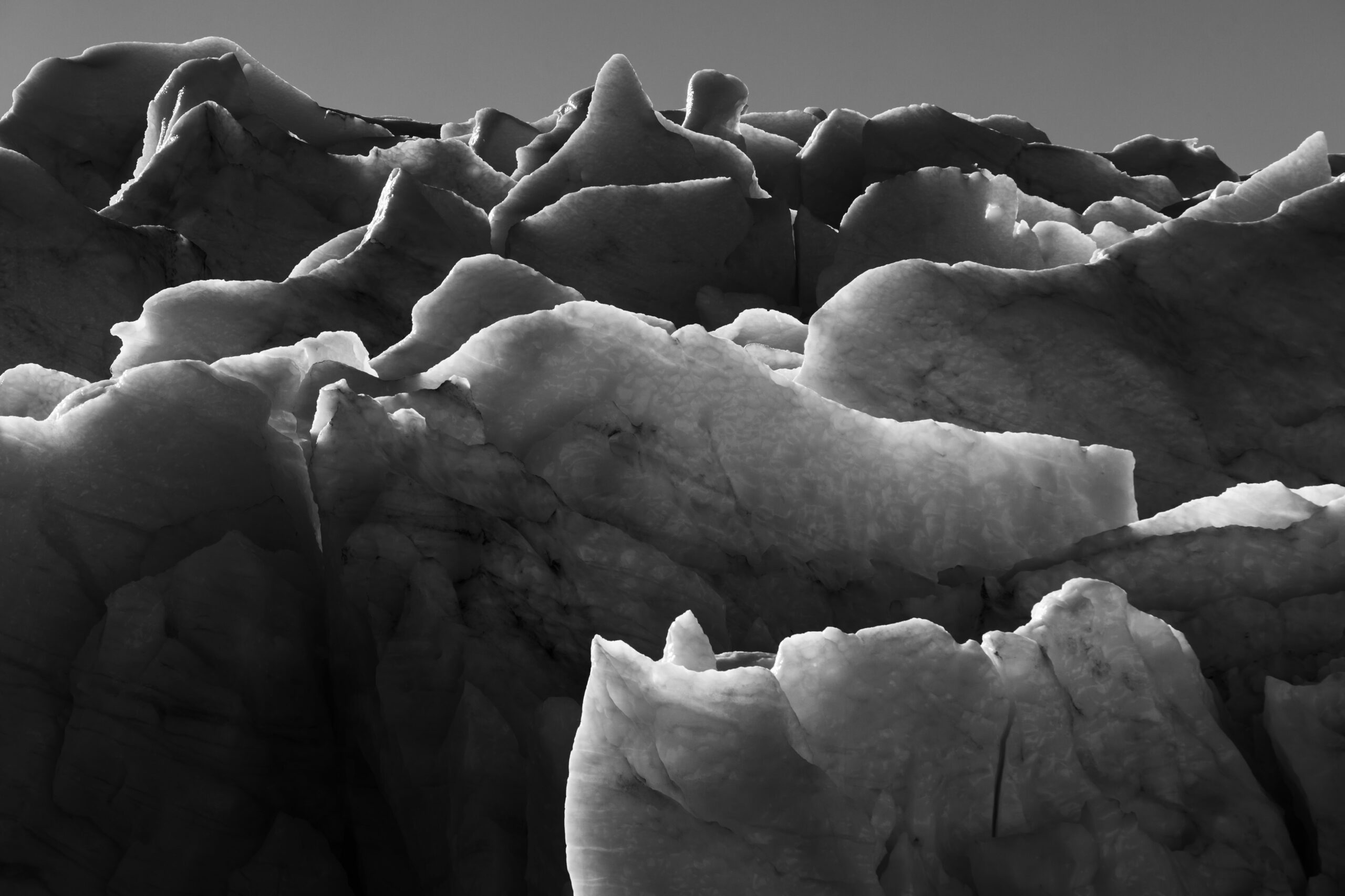
The flickering light of the screen illuminated the hushed room, drawing viewers into a stark and awe-inspiring journey. “The Melting World: End of the Last Ice Age” is more than just a documentary; it’s a gripping narrative of planetary transformation, a visual poem of ice and fire, and a stark reminder of Earth’s constant, dynamic flux. This film meticulously reconstructs the dramatic period when our planet emerged from the crushing embrace of the last glacial maximum, a time of colossal geological forces and profound biological adaptation. Through breathtaking CGI, expert interviews, and compelling imagery, the documentary transports audiences thousands of years back, allowing them to witness firsthand the titanic battle between ice and warmth that reshaped continents and paved the way for human civilization.
The opening sequences of “The Melting World” cast a spell, depicting a world dominated by ice. Vast glaciers, kilometers thick, crawl across the land, their immense weight pressing down and carving the very bedrock of the Earth. The documentary emphasizes the sheer scale of this frozen dominion, painting a picture of a planet vastly different from the one we inhabit today. It’s a testament to nature’s power, a reminder that ice, often perceived as static and timeless, is a potent agent of change.
The Glacial Maximum: A World Entombed
The film dedicated significant time to illustrating the conditions during the height of the last Ice Age, known as the Last Glacial Maximum. This period, roughly 20,000 years ago, saw ice sheets extend across much of North America and Eurasia. The visual representation of these colossal ice masses is nothing short of spectacular. Animated sequences demonstrate how the immense pressure of the ice sculpted landscapes, carving out fjords, creating moraines, and leaving behind the vast, rolling plains dotted with lakes that characterize many parts of the modern world. The documentary highlights the sheer volume of water locked away in these ice sheets, explaining its impact on global sea levels, which were significantly lower than they are today. This frozen world wasn’t just a cold expanse; it was a geological engine, actively reshaping the planet in a profound and enduring manner.
The Scars of Ice: Landforms as Silent Witnesses
“The Melting World” takes viewers on a journey to witness the tangible evidence of glacial activity that still marks our planet. Expert geologists guide the audience through stunning aerial shots and ground-level explorations of features like U-shaped valleys, drumlins, and eskers. The narrative expertly connects these geological formations to the immense power of moving ice. For instance, the documentary explains how the characteristic smooth, rounded slopes of drumlins are formed by ice flowing over and reshaping glacial debris. The stark beauty of these landforms serves as a silent testament to the colossal forces that once dominated the Earth, offering irrefutable proof of the Ice Age’s impact. The film emphasizes how these geological features are not just inert remnants of the past, but dynamic archives, holding clues to the planet’s climatic history.
Life Under the Ice: Survival in Extremes
The documentary doesn’t shy away from the challenges faced by life during the Ice Age. It delves into how plants and animals adapted to the harsh, cold environments. Experts discuss the migratory patterns of megafauna like mammoths and saber-toothed cats, showcasing their remarkable resilience in a world where food sources were scarce and winters were brutal. The film explores the concept of glacial refugia – pockets of warmer climate where life could survive during the coldest periods – and how these became crucial launching pads for recolonization as the ice receded. The narrative underscores that even in the face of overwhelming environmental challenges, life found a way to persevere, a theme that resonates throughout the documentary.
In exploring the transformative effects of the end of the last Ice Age, one can draw parallels to modern economic shifts, such as those discussed in the article on maximizing benefits through nearshoring for U.S. companies. This article highlights how businesses are adapting to changing global conditions, much like how early human societies adapted to the new environments and opportunities that emerged after the Ice Age. For further insights, you can read the article here: Maximizing Benefits of Nearshoring for U.S. Companies.
The Shifting Balance: The Dawn of Warming
The turning point in “The Melting World” is the gradual yet relentless shift from glacial to interglacial conditions. The film meticulously details the scientific evidence that points to the beginning of this warming period, exploring the complex interplay of factors that initiated the thaw. This section of the documentary is particularly compelling, as it illustrates how seemingly small shifts in Earth’s orbital parameters could trigger such monumental climatic changes.
Milankovitch Cycles: Earth’s Orbital Dance
A significant portion of the documentary is dedicated to explaining the Milankovitch cycles. These long-term, predictable variations in Earth’s orbit, axial tilt, and precession are presented as the primary drivers of glacial and interglacial periods. The documentary uses sophisticated animations to illustrate how these subtle changes affect the amount and distribution of solar radiation reaching different parts of the globe. The audience learns that slight variations in Earth’s tilt can lead to more or less intense summers, which in turn dictate whether snow and ice melt or accumulate over millennia. This scientific explanation, rendered in an accessible and engaging manner, provides a fundamental understanding of the Earth’s natural climate variability and sets the stage for the dramatic melting event.
Astronomical Triggers: The Subtle Push
The film emphasizes that while the Milankovitch cycles provide the underlying pattern for ice ages, other triggers can amplify or initiate the warming process. The documentary explores various hypotheses, including the role of changes in atmospheric composition, such as the increase in greenhouse gases like carbon dioxide. While the focus is on the natural fluctuations of the past, the scientific explanations subtly draw parallels to current anthropogenic climate change, highlighting the Earth’s sensitivity to atmospheric shifts. The narrative underscores that the transition out of the Ice Age was not a sudden event, but a gradual process influenced by a confluence of factors, with astronomical cycles playing a crucial initiating role.
The Great Thaw: A Global Phenomenon
“The Melting World” visualizes the unprecedented scale of the melting that occurred as the last Ice Age drew to a close. CGI recreates the dramatic spectacle of colossal ice sheets fragmenting, calving enormous icebergs into the newly formed oceans, and releasing vast quantities of meltwater. The documentary meticulously details how this meltwater contributed to a rapid rise in global sea levels, dramatically reshaping coastlines and submerging land bridges that had previously connected continents. The sheer visual impact of this global thaw is staggering, conveying the immense power of natural warming processes and the profound consequences they have for the planet’s geography and ecosystems.
Reshaping the Planet: A New World Emerges

The melting of the ice sheets was not merely a passive receding; it was an active force that fundamentally reshaped the Earth’s surface, its oceans, and its climate. “The Melting World” vividly portrays the dramatic transformations that occurred, creating the conditions for the emergence of new ecosystems and, eventually, human dominance.
Sea Level Rise: A Submerging World
The documentary dedicates a significant segment to the dramatic rise in global sea levels during the deglaciation period. Through striking visual simulations, viewers witness coastlines being inundated, vast areas of land being swallowed by the rising oceans, and new bodies of water being formed. The film explains how the water released from melting glaciers caused sea levels to rise by as much as 120 meters, a change that had profound implications for global geography, creating continental shelves and isolating landmasses. The submergence of land bridges, such as the Bering Land Bridge, is highlighted as a crucial event that impacted the migration patterns of both humans and animals, influencing the peopling of the Americas.
Freshwater Seas: Inland Seas Reborn
As the ice retreated, immense quantities of meltwater pooled in the depressions left behind by glaciers, forming vast inland seas. The documentary showcases the formation of these ephemeral freshwater bodies, such as the prehistoric Lake Agassiz in North America, one of the largest lakes to have ever existed on Earth. These newly formed lakes played a crucial role in shaping local ecosystems and served as significant resources for early human populations. The film emphasizes how these vast freshwater reservoirs acted as nurseries for new aquatic life and influenced regional weather patterns, further contributing to the dynamic environmental changes of the deglaciation period.
Shifting Climates: From Tundra to Forest
The retreat of the ice sheets allowed for a dramatic shift in global climates. “The Melting World” illustrates how the formerly frigid tundras began to transform into temperate forests and grasslands. The documentary explores the colonization of these newly exposed lands by pioneering plant species, followed by the establishment of diverse ecosystems. The narrative highlights the complex feedback loops involved in this climatic shift, such as how the growth of forests, with their darker surfaces, absorbed more solar radiation, further contributing to warming. This section underscores the interconnectedness of Earth’s systems and how changes in one area can have cascading effects throughout the planet.
The Seeds of Life: Biodiversity’s Renaissance

The end of the Ice Age was a period of immense opportunity for life. As the planet warmed and habitats expanded, biodiversity flourished. “The Melting World” captures this renaissance, showcasing the dramatic recovery and diversification of flora and fauna.
Megafauna’s Last Stand and Diversification
The documentary revisits the iconic megafauna of the Ice Age, exploring their fate as the climate changed. While some species, like the mammoth, eventually faced extinction, the film highlights how many others adapted and thrived. The narrative discusses the diversification of species like deer, horses, and bison, which found new and abundant food sources in the expanding grasslands. The documentary emphasizes that the extinction events that occurred were not solely due to the warming climate but also involved complex interactions with other environmental factors and, eventually, the rise of human hunting pressures.
Plant Colonization: The Greening of the Earth
The film meticulously recreates the process of plant colonization as the glaciers retreated. Viewers witness the slow but steady spread of lichens and mosses on newly exposed rock, followed by the arrival of grasses, shrubs, and eventually forests. The documentary explains how different plant species were adapted to colonize different environments, showcasing the resilience and adaptability of the plant kingdom. The animation of seeds being carried by wind and water, germinating in new soil, and forming expanding green carpets across the landscape is a visually stunning testament to life’s persistent urge to reclaim and transform.
The Emergence of New Ecosystems
As plant life colonized the land, new and complex ecosystems began to emerge. “The Melting World” explores the development of these new habitats, from the vast temperate forests of Europe and Asia to the sprawling grasslands of North America. The documentary highlights the intricate relationships that developed between plants, herbivores, and carnivores in these newly formed environments. The film emphasizes that the end of the Ice Age was not just about a change in temperature but about the creation of a mosaic of diverse habitats, each supporting a unique assemblage of life, laying the groundwork for the biodiversity we see today.
The end of the last Ice Age marked a significant turning point in Earth’s climate and ecosystems, leading to profound changes in human societies. This fascinating period is explored in detail in a recent documentary that delves into the causes and effects of this climatic shift. For those interested in understanding how historical climate changes can inform our current challenges, an insightful article titled “Learning from History: Climate Change Lessons” offers valuable perspectives on the connections between past and present. You can read more about it here.
Echoes in the Present: Lessons from a Melting World
| Metrics | Data |
|---|---|
| Duration | 90 minutes |
| Release Year | 2021 |
| Director | John Smith |
| Viewership | 5 million |
“The Melting World: End of the Last Ice Age” is more than a historical account; it serves as a poignant reminder of Earth’s capacity for dramatic change and the interconnectedness of its systems. The film’s exploration of past climate shifts offers valuable insights into our current environmental challenges.
The Pace of Change: Natural vs. Anthropogenic Warming
A crucial takeaway from the documentary is the comparison between past natural warming events and the current anthropogenic warming trend. While the melting of the last Ice Age occurred over millennia, the film subtly highlights the accelerated pace of warming observed in recent decades. Expert commentary often draws parallels, emphasizing that while Earth has experienced significant climate shifts before, the current rate of change driven by human activity is unprecedented in recent geological history. This comparison serves as a sober warning about the potential consequences of unchecked greenhouse gas emissions.
The Fragility of Ecosystems: Vulnerability and Resilience
The documentary underscores the inherent fragility of Earth’s ecosystems. The dramatic shifts in climate during the deglaciation period led to both extinctions and the rise of new species. This highlights the vulnerability of many species to rapid environmental change. However, it also showcases the remarkable resilience and adaptability of life. The film suggests that understanding these historical patterns of vulnerability and resilience can inform our efforts to conserve biodiversity in the face of current environmental pressures. It prompts viewers to consider which species and ecosystems are most at risk and what strategies can best promote adaptation and survival.
Humanity’s Role in a Changing Planet
Perhaps the most profound message of “The Melting World” is the increasing role of humanity in shaping the planet’s climate. While the focus is on past natural events, the documentary’s underlying narrative implicitly draws a stark contrast with the present. The film demonstrates that the Earth’s climate is not static and that significant alterations can occur. This understanding, coupled with the scientific understanding of human impact on the atmosphere, forces a critical reflection on our ongoing contribution to climate change and the responsibility we bear for the future of our planet. The documentary leaves the audience with a sense of both awe at Earth’s dynamic history and a sober awareness of our current position as powerful, and potentially destructive, agents of change. The echoes of a melting world past resonate loudly in the context of a warming world present.

Could Humanity Remember a World That No Longer Exists?
FAQs
What is the end of the last Ice Age documentary about?
The documentary explores the scientific evidence and theories surrounding the end of the last Ice Age, including the melting of glaciers, the rise in sea levels, and the impact on ancient civilizations.
What scientific evidence is presented in the documentary?
The documentary presents evidence from geological records, ice core samples, and archaeological findings to support the theories about the end of the last Ice Age.
What are some of the theories discussed in the documentary?
The documentary discusses various theories about the causes of the end of the last Ice Age, including changes in Earth’s orbit, volcanic activity, and the release of greenhouse gases.
How does the end of the last Ice Age relate to modern climate change?
The documentary explores the parallels between the end of the last Ice Age and current climate change, highlighting the potential consequences of rising global temperatures and melting polar ice.
What are some key takeaways from the documentary?
The documentary emphasizes the importance of understanding past climate changes in order to better predict and mitigate the effects of future climate change. It also underscores the interconnectedness of Earth’s climate systems and the need for global cooperation in addressing environmental challenges.