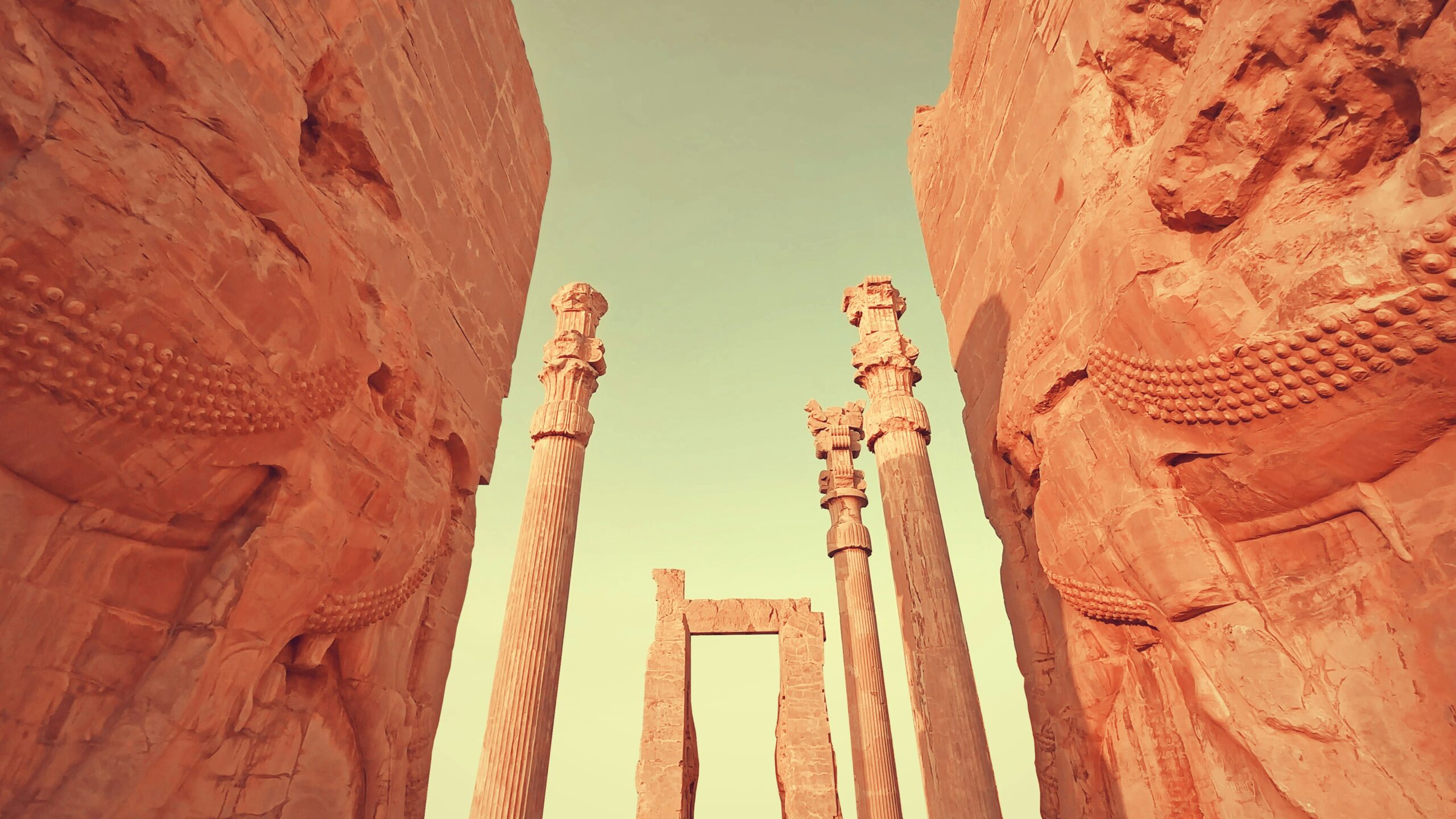
The television landscape, forever a tapestry woven with narratives both familiar and revelatory, has recently welcomed back a beloved explorer of the unexplained. “The Mysteries of the Ancient World: A Fascinating Documentary,” a title that conjures images of dusty tombs and whispered legends, has not only resurfaced but evolved, transforming into a comprehensive series titled “Mysteries of the Ancient World,” now available to a global audience across a multitude of streaming platforms. This expansion signifies a renewed interest in the enigmas that have captivated humanity for millennia, and with its esteemed host and cutting-edge presentation, the series promises to be an illuminating journey.
The initial offering, a compelling documentary that first graced screens in 2004, struck a chord with viewers hungry for accessible yet insightful explorations of history’s most baffling questions. Its success has evidently paved the way for a more ambitious undertaking. The evolution into a multi-episode series, with “Season 1, Episode 1” now a tangible entity, indicates a deeper commitment to delving into the wealth of material that the ancient world presents. This expansive approach allows for more nuanced discussions and the presentation of a broader spectrum of mysteries, ensuring that each ancient enigma receives the attention it deserves.
Streaming Availability: Bringing the Mysteries Home
Gone are the days when such a documentary might be confined to infrequent television broadcasts. “Mysteries of the Ancient World” has embraced the modern era of content consumption, making itself readily available on major streaming platforms. This strategic decision democratizes access to historical inquiry, allowing anyone with an internet connection to embark on these intellectual adventures. The inclusion of platforms like Apple TV (reaching audiences in the US, UK, and Canada), TubiTV, YouTube, and the historically focused History.co.uk signifies a broad distribution strategy, ensuring that the series can be discovered and enjoyed by diverse demographics worldwide. This accessibility is crucial for fostering a wider appreciation of history and the enduring power of its unresolved questions.
If you’re fascinated by the ancient world and want to delve deeper into recent findings, you might find the article “Unraveling Ancient Mysteries: New Discoveries Shed Light” particularly enlightening. It explores groundbreaking archaeological discoveries that have reshaped our understanding of ancient civilizations. You can read the full article here: Unraveling Ancient Mysteries.
Darren McGavin: A Familiar Voice Guiding the Unseen
Central to the enduring appeal of “The Mysteries of the Ancient World” is its charismatic host, Darren McGavin. His re-confirmation in this role is a significant boon for the series. McGavin’s distinctive voice and measured delivery possess an innate ability to draw viewers into the narrative, injecting a sense of gravitas and intellectual curiosity into even the most speculative of topics. He is not merely a narrator but a guide, an investigator who shares in the audience’s pursuit of answers. His continued presence ensures a level of continuity and familiarity that is invaluable for a series revisiting established mysteries while exploring new avenues of inquiry. His established rapport with the subject matter allows him to frame complex theories and archaeological findings in a way that is both understandable and engaging.
The Pillars of Ancient Inquiry: McGavin’s Enduring Investigations
Under McGavin’s stewardship, the series revisits and expands upon the foundational mysteries that have long occupied the collective imagination. The construction of the Pyramids in Egypt, a feat of engineering that continues to defy simple explanations, remains a central focus. The sheer scale, precision, and logistics involved in their creation invite endless speculation, from the capabilities of ancient tools to theories of extraterrestrial or forgotten advanced civilizations. McGavin’s exploration likely delves into the latest archaeological findings, seeking to illuminate the methods and organization of the ancient Egyptians who brought these monumental structures to life.
Equally compelling is the ongoing investigation into the authenticity of the Shroud of Turin. This piece of linen, believed by many to be the burial cloth of Jesus Christ, has been the subject of intense scientific and theological scrutiny for centuries. McGavin’s approach will undoubtedly examine both the evidence that supports its authenticity and the counterarguments that question it, presenting a balanced perspective on this deeply contentious relic. The series may explore the P-32 dating controversy, recent studies on its weave, and the historical accounts of its veneration, all contributing to a comprehensive overview of this profound mystery.
The cryptic prophecies of Nostradamus also feature prominently. The famed seer’s quatrains have been interpreted in countless ways, often linked to significant historical events. The series will likely dissect some of his most famous predictions, examining the linguistic nuances of his work and the ways in which subsequent generations have sought to align his pronouncements with historical occurrences. This exploration taps into humanity’s enduring fascination with foresight and the possibility of foretelling the future. McGavin’s commentary may address the challenges of translation, the inherent ambiguity of prophecy, and the psychological appeal of finding patterns in the seemingly chaotic flow of history.
Finally, the ethereal and unsettling phenomenon of the Bermuda Triangle continues to hold its allure. The numerous disappearances of ships and aircraft within this infamous region of the Atlantic Ocean have fueled a multitude of theories, ranging from magnetic anomalies and unusual weather patterns to more outlandish explanations. The series will likely present a scientific overview of the known factors that contribute to maritime and aerial hazards in this area, while also acknowledging the persistent mystique that surrounds it. McGavin’s narration will likely guide viewers through historical accounts of these disappearances, alongside explanations of oceanic currents, weather systems, and unusual geological features that might contribute to the region’s notoriety.
Unearthing the Past: New Discoveries Reshaping Understanding
A key element that distinguishes the new series is its incorporation of recent archaeological discoveries. These fresh insights are crucial for moving beyond established narratives and offering viewers a contemporary perspective on ancient enigmas. The series has been meticulously updated to include findings that shed new light on long-held beliefs and introduce entirely new areas of investigation.
Echoes from the Valley of the Kings
The Valley of the Kings in Egypt, a site synonymous with pharaonic burial grounds, yielded a significant discovery in 2005: the identification of a new tomb. This finding, even many years later, offers invaluable data about funerary practices, royal lineage, and the evolution of tomb construction during specific dynasties. The series will likely explore the circumstances of this discovery, the artifacts found within, and how this tomb contributes to the grander narrative of ancient Egyptian civilization. The process of excavating and preserving such delicate discoveries, often involving international teams of archaeologists, will also likely be highlighted, underscoring the collaborative nature of modern archaeological endeavors.
The Fragile Legacy of the Shrine of Jonah
The Shrine of Jonah in Mosul, Iraq, holds immense religious and historical significance for several faiths. Its destruction in 2014 was a tragic loss of cultural heritage, but before its demise, extensive documentation and analysis of its structure and contents were undertaken. “Mysteries of the Ancient World” will likely feature discussions of the shrine, its historical context, and the profound impact of its loss. This segment serves as a poignant reminder of the fragility of historical sites and the importance of their preservation for future generations. The series might also include interviews with experts who worked at the site, offering personal reflections on its importance and the sorrow associated with its destruction.
Submerged Secrets and Ancient Power
Two more recent and equally intriguing discoveries are presented in these new episodes: the 10,000-year-old sunken city off Cuba and the Baghdad Battery. The sunken city, if confirmed and thoroughly investigated, promises to push back the timeline of organized human settlement in the Americas and offer insights into a potentially unknown ancient civilization. The sheer age of such a find necessitates a re-evaluation of our understanding of early human migration and technological capabilities. The series will likely explore the initial sonar surveys, the geological context of the find, and the challenges of verifying such an ancient underwater site.
The Baghdad Battery, a collection of terracotta pots containing copper cylinders and iron rods, has long intrigued researchers with its potential implications for ancient electrical technology. While the exact purpose of these artifacts remains debated, many theories suggest they could have been rudimentary galvanic cells, used for electroplating or perhaps even simple medical treatments. The series will undoubtedly dissect these theories, presenting arguments for and against the “ancient electricity” hypothesis, and examine the scientific experiments conducted to replicate their potential function. This exploration not only delves into technological history but also questions our assumptions about the ingenuity of ancient peoples.
Reimagining the Past: Advanced Technology in the Present
The “Mysteries of the Ancient World” series is not content to simply present historical narratives; it actively seeks to bring the ancient world to life through the judicious application of modern technological advancements. This fusion of historical inquiry and digital innovation creates an immersive and engaging viewing experience.
The Power of 4K and Deep-Dive Formats
The re-release of the documentary in 4+ hour deep-dive formats on platforms like YouTube is a testament to the depth and breadth of the content. These extended versions allow for a more thorough examination of each mystery, providing ample time for expert interviews, detailed historical context, and the presentation of supporting evidence. The availability in high definition ensures that viewers can fully appreciate the visual richness of archaeological sites, artifact details, and the meticulously crafted visualizations. This format caters to both the casual viewer seeking an introduction and the dedicated enthusiast eager for a comprehensive exploration.
In exploring the fascinating achievements of ancient civilizations, one can draw parallels to modern engineering marvels, as highlighted in a recent article about Mexico’s skilled engineering talent. This piece delves into how contemporary engineers are inspired by historical innovations, showcasing the enduring legacy of ancient techniques. For a deeper understanding of this connection, you can read more about it in the article on Mexico’s skilled engineering talent.
Harnessing the Future: 3D Scanning and Reconstruction
Perhaps the most groundbreaking aspect of this new iteration of “The Mysteries of the Ancient World” is its utilization of cutting-edge 3D scanning and 3D reconstruction technology. This innovation allows for the visualization of lost civilizations and engineering feats in a way that was previously unimaginable. Imagine seeing a fully reconstructed Roman city, not just as a static image, but as a navigable digital environment, or witnessing the intricate internal chambers of an Egyptian pyramid being precisely rendered. This technology offers a powerful tool for understanding the spatial relationships, architectural complexities, and sheer scale of ancient creations.
Bringing Lost Worlds Back to Life
The application of 3D scanning to ancient structures and artifacts provides an unprecedented level of detail. By capturing millions of data points, these technologies create digital twins of historical sites, allowing researchers and viewers to explore them in ways that are impossible in the physical world. Erosion, damage, or inaccessibility no longer serve as insurmountable barriers to understanding. This is particularly vital for reconstructing lost civilizations or structures that have long since crumbled. The series can now offer viewers tours of ancient metropolises, allowing them to walk through streets that have been unwalked for millennia, or to examine the fine details of an artifact from every angle without the risk of physical contact.
Similarly, 3D reconstruction plays a crucial role in visualizing complex engineering feats. The construction of the Pyramids, for instance, can be animated and visualized layer by layer, demonstrating potential methods of stone movement, ramp systems, and the sheer organizational prowess required. The series can now offer dynamic and interactive explanations of how ancient peoples might have achieved seemingly impossible constructions, moving beyond static diagrams and into the realm of dynamic, explorable visualization. This technology doesn’t just show; it allows viewers to understand the processes and ingenuity involved.
The Verdict of the Audiences and Critics: IMDb and User Reviews
The enduring appeal of “The Mysteries of the Ancient World” is further solidified by its strong presence and positive reception on IMDb. Both the original 2004 TV movie and the new series episodes maintain active listings, serving as a testament to their continued relevance and popularity. User reviews consistently highlight the show’s successful blend of rigorous historical inquiry, engaging mythological narratives, and the innovative application of modern visual technology.
A Harmonious Blend of History, Mythology, and Technology
Reviewers frequently laud the series for its ability to strike a delicate balance. It delves into the verifiable facts and archaeological evidence, grounding its explorations in historical scholarship. Simultaneously, it acknowledges and explores the rich tapestry of mythology, folklore, and speculative theories that surround these ancient enigmas, recognizing their cultural significance and the human desire for explanation. The integration of 3D scanning and 3D reconstruction is also a recurring theme in positive reviews, with users expressing awe at how these technologies bring the past to life, making complex concepts accessible and visually stunning. This harmonious blend ensures that “The Mysteries of the Ancient World” appeals to a broad spectrum of viewers, from history buffs and science enthusiasts to those simply captivated by the enduring allure of the unknown. The series successfully navigates the fine line between presenting established facts and engaging with the speculative, allowing for intellectual curiosity without sacrificing credibility. It invites the audience to ponder, to question, and ultimately, to be inspired by the vast, unsolved chapters of human history.

The Sahara Won’t Stay a Desert Forever
FAQs

What is an ancient world documentary?
An ancient world documentary is a film or video production that explores and educates viewers about the history, culture, and civilizations of ancient societies, such as the Egyptians, Greeks, Romans, and Mesopotamians.
What are the common themes in ancient world documentaries?
Common themes in ancient world documentaries include architecture, art, religion, daily life, warfare, trade, and technological advancements of ancient civilizations. These documentaries often aim to provide a comprehensive understanding of the historical context and significance of these ancient societies.
How are ancient world documentaries researched and produced?
Ancient world documentaries are typically researched and produced by historians, archaeologists, and experts in ancient civilizations. They often involve extensive research of historical records, archaeological findings, and scholarly literature to ensure accuracy and authenticity in the content presented.
Where can one watch ancient world documentaries?
Ancient world documentaries can be found on various streaming platforms, such as Netflix, Amazon Prime, and Hulu, as well as on educational channels like National Geographic and the History Channel. They may also be available for purchase or rental on DVD or Blu-ray.
What are the benefits of watching ancient world documentaries?
Watching ancient world documentaries can provide viewers with a deeper understanding of the origins of human civilization, the development of cultural and societal norms, and the impact of ancient civilizations on modern society. It can also inspire curiosity and interest in history and archaeology.