The wind, a relentless sculptor of ice and stone, howled across the barren landscapes of Greenland, a constant reminder of the harsh realities faced by its early European inhabitants. For centuries, the Norse colonies, established by Erik the Red in the late 10th century, thrived in this seemingly inhospitable environment. They built farms, raised livestock, and carved out a distinct existence, a testament to their resilience and adaptability. Then, a slow, inexorable decline began, culminating in their complete disappearance by the mid-15th century. The reasons for this enigmatic vanishing act have long been a source of debate, a puzzle pieced together through archaeological fragments and historical conjecture. Yet, recent discoveries and renewed analyses are finally shedding light on the multifaceted forces that conspired to bring about the demise of the Greenland Norse.
Whispers from the Past: Unearthing the Norse Settlements
The story of the Greenland Norse is primarily told through the silent witness of archaeology. The discovery and excavation of their settlements, particularly the Eastern and Western Settlements, have provided an invaluable window into their daily lives, their economy, and their social structures. These sites, marked by the remnants of stone houses, sheep pens, and turf walls, speak of a society deeply intertwined with its environment. They reveal a reliance on animal husbandry, primarily sheep and cattle, supplemented by hunting seal and caribou. The presence of iron tools, fragments of textiles, and evidence of craftsmanship point to a degree of self-sufficiency and trade, albeit limited.
The Lay of the Land: Environmental Conditions
The initial success of the Norse in Greenland was predicated on a period of relatively favorable climate conditions known as the Medieval Warm Period. This era, roughly from the 10th to the 13th centuries, offered warmer summers and less severe winters, allowing for the cultivation of grasses and the sustenance of livestock. Archaeological evidence, such as pollen analysis and soil studies, indicates that the Norse actively managed their land, clearing forests and creating pastures. The landscape they shaped was one of hardy, low-lying vegetation, carefully nurtured to support their agricultural ambitions. However, this seemingly benign environment harbored a precarious balance, one that was highly susceptible to climatic shifts.
Echoes of Society: Social Organization and Religion
The Greenland Norse were not a monolithic entity. Their society was hierarchical, with clear distinctions between landowners and those who worked their farms. The presence of large longhouses suggests a communal living arrangement, but also a concentration of wealth and power. Religious beliefs, inherited from their Scandinavian homelands, played a significant role. Churches and chapels, such as the famed cathedral at Garðar, were central to their spiritual lives, serving as focal points for communities and symbols of their connection to a wider Christian world. The dedication of these structures to saints, like St. Olaf, underlines their Norse identity and their adherence to established European religious practices. This religious framework also implicitly created a demand for goods associated with church upkeep and religious observances, further influencing their economic activities.
The mysterious collapse of the Greenland Norse colony has long intrigued historians and archaeologists, prompting numerous theories about the factors that led to its decline. A related article that delves into the complexities of historical crises and their parallels in modern times can be found at this link. This piece explores how geopolitical tensions and environmental changes can impact societies, drawing connections that may shed light on the fate of the Norse settlers in Greenland.
The Shifting Tides: Climatic Change and its Impact

The most compelling factor in the collapse of the Greenland Norse colonies appears to be a profound and sustained shift in climate. The Medieval Warm Period eventually gave way to the Little Ice Age, a prolonged period of cooling that began to manifest in the late 13th and 14th centuries. This climatic downturn had a devastating cascade effect on the Norse way of life.
The Frost’s Grasp: Shortened Growing Seasons and Colder Winters
As temperatures plummeted and the growing season became increasingly truncated, the viability of their agricultural system was severely compromised. The grasses that supported their livestock dwindled, leading to a scarcity of fodder. Winters became longer and more brutal, increasing the mortality rate of their animals. The Norse were accustomed to harsh conditions, but the intensification and prolonged nature of this cooling trend pushed their agricultural practices beyond their breaking point. This was not a sudden cataclysm, but rather a creeping deterioration, a gradual erosion of their ability to sustain themselves.
The Frozen Sea: Disruption of Trade Routes and Access
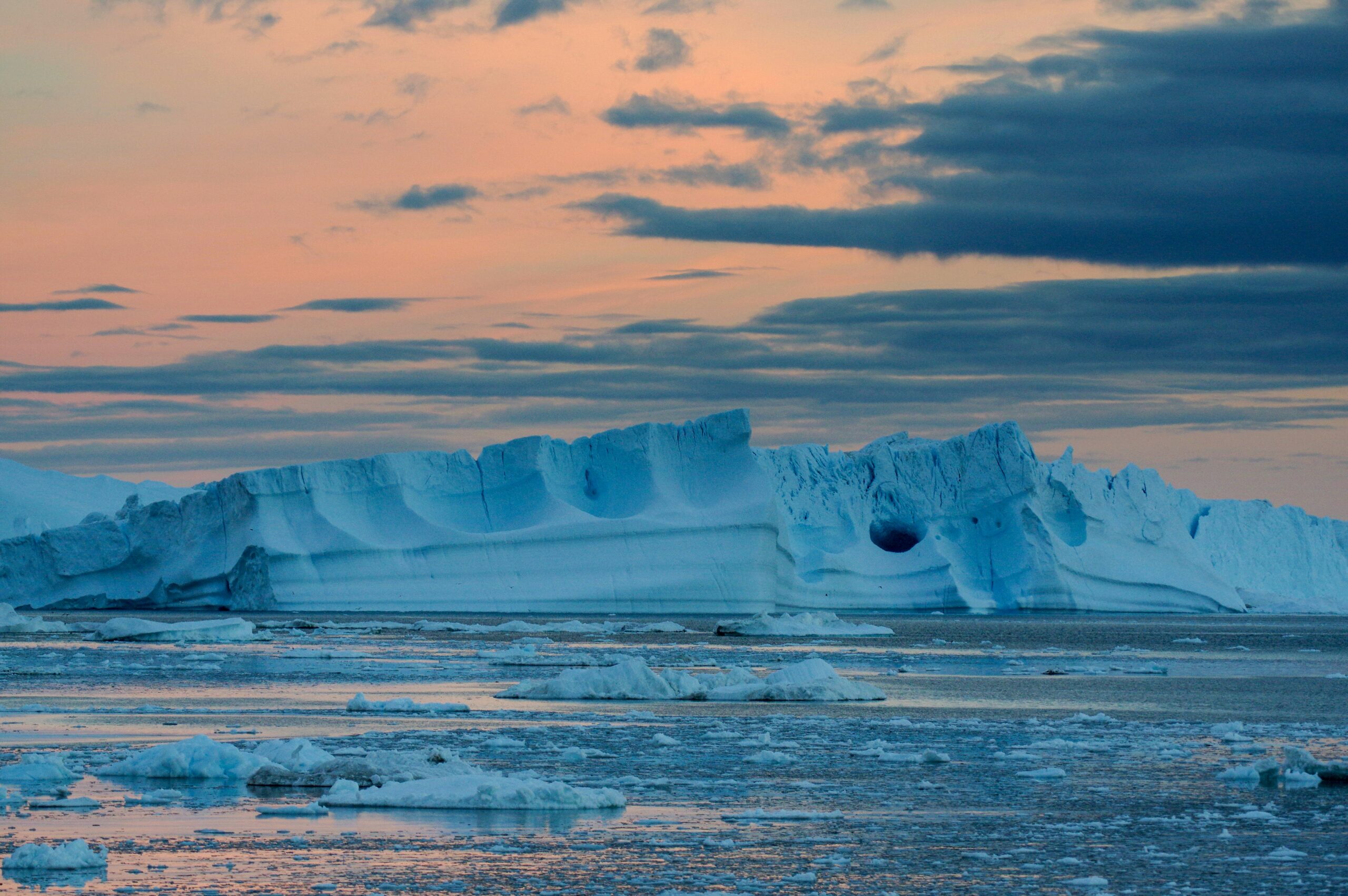
The Little Ice Age also had a significant impact on the surrounding ocean. Ice floes became more prevalent and extended further south, making the sea routes between Greenland and Iceland, and ultimately Europe, more perilous and often impassable. This isolation was particularly damaging for the Norse in Greenland, who relied on trade for certain essential goods, such as iron, timber, and grain, which they could not produce themselves in sufficient quantities. The dwindling opportunities for trade meant a reduction in vital imports, further straining their resources and their ability to maintain their established lifestyle. The famous sagas, though written later, hint at the growing difficulty of transatlantic voyages, with tales of long and dangerous journeys becoming increasingly common.
The Missing Link: Trade and Economic Vulnerabilities

While climate change exerted immense pressure, the economic vulnerabilities of the Greenland Norse also played a crucial role in their downfall. Their economy, while seemingly robust, was built on a foundation of specific agricultural and hunting practices that proved unsustainable in the face of environmental and external pressures.
The Lure of Walrus Ivory: A Mono-Economic Focus
The Greenland Norse developed a specialized export economy centered on walrus ivory. This valuable commodity, harvested from the walrus populations of the Disko Bay region, was highly sought after in Europe for the creation of luxury goods, such as crucifixes and combs. Archaeological evidence, including numerous ivory artifacts found in European contexts, attests to the significance of this trade. However, this reliance on a single primary export made their economy incredibly vulnerable. When demand for ivory fluctuated in Europe, or when the supply from Greenland became unreliable due to the aforementioned climatic challenges, the economic consequences for the Norse were profound.
The Shifting Sands of European Demand: The End of an Era
The demand for walrus ivory in Europe was not constant. As tastes and fashions evolved, and as new materials and trade routes emerged, the economic incentive for obtaining ivory from Greenland began to wane. The Hanseatic League, a powerful confederation of German trading cities that came to dominate Baltic and North Sea trade, gradually shifted its focus towards other commodities and regions. This meant that the Greenland Norse found themselves with a valuable commodity that was becoming increasingly less desirable in their traditional markets. The arrival of cheaper or more readily available alternatives, coupled with the logistical difficulties of transporting goods from Greenland, likely contributed to the decline in trade.
The Human Factor: Social and Political Pressures
Beyond the environmental and economic challenges, internal social and political factors may have also contributed to the demise of the Greenland Norse. The colony, though small, was not immune to internal strife or the erosion of its social fabric.
The Ghost Ships: Lack of Resupply and Reinforcement
One of the most perplexing aspects of the Greenland Norse disappearance is the apparent lack of any significant “last stand” or organized evacuation. The settlements seem to have slowly faded away. This suggests a gradual decline in population, rather than a sudden, catastrophic event. The inability to receive regular resupply or reinforcement from Europe, particularly as sea routes became more difficult, would have severely hampered their ability to adapt and overcome the challenges they faced. Without the influx of new people, ideas, and resources, the existing population would have been increasingly susceptible to the compounding pressures.
The Adaptation Gap: Inability to Assimilate or Innovate
The Greenland Norse, by all accounts, were tenacious in maintaining their European identity. Their farms, their churches, and their social customs remained distinctly Norse. While this provided a strong sense of community, it may have also represented a failure to adapt to the unique circumstances of Greenland. They did not, for example, seem to have fully embraced the hunting and survival techniques of the Inuit, the indigenous inhabitants of Greenland, who thrived in the same environment. This lack of cultural exchange and adaptation may have further limited their options for survival. The Inuit, with their specialized knowledge of hunting marine mammals and navigating icy waters, were far better equipped to thrive in the changing climate.
The mysterious collapse of the Greenland Norse colony has intrigued historians and archaeologists for years, prompting various theories about the factors that led to their disappearance. One interesting perspective can be found in a related article that discusses how resource management and environmental challenges may have played a crucial role in the colony’s decline. By examining the impact of climate change and resource utilization, this article sheds light on the complexities faced by the Norse settlers. For more insights into how these historical challenges relate to modern technology and resource management, you can read the article on maximizing resources with ISRU technology here.
The Final Chapter: A Slow Fade into Obscurity
| Metric | Data/Value | Notes |
|---|---|---|
| Time Period of Norse Settlement | c. 985 AD – c. 1450 AD | Approximate duration of Norse presence in Greenland |
| Estimated Population at Peak | 2,000 – 3,000 | Based on archaeological and historical estimates |
| Average Temperature Decline | 1-2°C | During the Little Ice Age, affecting agriculture |
| Years of Recorded Norse Abandonment | c. 1400 – 1450 AD | Period when settlements were gradually deserted |
| Primary Theories for Collapse | Climate Change, Economic Isolation, Inuit Conflict, Soil Degradation | Multiple factors likely contributed |
| Archaeological Evidence of Diet Shift | Increased reliance on marine resources | Indicates adaptation to changing environment |
| Trade Goods Decline | Marked reduction in imported iron and timber | Suggests loss of contact with Europe |
| Last Written Record | 1408 AD | Letter from Greenland’s bishop to Norway |
The collapse of the Greenland Norse colonies was not a single event but a protracted process, a slow unraveling of a fragile existence. The cumulative impact of a cooling climate, disrupted trade, and internal vulnerabilities gradually eroded their ability to sustain themselves. Archaeological evidence, such as the decreasing size of burials and the deterioration of buildings, points to a population in decline.
The Greenlandic Enigma: A Cautionary Tale
The story of the Greenland Norse serves as a potent reminder of the delicate interplay between human societies and their environment. It highlights the dangers of over-reliance on specific economic activities and the critical importance of adaptability in the face of environmental change. The reasons for their disappearance are not singular but a complex tapestry woven from multiple threads: a warming world that turned cold, a trade network that frayed, and a society that, perhaps, was unable to bend sufficiently to survive. The whispers from the past, unearthed from the permafrost and the archaeological strata, finally tell a coherent story of a fascinating chapter of human history coming to a poignant and inevitable close. The sites remain, silent testaments to a people who dared to settle at the edge of the known world, and whose ultimate fate offers enduring lessons for our own time.
The Viking “Bison” Myth That Was Just Debunked
FAQs
What was the Greenland Norse colony?
The Greenland Norse colony was a settlement established by Norse settlers in the 10th century on the southwestern coast of Greenland.
Why is the collapse of the Greenland Norse colony considered mysterious?
The collapse of the Greenland Norse colony is considered mysterious because historians and archaeologists have not been able to definitively determine the exact reasons for the sudden disappearance of the Norse settlers from Greenland in the 15th century.
What are some theories about the collapse of the Greenland Norse colony?
Some theories about the collapse of the Greenland Norse colony include climate change, economic decline, conflicts with the Inuit people, and the Black Death.
How long did the Greenland Norse colony exist before its collapse?
The Greenland Norse colony existed for approximately 500 years before its collapse in the 15th century.
What evidence has been found to support the theories about the collapse of the Greenland Norse colony?
Archaeological evidence, such as abandoned settlements, graves, and artifacts, has been found in Greenland to support the various theories about the collapse of the Greenland Norse colony.