
The icy grip of the Arctic has long held secrets, and few are as haunting and enduring as the fate of Sir John Franklin and his two ships, HMS Erebus and HMS Terror. In 1845, a grand expedition set sail with the ambitious goal of discovering the Northwest Passage, a fabled sea route connecting the Atlantic and Pacific oceans through the Arctic archipelago. What began as a mission of exploration and national pride would devolve into a tragic enigma, leaving behind a legacy of unanswered questions and chilling whispers in the unforgiving polar wilderness.
A Nation’s Dream
For centuries, the allure of the Northwest Passage had captivated explorers and monarchs alike. The promise of a shorter, more direct trade route to the East, bypassing the lengthy and perilous journey around the southern tip of Africa, was immense. England, in particular, had a long and storied history of Arctic exploration, fueled by a desire for maritime dominance and scientific advancement. The Royal Navy, at the forefront of global exploration, viewed the charting of this elusive passage as the ultimate prize.
Sir John Franklin: The Man of the Hour
Sir John Franklin, a seasoned naval officer with a distinguished career in Arctic exploration, was chosen to lead the expedition. Though in his late 50s, Franklin was not a novice. He had previously served on voyages of discovery and commanded expeditions to the Arctic, including surveys of the Canadian coastline. He was known for his courage, his amiable nature, and his perceived resilience in the face of hardship, making him a seemingly ideal candidate for such a challenging undertaking. However, some historians would later question whether his age and past experiences had adequately prepared him for the unprecedented scale and potential dangers of this particular mission.
The Ships: Pillars of Hope
Two stout vessels, HMS Erebus and HMS Terror, were outfitted for the arduous journey. These ships were specially reinforced with iron plating to withstand the crushing pressure of Arctic ice. They were equipped with the latest navigational instruments, ample provisions, and a crew of 129 officers and men. The expedition was a marvel of Victorian engineering and naval preparedness, carrying with it the hopes and expectations of a nation eager for success. The crew comprised experienced seamen, scientists, and surgeons, reflecting the dual purpose of the voyage: to achieve a geographical breakthrough and to contribute to scientific knowledge.
The mysterious disappearance of the Franklin Expedition in 1845 has captivated historians and adventurers alike for decades. This ill-fated journey aimed to navigate the Northwest Passage but ended tragically, leaving behind a legacy of intrigue and speculation. For those interested in exploring other historical mysteries, you might find the article on the lore of the Elder Scrolls particularly engaging. It delves into the rich history and mythology of Tamriel, offering insights that parallel the enigmatic nature of the Franklin Expedition. To read more, visit this link.
The Voyage Begins: A Promising Departure
Setting Sail for the Unknown
On May 19, 1845, HMS Erebus and HMS Terror, under the command of Sir John Franklin, departed from Greenhithe, England, to a fanfare of cheers and patriotic fervor. The expedition was well-supplied, with provisions intended to last for three years. Their initial journey took them to Greenland, where they were last seen by Europeans. The whaler Prince of Wales encountered the expedition on July 26, 1845, in Melville Bay, en route to Lancaster Sound. Captain Gresham of the whaler exchanged pleasantries with Sir John Franklin, who expressed confidence in the success of their mission. This sighting marked the last confirmed visual contact any European would have with the ill-fated expedition.
Early Successes and Optimism
The early stages of the voyage appeared promising. The ships successfully navigated through the initial, more familiar waters of the Arctic. Reports from the crew, though sparse, conveyed a sense of optimism and determination. The men were reportedly in good spirits, and the ships were holding up well against the elements. The expedition had successfully entered the Canadian Arctic Archipelago, a critical juncture in their quest for the passage.
The Grim Silence: Disappearance and Growing Concern

The Long Wait
As weeks turned into months, and months into years, a growing unease began to settle over Britain. The expedition was expected to return by the autumn of 1847, or at the very latest, by the spring of 1848. When no word arrived, the Royal Navy, and the public, began to grow increasingly concerned. The vastness of the Arctic and the unpredictable nature of Arctic ice made communication challenging, but the silence was becoming deafening.
Initial Search Efforts
The first organized search efforts began in 1848, fueled by the mounting anxiety. Private expeditions, sponsored by Lady Jane Franklin, Sir John’s devoted wife, and later by the Royal Navy itself, were dispatched to search for any sign of the missing ships or crew. These early searches, however, were largely unsuccessful, hampered by the immense scale of the Arctic and the limited information available.
Lady Jane Franklin’s Unwavering Resolve
Lady Jane Franklin became a tireless advocate for her husband’s rescue. She poured her personal fortune into sponsoring search expeditions, writing countless letters, and appealing to the public and the government for further action. Her unwavering dedication and persistent efforts were instrumental in keeping the mystery of the Franklin Expedition alive and in motivating continued searches.
Whispers of Disaster: Inuit Testimony
As the years passed, fragmented accounts from the Inuit, the indigenous people of the Arctic, began to surface. These accounts, often relayed through intermediaries, spoke of a large ship frozen in the ice, of starving men, and of death. While initially met with skepticism, the consistency and detail of these testimonies gradually began to paint a grim picture.
The “Iron Ships” and the Starving Men
Inuit hunters and travelers reported encounters with starving Europeans, often found in small groups, far from their ships. They spoke of cannibalism, a desperate measure born from extreme hunger. These chilling testimonies, gathered over many years and across vast distances, provided the first tangible, albeit grim, clues to the expedition’s fate.
Decades of Searching: Piecing Together the Puzzle

The Lady’s Legacy and the Royal Navy’s Commitment
Lady Jane Franklin’s efforts, though ultimately unsuccessful in bringing her husband home, laid the groundwork for decades of searching. The Royal Navy, initially hesitant, eventually mounted several significant expeditions. These searches, while still struggling to locate the ships, began to uncover artifacts and gather more detailed Inuit accounts.
The Rediscovery of Clues
In the latter half of the 19th century, a series of expeditions made crucial discoveries that slowly began to illuminate the tragedy.
Captain McClintock’s Breakthrough (1859)
Perhaps the most significant breakthrough came with Captain Sir Francis McClintock’s expedition aboard the yacht Fox. In 1859, on King William Island, McClintock found a small cairn containing a document. This document, a message left by the expedition’s officers, provided the first definitive account of the disaster.
The Message in the Bottle (or rather, the tin cylinder)
The message, dated May 1847, revealed that the expedition had been ice-bound for over a year. It stated that Sir John Franklin had died on June 11, 1847. The officers intended to abandon the ships and march south to the Canadian mainland. A later, more chilling addendum, dated April 1848, reported that the ships had been abandoned, and the remaining survivors, 105 in number, were attempting to reach Back River.
The Scavenging of the Wreckage
McClintock also discovered further evidence on King William Island, including graves and discarded items belonging to the crew. Inuit testimony from the area corroborated the account of the survivors attempting to march south, and described finding the bodies of Europeans along the western coast of the island. They also spoke of the survivors having resorted to eating their dead.
The Role of Inuit Knowledge
It is crucial to acknowledge the invaluable role of the Inuit in piecing together the Franklin mystery. Their intimate knowledge of the Arctic landscape, their survival skills, and their willingness to share their observations, however harrowing, provided the essential clues that eluded the European search parties for so long. Without their testimonies, the fate of the expedition might have remained forever lost to the ice.
The mystery surrounding the Franklin Expedition’s disappearance in 1845 has captivated historians and adventurers alike for decades. Recent discoveries in the Arctic have shed light on the fate of the crew, revealing clues that suggest their struggle for survival in the harsh conditions. For those interested in exploring more about historical expeditions and their implications, a related article can be found here, which discusses the broader context of exploration and its impact on trade agreements. The intertwining of exploration and commerce continues to shape our understanding of history.
The Unveiling of the Truth: Scientific Investigation and Modern Discoveries
| Event | Date | Location |
|---|---|---|
| Start of Expedition | May 19, 1845 | Greenhithe, England |
| Disappearance | 1845-1846 | Arctic Ocean, Canada |
| Search Efforts | 1848-1859 | Arctic region |
| Discovery of Artifacts | 19th century | King William Island, Canada |
The Unsolved Enigma: A Lingering Shadow
Despite McClintock’s findings, many questions remained unanswered. The exact circumstances of the ships’ final moments, the precise route of the starving survivors, and the full extent of their suffering were still shrouded in mystery. The tragedy of the Franklin Expedition became a potent symbol of the unforgiving nature of the Arctic and the perils of exploration.
Forensic Clues: The Examination of Remains
In the late 20th and early 21st centuries, scientific advancements offered new ways to investigate the mystery.
The Examination of Skeletal Remains
In the 1980s and 1990s, researchers, including anthropologist Dr. Owen Beattie, exhumed skeletal remains of Franklin crewmen found on King William Island. Forensic analysis revealed clear evidence of starvation and, most disturbingly, of cannibalism. The presence of cut marks on bones, consistent with dissection, provided irrefutable proof of this grim survival strategy.
The Culprits: Scurvy and Lead Poisoning
Further investigations into the remains and the recovered provisions also shed light on the potential contributing factors to the expedition’s demise.
The Scourge of Scurvy
The lack of fresh food, despite the crew’s efforts to preserve provisions, likely led to widespread scurvy, a debilitating disease caused by vitamin C deficiency. The symptoms of scurvy would have severely weakened the men, making them more vulnerable to the harsh Arctic environment and less capable of survival.
The Telltale Tins: Lead Poisoning
Analysis of the expedition’s canned food revealed high levels of lead. The cans were sealed with solder containing lead, and the acidic contents of the food, combined with the long storage period, likely leached significant amounts of lead into the provisions. Lead poisoning, even in relatively small doses over time, can cause neurological damage, confusion, and physical weakness, further contributing to the crew’s deterioration and poor decision-making.
The Breakthrough: Discovery of the Wrecks (2014 & 2016)
The most significant advancements in understanding the Franklin Expedition’s fate came with the discovery of the wrecks of HMS Erebus and HMS Terror themselves.
Locating HMS Erebus (2014)
In September 2014, the Canadian government announced the discovery of the wreck of HMS Erebus in the waters of the Queen Maud Gulf. The discovery was made possible through advanced sonar technology and the invaluable guidance of Inuit oral history, which had pinpointed the general location for generations.
Finding HMS Terror (2016)
Two years later, in September 2016, the wreck of HMS Terror was located in Terror Bay, off the coast of King William Island. This discovery, also aided by Inuit knowledge, provided an even more complete picture of the expedition’s final resting place. The remarkably well-preserved wrecks, resting in the frigid Arctic waters, offered a silent, poignant testament to the tragedy.
Insights from the Underwater Archives
The exploration of the wrecks, using remotely operated vehicles, has yielded an astonishing array of artifacts, from personal effects and navigational instruments to the ships’ cannons and even a ship’s bell. These underwater archives are providing an unprecedented glimpse into the daily lives of the crew, their challenges, and the final moments of the expedition. The preservation of organic materials in the Arctic environment is extraordinary, offering a unique window into the past.
The mysterious disappearance of the Franklin Expedition in 1845 has long captivated historians and adventurers alike, as it represents one of the most enduring enigmas of Arctic exploration. The expedition aimed to traverse the Northwest Passage, but instead, it vanished without a trace, leading to numerous theories and extensive searches over the years. For those interested in the broader context of exploration during this era, a related article discusses the challenges faced by explorers and the mapping of uncharted territories, which can be found here. This piece sheds light on the ambitious spirit of exploration that characterized the time and the risks that came with it.
The Enduring Legacy: A Cautionary Tale and a Symbol of Resilience
A Symbol of Victorian Ambition and Its Perils
The Franklin Expedition stands as a stark reminder of the ambitions and the immense risks associated with Victorian-era exploration. It highlights the clash between human determination and the raw, untamed power of nature. The expedition’s failure, while a tragedy, also spurred further exploration and scientific inquiry into the Arctic.
The Human Cost of Exploration
The story of the Franklin Expedition is a profound human tragedy. It speaks of courage, resilience, and the ultimate vulnerability of humankind in the face of overwhelming natural forces. The harrowing accounts of starvation, disease, and cannibalism underscore the immense suffering endured by the crew.
A Continuing Quest for Knowledge
The ongoing research into the Franklin Expedition, from the examination of remains to the exploration of the wrecks, continues to reveal new insights. The mysteries are slowly being unraveled, yet the narrative of their struggle and ultimate demise remains a powerful and somber chapter in the history of exploration. The legacy of Sir John Franklin and his crew serves as both a cautionary tale and an enduring testament to the indomitable human spirit, forever etched into the icy heart of the Arctic. The discoveries continue to shape our understanding of the past and inspire future generations to explore the unknown, armed with greater knowledge and respect for the power of the natural world.
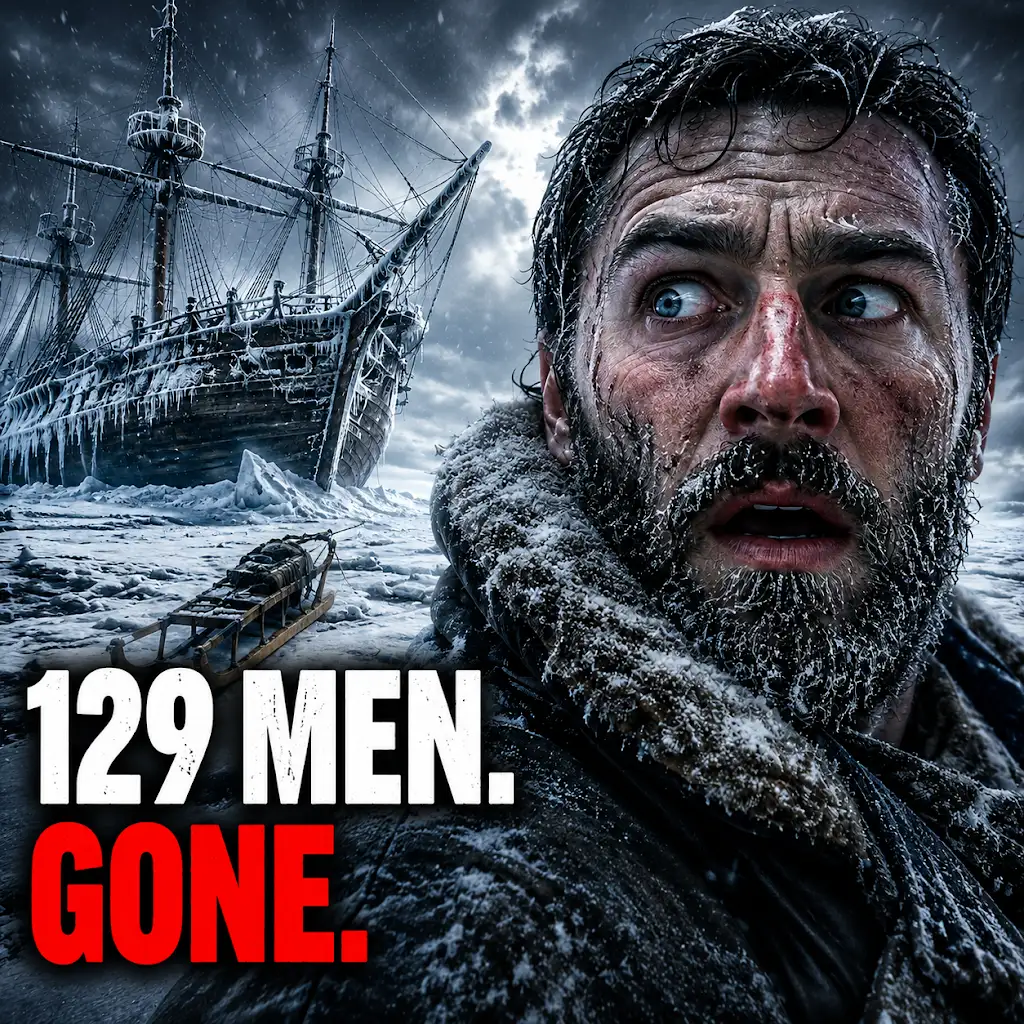
129 Men Vanished in the Arctic. Then We Found Their Ships.
FAQs
What was the Franklin Expedition 1845?
The Franklin Expedition was a British voyage led by Captain Sir John Franklin in 1845 to find the Northwest Passage. The expedition consisted of two ships, HMS Erebus and HMS Terror, and a crew of 129 men.
What happened to the Franklin Expedition?
The fate of the Franklin Expedition remains a mystery. The ships became trapped in ice in the Canadian Arctic, and all crew members perished. The exact circumstances of their deaths and the location of the ships remained unknown for over 150 years.
When were the remains of the Franklin Expedition discovered?
The wreck of HMS Erebus was discovered in 2014, and the wreck of HMS Terror was found in 2016. These discoveries shed light on the final days of the expedition and provided valuable information about the crew’s fate.
What caused the demise of the Franklin Expedition?
The crew likely succumbed to a combination of factors, including exposure to harsh Arctic conditions, lead poisoning from canned food, and a lack of resources. The exact sequence of events leading to their demise is still a subject of study and debate.
What is the significance of the Franklin Expedition’s disappearance?
The Franklin Expedition’s disappearance and subsequent discoveries have contributed to our understanding of Arctic exploration, the search for the Northwest Passage, and the impact of extreme environments on human survival. The expedition’s story continues to capture the public’s imagination and remains a subject of historical and scientific interest.