The air in Jamestown, Virginia, crackles with stories whispered by the wind through ancient oak trees. For centuries, this colonial settlement, the first permanent English outpost in North America, has held its secrets close. Among its most compelling enigmas is the tale of the Jamestown skeleton, a discovery that has captivated archaeologists and historians alike, and which points towards a tragic, yet ultimately illuminating, narrative. The identity of this skeletal remains, once a mystery, has now been tentatively, and with significant scientific backing, attributed to Ferdinando Wenman, a man whose life and death offer a poignant glimpse into the brutal realities faced by early Jamestown settlers. This is his story, pieced together from fragmented historical records and the silent testimony of bone.
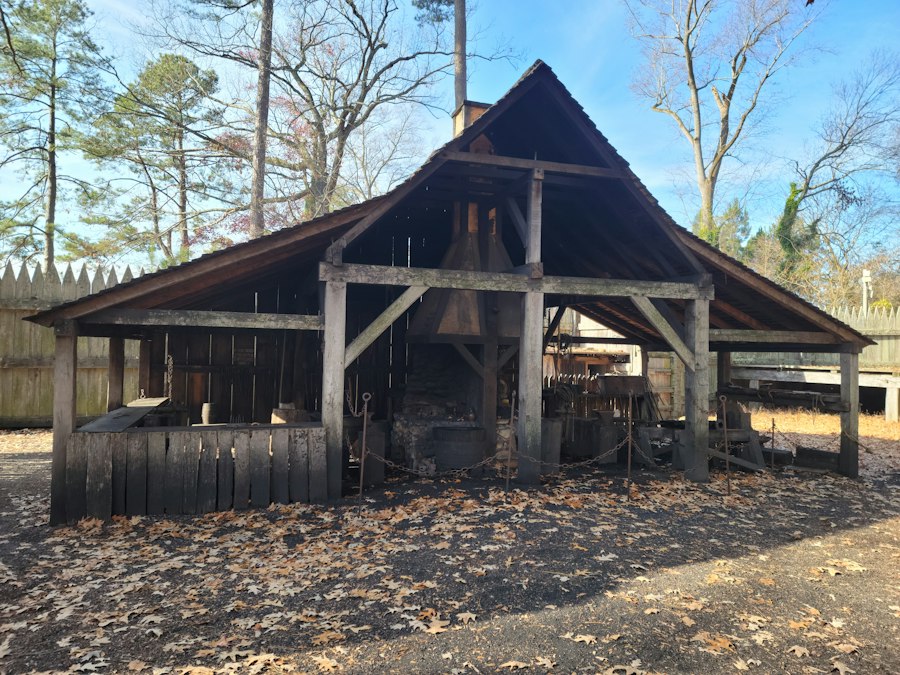
The story of Ferdinando Wenman’s skeletal remains begins not with a grand pronouncement, but with the quiet, meticulous work of modern archaeology. In 2012, a team from Preservation Virginia and the Colonial Williamsburg Foundation, engaged in excavations at the original James Fort site, made a find that would send ripples through the historical community. Buried beneath the remnants of what was believed to be a blacksmith’s forge, a surprisingly well-preserved human skeleton was unearthed.
The Context of the Find: Jamestown’s Early Years
The early years of Jamestown were fraught with hardship. Established in 1607, the colony struggled with disease, starvation, and conflict with the indigenous Powhatan people. Survival was a daily battle, and many perished, their stories lost to the relentless passage of time. The discovery of any human remains from this period is inherently significant, offering a tangible link to individuals who endured such immense challenges.
The Significance of a Fort Site Burial
The location of the skeleton within the fort’s palisade walls suggested it was not a recent burial from a later period, but one connected to the very foundations of the settlement. This narrowed the chronological possibilities considerably, focusing attention on the earliest decades of Jamestown’s existence. The bones lay in a disturbed context, hinting at a burial that might have been hasty or performed under duress.
Initial Analysis: Clues in the Bones
Upon excavation, the skeleton presented a wealth of information to the forensic anthropologists and bioarchaeologists on the team. The condition of the bones, while remarkable for their age, also bore the marks of hardship. Initial examinations revealed signs of malnutrition and physical stress, consistent with the known conditions of early colonial life.
Age and Sex Estimation
Through analysis of skeletal features, the remains were identified as belonging to an adult male. While precise age estimation can be challenging, the evidence suggested an individual in his late teens or early twenties. This youthful age made the discovery all the more poignant, representing a life cut short before it had truly bloomed.
The Search for Identity: Historical Records and the Mystery of Ferdinando Wenman
The physical evidence from the skeleton, while rich, could not, on its own, reveal the individual’s name. This is where the detective work of historians and archivists came into play. The limited surviving records of early Jamestown became the canvas upon which the story of the unknown skeleton could be painted. The search for a potential candidate began, with particular focus on those who died young and whose deaths might have been recorded.
The Limited Scope of Early Jamestown Records
It is crucial to understand the limitations of the historical documentation from this period. Many records were lost to fires, neglect, or the simple passage of time. Surviving documents often focus on official matters, the movements of prominent figures, and the general state of the colony, leaving the lives of ordinary individuals largely unchronicled.
The Leading Contender: Ferdinando Wenman’s Story Emerges
Among the individuals whose names appear in the sparse records of early Jamestown, one name began to resonate with the skeletal evidence: Ferdinando Wenman. Wenman was a young man, a nephew of Sir George Yeardley, the governor of Virginia, who arrived in the colony in 1610. Historical accounts suggest he met a violent end.
Ferdinando Wenman’s Arrival and Position
Wenman’s status as the nephew of the governor afforded him a certain social standing, though it did not shield him from the dangers of Jamestown. His presence in the colony, documented in the official reports of the time, placed him squarely within the period of the skeleton’s probable burial.
The discovery of the Ferdinando Wenman Jamestown skeleton has sparked significant interest among historians and archaeologists, shedding light on the early colonial period in America. This intriguing find is part of a broader narrative that explores the complexities of human history and engineering practices. For those interested in the ancient techniques used in construction, a related article discusses the fascinating aspects of megalithic engineering, which can be found here. This connection highlights how understanding past civilizations can enrich our comprehension of both historical and contemporary societies.
The Case for Ferdinando: Evidence and Speculation
The hypothesis that the skeleton belonged to Ferdinando Wenman gained traction due to several converging pieces of evidence. While direct DNA confirmation linking the bones to a known Wenman descendant has not yet been achieved, the circumstantial and scientific evidence is compelling.
Forensic Anthropology and the Skeleton’s Trauma
Forensic analysis of the skeleton revealed significant trauma to the skull and skeleton that suggested a violent death. The precise nature of this trauma, while not definitively pointing to a specific weapon, was consistent with the kinds of injuries sustained in combat or through brutal assault. This aligned with historical accounts of Wenman’s demise.
Historical Accounts of Wenman’s Death
Various historical sources, including the writings of George Percy, a prominent early Jamestown leader, describe the death of Ferdinando Wenman. Percy’s accounts, though sometimes embellished, consistently indicate that Wenman was killed during an altercation with a soldier named Lieutenant Sprigg. The narrative suggests a dispute escalated, leading to Wenman’s fatal injury.
The discovery of the Ferdinando Wenman skeleton in Jamestown has shed light on the early colonial period and the challenges faced by settlers in Virginia. This archaeological find not only provides insight into the health and lifestyle of individuals during that time but also raises questions about how environmental factors, such as rising sea levels and extreme weather, impacted their survival. For a deeper understanding of these environmental challenges, you can read the related article on climate change and its effects on coastal communities at Rising Sea Levels and Extreme Weather: Understanding Climate Change Impact.
Reconstructing a Life: The Daily Existence of a Young Settler
The skeleton of Ferdinando Wenman, or the individual it represents, offers a unique window into the daily life of a young man in the early Jamestown settlement. Beyond the drama of his reported death, the bones speak of the physical realities of existence in a burgeoning colony.
Diet and Health: The Toll of Early Colonial Life
The skeletal remains provided direct evidence of the nutritional status of the individual. Bioarchaeological analysis revealed signs of periods of nutritional stress, characterized by Harris lines in the bones and porotic hyperostosis, indicating deficiencies in iron and other vital nutrients. This was a common affliction for Jamestown settlers, who faced crop failures, limited supplies, and the constant threat of starvation.
The Impact of Malnutrition on Growth and Development
For a young man like Wenman, periods of severe malnutrition could have stunted growth and weakened his overall health, making him more susceptible to disease and the rigors of manual labor, even for someone of his social standing. The bones tell a story of a body under constant pressure.
Physical Labor and Lifestyle: The Evidence in the Bones
The development of skeletal muscle attachment sites on the bones can provide insights into the type and intensity of physical activity an individual engaged in. While Wenman was of a higher social class than many of the laborers and indentured servants, he would still have participated in some degree of physical exertion, especially in the early years of the colony when all hands were needed.
Repetitive Stress Injuries
Analysis might reveal evidence of repetitive stress injuries, common in individuals who performed similar tasks for extended periods. Whether Wenman was involved in military drills, construction, or other forms of labor, his bones would bear the imprint of his physical activities.
The Tragedy Unfolds: Ferdinando Wenman’s Final Moments

The most compelling aspect of the Jamestown skeleton’s story is the reconstruction of its potential final moments. The historical accounts of Ferdinando Wenman’s death, when viewed in conjunction with the forensic evidence, paint a vivid, albeit grim, picture.
The Dispute with Lieutenant Sprigg: A Historical Account
George Percy’s writings detail a quarrel between Ferdinando Wenman and Lieutenant Sprigg. The exact cause of the dispute remains unclear, but it is described as having taken place shortly after Wenman’s arrival in the colony. Such interpersonal conflicts were not uncommon in the highly charged and stressful environment of early Jamestown.
The Escalation of Violence
According to Percy, the argument escalated into a physical confrontation. The precise details are scarce, but the outcome was fatal for young Wenman. This event underscores the volatility of life in the colony, where disputes could quickly turn deadly.
The Forensic Interpretation: Matching Bone to Narrative
The skeletal trauma observed by forensic anthropologists provides critical corroboration for the historical narratives. While the specific weapon may be unknown, the nature of the injuries suggests a forceful impact, potentially from a blunt object or a blade.
Evidence of Defensive Wounds
Future detailed analysis of the skeleton could potentially reveal the presence of defensive wounds, such as fractures on the forearms or hands, indicating an attempt to ward off an attack. This would further solidify the interpretation of a violent altercation.
The Burial: Hasty and Unceremonious?
The context in which the skeleton was found, in a disturbed layer within the fort, suggests that the burial may have been hurried. In the aftermath of a violent death, especially one involving internal conflict within the colony, a swift and perhaps less formal burial might have been deemed necessary.
The Absence of a Marked Grave
The lack of any formal grave marker further supports the idea of an unceremonious interment. For a young man, particularly one whose death might have been controversial or embarrassing to the colony’s leadership, a discreet burial could have been preferred.
The Legacy of the Skeleton: Beyond a Single Life
The discovery and tentative identification of the Jamestown skeleton as Ferdinando Wenman transcend the story of one individual. It offers a profound reflection on the broader human experience of the early colonial era and the challenges faced by all who dared to venture to the New World.
A Symbol of Resilience and Sacrifice
The skeleton represents not only the tragedy of a life cut short but also the resilience of those who persevered in the face of unimaginable odds. Each bone, each mark of hardship, is a testament to the human spirit’s capacity to endure.
The Unsung Heroes of Jamestown
Ferdinando Wenman, if indeed it is him, represents countless unnamed individuals whose stories were lost to history. This discovery provides a tangible connection to those who contributed to the establishment of Jamestown, often at the cost of their own lives.
The Ongoing Quest for Understanding: Future Research and Revelations
The story of the Jamestown skeleton is not necessarily a closed chapter. Scientific advancements and ongoing archaeological work continue to illuminate the past.
The Potential of DNA Analysis
While challenging due to the age of the remains and potential contamination, future DNA analysis could, in theory, offer definitive confirmation of Ferdinando Wenman’s identity, particularly if viable genetic material can be extracted and compared with potential living descendants or historical samples.
Continuing Excavations and the Discovery of More Stories
The James Fort site continues to yield new discoveries. Each excavation has the potential to uncover more skeletal remains, more artifacts, and more pieces of the complex tapestry of early Jamestown life, potentially revealing other equally compelling narratives.
Lessons for the Present: Understanding Our Colonial Roots
The story of Ferdinando Wenman and the Jamestown skeleton serves as a powerful reminder of the sacrifices made by the early settlers. It encourages a deeper understanding of the complexities of colonial history, moving beyond idealized narratives to embrace the harsh realities faced by these pioneers. The silent testimony of bone continues to speak, urging us to remember and to learn from the past. The mystery of the Jamestown skeleton has, to a significant degree, been unraveled, offering a poignant and deeply human glimpse into a pivotal moment in American history.
Jamestown DNA Revealed a Family Secret Hidden for 400 Years
FAQs
What is the Ferdinando Wenman Jamestown skeleton?
The Ferdinando Wenman Jamestown skeleton is the remains of a man discovered in Jamestown, Virginia, believed to be that of Ferdinando Wenman, a prominent figure in the early settlement of Jamestown.
When was the Ferdinando Wenman Jamestown skeleton discovered?
The Ferdinando Wenman Jamestown skeleton was discovered in 2003 during an archaeological excavation at the Jamestown site.
What is the significance of the Ferdinando Wenman Jamestown skeleton?
The Ferdinando Wenman Jamestown skeleton is significant because it provides insight into the early history of Jamestown and the lives of the settlers who lived there in the 17th century.
How was the identity of the Ferdinando Wenman Jamestown skeleton determined?
The identity of the Ferdinando Wenman Jamestown skeleton was determined through historical records and forensic analysis, including DNA testing and examination of artifacts found with the remains.
Where is the Ferdinando Wenman Jamestown skeleton now?
The Ferdinando Wenman Jamestown skeleton is currently housed at the Smithsonian’s National Museum of Natural History in Washington, D.C., where it is studied by researchers and displayed to the public.