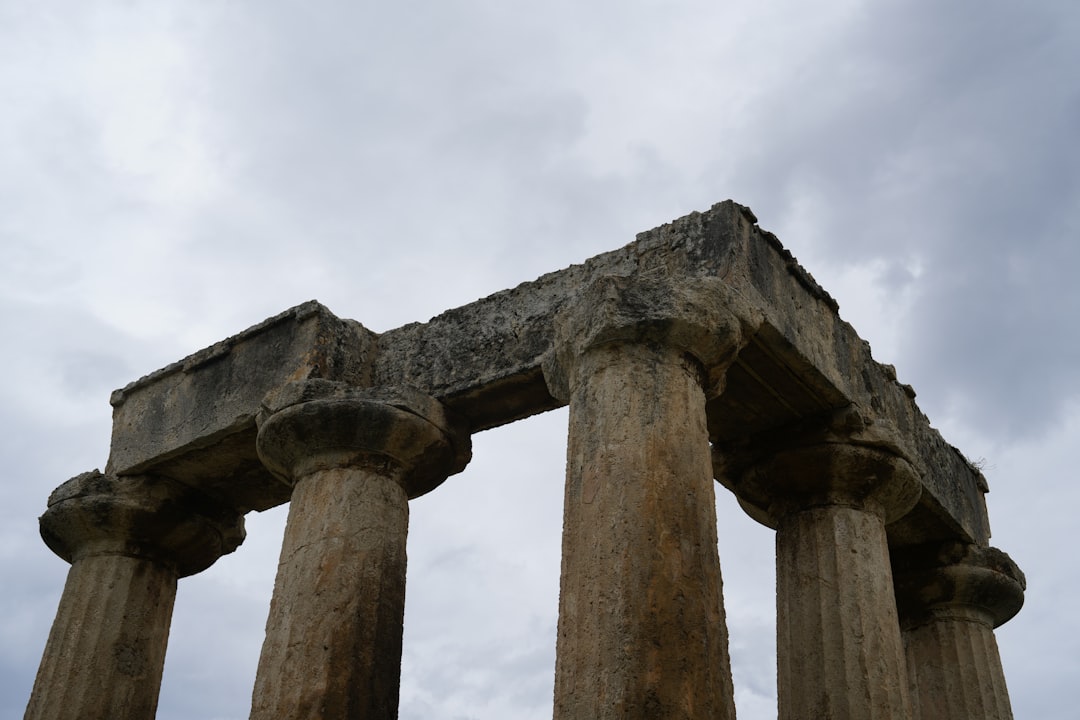
The dust of millennia has settled, yet it cannot quite conceal the gaping holes in humanity’s collective memory. These are the places where vibrant societies once thrived, where ingenuity bloomed, and where entire peoples, leaving behind only enigmatic whispers in stone and artifact, vanished. The mystery of ancient civilizations’ sudden disappearance is not merely an academic puzzle; it is a profound reckoning with our own impermanence, a stark reminder that even the grandest human endeavors can fade into the silence of history. As we delve into these forgotten epochs, we become detectives, sifting through the debris of the past for clues that might illuminate the shadows of these lost worlds.
The term “sudden disappearance” is not intended to imply an instantaneous obliteration, like a cosmic eraser sweeping across the globe. Rather, it refers to a remarkably compressed timescale, geologically speaking, during which a once-flourishing civilization experienced a catastrophic decline, leading to the abandonment of its major centers and a profound disruption of its cultural continuity. Unlike societies that gradually waned over centuries, their traditions slowly dissolving like a forgotten song, these civilizations seem to have been caught in an existential storm, their foundations shaken to the core, leaving behind a populace scattered, assimilated, or tragically, eradicated.
What Constitutes “Sudden”?
From a human perspective, a generation or two might seem like an eternity. However, in the grand narrative of Earth’s history, such a span is but a fleeting moment. When archeologists speak of a “sudden” disappearance, they are often referring to evidence of rapid depopulation, the abrupt cessation of monumental construction, and the abandonment of intricate social structures within a period of perhaps 50 to 200 years. This is a stark contrast to the gradual decline of the Roman Empire, for instance, which unfolded over centuries. This compressed timeline suggests external forces operating with a swift and decisive hand.
The Archaeological Footprint of Absence
The evidence for these disappearances is often found in the stark contrast between thriving settlements and their subsequent abandonment. Archeological sites reveal layers of activity, followed by an abrupt halt. Tools are left in workshops, food stores remain unconsumed, and ceremonial objects are found in their places of worship. It is as if the inhabitants simply walked away, leaving their world frozen in time. These abandoned cities are not just empty shells; they are silent testaments to a vanishing act that continues to puzzle and fascinate.
Distinguishing Between Decline and Disappearance
The complexities of historical analysis require a careful distinction between societal decline and complete disappearance. Many civilizations experienced periods of upheaval, economic hardship, or political instability. However, these challenges often led to adaptation, migration, or a transformation of their culture, rather than a complete erasure. A true disappearance implies a loss of cultural identity, a breakdown of social order, and a significant reduction in population numbers that prevents the resurgence of the civilization in its original form.
The sudden disappearance of ancient civilizations has long fascinated historians and archaeologists, prompting numerous theories about the factors that led to their decline. For a deeper exploration of this intriguing topic, you can read the article titled “The Mysterious Vanishing of Ancient Cultures” which delves into various hypotheses, including environmental changes, warfare, and societal collapse. To learn more about these ancient enigmas, visit this article.
Case Studies: Echoes of Lost Worlds
The tapestry of ancient history is woven with threads of civilizations that, for reasons yet to be fully understood, faded from prominence, leaving behind more questions than answers. Their stories, etched in stone and scattered in the dust, beckon us to unravel their secrets.
The Maya: A Civilization in the Jungles
The Maya civilization, a beacon of intellectual and artistic achievement in Mesoamerica, reached its zenith between 250 and 900 CE, known as the Classic Period. Their sprawling city-states, adorned with towering pyramids and intricate hieroglyphic inscriptions, attest to a sophisticated understanding of astronomy, mathematics, and calendar systems. Yet, by the time European explorers arrived centuries later, many of these magnificent centers had been reclaimed by the jungle, their populations drastically reduced.
The Flourishing of the Classic Maya
For centuries, Maya city-states like Tikal, Palenque, and Copán flourished. They developed a complex writing system, advanced calendrical knowledge, and impressive architectural feats. Their agricultural systems, though often intensive, supported large urban populations. The evidence in their art and inscriptions points to a vibrant and complex society with distinct political entities and intricate religious practices.
The “Maya Collapse”: A Multifaceted Enigma
The term “Maya Collapse” is a broad descriptor for the decline and abandonment of these major Classic Maya centers. It was not a single, monolithic event but rather a drawn-out process that varied in intensity and timing across different regions. The exact cause or causes remain a subject of intense debate among scholars, with numerous theories vying for dominance.
Environmental Catastrophes: The Thirst and the Fire
One prominent theory centers on prolonged periods of drought. Paleoclimatic data, derived from lake sediments and stalagmites, indicates several severe droughts occurring during the Classic Maya period, particularly in the southern lowlands. These droughts likely crippled their rain-fed agricultural systems, leading to widespread famine and societal breakdown. Imagine a meticulously built house of cards, dependent on steady hands. Now, imagine the wind suddenly picking up, shaking the very foundation until the entire structure collapses. The Maya, reliant on a delicate balance of rainfall for their crops, may have faced such an environmental gale.
Warfare and Societal Instability: The Internal Strife
Evidence of increased warfare between Maya city-states is found in their art, inscriptions, and skeletal remains. Escalating conflicts could have disrupted trade routes, led to the destruction of agricultural land, and drained societal resources, contributing to a spiral of decline. The complex political landscape of the Maya, characterized by often-rivalrous city-states, may have become unsustainable under increasing pressure.
Overpopulation and Resource Depletion: The Strain on the Land
Some scholars suggest that the Maya may have outstripped their environment’s carrying capacity. Intensive agriculture, coupled with a growing population, could have led to soil erosion, deforestation, and a depletion of vital resources, making their society increasingly vulnerable to other stressors. The jungle, a seemingly endless expanse, has its limits, and the Maya may have pushed those limits too far.
Disease: The Silent Killer
While direct evidence for widespread epidemics among the Classic Maya is scarce, the possibility of disease cannot be entirely discounted. In densely populated urban centers, with limited sanitation, disease could have acted as a significant factor in population decline, especially when coupled with malnutrition.
The Indus Valley Civilization: The Undeciphered Enigma
The Indus Valley Civilization, also known as the Harappan Civilization, flourished in what is now Pakistan and northwestern India from approximately 2600 to 1900 BCE. Their meticulously planned cities, like Mohenjo-daro and Harappa, boasted sophisticated drainage systems, standardized weights and measures, and impressive urban infrastructure. Yet, the script they used remains largely undeciphered, leaving a significant veil of mystery over their social structure, beliefs, and, most importantly, the reasons for their eventual decline.
The Zenith of Urbanism
The Indus Valley Civilization stands out for its remarkable urban planning. Streets were laid out in a grid pattern, and houses were constructed with baked bricks, featuring advanced plumbing and sanitation systems. This level of organized infrastructure suggests a highly centralized and coordinated society. Their cities were crucibles of innovation and order.
The Mysteries of their Script and Society
The lack of a deciphered script is a major hurdle in understanding the Indus Valley Civilization. While seal stones have provided tantalizing glimpses into their iconography and possibly economic activities, the lack of extensive written records means we can only infer aspects of their governance, religion, and daily life. Imagine trying to understand a symphony with only the percussion instruments playing; the melody, the harmonies, the very soul of the music, remains elusive.
Environmental Shifts: The Shifting Sands
Evidence suggests that the Indus River system, the lifeblood of the civilization, underwent significant changes. Variations in monsoon patterns and potential tectonic activity may have altered river courses, leading to agricultural disruption, flooding, or a lack of water. The once-reliable arteries that nourished their civilization may have become unpredictable and dangerous.
Trade and External Factors: The Fraying Links
The Indus Valley Civilization engaged in extensive trade networks with regions as far as Mesopotamia. Disruptions in these trade routes, perhaps due to political instability or the rise of new powers elsewhere, could have had a significant economic impact. The robust exchange of goods and ideas, a sign of their vitality, could have also been a point of vulnerability if those links were severed.
Internal Factors: The Unseen Cracks
While less evidence exists for widespread internal conflict, it is possible that social stratification or internal political issues contributed to their decline. Without a clear understanding of their governance, it is difficult to assess the internal pressures that may have been at play.
The Easter Island (Rapa Nui) Society: The Sculptors of Stone
Easter Island, a remote Polynesian outpost, is famous for its monumental stone statues, the moai. The society that created these enigmatic figures, the Rapa Nui people, developed a complex social structure and a sophisticated understanding of engineering and logistics to transport and erect these massive sculptures. However, their island ecosystem, once lush, became severely degraded, leading to a dramatic societal collapse before European contact.
The Moai Builders: A Monumental Achievement
The Rapa Nui people achieved an extraordinary feat in carving, transporting, and erecting hundreds of colossal moai, some weighing many tons. This endeavor required immense organization, a significant workforce, and a deep understanding of their island’s resources. The statues stand as silent sentinels, testaments to their ingenuity.
The Ecological Tragedy: The Island’s Slow Burn
The most widely accepted explanation for the Rapa Nui collapse is ecocide. The island’s inhabitants, through intensive farming and the use of trees for transportation of the moai and for fuel, are believed to have deforested the island. This deforestation led to severe soil erosion, a decline in agricultural productivity, and a scarcity of resources. The island, once a verdant paradise, slowly starved.
The Role of Deforestation: The Vanishing Canopy
The widespread use of palm trees for various purposes, including the construction of canoes and perhaps as rollers for moving the moai, is considered a primary driver of deforestation. The removal of this crucial resource had cascading effects on the island’s environment.
Resource Scarcity and Societal Breakdown: The Descent into Conflict
As resources dwindled, competition likely intensified, leading to social unrest and potentially warfare. The once unified society fractured, and the creation of moai ceased. Tales of cannibalism, though debated, speak to the extreme desperation that may have gripped the islanders.
The Minoan Civilization: The Palace Culture of Crete
The Minoan civilization, centered on the island of Crete, flourished from around 2700 to 1450 BCE. Their magnificent palaces, like Knossos, were centers of art, religion, and administration, showcasing a sophisticated and peaceful culture, at least for much of their history. However, a series of cataclysmic events, culminating in the eruption of the Thera volcano, appears to have played a significant role in their decline.
The Golden Age of Minoan Palaces
The Minoans were renowned for their vibrant frescoes, intricate pottery, and advanced maritime trade. Their palaces, with their labyrinthine layouts and elaborate plumbing, demonstrate a high level of societal organization and artistic achievement. They were mariners, artists, and builders of unparalleled sophistication in their era.
The Thera Eruption: A Volcanic Hammer Blow?
The eruption of the Thera (modern-day Santorini) volcano around 1600 BCE was one of the largest volcanic events in human history. While the Minoans were not on Thera itself, the eruption would have caused devastating tsunamis that ravaged the coastlines of Crete, destroying settlements and disrupting their maritime trade. Imagine a giant, unseen hand striking the very shores that nourished their civilization.
The Tsunami’s Wrath: The Waves That Erased
The immediate impact of the tsunamis would have been catastrophic for Minoan coastal settlements and harbors, vital for their economy and way of life. The destruction of their fleet and trading infrastructure could have crippled their civilization.
Ashfall and Climate Change: The Lingering Chill
The volcanic ashfall from Thera could have also disrupted agriculture and led to a period of cooler temperatures, further impacting food production. The aftermath of the eruption would have been a prolonged period of hardship and recovery.
The Mycenaean Takeover: The Final Stroke
Following the weakening of the Minoans, the mainland Mycenaean civilization appears to have gradually asserted its dominance over Crete, eventually leading to the decline and assimilation of Minoan culture. The Minoans were not necessarily annihilated, but their distinct civilization was absorbed.
The Predictable Patterns of Collapse

While the specific triggers for each civilization’s demise may differ, studying these diverse cases reveals recurring patterns that offer a more profound understanding of societal fragility. These recurring motifs act as cautionary tales, whispers from the past urging us to consider the interconnectedness of our world.
The Interplay of Environmental Stress and Societal Vulnerability
A common thread weaving through these narratives is the susceptibility of complex societies to environmental pressures. Whether it be drought, deforestation, or volcanic activity, when the natural systems that support life are disrupted, the carefully constructed edifice of civilization can begin to crumble. The more specialized and sophisticated a society, the more vulnerable it can be to the disruption of its foundational resources.
The Delicate Balance of Resources
Civilizations often arise and flourish by mastering their environment. However, this mastery can become a form of dependence. When a society relies heavily on specific agricultural practices, water sources, or raw materials, any disruption to these can have devastating consequences. Their successes can, ironically, become their Achilles’ heel.
The Cascading Effects of Ecological Damage
The consequences of environmental degradation are rarely isolated. Deforestation leads to soil erosion, which impacts agricultural yields. Droughts can exacerbate resource scarcity, leading to increased competition and conflict. These cascading effects create a domino effect, where one problem triggers a chain reaction of critical failures.
The Role of Internal Cohesion and External Threats
The ability of a society to withstand external pressures is often directly linked to its internal cohesion. When social structures are strong, governance is effective, and resources are equitably distributed, a civilization is better equipped to weather storms. Conversely, internal divisions and weaknesses can amplify the impact of external threats.
The Strength of Social Fabric
A society’s ability to adapt and survive often hinges on the strength of its social fabric. Trust, cooperation, and shared purpose are vital in times of crisis. When these elements are eroded by inequality, internal conflict, or a lack of effective leadership, a civilization becomes like a ship with a weakened hull, vulnerable to even moderate storms.
The Amplifying Effect of External Shocks
External threats, such as invasion, disease, or economic disruption, can be devastating to any society. However, for a civilization already grappling with internal divisions or resource scarcity, these external shocks can act as the final straw, pushing it towards collapse.
The Limits of Technology and Adaptation
While human ingenuity has always been a driving force in civilization’s development, it is not always enough to overcome fundamental existential threats. Technological solutions can sometimes exacerbate environmental problems or create new vulnerabilities. Furthermore, adaptation itself has limits, especially when faced with rapid and overwhelming change.
When Innovation Becomes a Double-Edged Sword
Technologies that initially offer great benefits can, over time, lead to unforeseen negative consequences. For example, irrigation systems can lead to salinization of soil, and intensive agriculture can degrade ecosystems. Innovation is not always a path to perpetual stability.
The Pace of Change vs. The Pace of Adaptation
Civilizations can be overwhelmed by the pace of environmental or societal change. If the rate of disruption outstrips a society’s ability to adapt, even well-intentioned efforts may prove insufficient to prevent decline. The world can shift beneath their feet far faster than they can adjust their course.
Lessons from the Lost: What the Past Can Teach Us

The study of ancient civilizations’ sudden disappearances is not an exercise in morbid curiosity. It is a vital endeavor that offers profound lessons for our own complex and interconnected world. By understanding the factors that led to the downfall of these past societies, we can glean insights that might help us navigate our own challenges and ensure our collective future.
The Fragility of Complexity
The Maya, the Indus Valley people, and the Rapa Nui all demonstrate that societal complexity, while impressive, can also breed fragility. The more intricate our systems of governance, agriculture, and economy, the more points of failure exist. This realization doesn’t necessitate a rejection of progress, but rather a call for mindful and sustainable development.
The Enduring Power of Environment
We are not separate from our environment; we are intrinsically woven into its fabric. The fates of these ancient peoples underscore the fundamental truth that a healthy planet is a prerequisite for a healthy civilization. Our reliance on natural resources requires a stewardship that acknowledges limits and seeks harmony rather than exploitation.
The Importance of Foresight and Humility
The disappearance of these civilizations serves as a stark reminder of the need for foresight and humility. We must learn to anticipate potential threats, both environmental and societal, and to approach our interactions with the world with a degree of caution and respect. Arrogance can be a civilizational killer, blinding us to the potential consequences of our actions.
The sudden disappearance of ancient civilizations has long puzzled historians and archaeologists, leading to various theories about their abrupt decline. A fascinating exploration of this topic can be found in an article that delves into the potential causes behind these mysterious vanishings. For those interested in understanding the complexities of ancient societies and their fates, you can read more about it in this insightful piece on the subject. The article offers a comprehensive analysis of environmental changes, social upheaval, and other factors that may have contributed to these civilizations’ downfall. To learn more, check out this related article.
The Ongoing Quest for Understanding
| Possible Cause | Description | Example Civilization | Evidence/Metric |
|---|---|---|---|
| Natural Disasters | Sudden events like earthquakes, volcanic eruptions, or tsunamis that destroyed cities rapidly. | Minoan Civilization | Volcanic ash layers dated to ~1600 BCE on Santorini island |
| Invasion or Warfare | Rapid conquest or destruction by invading armies leading to collapse. | Indus Valley Civilization | Signs of burned cities and abrupt abandonment around 1900 BCE |
| Climate Change | Sudden shifts in climate causing drought or flooding, making survival difficult. | Ancient Mesopotamian Cities | Tree ring data indicating prolonged drought periods |
| Disease Epidemics | Rapid spread of infectious diseases causing population collapse. | Aztec Empire | Historical records of smallpox outbreaks post-European contact |
| Economic Collapse | Sudden failure of trade networks or resource depletion leading to societal breakdown. | Mycenaean Greece | Archaeological evidence of disrupted trade routes around 1200 BCE |
The mysteries of ancient civilizations’ sudden disappearances are not fully resolved. Archeologists, historians, and scientists continue to explore these sites, analyze new data, and refine their theories. Each discovery, each unearthed artifact, is a piece of a grand puzzle, slowly illuminating the shadows of the past. The quest for understanding these lost worlds is a testament to our innate drive to connect with our ancestors, to learn from their triumphs and their failures, and in doing so, to better understand ourselves and our place in the vast expanse of time. The echoes of these vanished peoples continue to resonate, urging us to listen, to learn, and to act with wisdom and foresight.
STOP: Why They Erased 50 Impossible Inventions From Your Textbooks
FAQs
1. What are some common reasons ancient civilizations vanished suddenly?
Ancient civilizations often vanished overnight due to natural disasters such as earthquakes, volcanic eruptions, floods, or droughts. Other factors include sudden invasions, wars, or rapid societal collapse caused by internal strife or economic failure.
2. Did environmental changes contribute to the sudden disappearance of ancient civilizations?
Yes, environmental changes like prolonged droughts, soil degradation, or climate shifts could drastically affect agriculture and water supply, leading to food shortages and the rapid decline of civilizations.
3. Can disease outbreaks cause ancient civilizations to vanish quickly?
Disease outbreaks, including plagues and epidemics, have historically caused high mortality rates that weakened populations and destabilized societies, sometimes leading to the rapid collapse of civilizations.
4. How do archaeological findings help explain the sudden disappearance of ancient civilizations?
Archaeological evidence such as abandoned cities, sudden layers of destruction, or mass graves provides clues about rapid events like invasions, natural disasters, or epidemics that contributed to the sudden decline of ancient societies.
5. Were invasions a significant factor in the overnight disappearance of some ancient civilizations?
Yes, invasions by rival groups or nomadic tribes often led to the swift downfall of established civilizations, as they could result in the destruction of infrastructure, displacement of populations, and loss of political control.